
Wisconsin lawmakers heard testimony Wednesday about a proposal to define abortion in state law, which Republican supporters say will clear up fears that abortion restrictions will also affect miscarriage management.
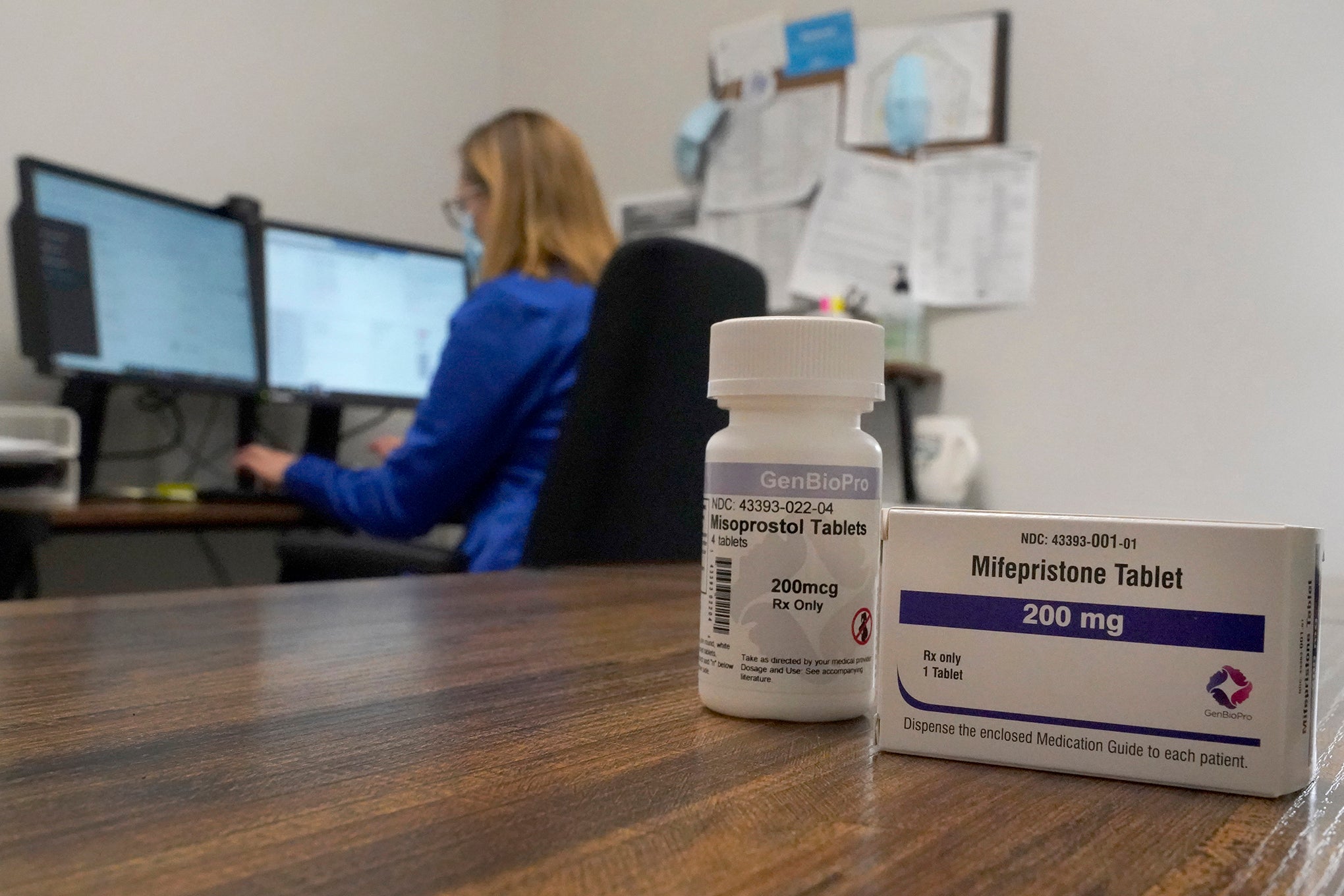
The bill comes two years after Roe v. Wade, which made abortion access legal nationwide, was overturned, sending the issue to the states. Medical providers in states with stronger limits on abortion access have reported not knowing how to interpret laws about certain procedures that can be used both to terminate a pregnancy and to safely manage pregnancy loss or other complications.
The bill’s coauthors, Sen. Romaine Quinn, R-Birchwood, and Rep. Joy Goeben, R-Hobart, said their Wisconsin proposal would dispel providers’ fear of what kind of care they can provide for pregnancies.
News with a little more humanity
WPR’s “Wisconsin Today” newsletter keeps you connected to the state you love without feeling overwhelmed. No paywall. No agenda. No corporate filter.
“We have to face the fact that things can go wrong and do during pregnancy,” said Quinn at a hearing of the Senate Committee on Licensing, Regulatory Reform, State and Federal Affairs. “This bill would affirm that, in that event, Wisconsin laws protect the medical profession, the mother’s life and the baby to the best of our ability.”
Quinn said the state needed “to clearly define what does not constitute an abortion” to counter what he described as misinformation.
As written, the bill states that abortion does not include “a medical procedure or treatment designed or intended to prevent the death of a pregnant woman and not designed or intended to kill the unborn child.”
That would include removing nonviable fetuses or ectopic pregnancies, which are instances when a fetus develops outside the uterus. Those pregnancies can never come to term and endanger a pregnant person’s life if not removed.
This definition of abortion would apply to other uses of the term in state law, such as the existing 20-week limit on abortion, a requirement that minors acquire parental consent before an abortion and a waiting period and certain restrictions on how insurance covers reproductive health care.
Abortion is legal in Wisconsin, following a yearlong period when it was not practiced after Roe was overturned, and a court battle that culminated in a state Supreme Court decision upholding the practice this summer. In some states where abortion is banned or more severely restricted, women experiencing pregnancy-related emergencies have reported confusion around accessing care from hospital staff.
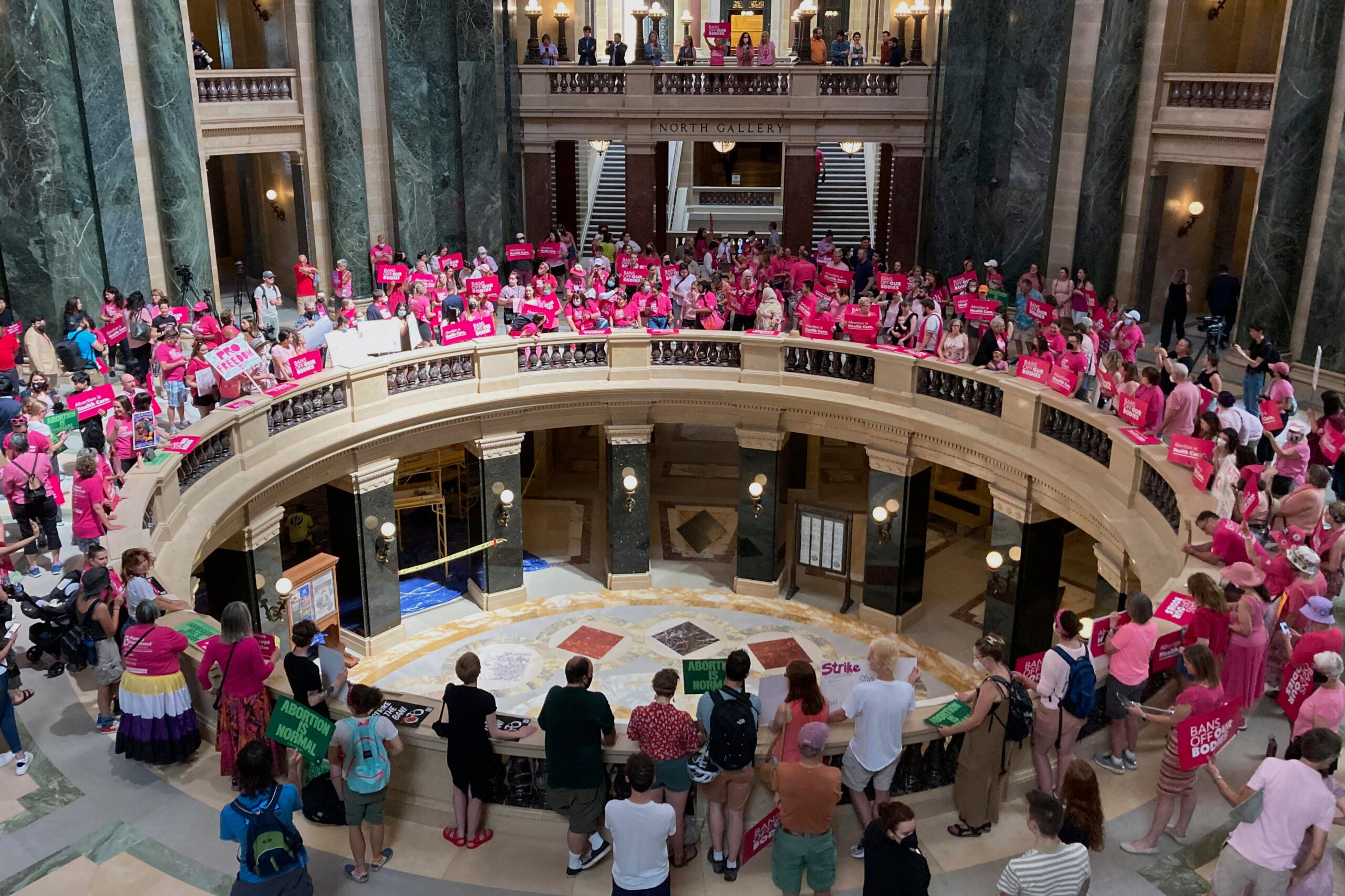
On Wednesday, opponents of the bill pointed to that confusion as a reason to expand abortion access entirely.
“Let people decide, have freedom to be able to decide on their own,” said Sen. Chris Larson, D-Milwaukee. “Stop trying to shame to people who are seeking health care.”
Quinn, the co-author, also argued that separating out the definition of abortion from miscarriage care would also be a service to people who are losing wanted pregnancies and do not want to consider their medical treatment as similar to abortion care.
“The idea that a woman getting treatment for miscarriage is in the same category as another woman who’s intentionally ending a viable child at four months (of pregnancy) in this state is not the same thing,” said Quinn. “And it’s insulting, frankly, to say that’s the same thing. Someone who wanted a child and miscarriage is much different than someone who goes into a Planned Parenthood clinic to end a viable pregnancy at four months in the state.”
According to the Guttmacher Institute, which supports abortion access, the vast majority of abortions happen in the first 13 weeks of pregnancy, and about 60 percent happen before 8 weeks of pregnancy.
The proposal is backed by Wisconsin’s major anti-abortion groups and the Wisconsin Catholic Conference.

Wisconsin Public Radio, © Copyright 2026, Board of Regents of the University of Wisconsin System and Wisconsin Educational Communications Board.