Wisconsin is one step closer to bringing its regulations in line with a federal rule that requires water utilities to identify and replace all their lead service lines within the span of a decade.
The policymaking board for the Wisconsin Department of Natural Resources unanimously approved a rule that reflects improvements to the Lead and Copper Rule issued by the Environmental Protection Agency last year. It’s the most significant change to the rule since it was first approved by EPA in 1991 to reduce lead exposure in drinking water.
Natural Resources Board member Robin Schmidt said the rule is one of the “most important” regulations the board voted on this year.
News with a little more humanity
WPR’s “Wisconsin Today” newsletter keeps you connected to the state you love without feeling overwhelmed. No paywall. No agenda. No corporate filter.
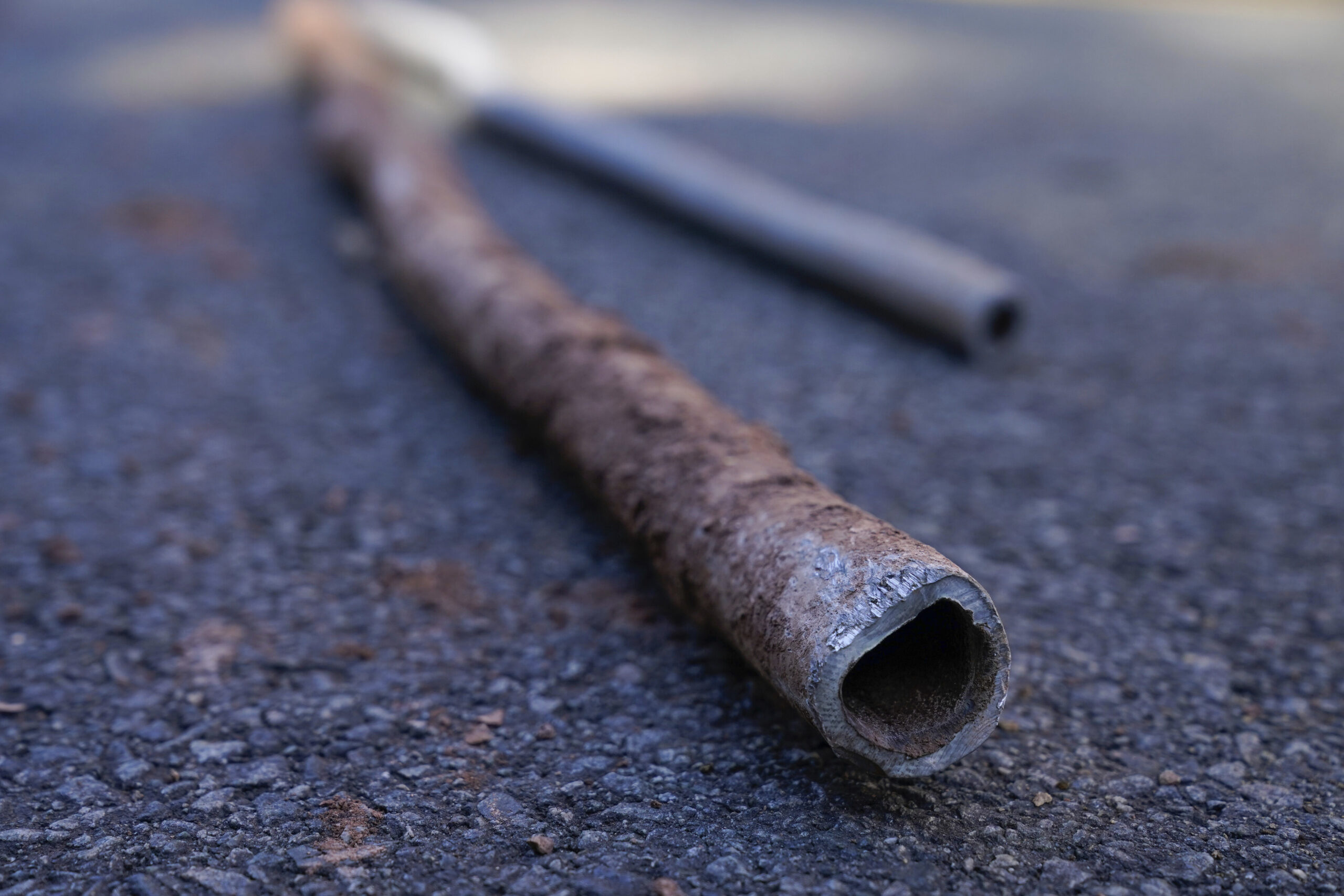
Under the rule, all water systems must conduct an inventory of their lead pipes by 2027 and replace all service lines that contain lead by 2037. The EPA also lowered the level that triggers action to address lead pipes from 15 parts per billion to 10 parts per billion.
The changes require water utilities to improve drinking water sampling. They also strengthen public notice, education and requirements surrounding treatment to control corrosion of lead pipes. Community water systems must sample for lead at schools and licensed child care facilities.
Joe Fitzgerald, policy and advocacy director for Milwaukee Water Commons, said in a statement that the rule will help “to prevent, quickly identify and respond to disastrous drinking water emergencies.”
“These critical improvements … will have a life-changing impact for families around the state,” Fitzgerald said.
Dan Gustafson, senior attorney for Midwest Environmental Advocates, spoke on behalf of the Coalition on Lead Emergency. He reiterated there’s no safe level of lead in drinking water despite lower regulatory thresholds that trigger action.
“When consumed, lead can cause serious health impacts, especially in children,” Gustafson said. “Effects on children include developmental delays, learning difficulties, behavioral disorders, fatigue, digestive issues, hearing loss and seizures.”
Lead in paint and dust are the primary source of lead exposure in Wisconsin, but drinking water is another pathway for exposure. Almost 5 percent of more than 95,000 kids younger than 6 who were tested last year had lead poisoning, according to the Wisconsin Department of Health Services. In Milwaukee, data shows around 20 percent of kids in some areas have lead poisoning.
Wisconsin utilities own around 147,000 lead service lines and their customers own more than 140,000 private lead lines, according to most recent data from the Public Service Commission. The DNR estimates 208,000 lines could contain lead.
The DNR estimated the annual cost of complying with the state rule would be roughly $37,000 for the first five years, which doesn’t include the cost of meeting federal requirements. To comply with the federal rule, the DNR estimated it would cost water systems $69.5 million annually in the first decade and around $52.6 million annually in the following 10 years.
State law doesn’t allow the DNR to “discount” the costs of federal rules, said Scott Manley, executive vice president of government relations with Wisconsin Manufacturers and Commerce.
“As WMC stated in our joint comments to the department, our organization shares the goal of EPA, DNR, and the general public of ensuring that drinking water is safe,” Manley said in an email. “Yet, good intentions do not relieve DNR of its responsibility to comply with the law.”
They along with the Municipal Environmental Group’s Water Division argued the costly rule should trigger legislative approval under state law, but the DNR said it’s required to adopt the federal changes.
The agency also received comments about the cost of replacements, including from Chris Groh, executive director of the Wisconsin Rural Water Association.
“Absent additional state or federal funding, these costs will ultimately fall on ratepayers, either through direct charges or increased water rates,” Groh wrote.
Gov. Tony Evers and the DNR announced Wednesday that more than $159 million is being awarded to 29 communities in Wisconsin to help them replace public and private lead service lines. The DNR expects to receive more than $100 million in federal funding next year. State funding has been bolstered by the 2021 Bipartisan Infrastructure Law, which included $15 billion for lead line replacement.
Milwaukee Water Works, the League of Wisconsin Municipalities and Wisconsin Rural Water Association also expressed concerns about the DNR moving ahead with a rule as the federal regulation faces a legal challenge from the American Water Works Association.
Ann Hirekatur, the DNR’s lead and copper section manager, said the agency would not delay rulemaking because of federal deadlines it must meet. The EPA has said the improvements could provide up to $25 billion in health savings.
The rule is still subject to approval from the governor and the Legislature.

Wisconsin Public Radio, © Copyright 2026, Board of Regents of the University of Wisconsin System and Wisconsin Educational Communications Board.