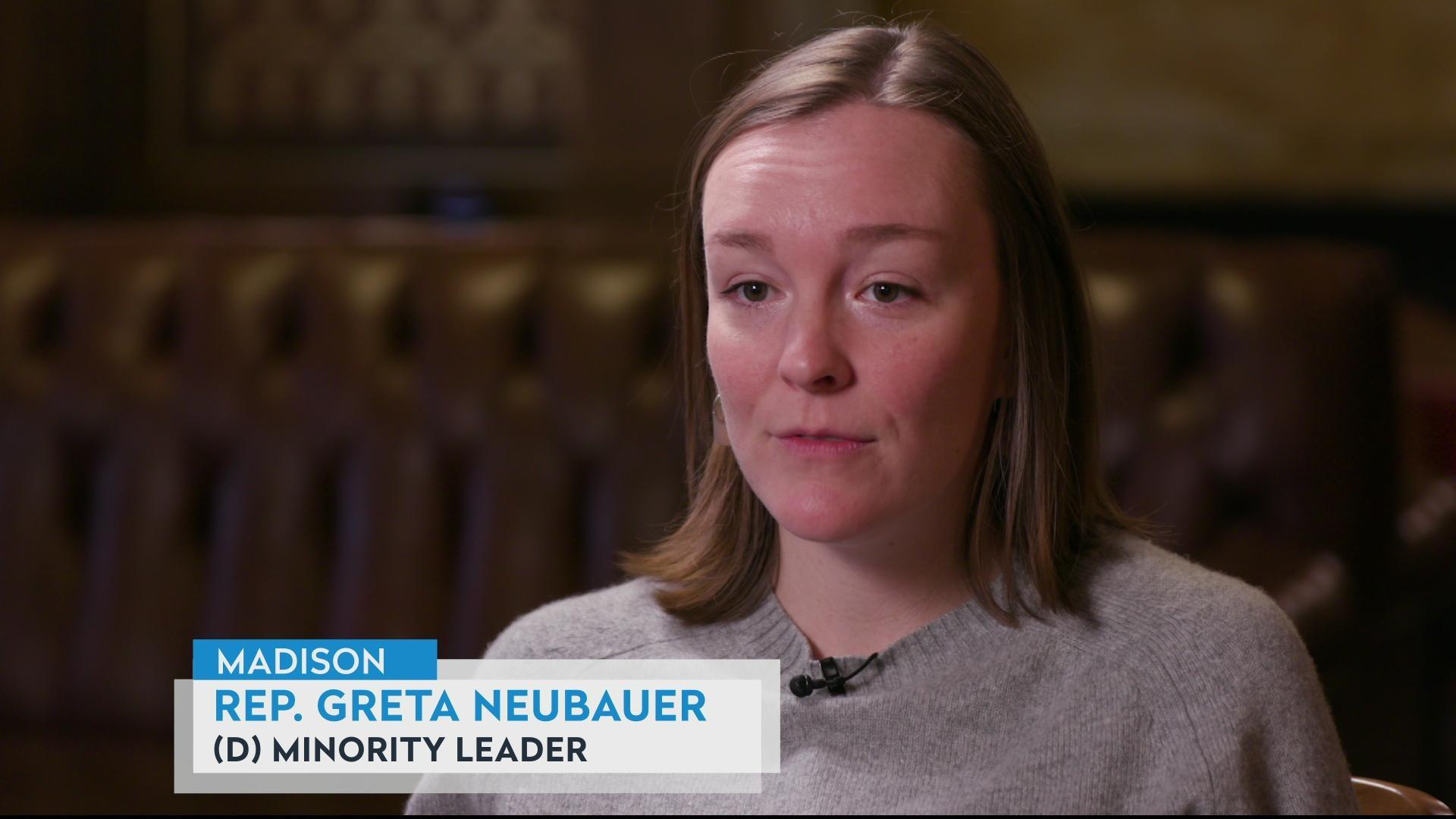
The Wisconsin Assembly’s Democratic minority leader says she’s hopeful the party can find common ground with Republicans during the rest of the Legislature’s session. But she also accused her Republican colleagues of ignoring issues that are most important to voters.
“We know that people are really struggling with the cost of groceries and prescription drugs, housing and child care,” Rep. Greta Neubauer, D-Racine, told WPR’s “Wisconsin Today.” “(Democratic lawmakers) have real proposals that will address these issues, that will help families in Wisconsin do more than just make ends meet. But our Republican colleagues are just really not willing to engage on those issues.”
Neubauer joined the show to talk about some education bills she and her Democratic colleagues have proposed, and to weigh in on other issues facing Wisconsin and the country.
News with a little more humanity
WPR’s “Wisconsin Today” newsletter keeps you connected to the state you love without feeling overwhelmed. No paywall. No agenda. No corporate filter.
The following has been edited for brevity and clarity.
Rob Ferrett: You have a package of bills that you’ve called “kids first.” What’s the overall goal?
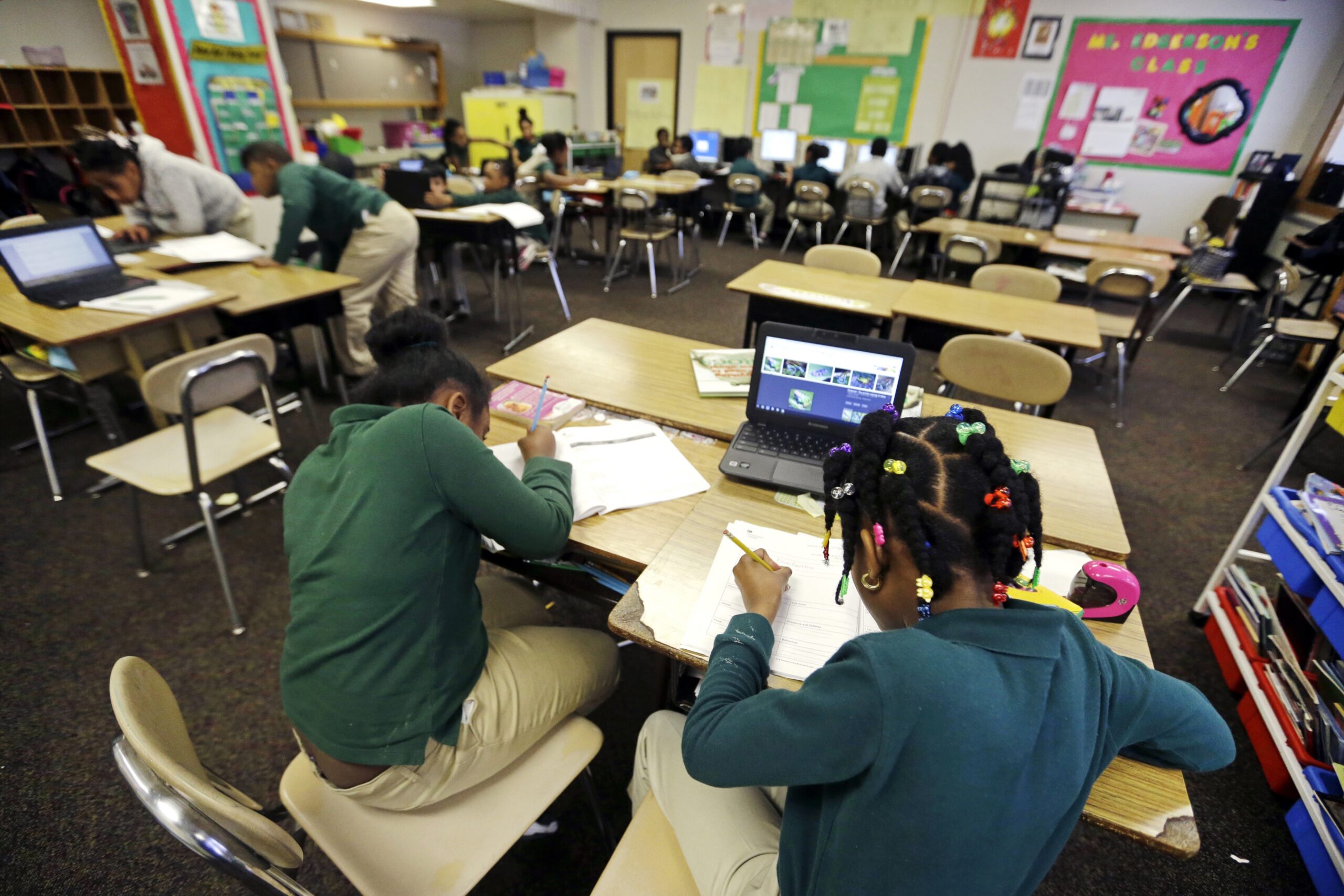
Rep. Greta Neubauer: We hear all of the time from people in every community across the state of Wisconsin about their desire to see their kids go to great schools, and the fact that they are having a difficult time making ends meet. The core piece of legislation in this package would increase general aids to schools and provide some inflationary increases. In the most recent state budget, Republicans did not fund general aids, which means that the impact will be felt in people’s property taxes. So we put about $1.2 billion into this bill to make sure that people’s property taxes do not continue to go up to fund their local public schools
We also have a “healthy-school-meals-for-all” bill that we put out. This would save the average family in Wisconsin with two kids about $1,800 a year on groceries. We know that groceries are a real concern for people in Wisconsin, so we’re hoping that Republicans will consider that bill.
And then the third is a tax transparency bill. Communities like mine and in many across the state are seeing significant public money go to private schools, and people don’t really realize that, because it’s not easy to find those numbers. We want to make sure people understand where their public dollars are going.
RF: The first two pieces of legislation you mentioned have significant price tags — the increase in general funding for schools, the free meals for students. They didn’t end up in the state budget. Do you have any hope that in a Republican-led Legislature, these things have a chance to see the light of day?
GN: We haven’t seen promising signs. Our Republican colleagues are not really willing to tackle the core issues facing our students and our schools, and would rather pass the buck off to local people. We’ve seen referendum after referendum across the state, and people are not happy that they are going to have to continue to increase their own property taxes in order to fund their schools. But they’re caught between a rock and a hard place.
I do hope that the GOP will see the error of their ways and recognize that it is not right to continue passing off school funding to local folks and to taxpayers.
RF: Tests taken by students in Wisconsin show persistent racial disparities. We have seen similar stories like this in Wisconsin for years now. What do you think the Legislature could do to help close those gaps?
GN: We know that one-on-one support of students and implementing the latest curriculum and methodologies is critically important to (help) every student to succeed. And so the most important thing the Legislature can do is provide the resources that our districts need to provide that intensive support to students who are struggling, students of color, low-income students, those with special needs, or English-language learners. Our districts have been struggling for years and making cuts.
RF: Last week, some of your Republican and Democratic colleagues met at the Capitol to announce a slate of legislation related to elections. A couple of the pieces of legislation had bipartisan support. There were some Republican measures, some Democratic measures. Are there priorities that you’d like to see when it comes to how we run elections in Wisconsin?
GN: An item that we’ve been thinking about working on for several years now is Monday ballot counting. This would allow our local clerks to get started counting ballots that have come in during the early vote period on Monday, so that we’re more likely to have election results announced on election night.
We all want to know what the results are before we go to bed on Tuesday night. And I think there is bipartisan understanding that that would be good for the people of Wisconsin and for our democracy.