
Gov. Tony Evers has declared a state of emergency and a period of “abnormal economic disruption” due to the ongoing federal government shutdown and a potential lapse in FoodShare benefits.
Evers’ order directs state agencies to take “any and all necessary and appropriate measures” to address the potential FoodShare stoppage, and requires them to suspend any administrative rules if they would “prevent, hinder, or delay necessary actions to respond to the emergency.” It also directs the state Department of Agriculture, Trade and Consumer Protection to enforce prohibitions against price gouging.
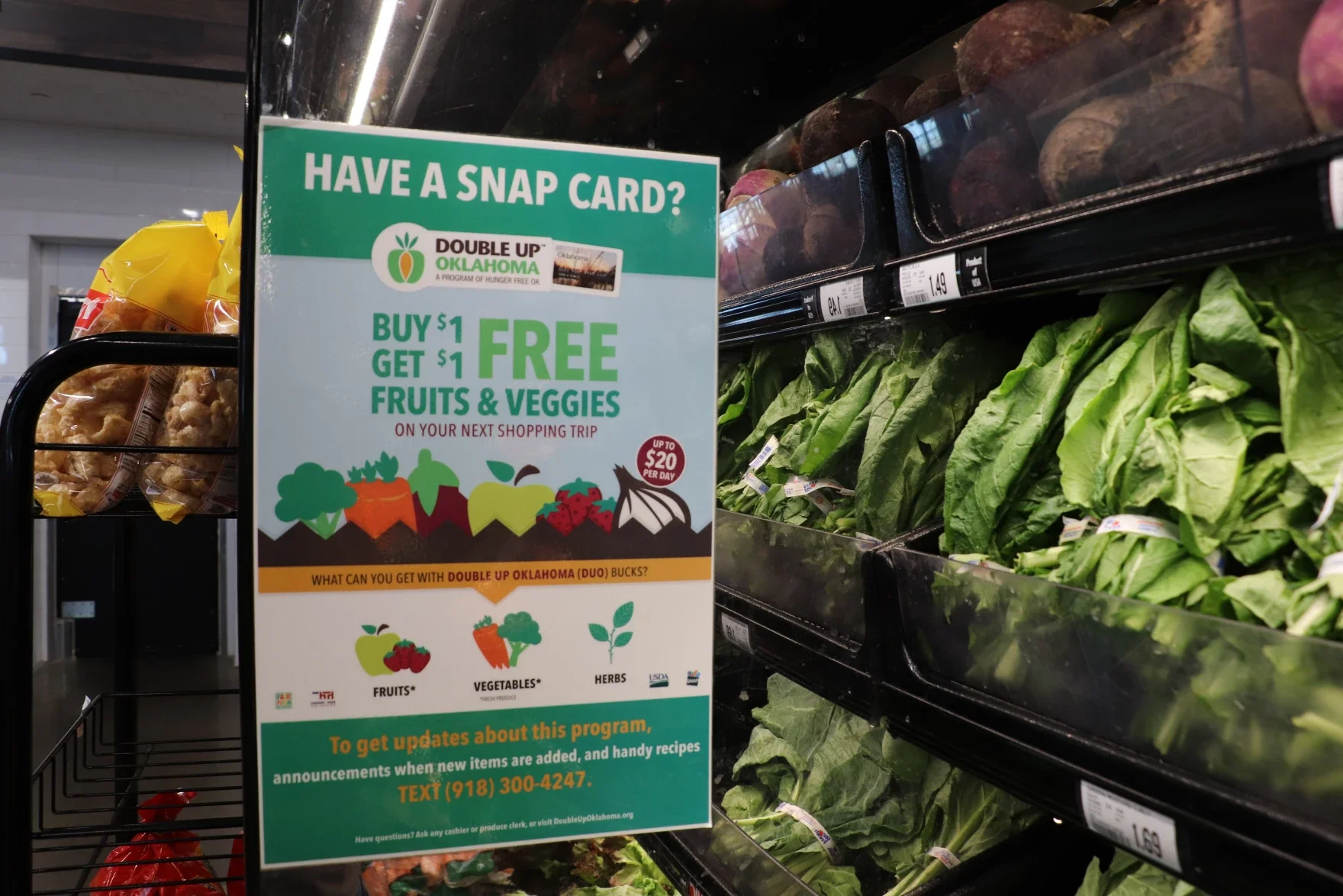
The governor’s action comes as the federal government shutdown enters its second month, leaving benefits for the Supplemental Nutrition Assistance Program, or SNAP, in jeopardy for millions of Americans. That includes around 700,000 residents in Wisconsin, where the program is known as FoodShare.
News with a little more humanity
WPR’s “Wisconsin Today” newsletter keeps you connected to the state you love without feeling overwhelmed. No paywall. No agenda. No corporate filter.
The U.S. Department of Agriculture announced last month that because of the ongoing shutdown, it would pause benefits for SNAP on Nov. 1. It was a break from past precedent for the USDA, which had used emergency funds to pay SNAP benefits in previous government shutdowns.
Wisconsin signed on to a multistate lawsuit in an effort to force the USDA to continue funding the program. On Friday, two federal judges ordered President Donald Trump’s administration to fund SNAP using contingency funds.
It’s unclear how or when the government shutdown will end in Washington, with Republicans and Democrats at odds over who’s to blame and how to resolve it. Democrats have said any agreement needs to include an extension of enhanced tax credits that help people buy health insurance through the Affordable Care Act’s marketplace. Republicans have argued the enhanced subsidies, which were first passed under former President Joe Biden and extended in 2022, were only designed to be temporary.
The cost of FoodShare benefits is paid entirely by the federal government, and backfilling that funding would be challenging for state government for any significant period of time. According to the nonpartisan Legislative Fiscal Bureau, in 2023, Wisconsin residents received about $1.5 billion in benefits under the program.
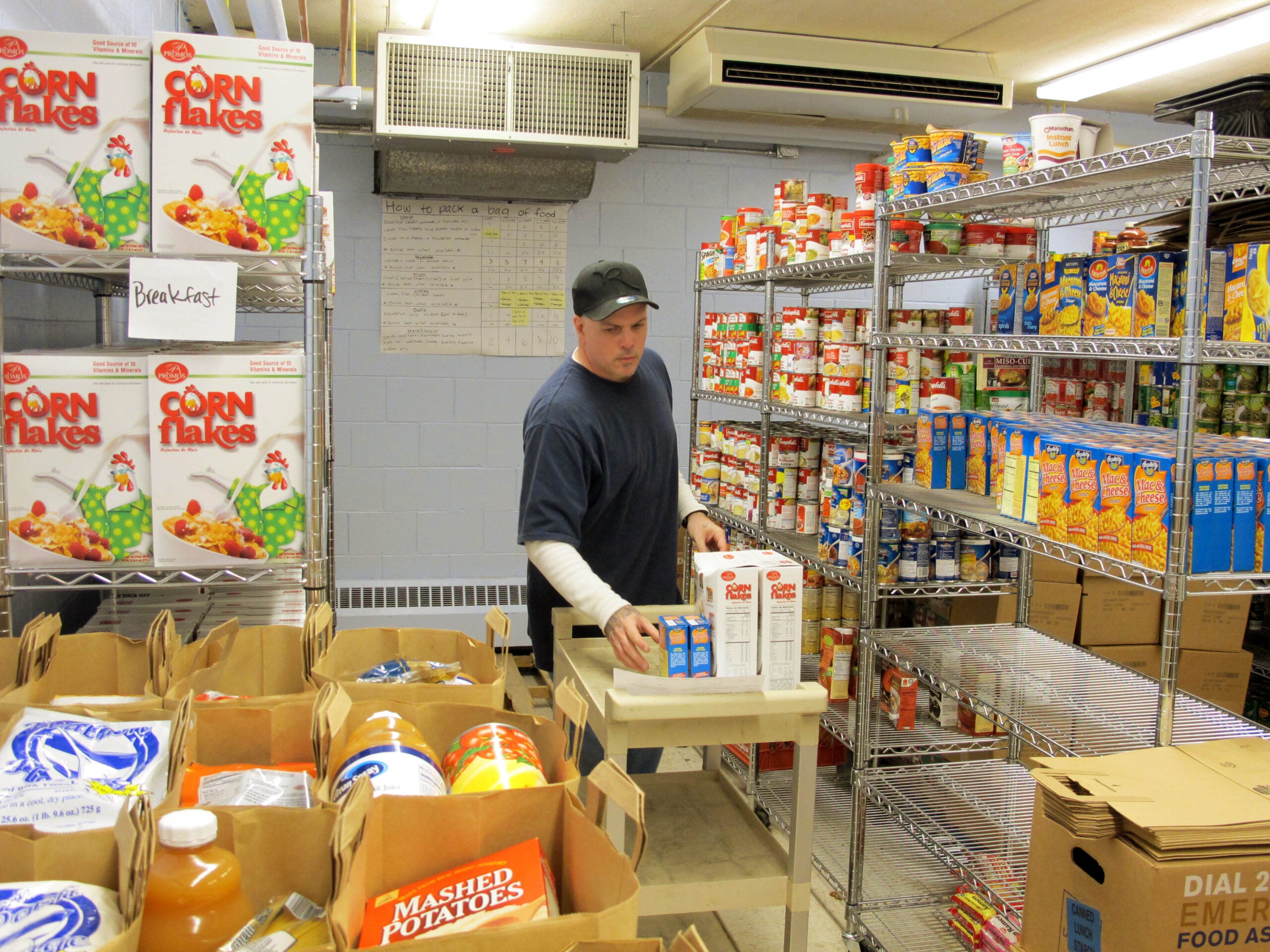
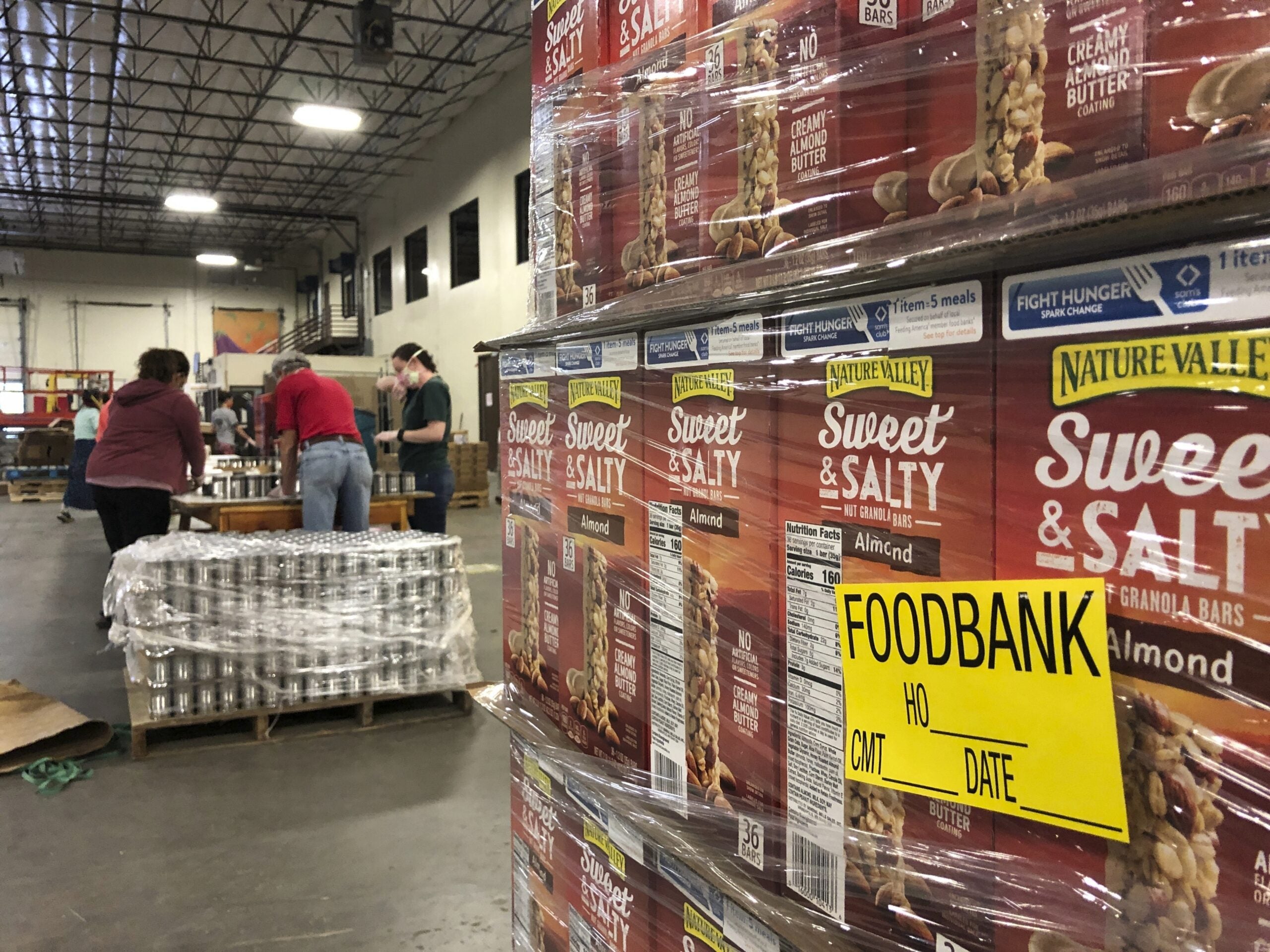
Food banks have reported a surge in demand recently as residents, who were already facing high food prices, braced for a potential interruption in SNAP benefits. But food charities typically cover only about one-tenth of a needy family’s food, while SNAP covers the other 90 percent.

Wisconsin Public Radio, © Copyright 2026, Board of Regents of the University of Wisconsin System and Wisconsin Educational Communications Board.