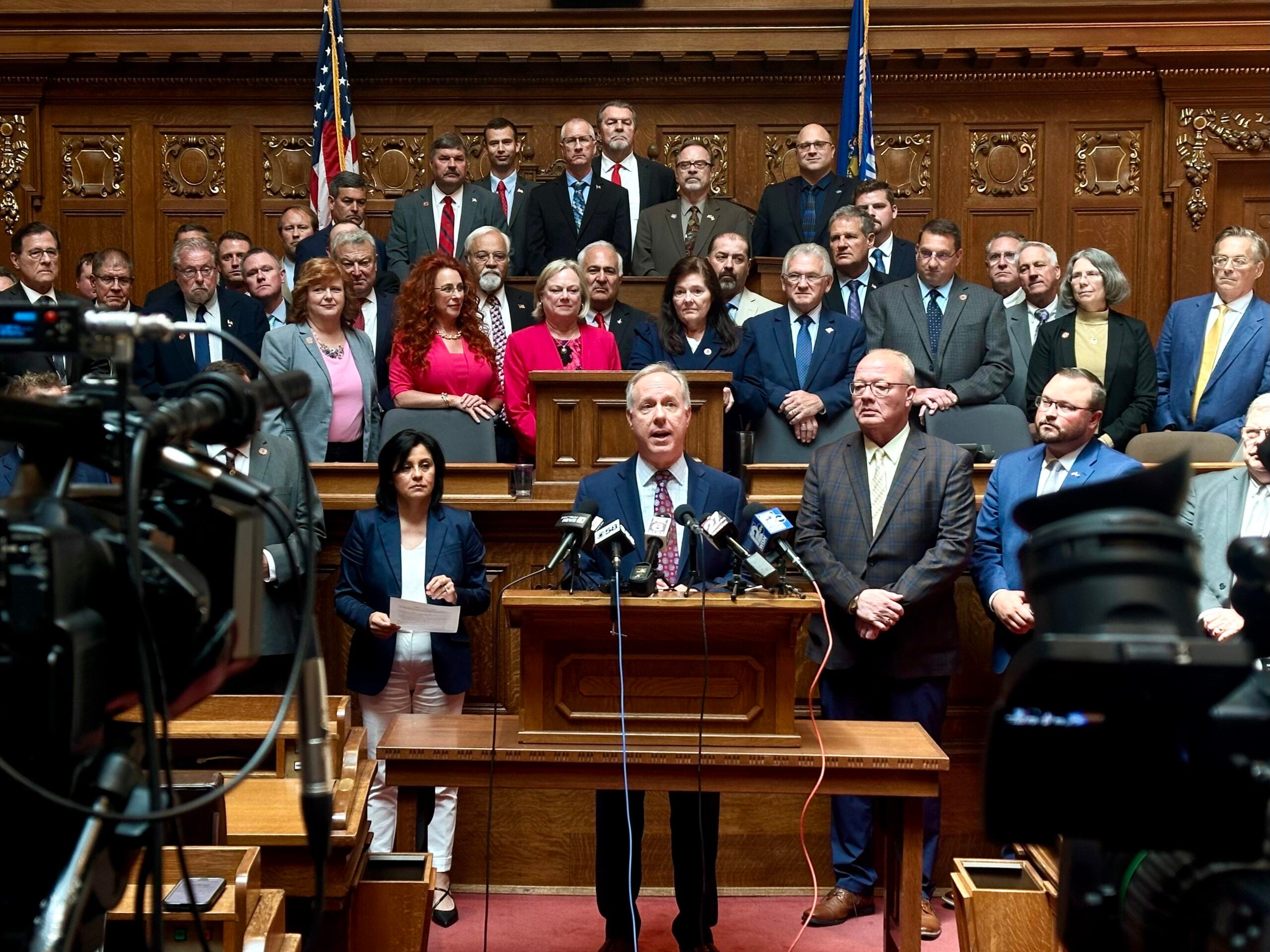
Republican state lawmakers are enforcing rules that ban members of the public from recording legislative hearings inside the state Capitol in the wake of Wisconsin’s version of C-SPAN going offline.
A 2005 state Senate rule bars individuals who are not credentialed members of the media or legislative staff from recording audio or video of proceedings. And a 2013 Assembly rule prohibits people in visitor galleries using recording devices of any kind. Assembly rules allow for members of the news media to record proceedings.
Wisconsin’s Open Meetings Law generally allows the public to record, film or photograph open session meetings as long as doing so does not disrupt the meeting. But a Jan. 7 memo from state Senate Chief Clerk Cyrus Anderson says state statute gives supremacy to Senate or Assembly rules when it comes to open meetings law.
News with a little more humanity
WPR’s “Wisconsin Today” newsletter keeps you connected to the state you love without feeling overwhelmed. No paywall. No agenda. No corporate filter.
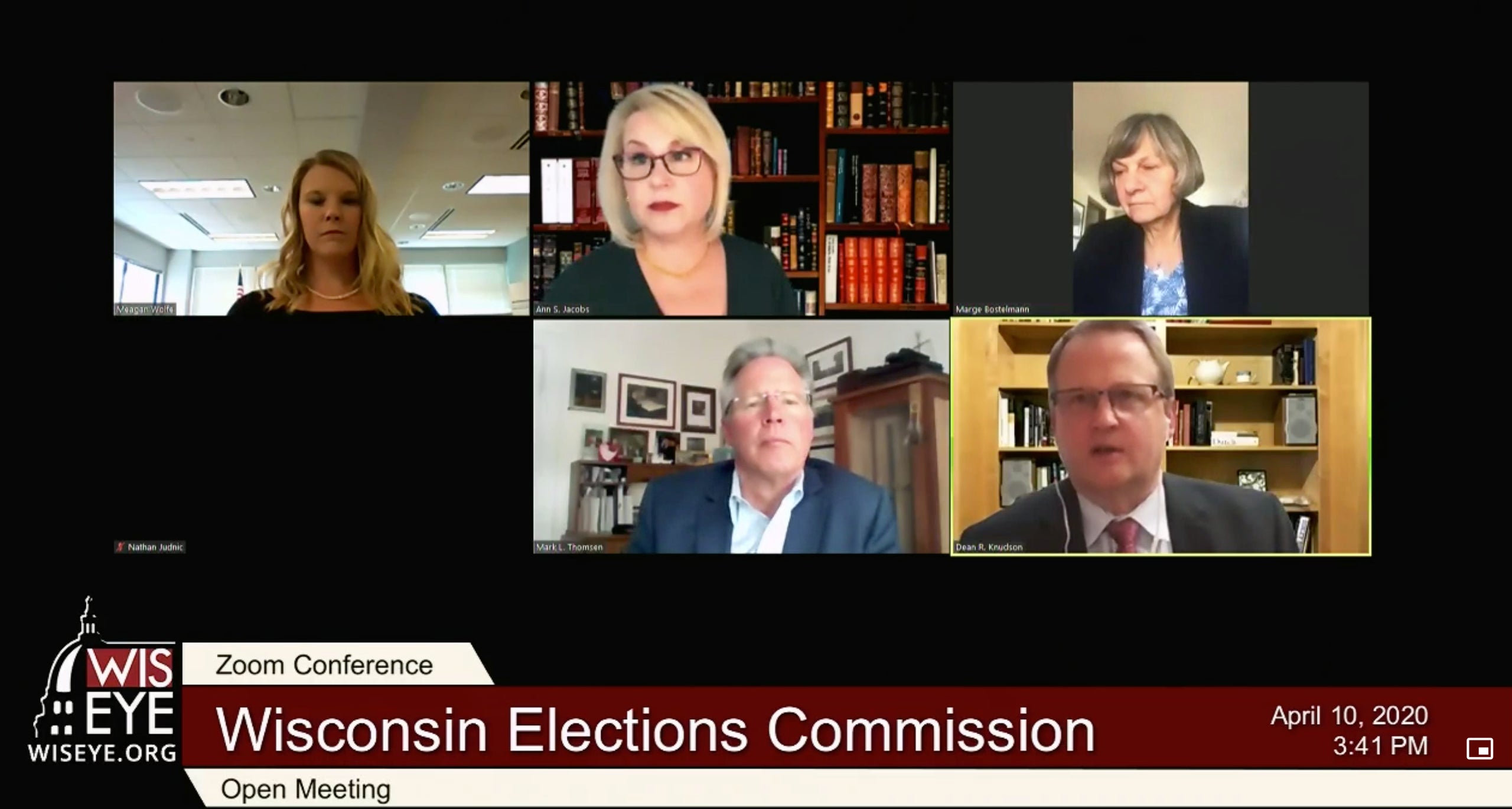
The stricter enforcement of the recording rules comes after WisconsinEye, a nonprofit public affairs network that livestreams coverage of legislative meetings, went offline last month due to lack of funding.
At a press conference last week, Democratic lawmakers argued Republicans scheduled a number of committee meetings knowing they wouldn’t be recorded by WisEye, framing it as an effort to reduce transparency. They also accused Republicans of dragging their feet on trying to find solutions to WisconsinEye going off the air.
Democratic Assembly Minority Leader Greta Neubauer said Republican committee chairs have been preventing the public from recording committee meetings and have denied requests to allow meetings to be recorded.
“We did not see this rule enforced that people could not record in committees previously,” she said. “For some reason, it is now being enforced by the majority party. I think it really does beg the question as to, why are they so intent on not having recordings of what’s going on in committee hearings?”
During a floor session last week, Rep. Lisa Subeck, D-Madison, asked that members be allowed to film the proceedings while WisEye is offline.
“Many of our constituents across the state do not have the convenience that my constituents do of being very near the Capitol, and aren’t able to be here for our floor sessions and committee meetings,” Subeck said.
Her request was denied because of a rule prohibiting the use of two-way radios or cell phones in the Assembly chamber, other than in the offices of the speaker, majority leader, minority leader and in hallways.
When asked about Democrats’ transparency concerns, Republican Assembly Speaker Robin Vos told reporters that Democrats were “out of touch” because they’re “worried about the fact that people have to actually watch the news” to understand what’s happening at the state Capitol.
“I think we have had about 48,000 bills passed before WisconsinEye went into effect, and I think the public was well served by the media reporting on them,” Vos said. “This idea that if some activist is not allowed to record people, that’s not transparent. We’ve got plenty of transparency.”

Transparency group, conservative law firm troubled by recording ban
Bill Lueders, president of the Wisconsin Freedom of Information Council, said there’s far fewer reporters today than when WisconsinEye launched nearly 20 years ago.
In recent years, he said the news industry trend has been toward fewer reporters with fewer resources.
“There is no media organization in Wisconsin that has anywhere near the bandwidth to replicate the function of WisconsinEye,” Lueders said. “WisconsinEye could come in and film up to five hearings or meetings that were happening at the same time.”
He also said it’s “very troubling and unfortunate and, frankly, anti democratic” that the Legislature is denying people the ability to record hearings and floor sessions, especially with WisconsinEye offline.
Rick Esenberg, president of the conservative law firm Wisconsin Institute for Law & Liberty, said he had First Amendment concerns related to the ban on members of the public recording legislative meetings.
Esenberg said the rule represents a blanket prohibition on recording with a series of exceptions for either officials or members of the media.
“The media has first amendment rights, but so does the public,” he said. “Given the number of exemptions here and the blanket nature of the prohibition, I think that there’s some serious constitutional questions. It is quite possible that if the rules were to be challenged in court, that the Legislature would lose.”
WisconsinEye future remains unclear
Democrats and Republicans have both indicated they would like to see WisconsinEye’s broadcasts return.
Vos said he has been a “strong supporter” of WisEye “from the very beginning” and he hopes lawmakers “can find a bipartisan answer.”
Neubauer said Democrats are “open to multiple solutions,” whether that’s bringing WisEye back online or making Capitol coverage a function of state government.
“We’re open to negotiation with our Republican colleagues on this,” she said.
WisconsinEye has launched a GoFundMe campaign with a goal of raising $250,000. As of Friday, the campaign had raised a little more than $13,000.
A statement on WisEye’s website said the $250,000 would meet the network’s first-quarter operations goal and allow it to provide coverage of the 2026 Spring session while network officials continue conversations with the Legislature and governor about long-term solutions.
WisEye President Jon Henkes told WPR in November that he asked the Legislature and governor to remove a matching provision for roughly $10 million in state funding for the network that was included in the most recent state budget.
Henkes did not return phone calls Friday afternoon seeking comment.
Gov. Tony Evers told reporters last week that he was not in favor of removing the matching provision to allow the network to come back on the air because “there has to be some skin in the game.”

Wisconsin Public Radio, © Copyright 2026, Board of Regents of the University of Wisconsin System and Wisconsin Educational Communications Board.