Cori Salchert leaves the Christmas lights on year round.
It’s not to celebrate the holidays, but so an ambulance can easily spot her house any time of year.
“Hearing that an 11-year-old stopped breathing … can be a scary thing for an EMT, so we just lessen the difficulty for finding our home,” Cori said.
News with a little more humanity
WPR’s “Wisconsin Today” newsletter keeps you connected to the state you love without feeling overwhelmed. No paywall. No agenda. No corporate filter.
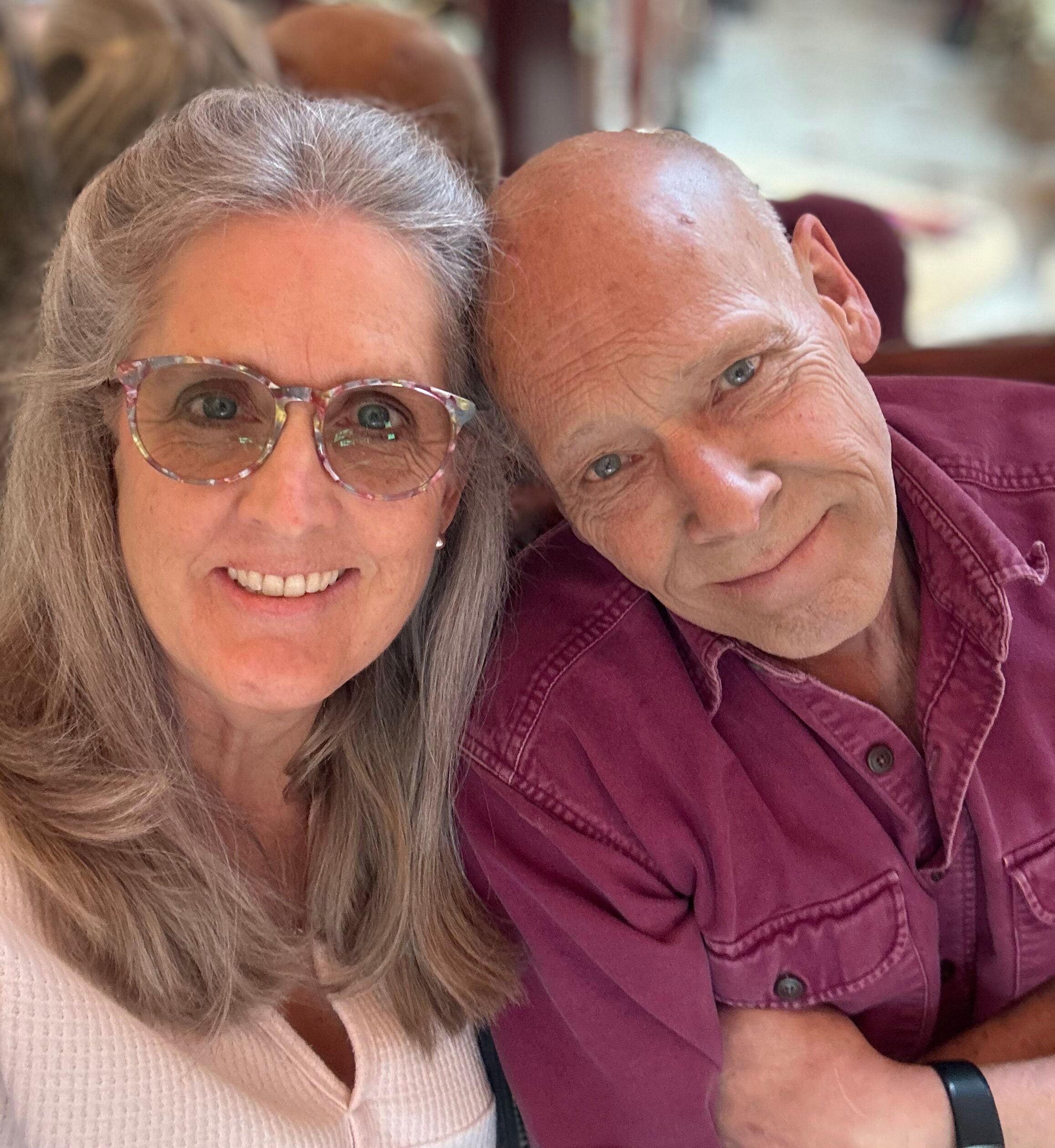
Since 2012, Cori and her husband, Mark, have adopted five children, all with a terminal prognosis — meaning the Salcherts adopt these children knowing their lives will be cut short. They get most of their needs met at the Salchert’s home in Sheboygan, which is equipped with a stairlift and handicap shower.
“Our hope is that our kids are whole and well and that we’re going to see them again, and that they’re going to be able to say, ‘Hey mom,’ or, ‘Hey dad’ — something that they never were able to say while we had them,” she said.
Cori is known as the hospice mom.
She adopts children with complex medical conditions, many from the foster care system.
Children in foster care often have worse medical health than children in the general population. And there are hundreds of kids in foster care with terminal illnesses, according to research published in the National Library of Medicine.
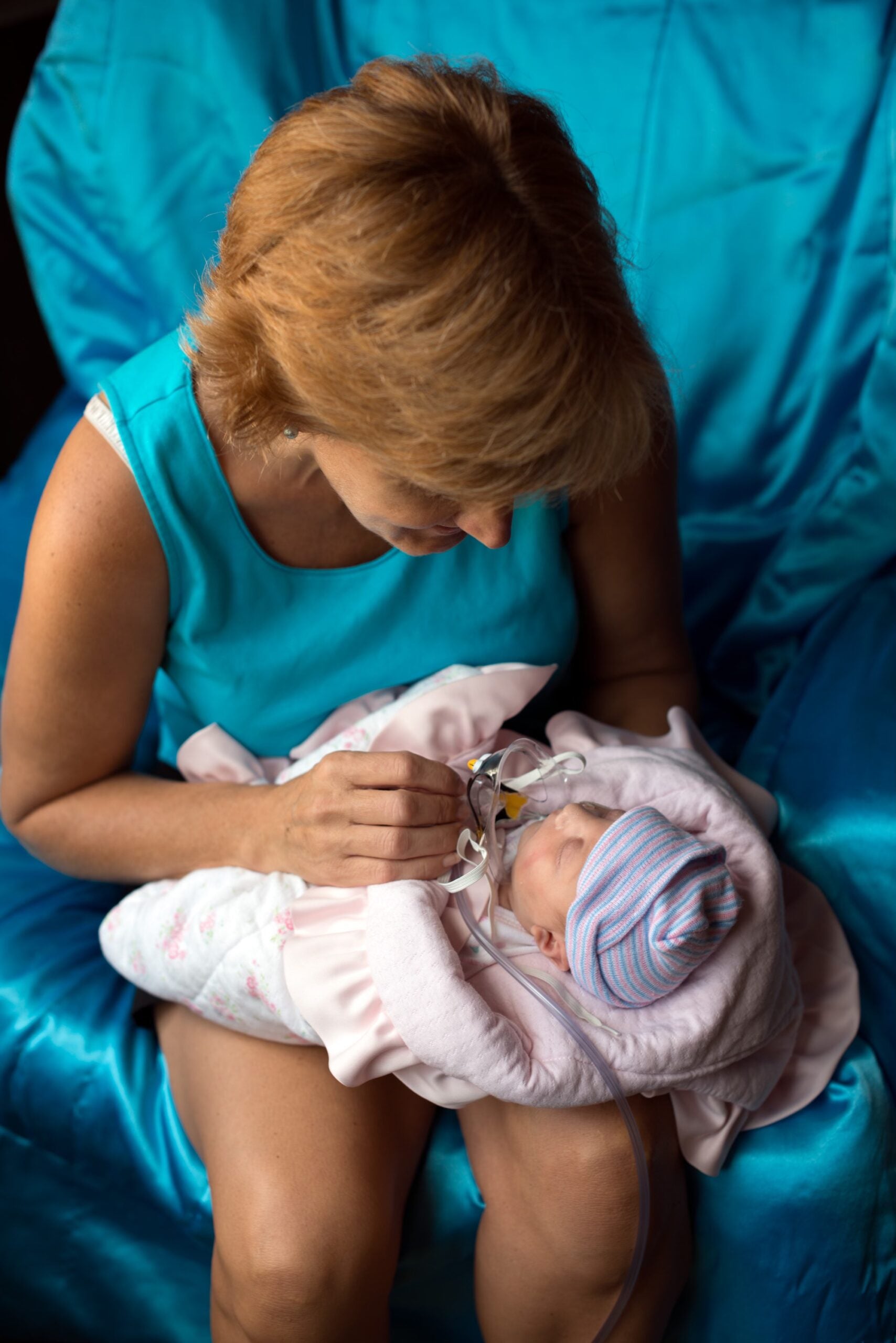
The Salchert’s first adopted child was Emmalynn. She lived with them for 50 days and died in 2012. She had difficulty regulating body temperature, so she spent most of her life bundled in someone’s arms, like she was the moment she died.
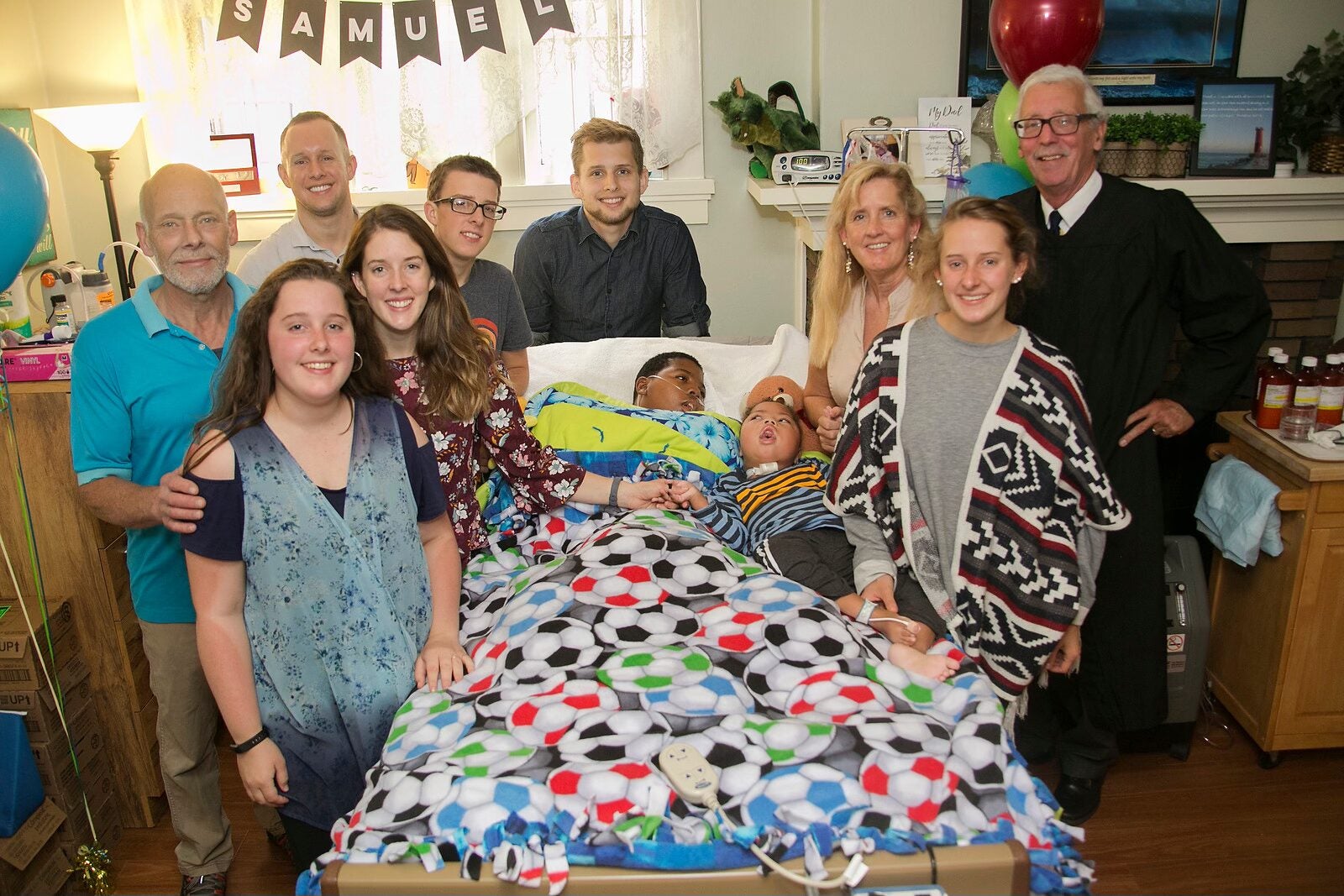
Samuel was adopted at 13. He died two years later from a rare genetic disorder affecting the brain’s white matter.
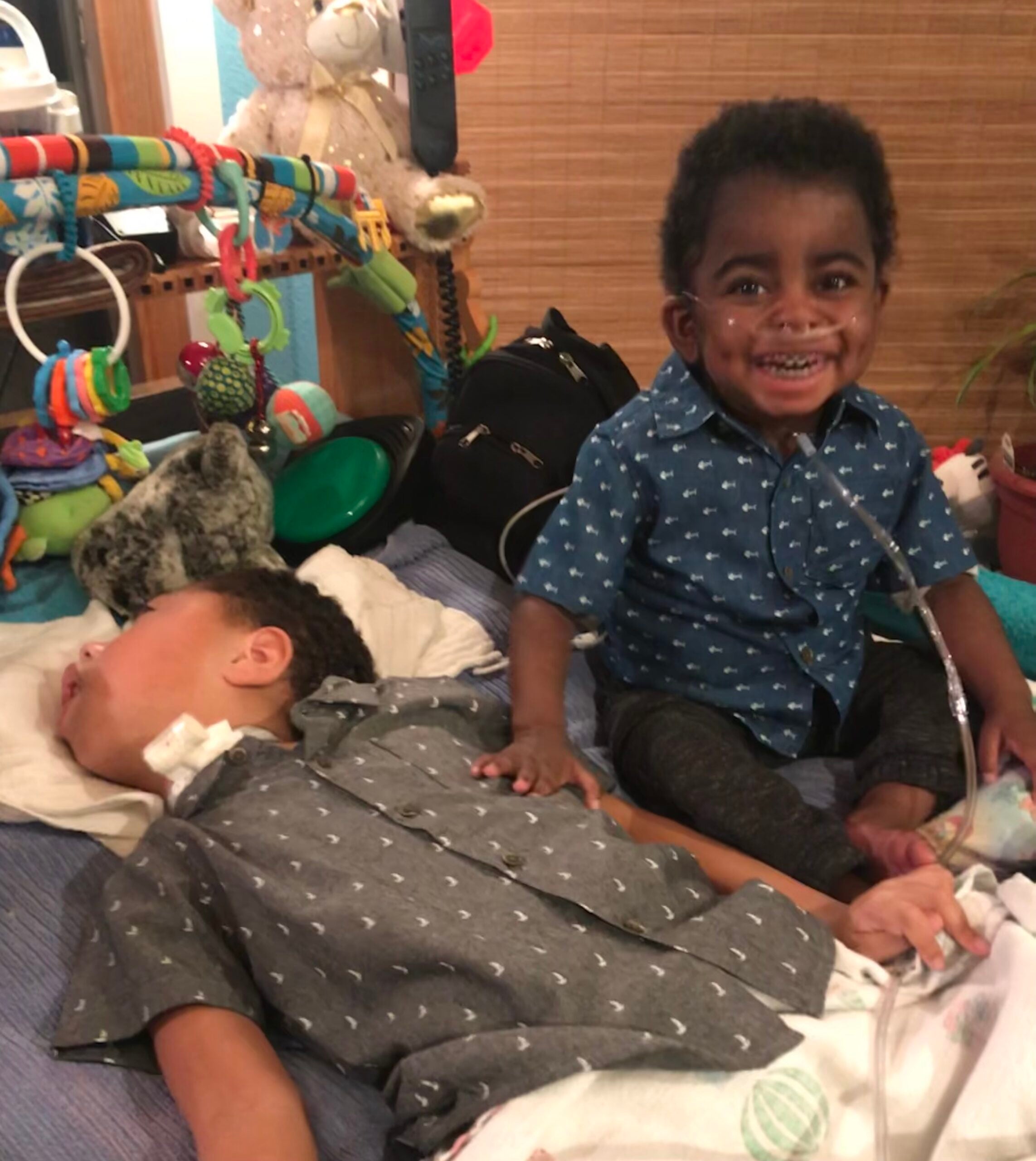
And Nehemiah was just 3 1/2 when he died on Dec. 2, 2021 in the Salchert’s family room. He was lying next to Cori as she sang “Jesus Loves Me.”
“He opened his eyes — he hadn’t done that in about 48 hours — and took his last breath, and he was gone,” Cori said as she showed a photo of Nehemiah. “He woke up in heaven and he will never have to have another surgical procedure.”
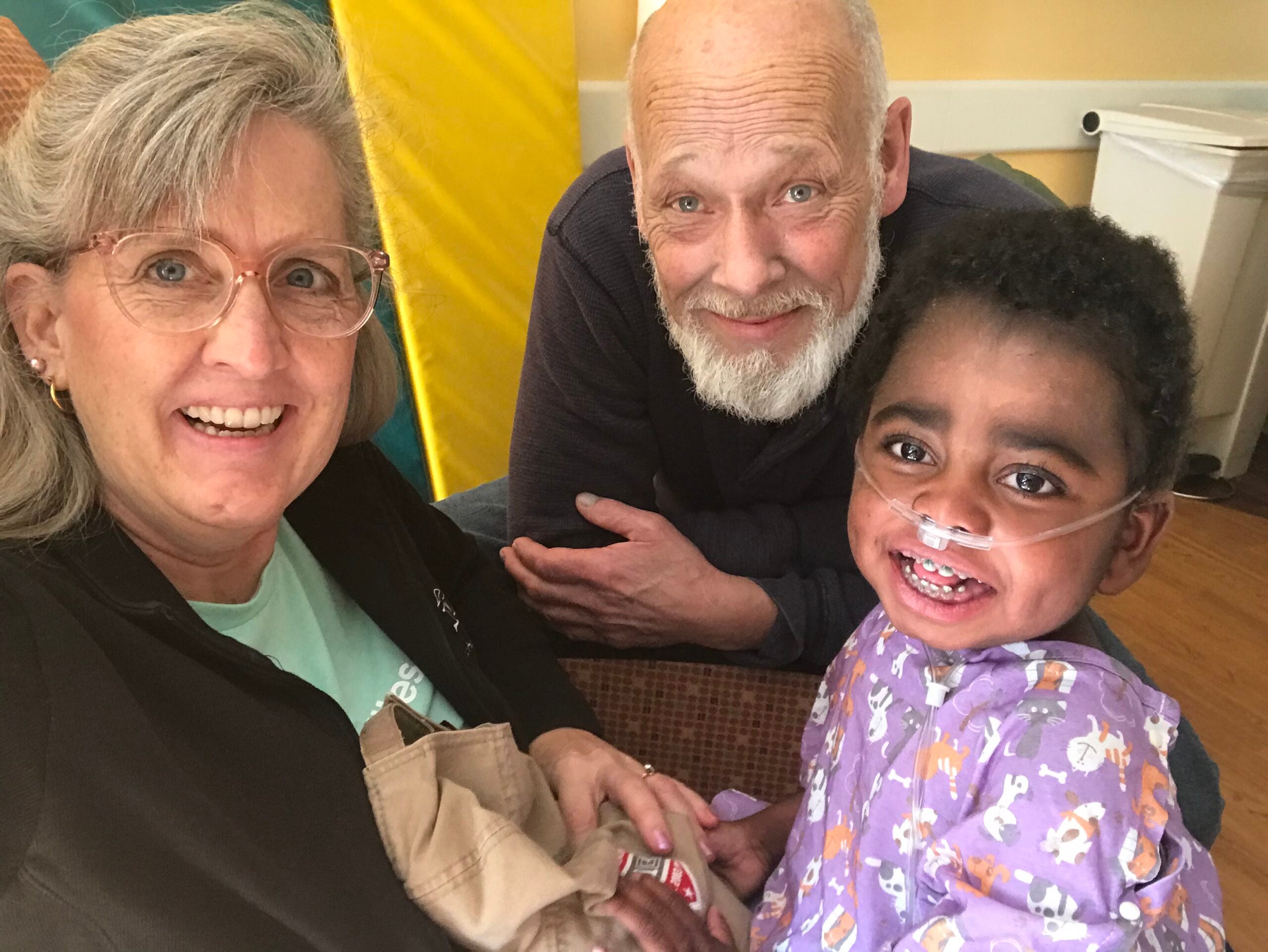
Social workers and doctors close to Cori call her a unicorn. She said that idea of being exceptionally rare often makes her sad, because she wished more people could give dying children a loving place to spend the rest of their lives.
To others, it might seem like a daunting endeavor to continuously lose and grieve children.
“One of our pastors had told us, ‘These kids are going to wreck your life. But they are not going to ruin it. So your heart is never going to recover the same as it was before you had them. And that’s an OK thing,’” she said.
Meeting Charlie and Kassidy
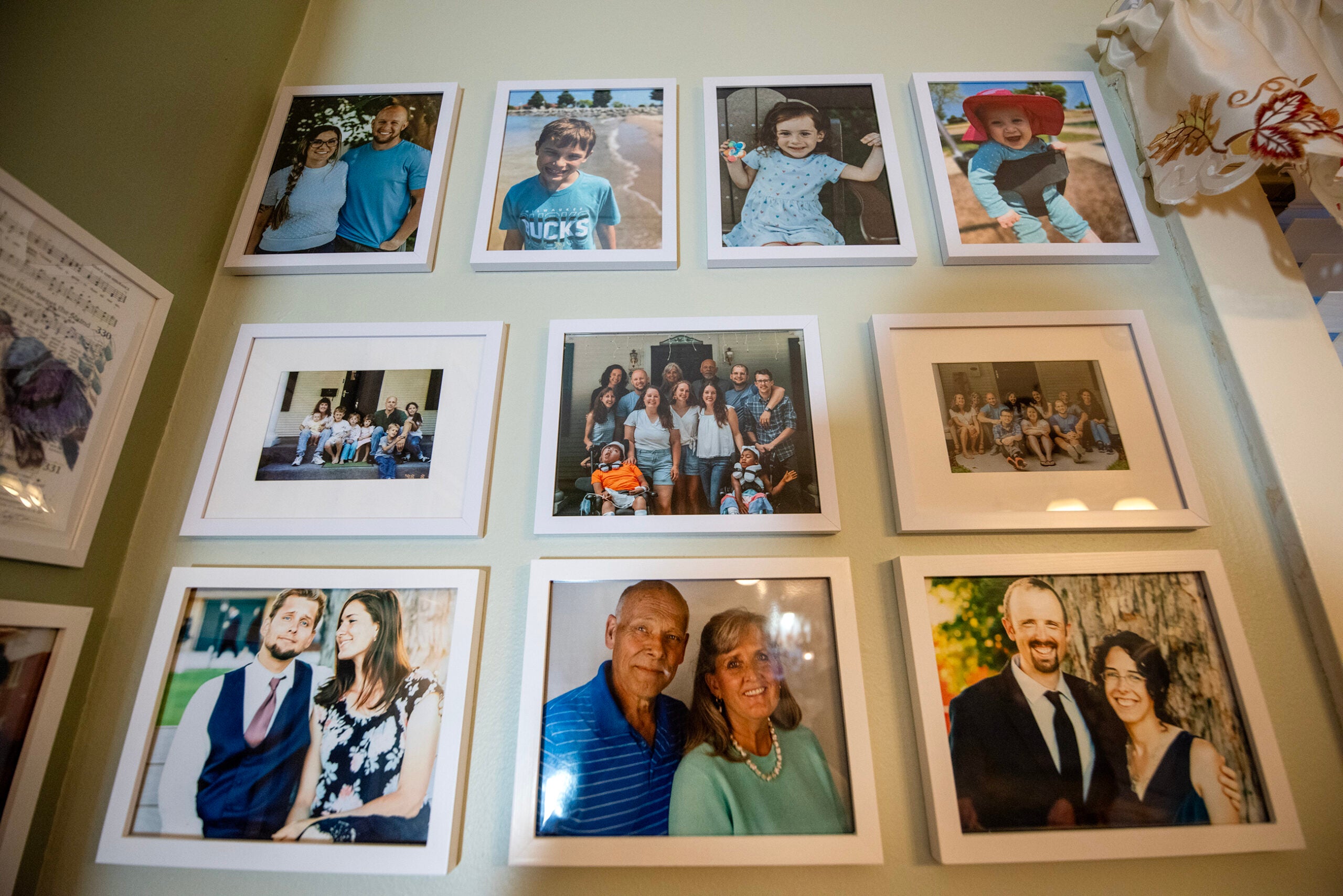
The Salcherts say they have 17 children: five adopted, eight adult biological kids and four fostered children. There is a sign on their front door that reads: “There’s like a lot of kids in here.”
Two of the Salcherts adopted children, Charlie and Kassidy, are home from school recently for the holidays.
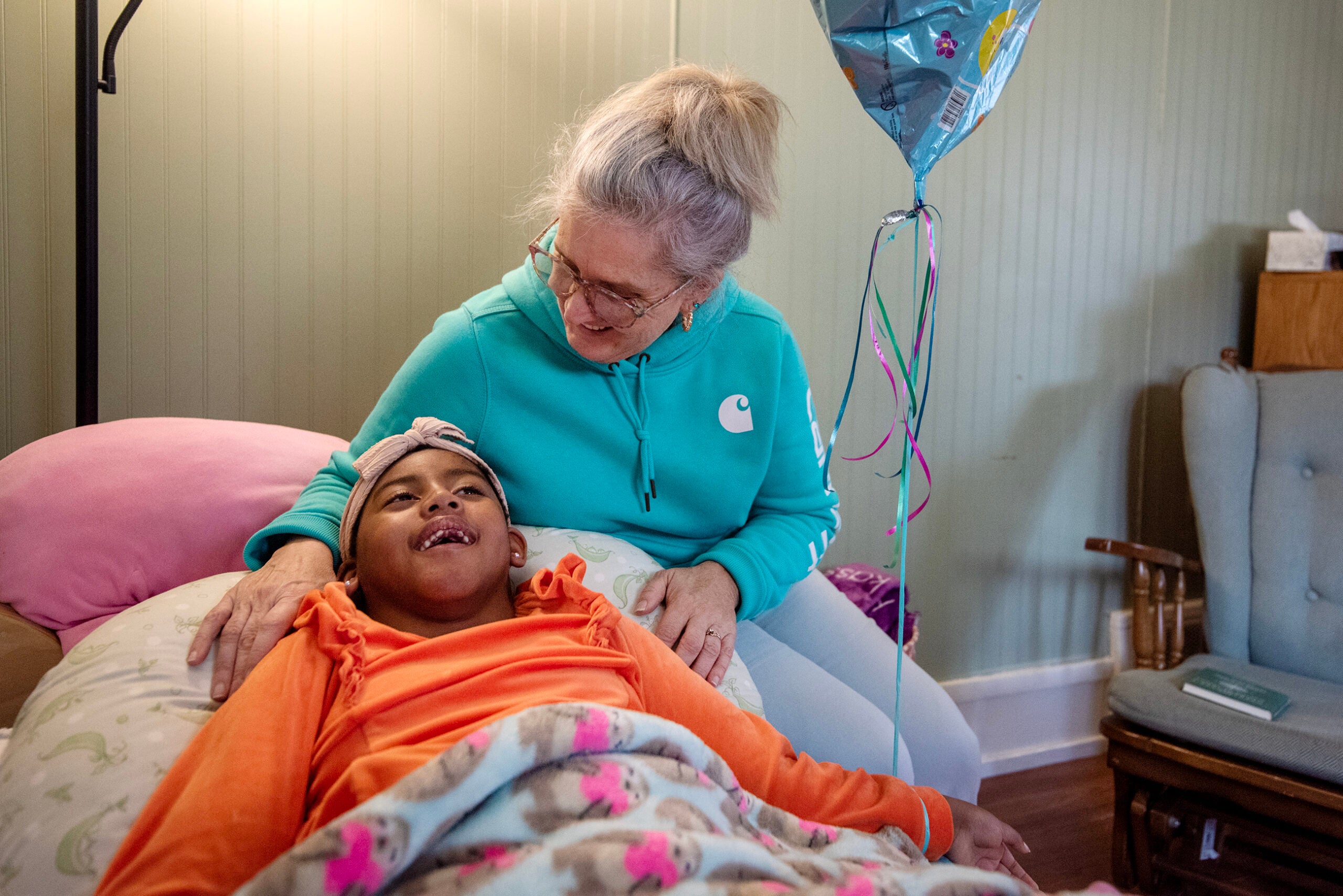
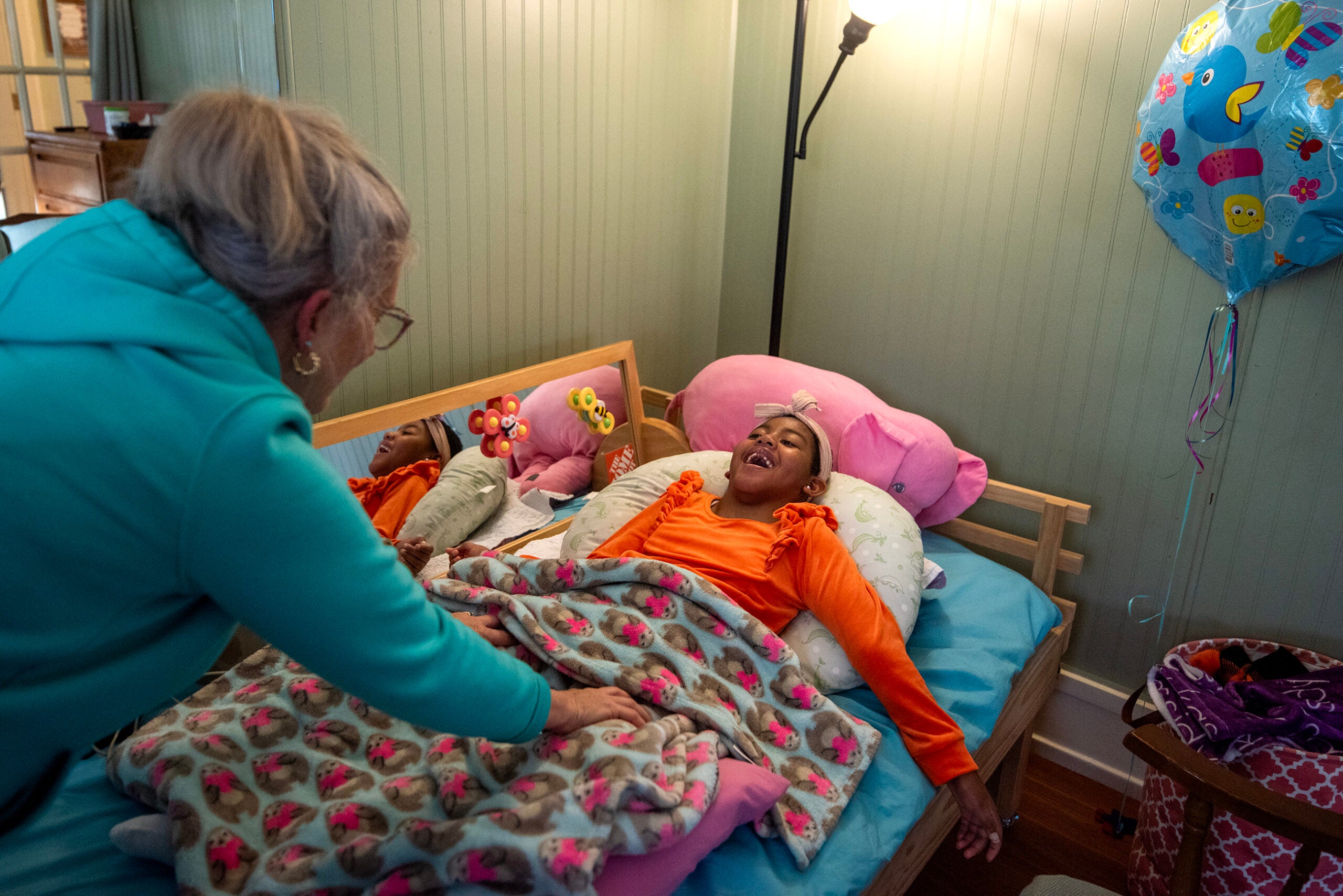
Kassidy is 6. She was born with the umbilical cord wrapped around her neck. She loves balloons and gets a big smile on her face when the family walks into the room.
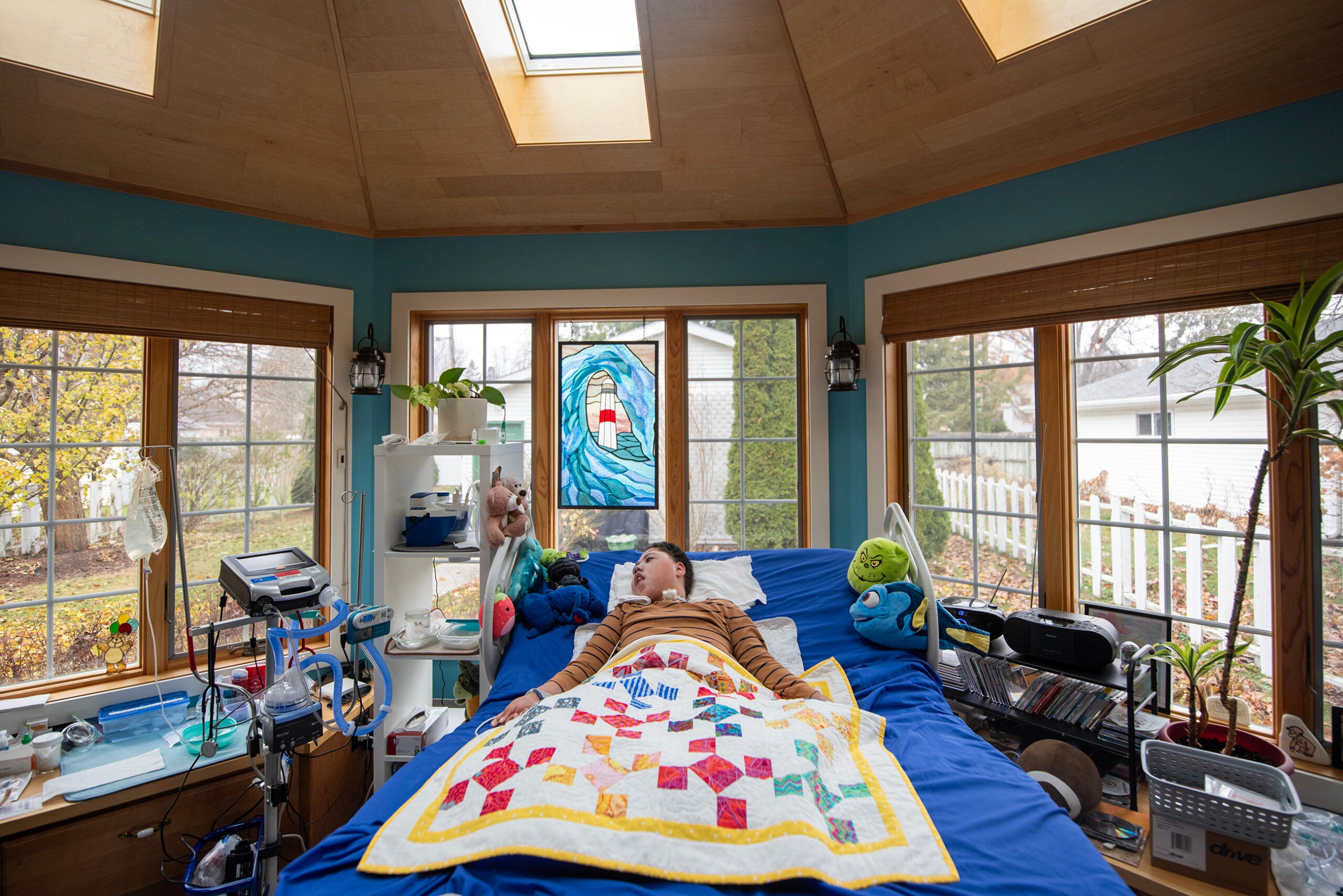
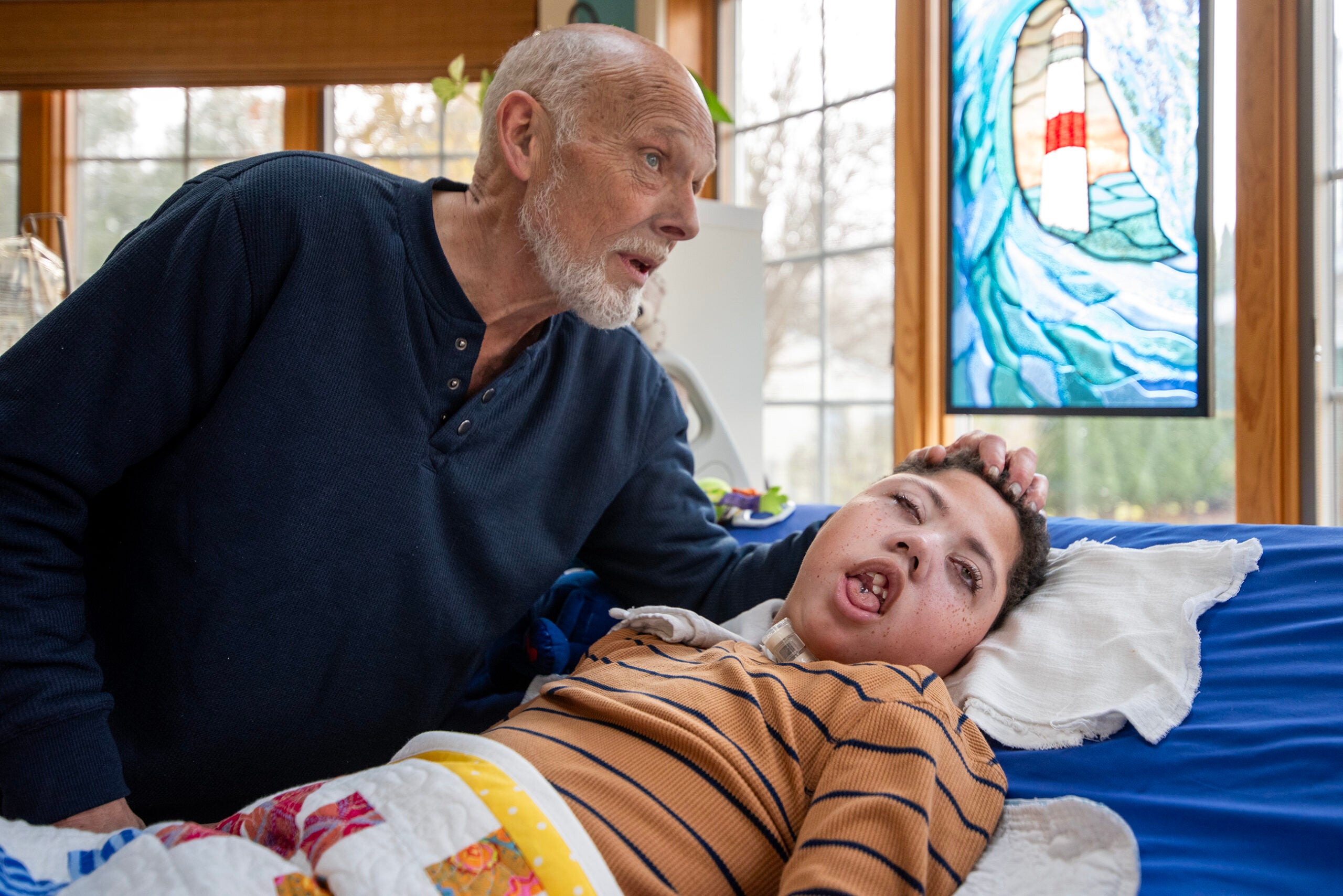
Charlie is 11. He has school awards taped to his wall. One reads: “Ray of Sunshine award presented to Charlie Salchert for making our classroom a better place.” He has Hypoxic-Ischemic Encephalopathy, where his brain was damaged from a lack of oxygen and blood flow.
Providing care for Charlie and Kassidy is a family effort. Their adult children pitch in. One child sleeps in Charlie’s room at night and another helps care for Kassidy.
Charlie’s condition makes him technically deaf and blind. But Cori said there are moments when she’s not so sure.
At school, Charlie has an eye gaze machine which helps him communicate.
He’ll do things like turn up the volume and play music as loud as the machine goes. Cori said teachers have to remind him repeatedly to stop.
“He can be a very naughty 11-year-old in his own way,” she said with a laugh.
Walk a day in their shoes
That day at the Salchert’s home, Kassidy’s biological mother messaged Cori to see how her daughter is doing. Cori gave her an update and reminded her she is always welcome at the house.
Many people ask the Salcherts about the children’s biological parents and the circumstances that led them to give up their parental rights. She usually tells them to walk one day in their shoes.
Kassidy’s biological mother didn’t want to give her daughter up. However, her second daughter was born with a congenital heart defect and she couldn’t care for two children with such complex medical issues.
The biological mother remains in contact and often receives pictures from school and was there when Kassidy got her ears pierced.
“Kassidy’s family has just gotten bigger rather than exclusionary,” Cori said. “She has two moms who love her a lot.”
Cori rejects the notion that she is a “Disney princess mom.” She simply has the ability to care for the children, as well as the special equipment, stairlifts and accessible home that some children need.
And she thinks others have the ability to do it, too.
“We live in the miracle zone,” she said. “If you don’t live in the miracle zone, well, you don’t need miracles.
“But we need them and we’ve seen them.”