In 1929, Wisconsin passed a law that would impound the original birth certificates of adopted children.
Now, nearly a century later, some Wisconsin lawmakers are working to make birth certificates available to adoptees after they turn 18. Republican state Rep. Paul Tittl of Manitowoc helped author the bill.
“Can you imagine going through the world and not knowing anyone you’re related to?” Tittl said on WPR’s “Wisconsin Today.”
News with a little more humanity
WPR’s “Wisconsin Today” newsletter keeps you connected to the state you love without feeling overwhelmed. No paywall. No agenda. No corporate filter.
In early September at a public hearing for the bill, representatives from the State Bar of Wisconsin’s Children and Law Section testified in opposition to the bill. One reason for their opposition was redundancy — they said gaining access to an impounded birth certificate is already possible under current laws.
However, Tittl said, that’s only true under specific circumstances.
“Adult adoptees are able to get a copy of the original, unaltered birth certificate if both birth parents are deceased or both parents have filed a form with the Department of Children and Families granting permission,” Tittl said. “However, if one of the birth parents refuses to grant permission, DCF will not release that birth certificate as long as that person is living.”
The State Bar also cited concerns that the bill would apply retroactively, therefore potentially breaking anonymity that birth parents were given when they gave up their parental rights.
But to adoptee and advocate Diana Higgenbottom Anagnostopoulos, that favors the birth parents’ choices above that of the child.
“Guaranteeing their anonymity was probably a selling point for the birth parents,” Higgenbottom Anagnostopoulos told “Wisconsin Today.” “These birth mothers who were giving up their child were probably afraid. They probably wanted it over. But it’s also a contract that the adoptee didn’t willingly enter into.”
Higgenbottom Anagnostopoulos has publicly told her story at several public hearings over the years, and was the subject of a documentary last year called “Love Differently.”
“I am an adoptee from 1970. My birth mother never disclosed who my father was,” Higgenbottom Anagnostopoulos said. “Fast forward to 2019, after a decades-long battle, DNA tests helped me discover who my father actually was. He passed away just a few years before I got to him — without knowing that he gave life to me.”
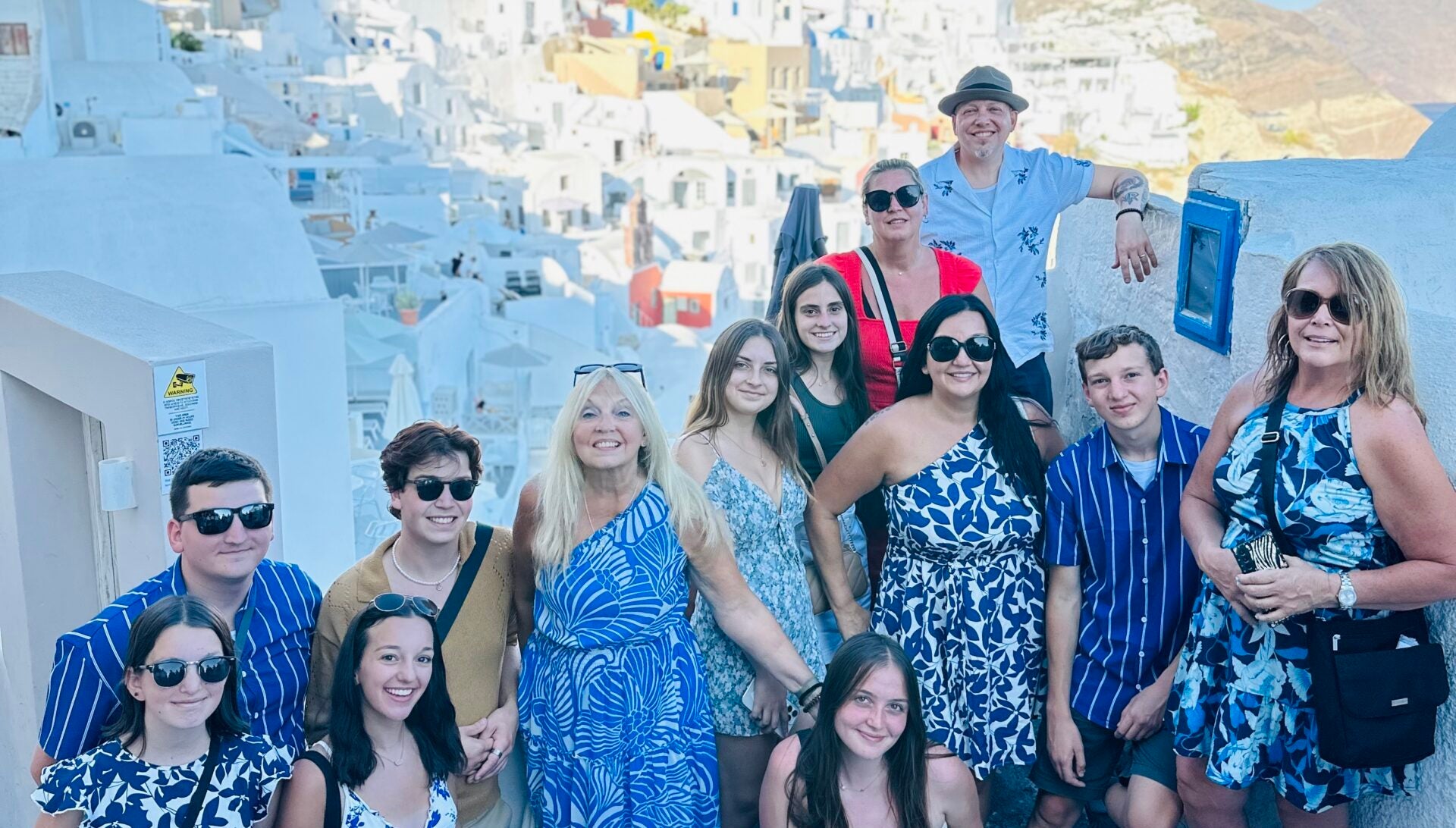
Although Higgenbottom Anagnostopoulos was never able to meet her father, she was able to reconnect with his side of the family.
“I discovered that I had a big Greek family,” she said. “I had siblings. His widow welcomed me, and she has since legally adopted me back into the family that I was supposed to be in. Her first words to me were, ‘If your dad would have known you existed, he would have raised you, and I would have helped him.’”
On “Wisconsin Today,” Higgenbottom Anagnostopoulos shared more about her personal experience as an adoptee, what it was like adopting a child herself and the obstacles that arise for adoptees if they don’t have access to their records.
The following was edited for clarity and brevity.
Rob Ferrett: Can you talk about your relationship with your biological family now and what that’s meant to you?
Diana Higgenbottom Anagnostopoulos: It means everything. It has completely changed my life. I was adopted into a home where the two parents were divorced by the time I was two, and it wasn’t such a pretty childhood. So to find a big Greek family, it felt like I found people that love like I do. I was taught my culture and where I came from. It affected me so much that I uprooted and bought a home near them.
I don’t have a relationship with my birth mother and her side, but I completely accept that. That is her decision. She doesn’t want to meet. I have no choice but to respect that, so I’m grateful for the other side that I have. They fill me up with love and the fuel to keep advocating for adoptees. No matter how the story ends, the story is ours. Maybe it isn’t about those beginnings — it is a way for us to put closure on something as well.
RF: Why is this bill important to you and the people you’re advocating for?
DHA: The emotional importance is to know the culture you came from. Also really important would be medical information, because they’re not even legally required to give us that unless the birth mother agrees to it.
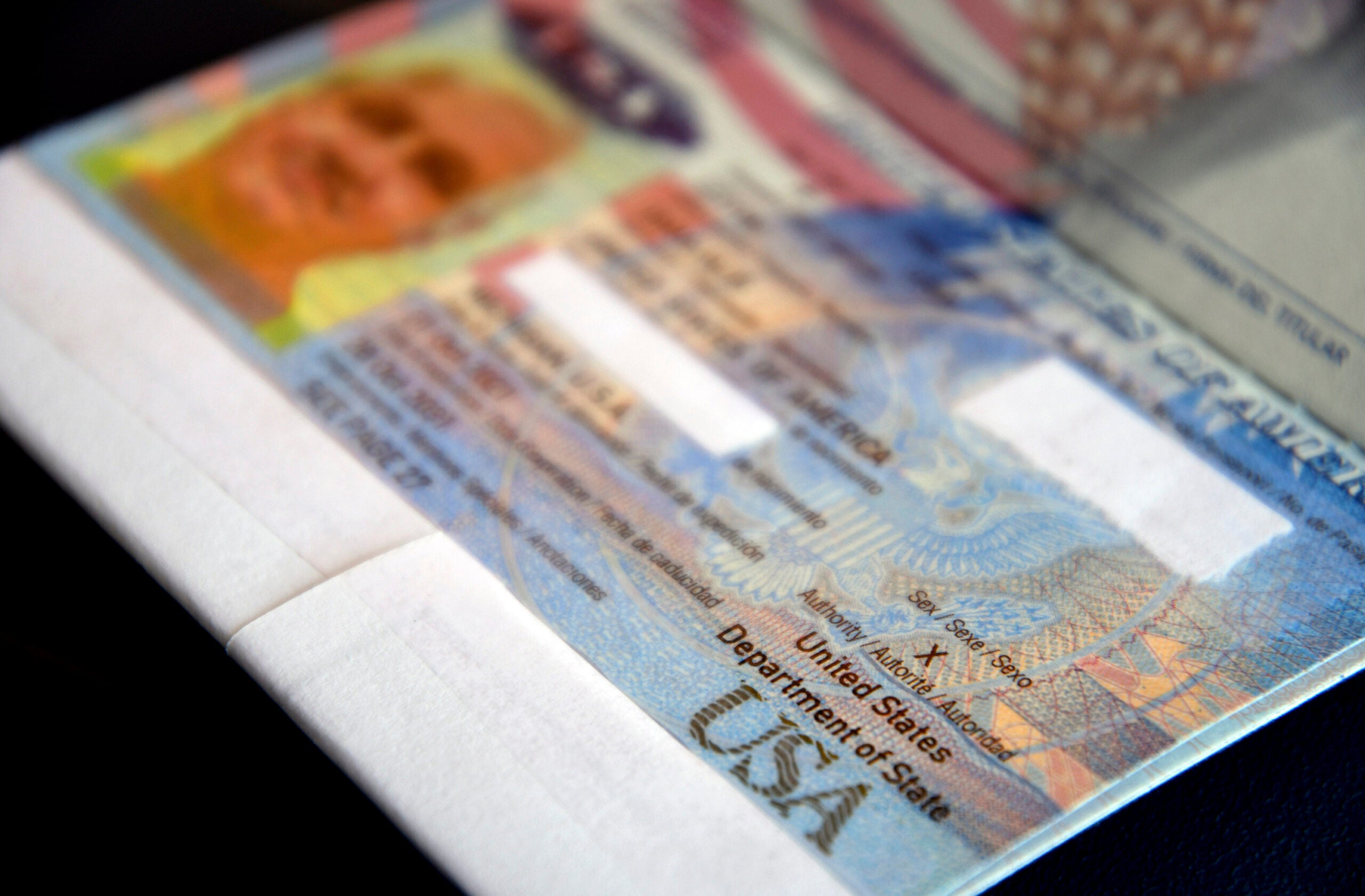
And then the other most important thing that is affecting some adoptees today is the REAL ID. I have heard firsthand from some adoptees that are having a problem getting a REAL ID from the motor vehicle department.
It’s a piece of our story, a piece of our culture, our medical history, our identification as a citizen here in the state and in this country, so it’s very important.
RF: It seems, at least from my experience as an adoptive parent, the stigma around adoption has changed a lot. Do you see more openness about adoption since 1970 when you were adopted?
DHA: Absolutely, 2025 is completely different from 1970. In fact, speaking to some of the state programs about adoption: I’m an adoptee, and I also adopted a child. I have a daughter that I adopted, and I make sure that my daughter knows everything she can. She even has a relationship with her biological mom, because I’m not insecure, and I know it’s about her well being, not mine. It’s about my daughter building healthy relationships, not my insecurities or my ego. It is 100 percent about the adopted child.