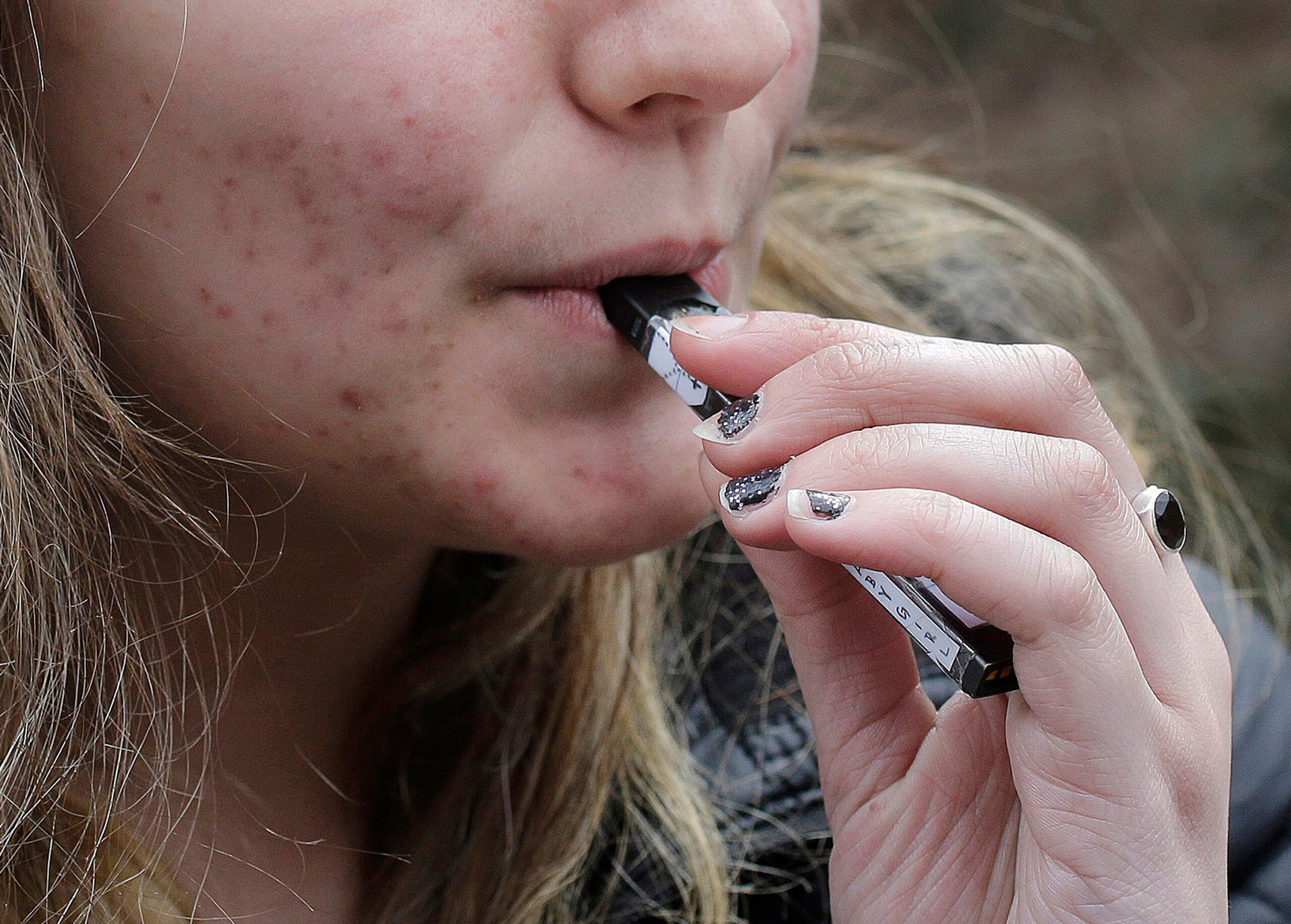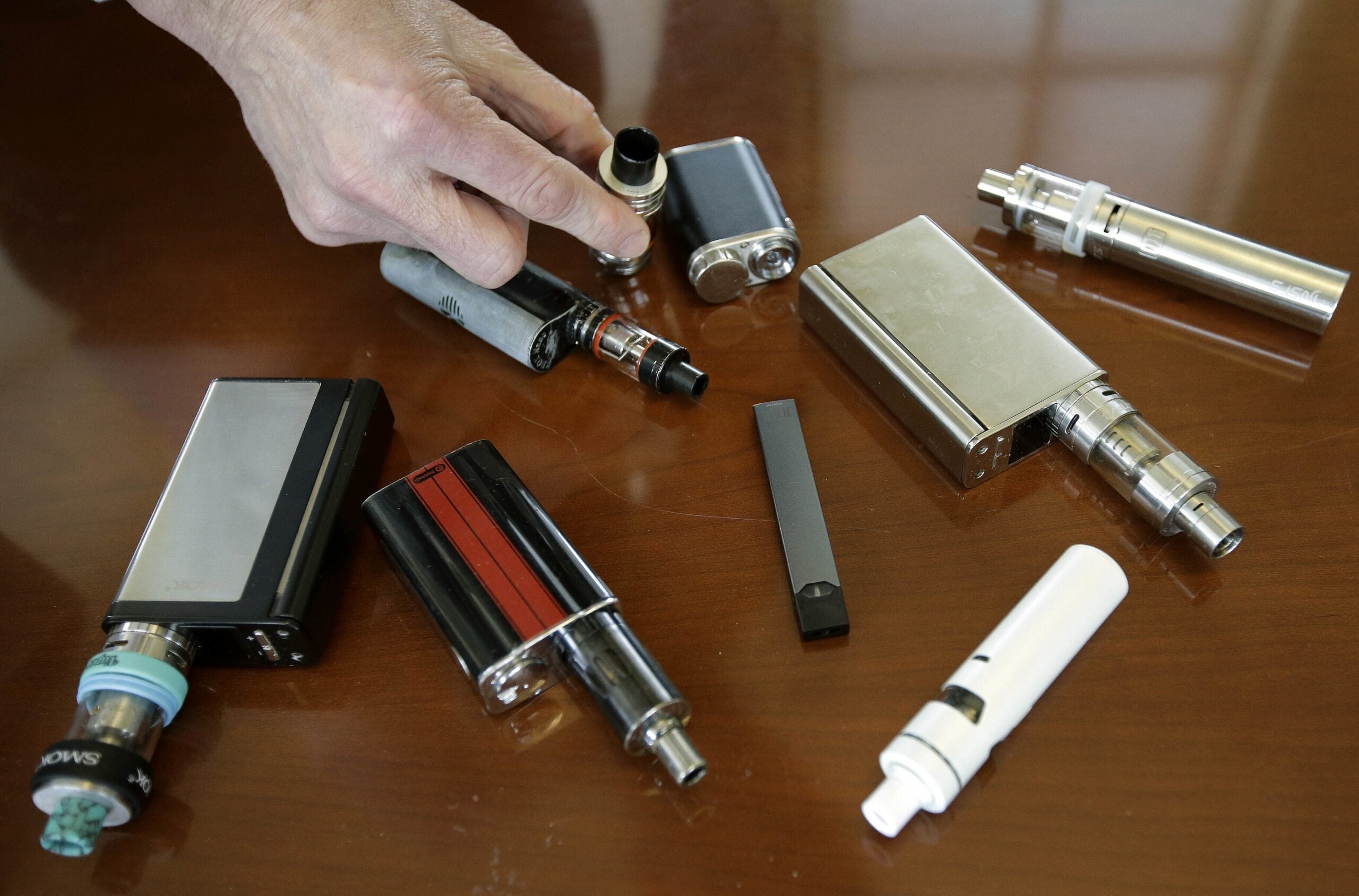

Wisconsin lawmakers are still not doing enough to reduce tobacco use among state residents, according to a recent report from the American Lung Association.
The association releases a review on tobacco control across the country each year. Wisconsin consistently receives failing grades.
Tobacco use is Wisconsin’s and the country’s leading cause of preventable death and disease.
News with a little more humanity
WPR’s “Wisconsin Today” newsletter keeps you connected to the state you love without feeling overwhelmed. No paywall. No agenda. No corporate filter.
It kills nearly 8,000 residents in the state each year. The report called on elected officials to raise Wisconsin’s legal age of sale for tobacco products to 21, protect the state smoke free air law and create tax parity between electronic and regular cigarettes.
State tobacco control programs have just under $9 million in funding for fiscal year 2026. That’s less than 16 percent of the state spending recommended by the Centers for Disease Control, according to the report.
Molly Collins is the American Lung Association’s director of advocacy for Wisconsin.
“The report card grades our policymakers on sort of if they’re implementing policies that have been proven to prevent or reduce tobacco use and save lives,” Collins said. “So Wisconsin, we’re probably grounded.”
Collins said the state needs to invest in programs that are “proven to stop” people from starting to use tobacco products.
“The things that we can do are help people get counseling, get support, receive nicotine replacement therapy. All of those things make it easier for folks to quit when they’re ready,” Collins said.
Wisconsin is one of few states that still has a legal sales age of 18.
A 2019 federal law raised the minimum age required to purchase tobacco products from 18 to 21 years old. The Food and Drug Administration can fine shops that sell to those under 21 as federal law trumps state legislation. But it can cause confusion for local authorities in Wisconsin who cannot enforce federal law.
There are bills pending in the state Senate and Assembly that would, if approved, raise the legal age to 21.
Wisconsin high schoolers are using tobacco at a higher rate than their peers on average nationwide. Most people who use nicotine products start before 21.
Kate Kobinsky is the coordinator of the Wisconsin Tobacco Quit Line. It’s a free service for Wisconsinites over 12 who want to stop using tobacco or nicotine.
“With the quit line, through the coaching and medications, they can triple the chance that they will quit for good,” Kobinsky said.
The organization normally offers a two-week starter kit for nicotine replacement therapy, or NRT — including patches, gum or lozenges. Thanks to recent funding from the Wisconsin Department of Health Services, the quit line extended its starter kit services while supplies last.
“So for a limited time, we’re able to offer this enhanced NRT benefit of eight weeks of free medications,” Kobinsky said.

Wisconsin Public Radio, © Copyright 2026, Board of Regents of the University of Wisconsin System and Wisconsin Educational Communications Board.