An official with the Wisconsin Department of Natural Resources urges campers and others to be prepared for severe storms or flooding when staying outdoors in state parks.
In Central Texas, more than 130 people have been killed and more than 160 people remain unaccounted for after floods wreaked havoc on the area July 4, according to NBC News. Many of the victims were in outdoor campsites when flood waters hit.
Missy VanLanduyt is recreation partnerships section chief for the Wisconsin DNR. She told WPR’s “Wisconsin Today” that the department urges people in Wisconsin’s park system to exercise caution when spending time outdoors — as the parks’ 500 staffers have limited ability to warn the 15,000 campers that can fill sites around the state.
News with a little more humanity
WPR’s “Wisconsin Today” newsletter keeps you connected to the state you love without feeling overwhelmed. No paywall. No agenda. No corporate filter.
“We don’t have the capacity to go around and warn everyone, and sometimes these incidents happen during times of day when there aren’t staff on the property,” VanLanduyt said. “That’s why it’s incredibly important for people to be prepared and to know what the forecast is indicating.”
VanLanduyt told “Wisconsin Today” what people in Wisconsin’s park systems can do to prepare in case weather takes a turn for the worst.
The following was edited for clarity and brevity.
Kate Archer Kent: The DNR has urged people outdoors to be “weather aware.” What can visitors to the state’s park system do to be weather aware?
Missy VanLanduyt: We always remind our visitors to have a weather radio, primarily because we have a lot of properties that don’t have great cell service. That’s one of the best ways that you can be prepared is to have a weather radio with you.
We always remind people to not only bring sunscreen and insect repellent, but we remind people to have adequate and safe footwear and to dress in layers and to know where their surroundings are. And in addition to that, tell people where they’re going, so that if there is a weather event or other type of event, you have safety measures in place whether you’re out for a hike alone or you’re camping alone or with your family, so that people know where you are if you can’t get in touch with others.
KAK: Are there particular state parks that are more at risk for dangerous flooding?
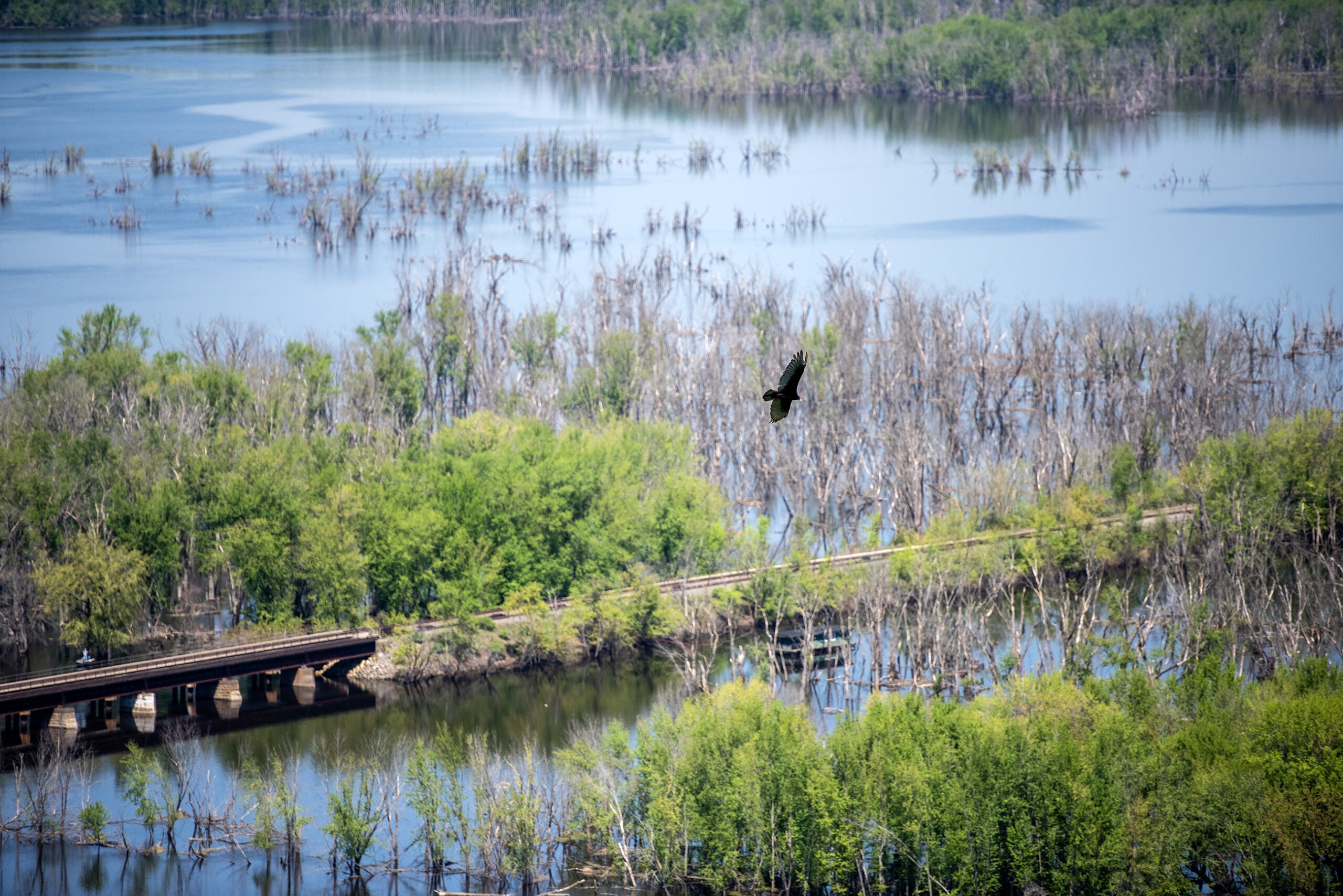
MV: It’s something that’s so hard to predict. We do have a number of campsites that are along the water. We do routinely deal with flooding at Merrick State Park. Now that doesn’t tend to be really “flash-y” … where it’s a really fast rise and a really fast fall. Because of the backwaters of the Mississippi [River], we do have campsites that are pretty much closed every spring at Merrick State Park.
We always remind people that our meteorologists in the country can predict the weather the best they can, but you just never know how things will perform.
KAK: The DNR has grappled with a backlog of maintenance projects for years. Last year, that number exceeded $1 billion on state properties. If a natural disaster strikes a state park, could the ongoing maintenance backlog present further risks and challenges?
MV: A natural disaster hits us two-fold because we’re a self-funded system. We rely solely on admission and camping. When we have to address a natural disaster, that’s not something that we’re able to budget for. If our staff are cleaning up — even most recently with rains and storms, we always have downed trees. We always have washouts, minor in most cases, but that is not something that we are able to budget for in excess, and so it hits our operating budget during that time.
On the other side of things, when we do have major damage to buildings or infrastructure like dams or bridges or culverts, that certainly does add to our backlog. And then we need to defer other projects in order to address these things. The Pattison [State Park] dam is a really great example. That one was damaged in 2017, and we’re still in the process of finishing up the design on that and getting it replaced. And so it does certainly affect and delay our ability to complete property operations and to address that backlog across the state.
Editor’s note: This story was updated Tuesday to correct the name of a dam. It is a dam at Pattison State Park.