On Veterans Day, as Wisconsin honors the more than 360,000 veterans across the state, former service members now working in the state Capitol say support for veterans is needed more than ever.
While speaking to “Wisconsin Today,” state Rep. Benjamin Franklin, R-De Pere, and Rep. Angelito Tenorio, D-West Allis, agreed that veterans’ needs should go beyond partisan politics.
Franklin, who served most of his adult life in the U.S. Air Force, is the vice chair on the Assembly Committee on Military and Veterans Affairs and has authored legislation to fund veterans housing support and co-sponsored Democratic legislation as well.
News with a little more humanity
WPR’s “Wisconsin Today” newsletter keeps you connected to the state you love without feeling overwhelmed. No paywall. No agenda. No corporate filter.
“I do not want to use veterans as political footballs,” he said. “I don’t care if it’s a Democrat-authored bill. I don’t care if it’s a Republican-authored bill. A good bill is a good bill.”
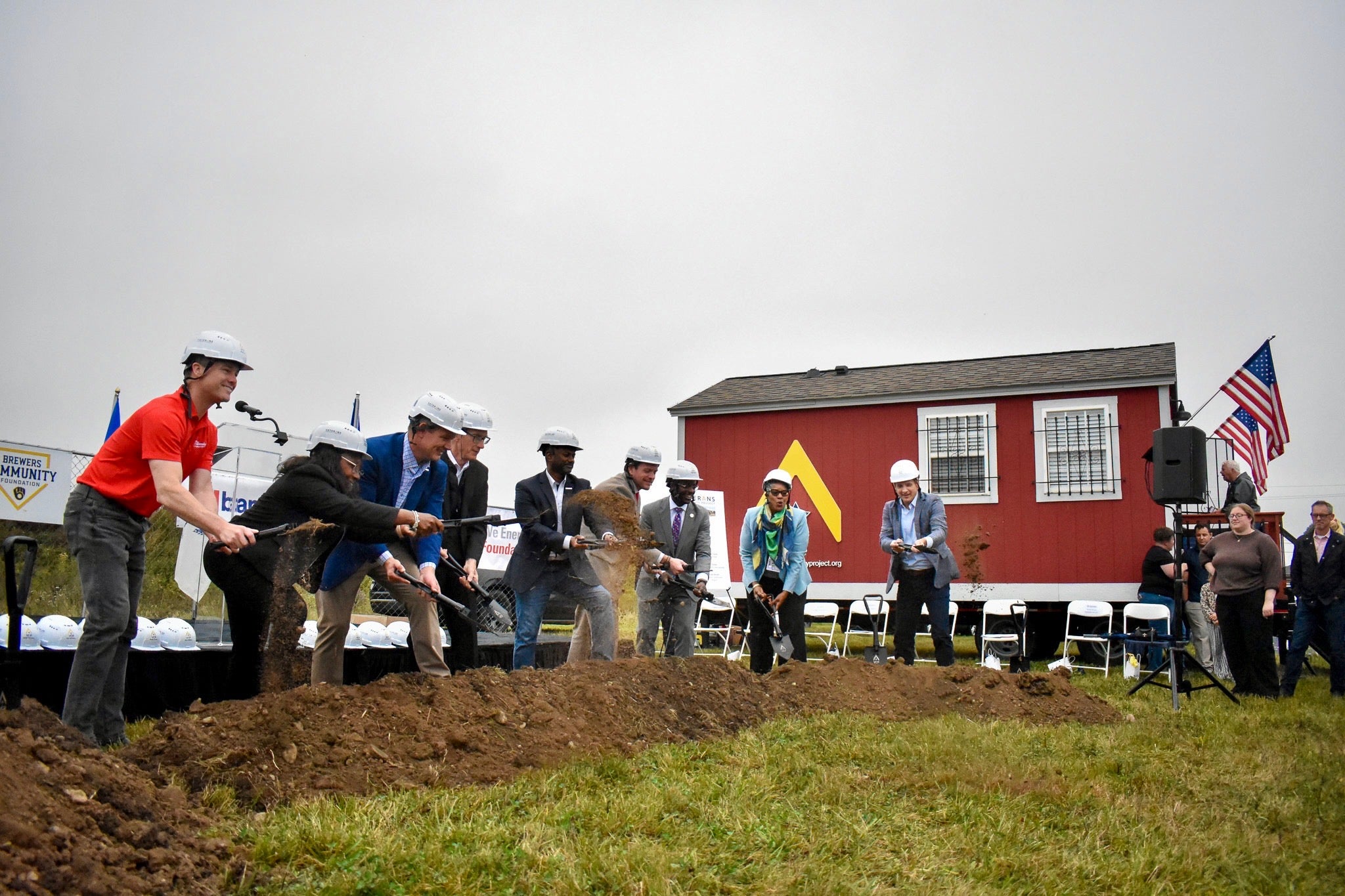
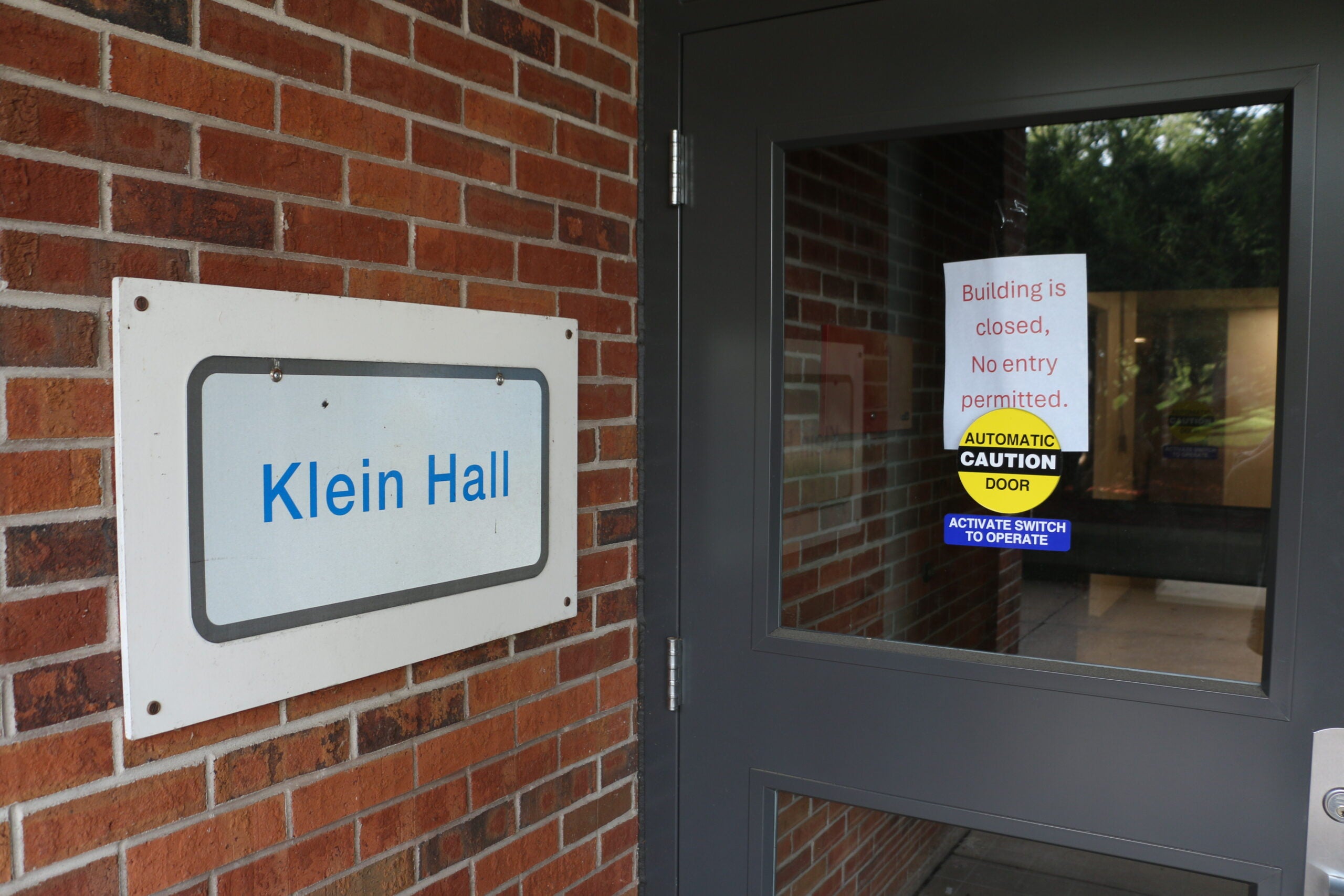
The legislation is in response to the September closure of facilities for homeless veterans in Chippewa Falls and Green Bay. The facilities provided veteran support for transitional housing, job training and substance abuse counseling. After closing, roughly 40 veterans had to relocate, some out of state.
The Republican-led Joint Finance Committee pulled $1.95 million in proposed funding for the The Veterans Housing and Recovery Program, which funds the facilities, from the current state budget.
The Veterans Administration estimates that in January 2024 more than 32,000 veterans were experiencing homelessness nationwide, including 351 in Wisconsin.
At least four different pieces of legislation have been introduced to address housing for veterans.
In total, there are 12 bills related to veterans that lawmakers are considering. The bills address issues related to mental health, substance use and tax credits. None have made it to Gov. Tony Evers’ desk.
Tenorio, who served in the Wisconsin National Guard from 2015 to 2018, has co-sponsored bills for mental health and substance use support.
In the fiscal year 2018, more than 1.7 million veterans received treatment at a mental health specialty program.
“(The Committee) is a place where we can have bipartisanship because veterans, they’ve served our country, they’ve put their lives on the line, and their families too, and it’s really important that we honor the contract,” Tenorio said.