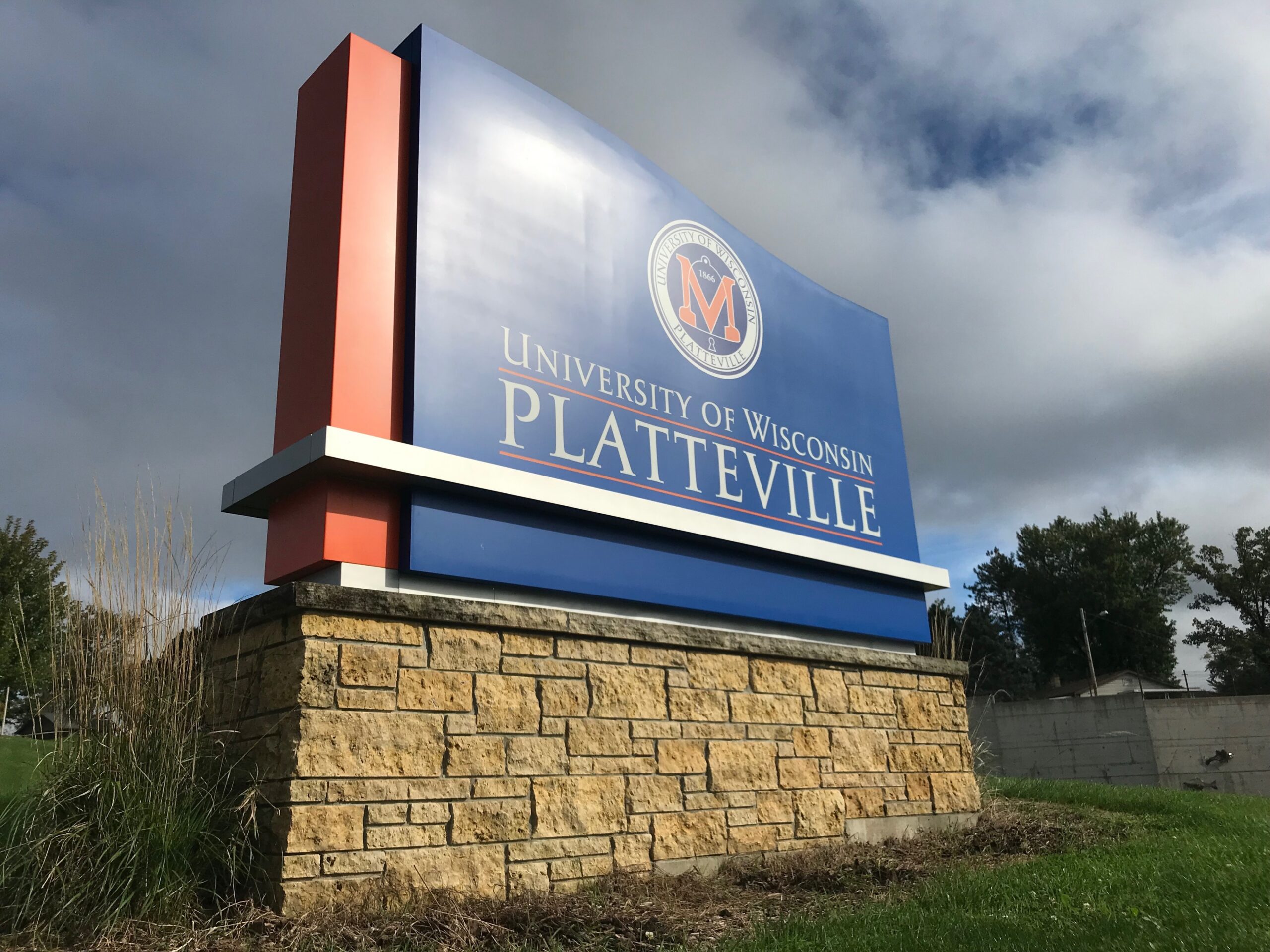
This month, continuing education students at the University of Wisconsin-Platteville began online classes in cannabis education.
Students will learn about cultivation, compliance and safe usage of marijuana. The online programs — created in partnership with the California-based education firm, Green Flower — are centered “on closing the skills gap in a regulated and growing industry,” according to a news release.
But what does this certificate program mean in Wisconsin where marijuana is illegal? And how could it impact the state’s workforce?
News with a little more humanity
WPR’s “Wisconsin Today” newsletter keeps you connected to the state you love without feeling overwhelmed. No paywall. No agenda. No corporate filter.
“It’s not promoting cannabis, it’s promoting the education behind it,” Erin Withrow, program manager with the Continuing Education Institute at UW-Platteville said on WPR’s “Wisconsin Today.”
She said the skills from this program can be used in a number of industries including healthcare, entrepreneurship and farming. UW-Platteville is located fewer than 20 miles from the Illinois border where marijuana is legal and so students from Illinois and Iowa often enroll.
WPR spoke with Max Simon, the CEO of Green Flower, who said cannabis is one of the fastest growing industries in the U.S. Some reports show that jobs in cannabis have more than tripled between 2017 and 2022.
The following conversation has been edited for clarity and brevity.
Kate Archer Kent: You’ve been offering these types of courses for over a decade now. Wisconsin is the only state where you offer classes where marijuana is illegal, both recreational and medicinal. Do you have to adjust the material for Wisconsin students?
Max Simon: When I started offering these cannabis education programs there were four states in the United States with legalization and now most of the country is legalized in one form or another.
The reason I say that is because we’re very acutely aware of the fact that places like Wisconsin are still in a prohibitionist state of operations. But it doesn’t mean that it can’t change very quickly.
So our attitude has been that we want to be in all the states because whether it’s a cannabis education program or it’s covering the hemp sector, there is a lot of need and desire and demand for people to get involved in this industry, whether it’s right now or in the coming future.
KAK: These are online classes so there isn’t a hands-on learning component. What are the classes like?
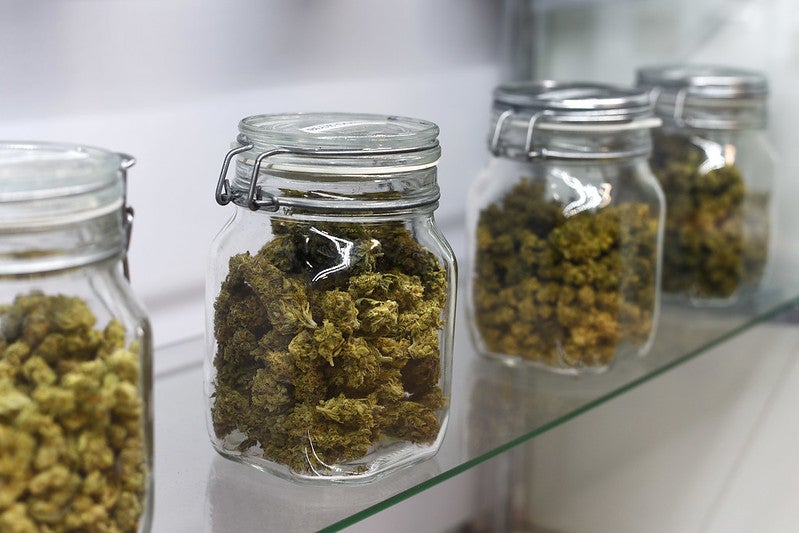
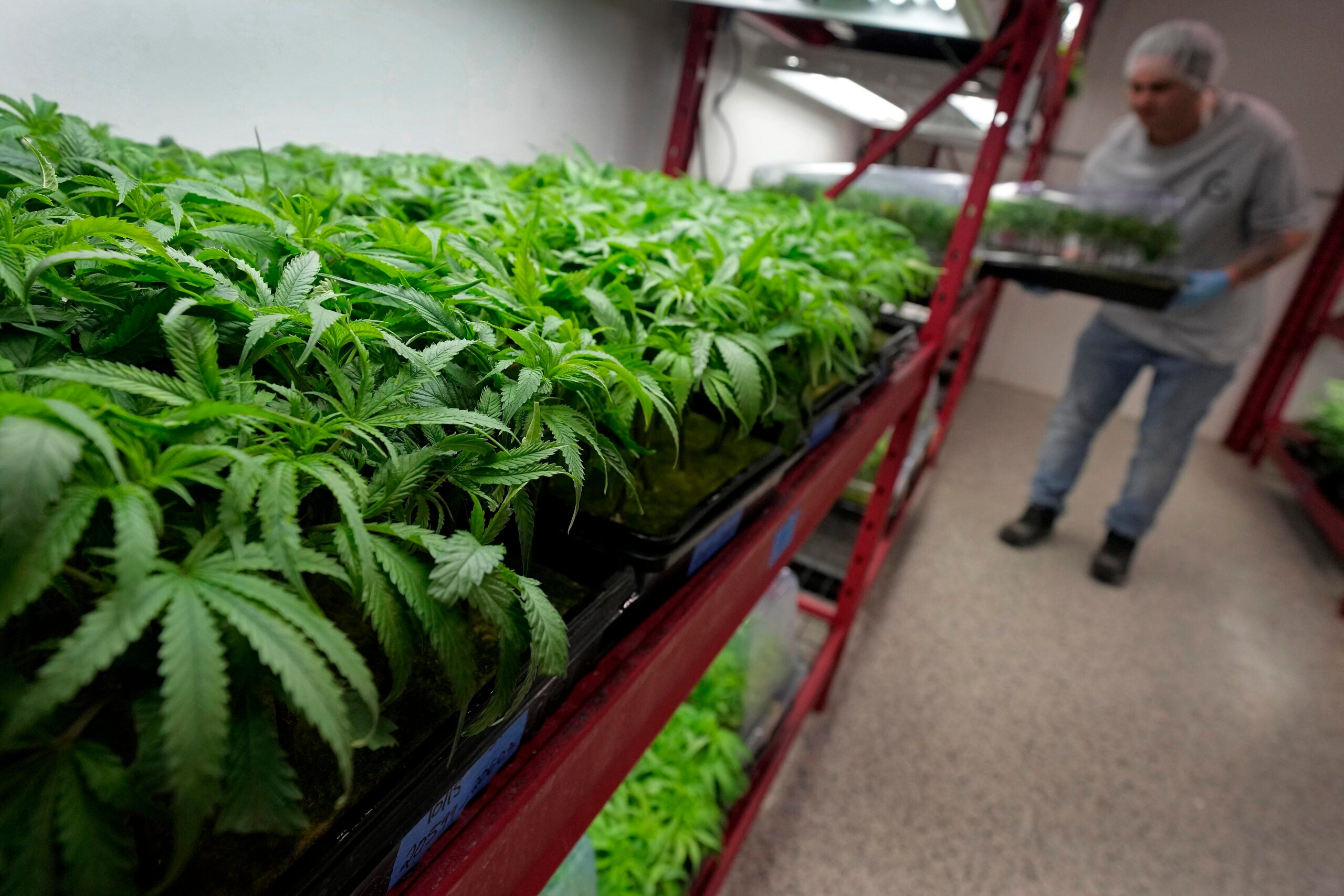
MS: There’s a foundational program called the cannabis associate which people can take as a standalone program. It’s only about eight weeks, but it does go through each sector of the industry. You learn about cultivation, manufacturing, compliance, you learn about the state versus federal rules, cannabis plants and the cannabis products. You learn about the fundamentals of what makes the cannabis industry something legitimate.
From there, we have five specialist programs, which are an additional eight weeks. And the programs are in cultivation, product development, medical cannabis, compliance and retail and sales. Those are the specific sectors of the industry where there’s jobs and opportunities.
KAK: Rules are changing at the federal level and state. Do you have to update continuously?
MS: There’s federal rules, there’s state rules, and there’s also local municipality rules.
On top of that, there are rules for each different kind of cannabis company. They are licensed differently and have different regulations and safety requirements for each so it’s quite a complex curriculum.
This is one of the things that people are surprised about. People always joke it’s just a bunch of people that like weed taking these programs. But the reality is, it’s a very complex, very regulated industry that really requires deep understanding to participate.