Hera Salehi’s adjustment to college life wasn’t easy. Salehi grew up in Afghanistan. Although she had been living in the United States for a while, she had trouble finding her place when she enrolled at the University of Wisconsin-Madison two years ago.
“When I came to UW-Madison, I felt alone,” Salehi told WPR’s “Wisconsin Today.”
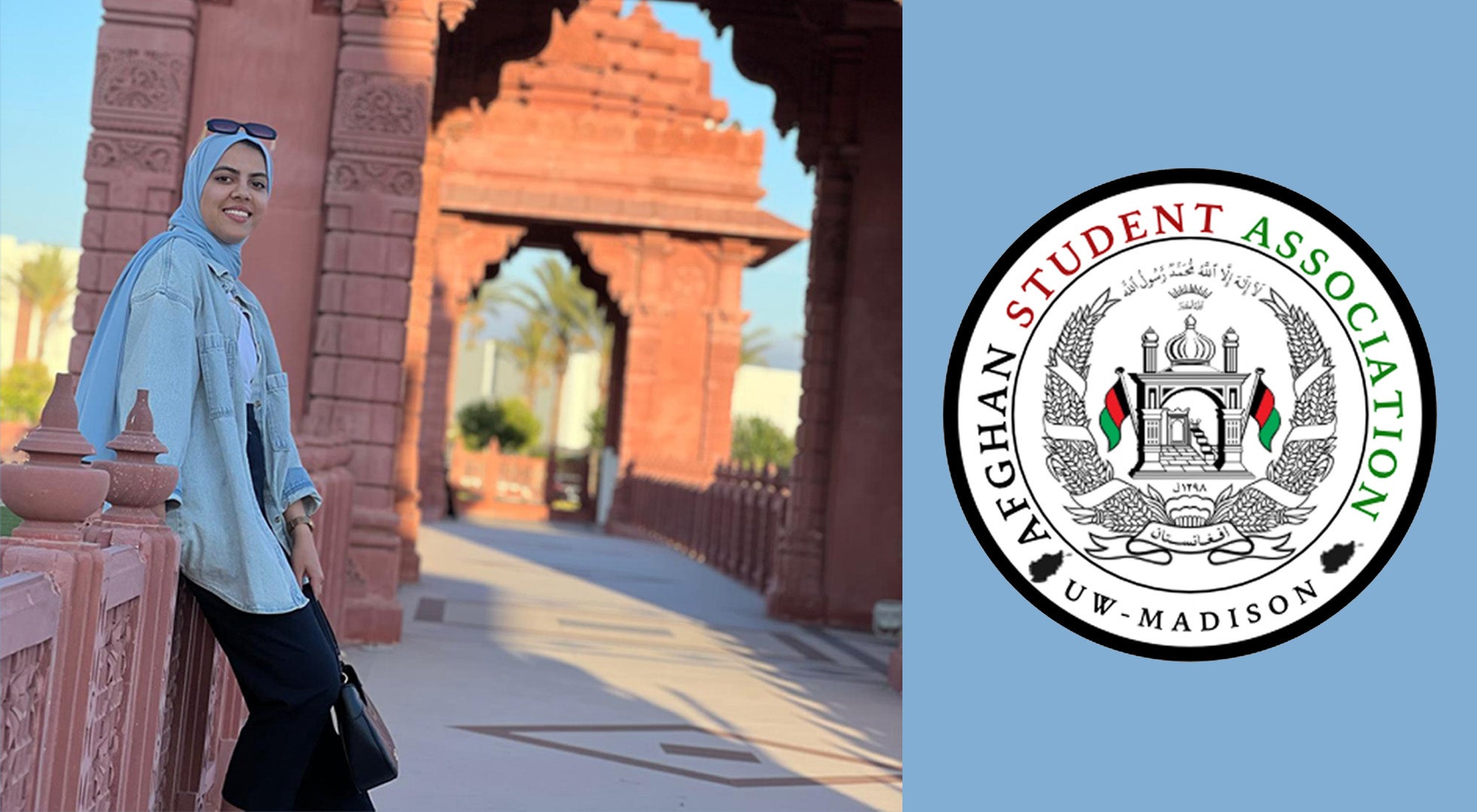
But Salehi saw how student groups and organizations helped nurture community at the large Midwestern university. It inspired her to start the Afghan Student Association to help connect other Afghan students and the larger community.
News with a little more humanity
WPR’s “Wisconsin Today” newsletter keeps you connected to the state you love without feeling overwhelmed. No paywall. No agenda. No corporate filter.
“I went to other events and saw how people came together,” Salehi said. “I wanted to create this student org where they can come and see people like them — people who share the same culture, same heritage, same values and speak the same language.”
The group is the first one at UW-Madison dedicated to Afghan students.
In this first year, Salehi hopes to find other Afghan student groups across the country to connect with. Salehi also wants to work on fundraising efforts that could specifically benefit Afghan girls and women.
“I feel like having these events will support these students, especially since most of them are living away from home, from their parents,” Salehi said.
In her interview, Salehi shared why she thinks now is the right time to start the Afghan Student Association and how she sees immigration issues and politics affecting students on UW-Madison’s campus.
The following was edited for clarity and brevity.
Kate Archer Kent: Are there unique challenges of being an international student on campus and having a healthy outlook about the campus environment?
Hera Salehi: Well, I’m not an international student myself. So, I can’t speak to that experience directly. But I have been following the news and know how difficult things have been.
Recently, thousands of student visas were revoked, leaving many students suddenly uncertain about whether they could even remain in the country. This has also placed strain on universities, which rely on international students, not only for financial support, but also for the cultural diversity and richness they bring to campus life.
The process of getting student visas is becoming harder and harder, and I know these are some really difficult times, but we can’t lose sight of how important these opportunities are and how many people truly need them all over the world. There are students who dreamed of studying in the United States who hold on to the hope of continuing their education.
KAK: You’re working on your degree in data science at UW-Madison. When you reflect on your ambitions and your academic pursuits, what comes up for you?
HS: I think about Afghan girls. For the past four years, they have been banned from pursuing an education, which is the most basic human right. Imagine being told that you cannot learn. You can’t grow. You cannot chase your dreams. And yet, despite all this, Afghan girls continue to hold on to that hope. I hope that one day they will be able to study again. I hope that one day that their dream will not be denied.
That’s why opportunities like student visas matter: For so many, they’re not just paperwork or permission. They are the chance to reclaim a future. So imagine if Afghan girls had the chance to get a student visa and continue their education abroad. That would be a golden opportunity that could completely change their lives. And it’s not just them. There are a lot of other young people around the world with the same hope. That’s why access to student visa and education is not just important, it’s necessary.
KAK: Do you imagine a day when there will be peace in Afghanistan?
HS: That’s one of my dreams — to be able to return to my country to see people in peace, see women going to schools and work and having their own freedom to walk around the city with no fear. It’s really painful to be here, watching the news every single morning, and you really can’t help them.
KAK: Are there certain ways that your new student organization could help or support the education of Afghan women?
HS: Definitely, that’s one of my goals. Since I moved to the United States, I’ve always wanted to support the women and girls back home. I wanted to be their voice, since their rights are being taken away from them.
One of the goals for my association this year is to do some fundraising efforts to, besides supporting our events, support Afghan girls and see if there are opportunities, programs or anything that my association can provide for them.
KAK: When you start meeting as a group, how will it feel? What will the discussions be like, and what will this group do?
HS: For the first event, we are planning on doing a fall kickoff. We’re going to have Afghan traditional food and introduce the org to the campus by talking about Afghani culture and history. I’m really excited to host events and have people come and learn more about Afghanistan.