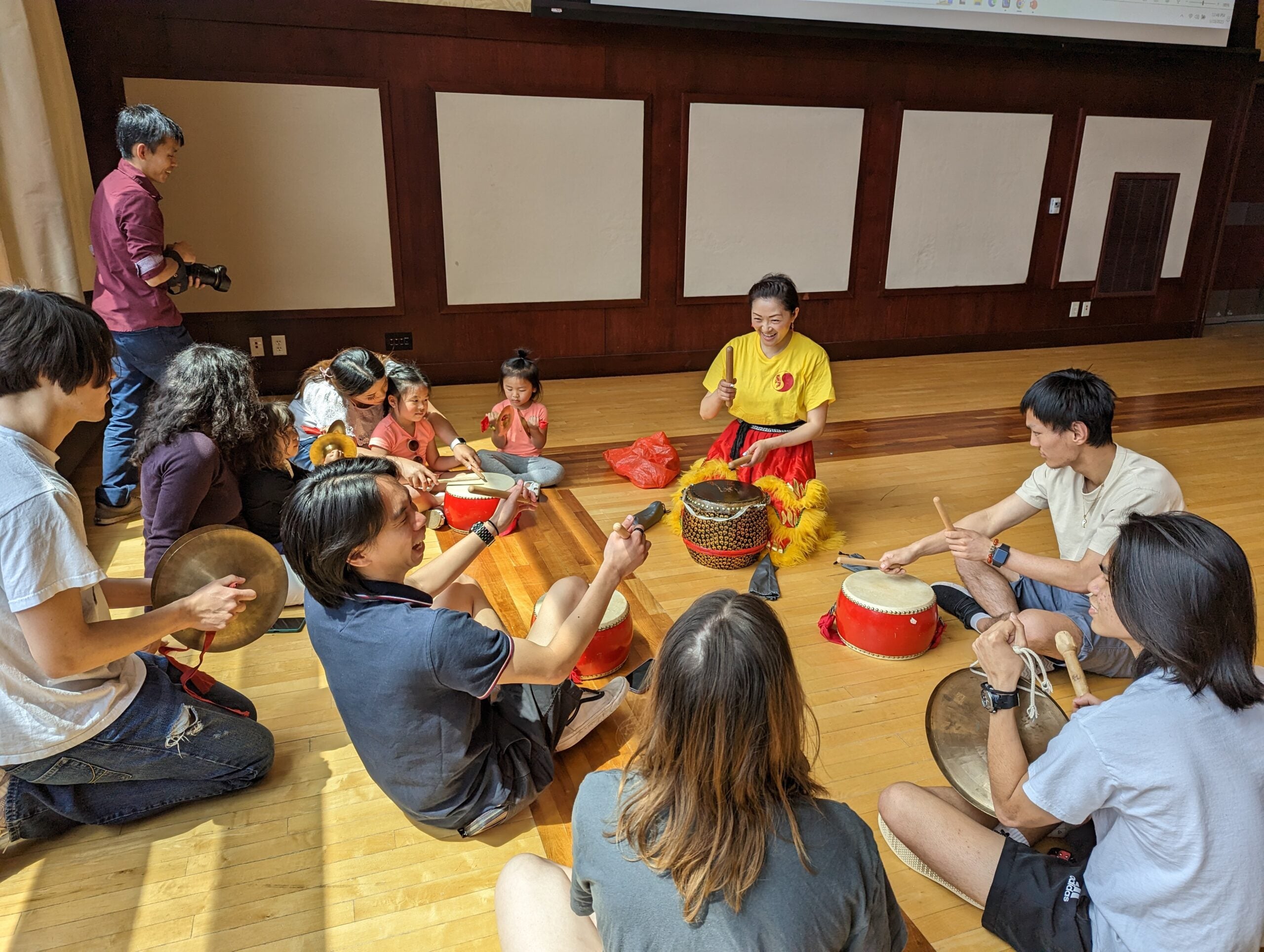
As a retired family doctor, 76-year-old Norm Schroeder knows a thing or two about how to live a healthy life. That’s why, for the last eight years, he’s been keeping his mind and body active by taking classes through the University of Wisconsin-Green Bay’s Lifelong Learning Institute. And he’s been encouraging others his age to do the same.
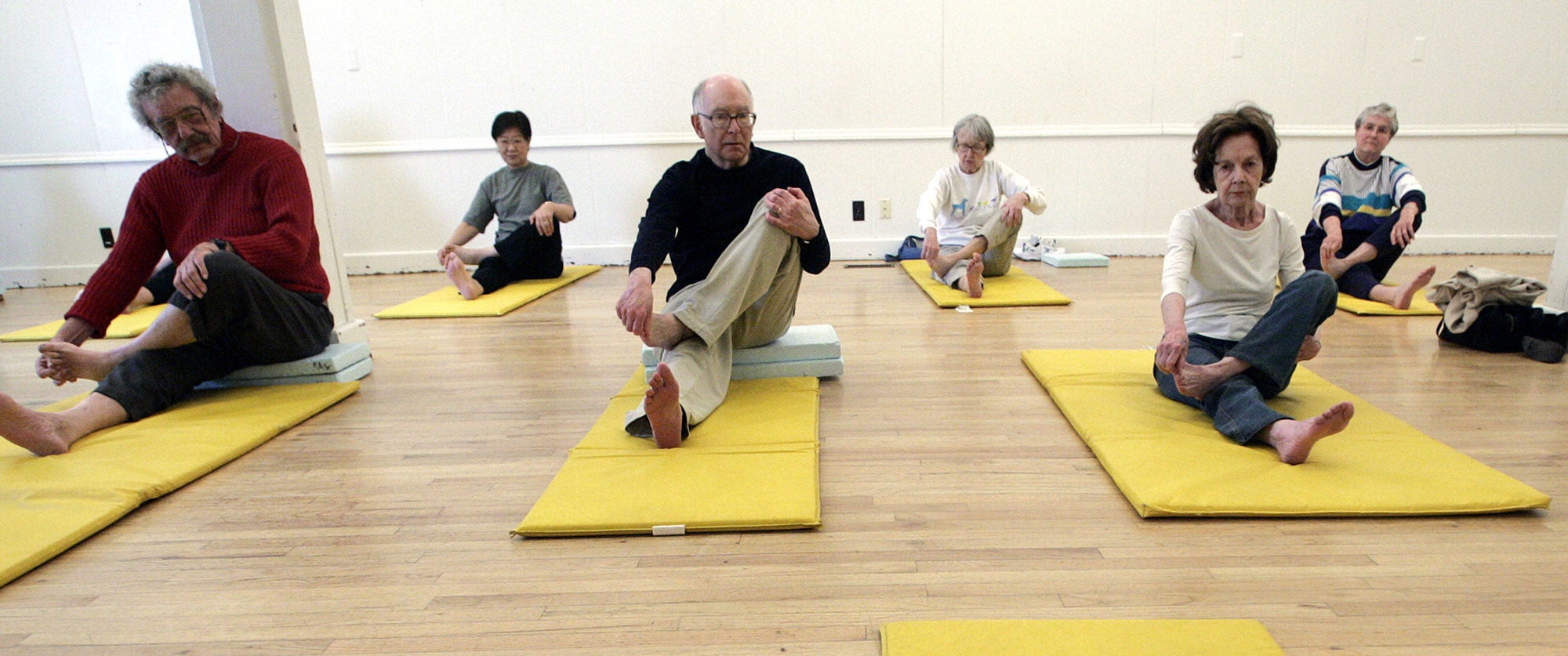
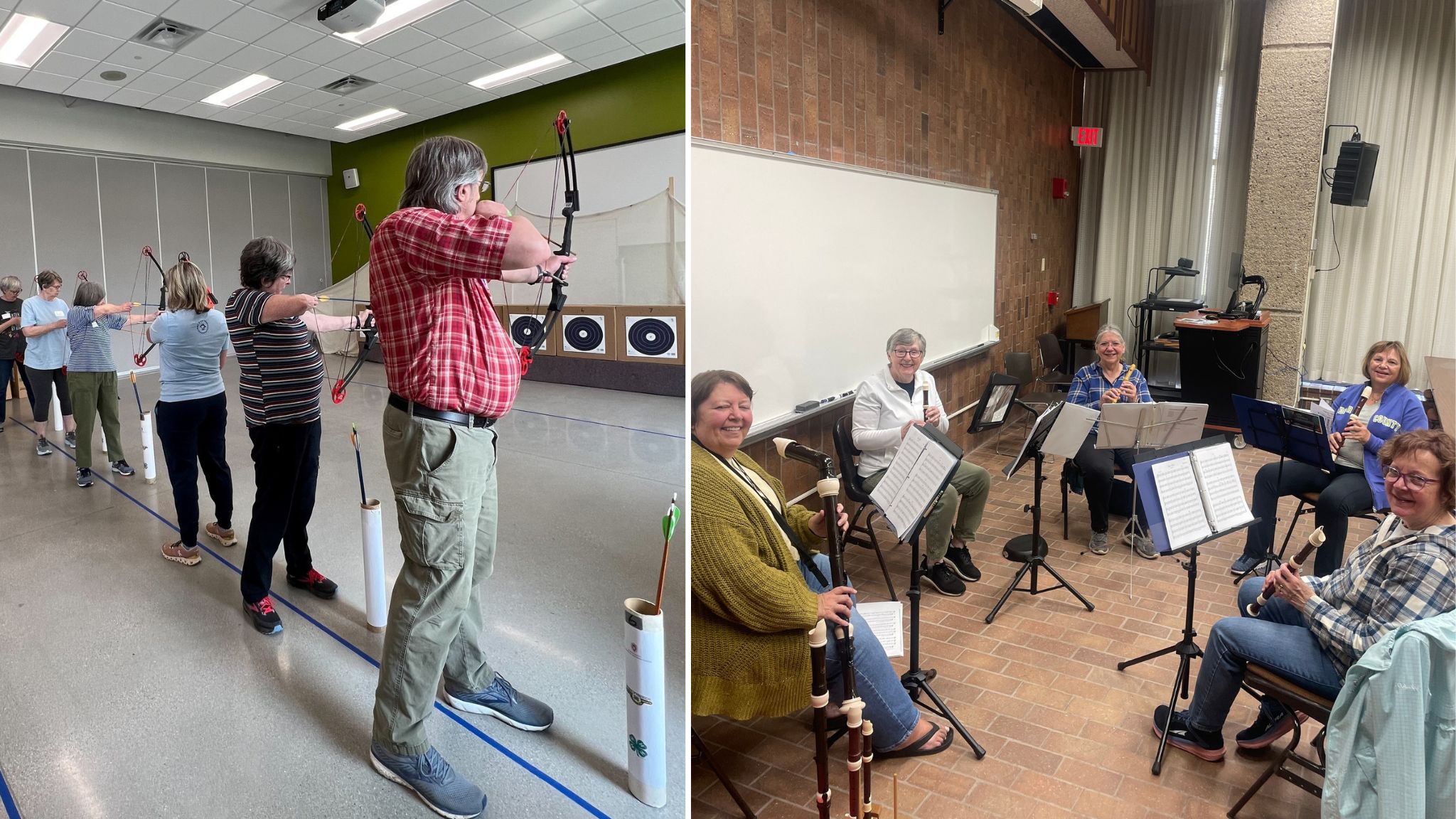
“(It’s) good for our brain health because there’s cognitive stimulation in the classes where you either can learn new things, or relearn things that you’ve forgotten many years ago,” Schroeder told WPR’s “Wisconsin Today.” “And for our physical health, we even have classes in line dancing, nature hikes and bicycling. I can cover all those bases.”
Wisconsin’s population is aging, and with aging comes an increased risk of dementia and other physical and cognitive health problems. But in a study published last year by Duke University, researchers found that continued learning later in life can reduce a person’s dementia risk, regardless of their background. That includes those who had a low level of education early in life — a significant risk factor for dementia.
News with a little more humanity
WPR’s “Wisconsin Today” newsletter keeps you connected to the state you love without feeling overwhelmed. No paywall. No agenda. No corporate filter.
That’s part of why universities like UW-Green Bay are looking to offer learning opportunities for older adults, even if they’re not working toward a degree.
“Providing an opportunity to keep an aging community connected, inspired and intellectually stimulated is always a win for the entire region,” said Jessica Lambrecht, Executive Officer of Continuing Education & Workforce Training at UW-Green Bay.
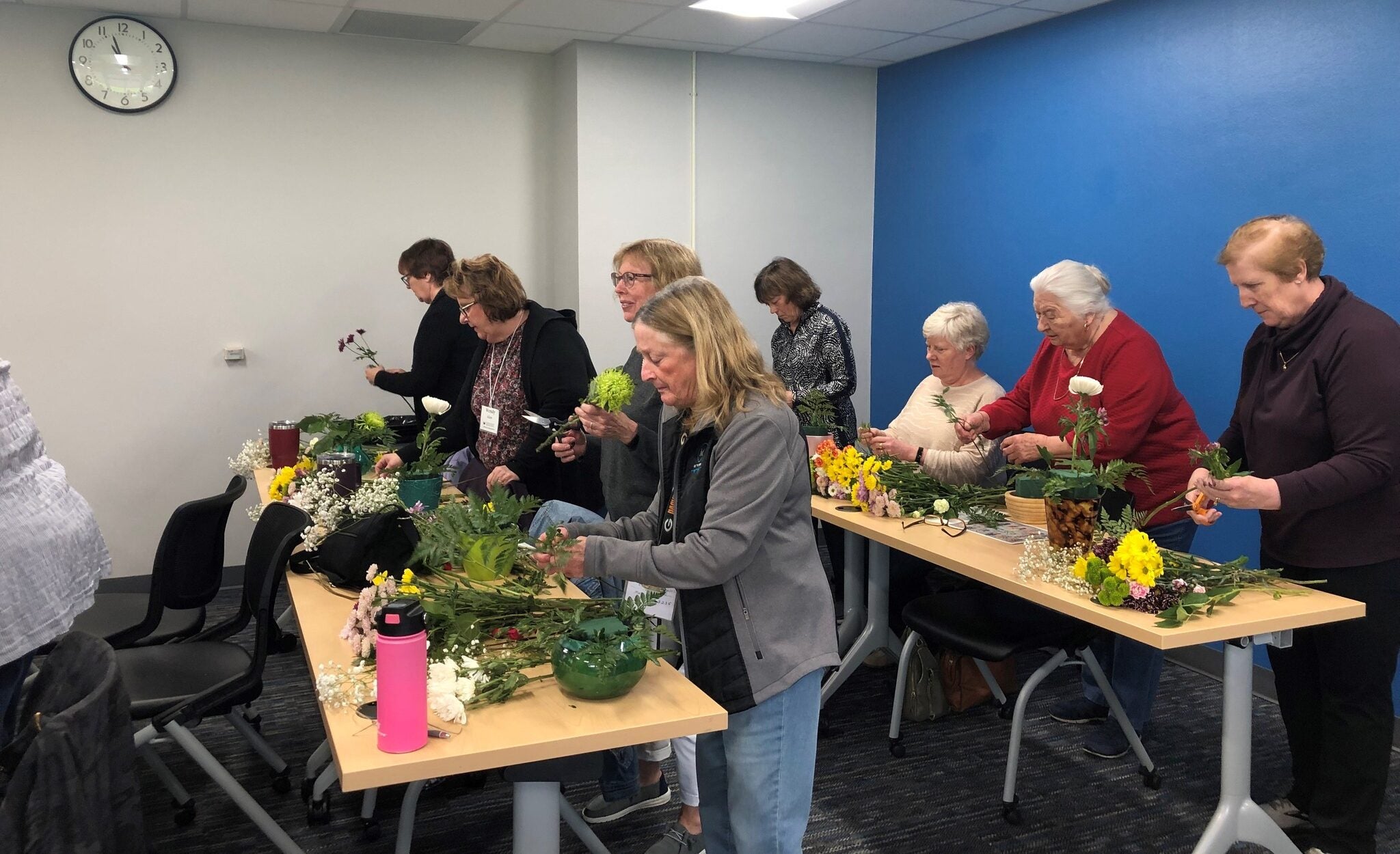
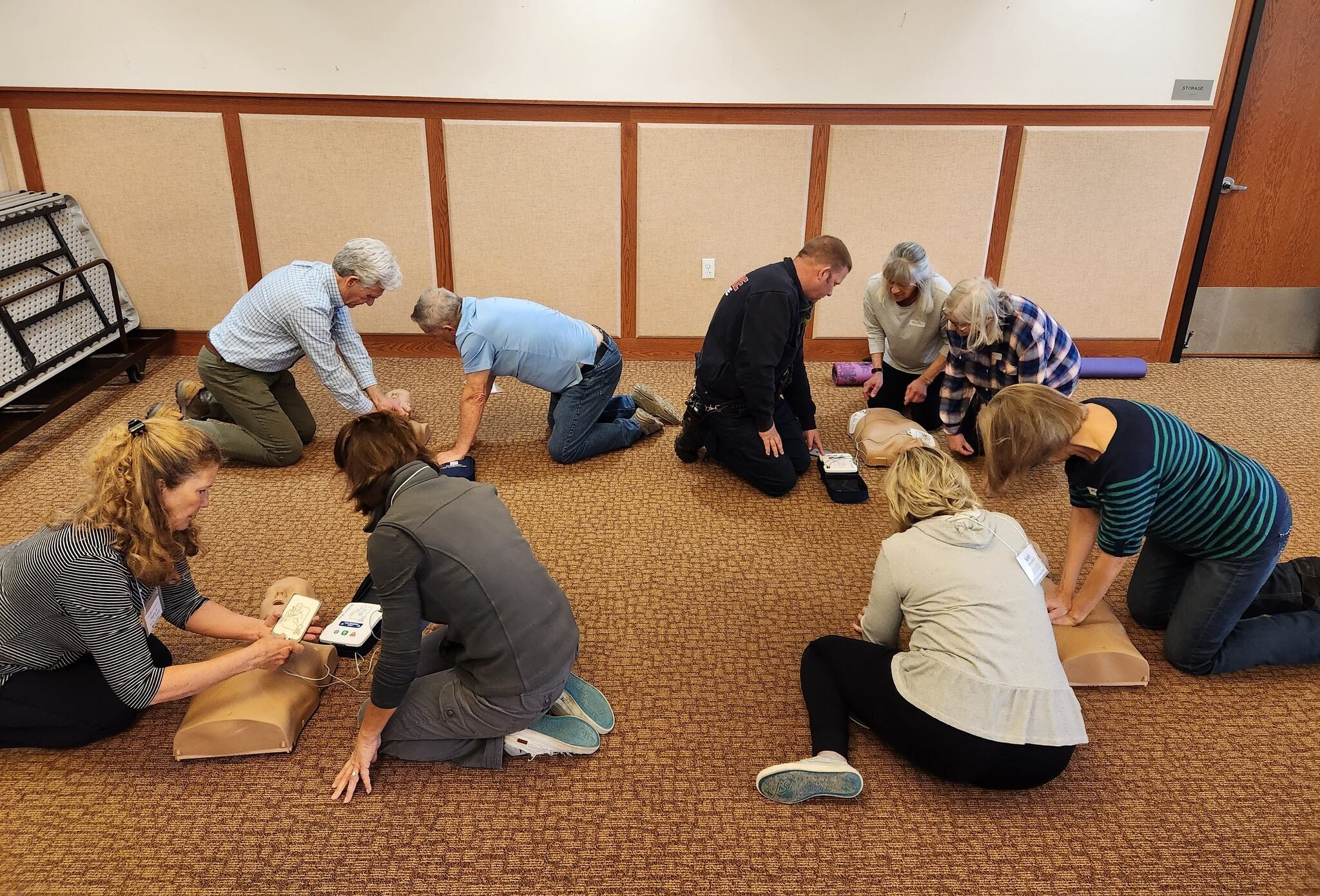
The Lifelong Learning Institute is a membership-driven program that offers hundreds of classes each year for community members. They include traditional subjects like physics and history, practical topics like estate planning and nutrition, and activities like knitting and kayaking. Members give their input and guide what classes are offered each year.
“We definitely involve our participants every step of the way, which is really important to the delivery and why this program continues to grow year over year,” Lambrecht said.
Lambrecht said academic-related content tends to be the most popular.
“I was a chemistry major for my undergraduate,” said Schroeder, who now chairs the institute’s board of directors. “So I like taking courses on chemistry and physics, and trying to relearn things that I’d forgotten years and years ago.”
UW-Green Bay hosts the second largest lifelong learning program in the state, behind the University of Wisconsin-Madison. It’s entirely self-funded through membership fees — about $150 per year — and grants. Unlike with other universities that allow community members to audit classes and follow along with college courses, the Lifelong Learning Institute typically offers single sessions or short series of classes.
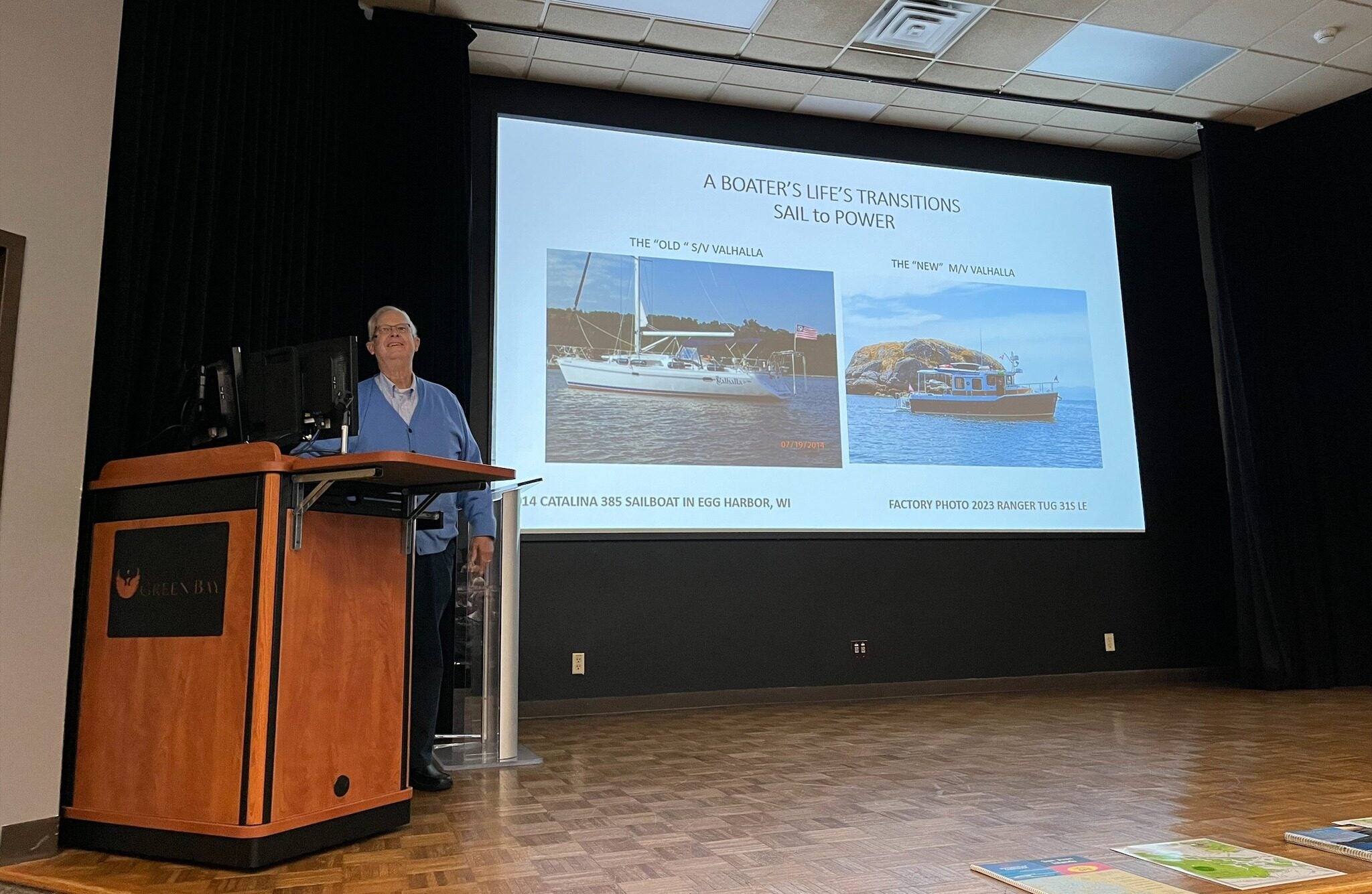
Classes are taught by professors, teachers, local celebrities and community members. Schroeder, for example, has taught classes on sailing and weather. UW-Green Bay professors volunteer their time to the institute.
“I think the professors really enjoy teaching at (the Lifelong Learning Institute) because, in contrast to some of the younger students, we’re not scrolling on our cell phones, we ask questions and are attentive,” Schroeder said.
The Lifelong Learning Institute has been operating for more than 30 years, and it’s part of UW-Green Bay’s long-standing goal of catering to students outside of typical college ages, according to reporting from Wisconsin Watch. Last year, UW-Green Bay became a part of the Age-Friendly University Global Network: a group of schools from around the world dedicated to making education a lifelong experience.
One way the university makes classes more accessible for older students is through online courses and live-streaming lectures for those who can’t come to class in person. They’re also introducing hearing loops, which transmit a lecturer’s voice directly into students’ hearing aids.
Beyond enriching members’ cognitive and physical health, Schroeder said the Lifelong Learning Institute offers a “cure” for the loneliness that people might feel, especially as they age.
“You meet a lot of people between classes,” Schroeder said. “There’s lots of interactions, so you make new friends.”