
The national unemployment rate rose to 4.6 percent in November, the highest it’s been in four years. While Wisconsin sits below that average, an aging population and large farming economy are shaping the state’s labor market in ways that may not be reflected in the numbers.
In Wisconsin, the unemployment rate is around 3 percent, according to the latest state data.
“This is really good on the surface, but it’s not telling us the whole story,” Marissa Eckrote-Nordland, assistant professor of economics at the University of Wisconsin-La Crosse, said. “Labor force participation has been drifting down, and Wisconsin’s workforce has been aging faster than the national average.”
News with a little more humanity
WPR’s “Wisconsin Today” newsletter keeps you connected to the state you love without feeling overwhelmed. No paywall. No agenda. No corporate filter.
Eckrote-Nordland joined WPR’s “Wisconsin Today” for a look at what the November jobs report could mean for the economy and labor market in Wisconsin.
The following has been edited for brevity and clarity.
Rob Ferrett: What are your takeaways as you look at these numbers from the November jobs report?
Marissa Eckrote-Nordland: There are three simple takeaways that really stood out to me. First, unemployment edged up. This is a sign that the labor market is cooling a little bit. Job growth is also slowing, as compared to earlier in the COVID recovery period. And lastly, (wage) growth is easing, which helps inflation but makes workers a little tentative.
People are nervous about what these job numbers mean for them. Individuals who may be in a job that is suboptimal for them or may be working part-time but would like to be full-time are hesitant to leave jobs that they have due to not knowing if there is a job that they’ll be able to get.
RF: What are we seeing when it comes to unemployment in Wisconsin this year?
ME-N: As we’ve seen historically, unemployment has remained lower than the U.S. average, which is promising. Health care, education, public-sector jobs are relatively stable, and many employers in Wisconsin are still reporting difficulty with hiring.
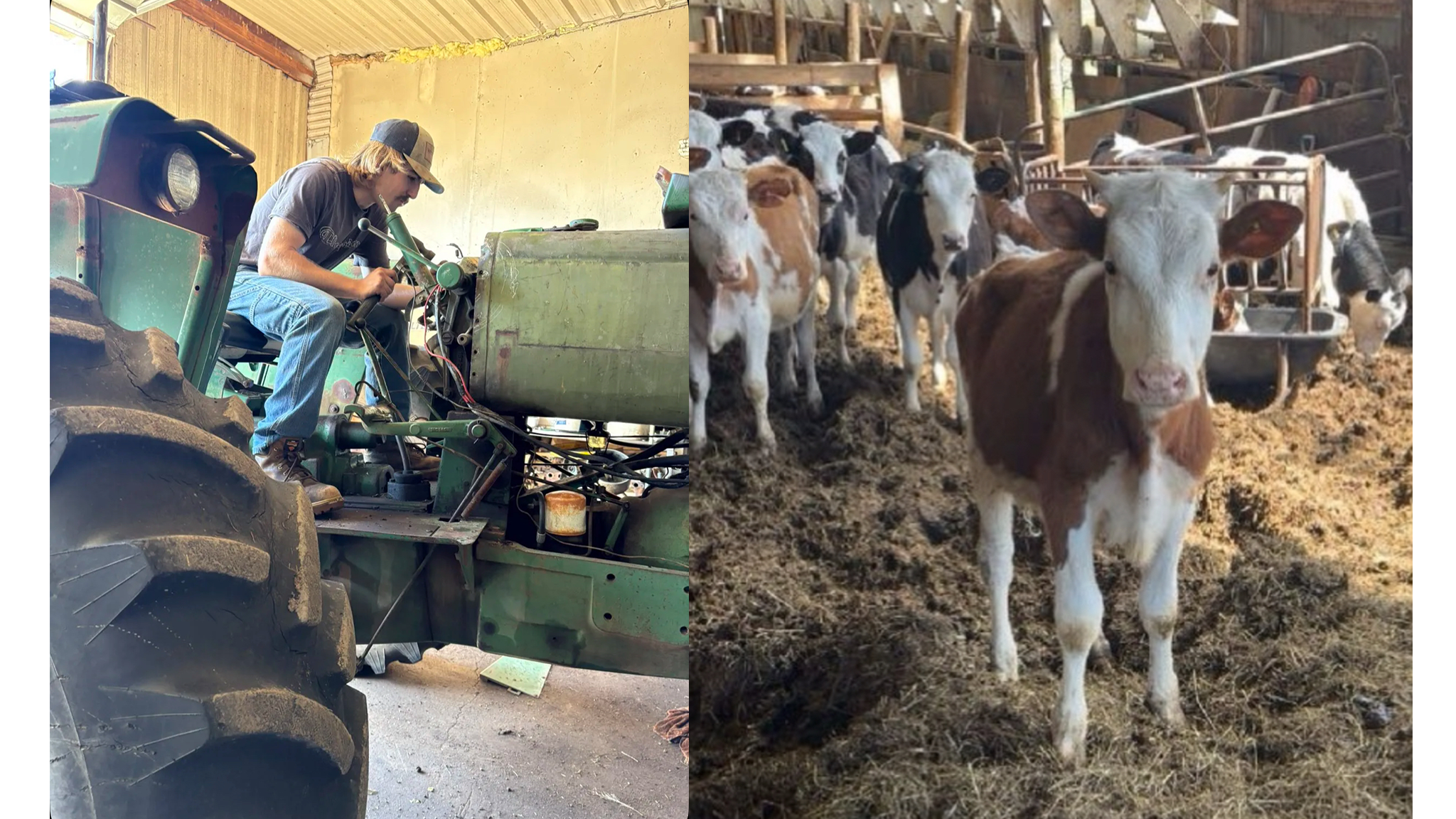
But there’s more going on beneath the surface. Labor force participation has softened, especially with the aging workforce we see here in Wisconsin. Manufacturing is also cooling, and this means that some of our rural and farm-adjacent communities might start to feel some negative effects before some of our larger, more metro areas.
A key thing I want to emphasize is that Wisconsin’s labor market looks strong partly because we have fewer workers, not because we have booming job growth in the state.
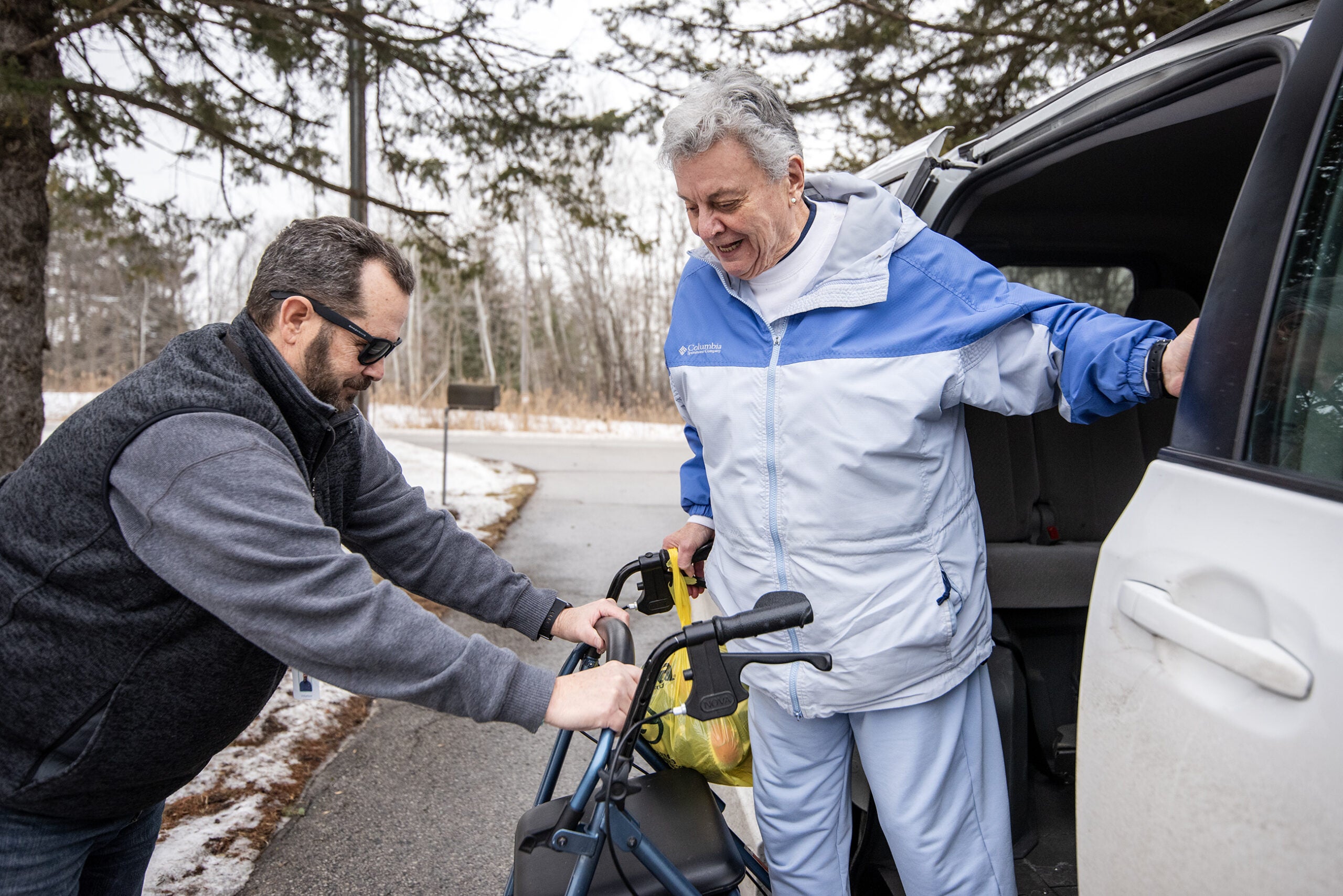
RF: One of the big hidden stories here in Wisconsin is we are an aging state. The proportion of people in older-age cohorts is going up. How is that affecting the economy here in the state?
ME-N: There’s a couple of things we should be watching. First is the rates of retirement and how firms are back-filling positions.
But another spot that we may be seeing this is in the health care sector. This might be a spot where the economy will add jobs as there’s more demand for skilled nursing facilities, for hospitals, as the population ages. So this may just look like a change in the makeup of our economy in the state rather than losing a number of jobs.
RF: Agriculture is a big part of Wisconsin’s economy. But when we see these federal reports, it’s usually something like “non-farm jobs” — farm workers aren’t measured. What do we and don’t we know about employment in agriculture here in the state?
ME-N: In the past, we’ve had the USDA farm labor report. However, that’s been discontinued. So for now, I don’t know if we have a great sense of what’s going on with our farms.
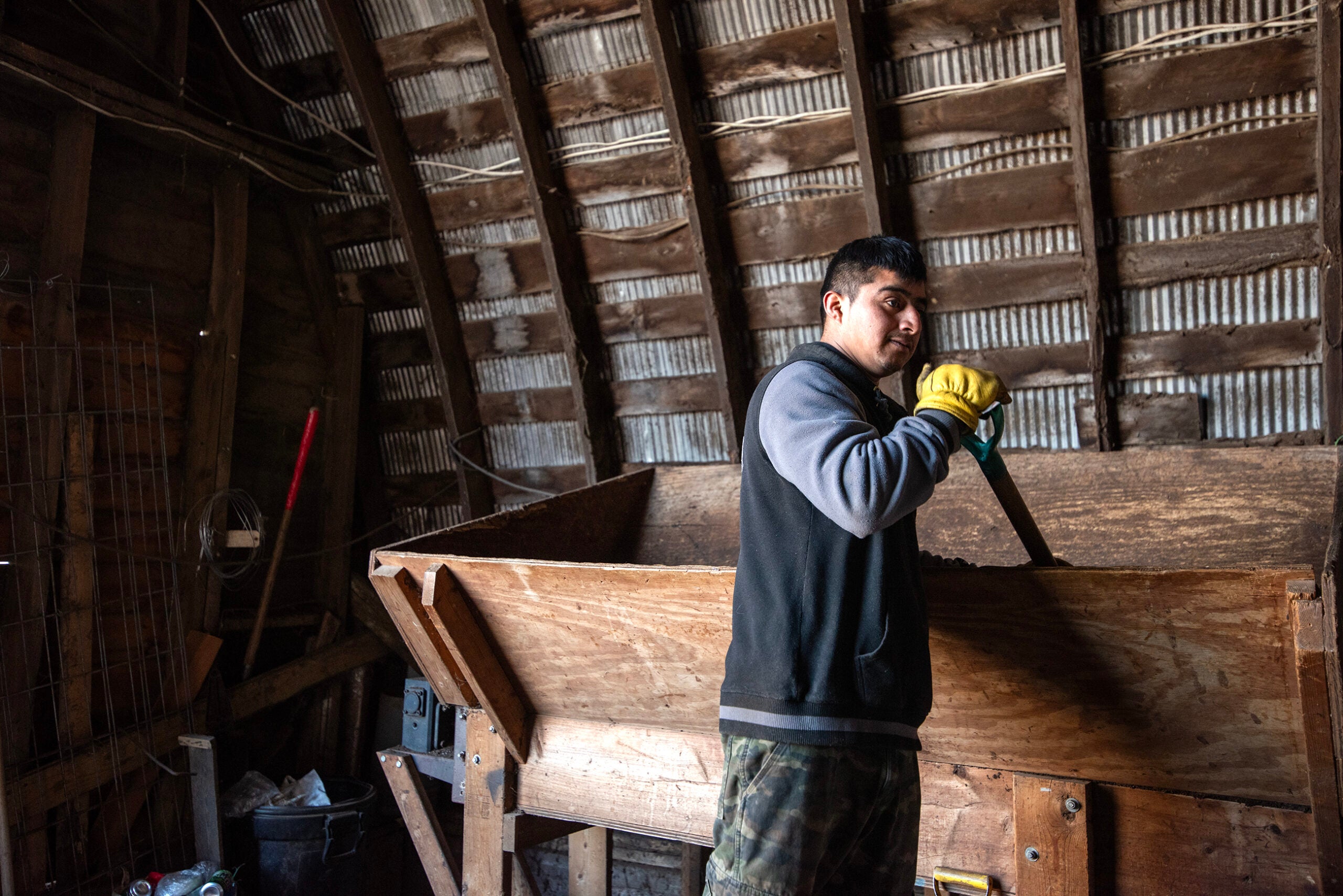
What we do know is that there’s rising wage pressure on our farms. We’re about to have more reliance on H-2A guest workers, as there are immigration restrictions. And the labor costs are one of farmers’ biggest stress points. What this means is higher labor costs will lead to higher food costs, and that will put a ripple through our economy as we see grocery prices go up under these pressures.
RF: The country has seen about 1.1 million layoffs so far this year. They’re not mass layoffs in the scope of history, but it’s a number that we don’t see all the time outside of a pandemic or recession. What’s going on there?
ME-N: So this is what has been coined in the media as “forever layoffs.” They’re not those mass layoffs like we saw in 2008 during the Great Recession. Instead, we have these smaller, ongoing job cuts or hiring freezes, or this quiet attrition — people taking buyouts and leaving quietly. These don’t always spike unemployment right away, but they change people’s behavior. So people will stop job-hopping, they’ll delay big purchases, they’ll just have this overall anxiety about the job market that feels different than those mass layoffs that we saw historically.
RF: Also in the federal report, there’s an uptick in job seekers who have been looking for work for quite a while, half a year or more. We’ve also seen an increase in people working part-time who would rather be working full-time. Do these numbers reinforce concerns that maybe the economy’s a little softer than we’d like?
ME-N: Absolutely. That number of marginally attached workers, the number of workers who have been searching for jobs for greater than 15 or 27 weeks, of individuals who would like to be working full-time but are working part-time for economic reasons — those are all hidden behind that big headline number of the 4.6 percent unemployment. These are all people who are underemployed or aren’t being counted in that number because they’ve become detached from the labor force. So these are just additional signals that we might have cooling going on in the labor market.