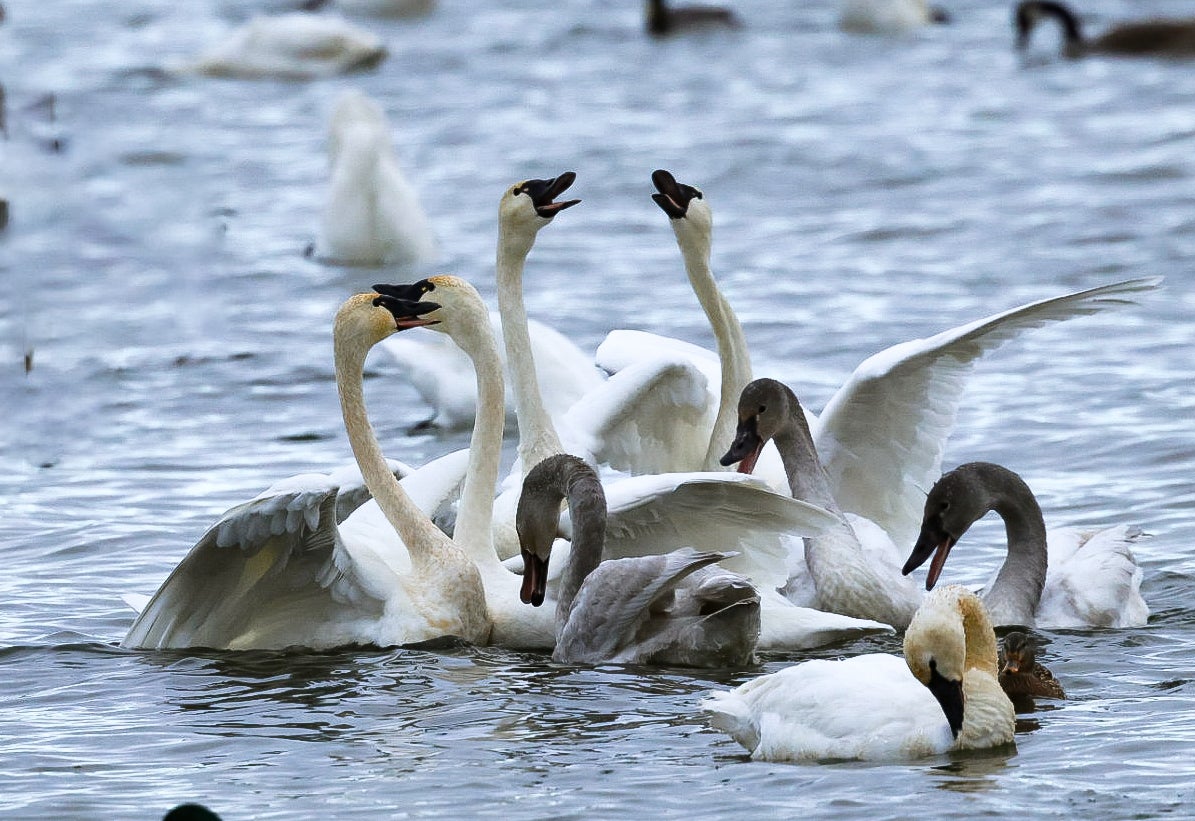
Along the shore of Madison’s Lake Monona, a quiet, wintry scene is interrupted by a cacophony of honks, hoots and coos.
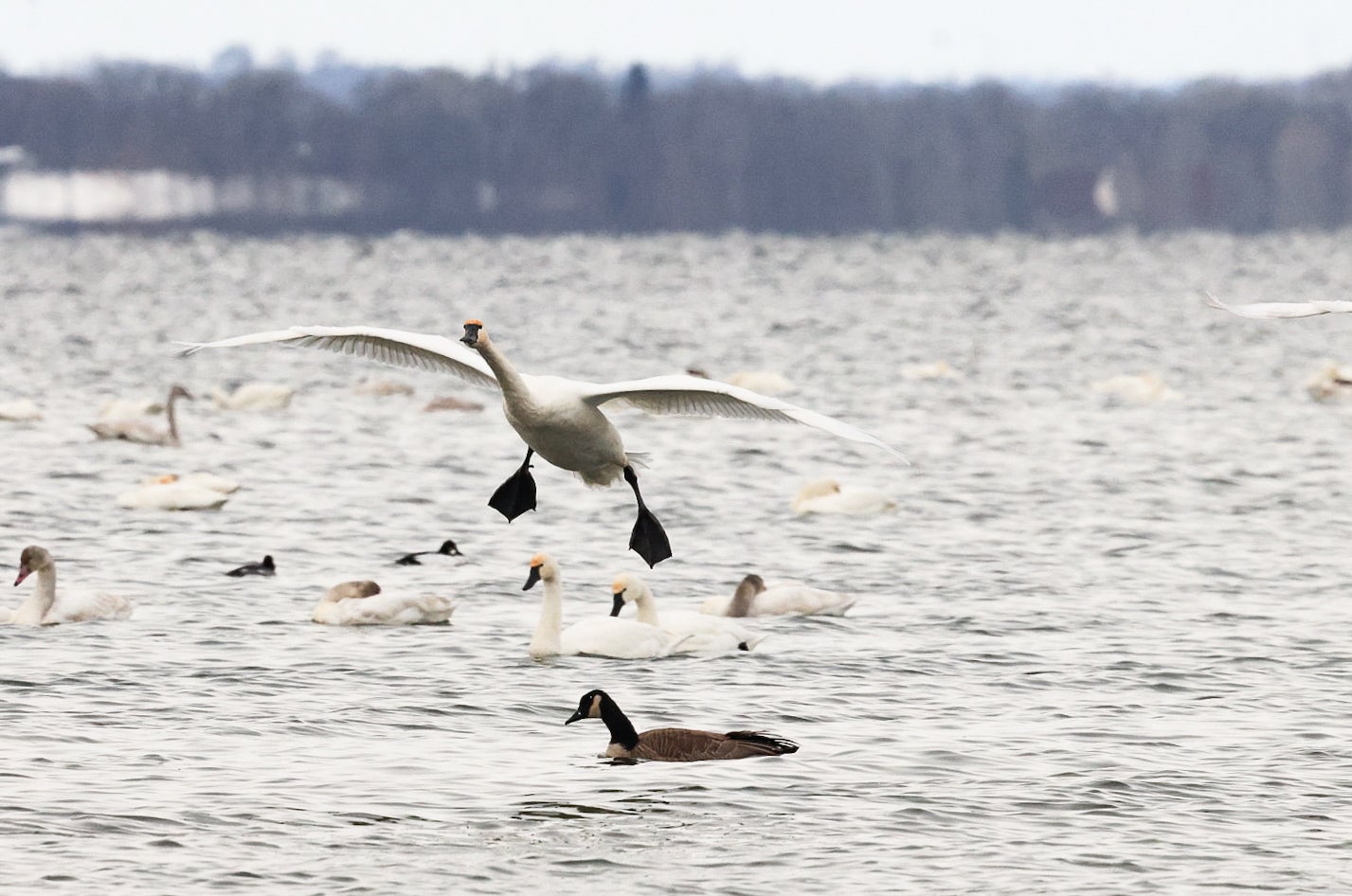
It’s migration season, and thousands of tundra and trumpeter swans — along with waterfowl of all kinds — have descended upon the city’s lakes as part of their trip south.
It’s common for waterfowl like ducks, swans and geese to migrate together, en masse, said Wisconsin Department of Natural Resources conservation biologist Ryan Brady.
News with a little more humanity
WPR’s “Wisconsin Today” newsletter keeps you connected to the state you love without feeling overwhelmed. No paywall. No agenda. No corporate filter.
“Some of that is because the food resource is there and they’re not overly competitive or territorial,” Brady said. “And then, in addition, obviously safety in numbers, from a predation perspective.”
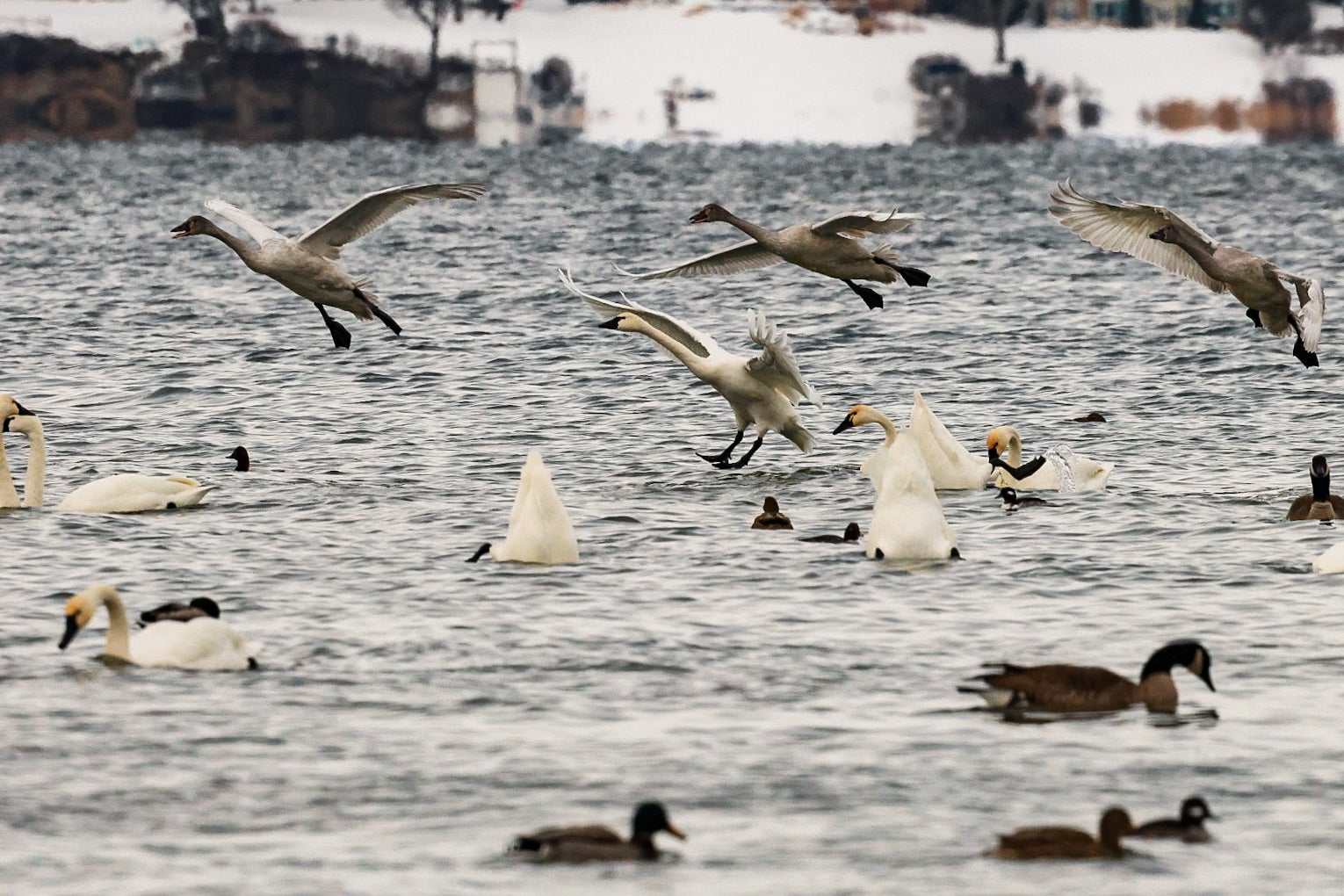
In general, waterfowl are what Brady calls short-distance migrants that often linger later into the fall and winter. The birds’ final destination might only be as far as the southern United States, and they only travel as far as food resources force them to.
“If we have a mild year with more open water and less ice, then that means more of them may stick around,” he said. “Generally late fall and early winter is a really good time to see a lot of different waterfowl as they move south ahead of that ice line.”
Heavy snowfall and an early freeze in northern Wisconsin and Canada pushed many of those Arctic birds south earlier than usual. That’s led to thousands lingering on the mild lakes in Madison.
Sumner Matteson, an avian ecologist with the DNR, said with smaller lakes frozen over, migrating waterfowl are searching for areas to feed.
“They are drawn to our larger lakes where open water is visible,” he said. There’s plenty of food available, such as “aquatic invertebrates as well as plant seeds such as pondweeds, water lilies, sedges, arrowhead and millet.”
“These dietary patterns help migrating waterfowl survive the winter months and maintain energy for migration,” Matteson said.
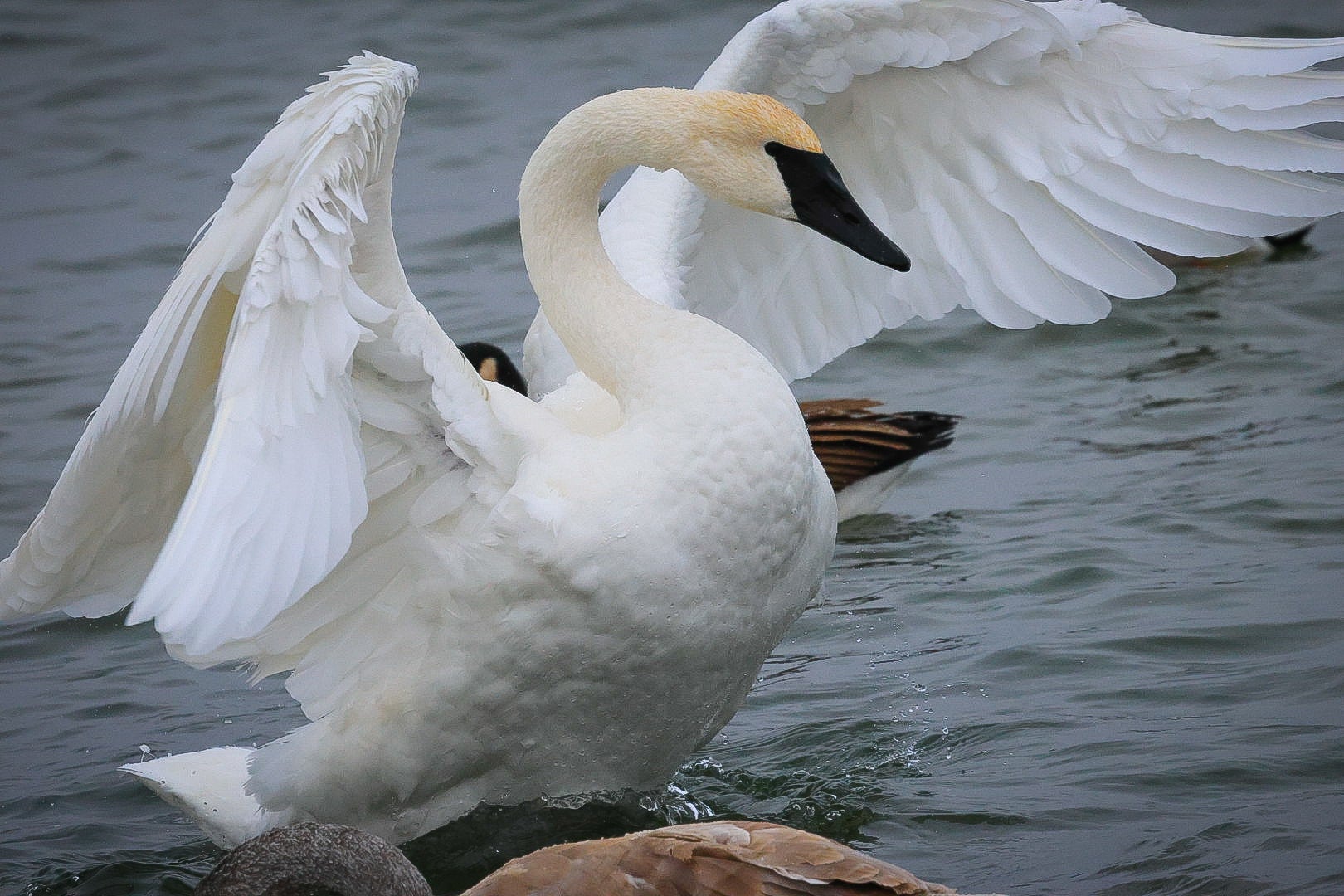
Birders across the city have flocked to watch — and listen — to the visitors.
For Brady, waterfowl are a great gateway for birdwatching. They travel in large groups and their large size and presence on the water makes them easy to spot.
“You can see a lot of different birds in a small area at the same time, and collectively, it almost feels like you’re watching the last of the migrants for the year,” he said. “When the ice finally does take over, if it does, then there are going to be a lot fewer birds on the landscape.”
The birds are likely to stay until the lakes freeze over. Once they do, they’ll head further south looking for open water.

Wisconsin Public Radio, © Copyright 2026, Board of Regents of the University of Wisconsin System and Wisconsin Educational Communications Board.