Two attorneys who helped shape a legal strategy to help President Donald Trump overturn his 2020 election loss are among those who received a presidential pardon Sunday, although a state investigation against them is still active.
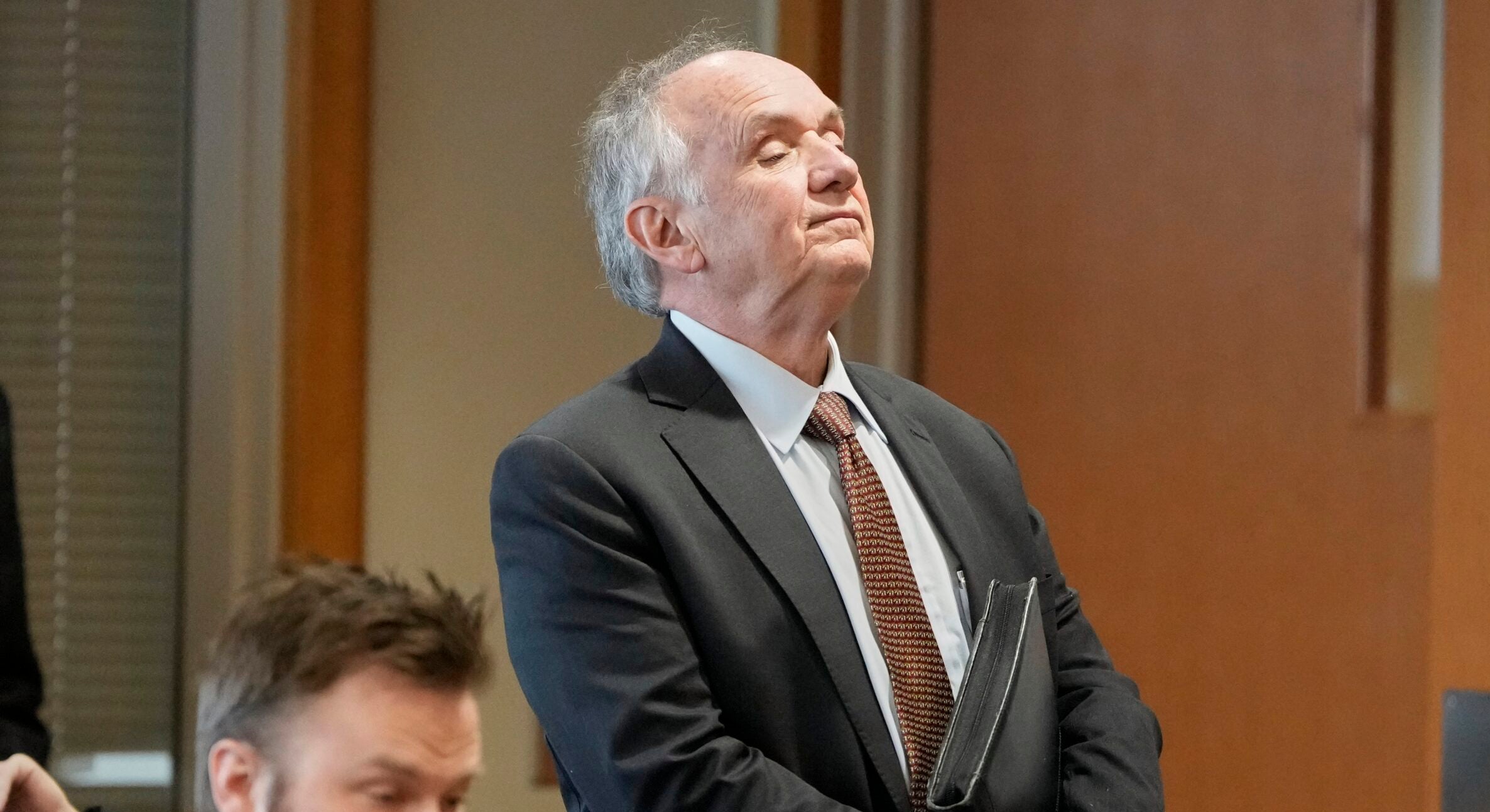
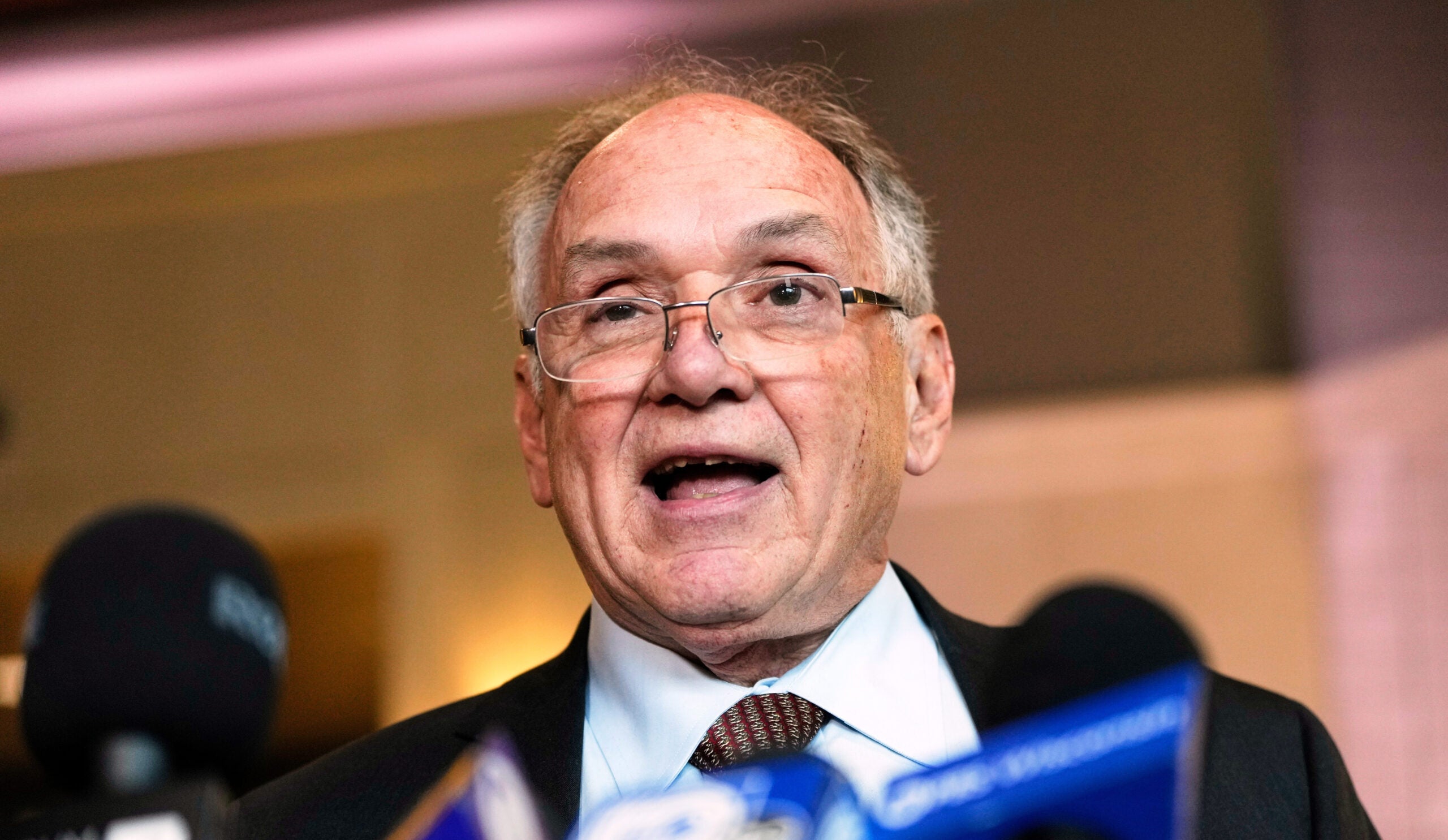
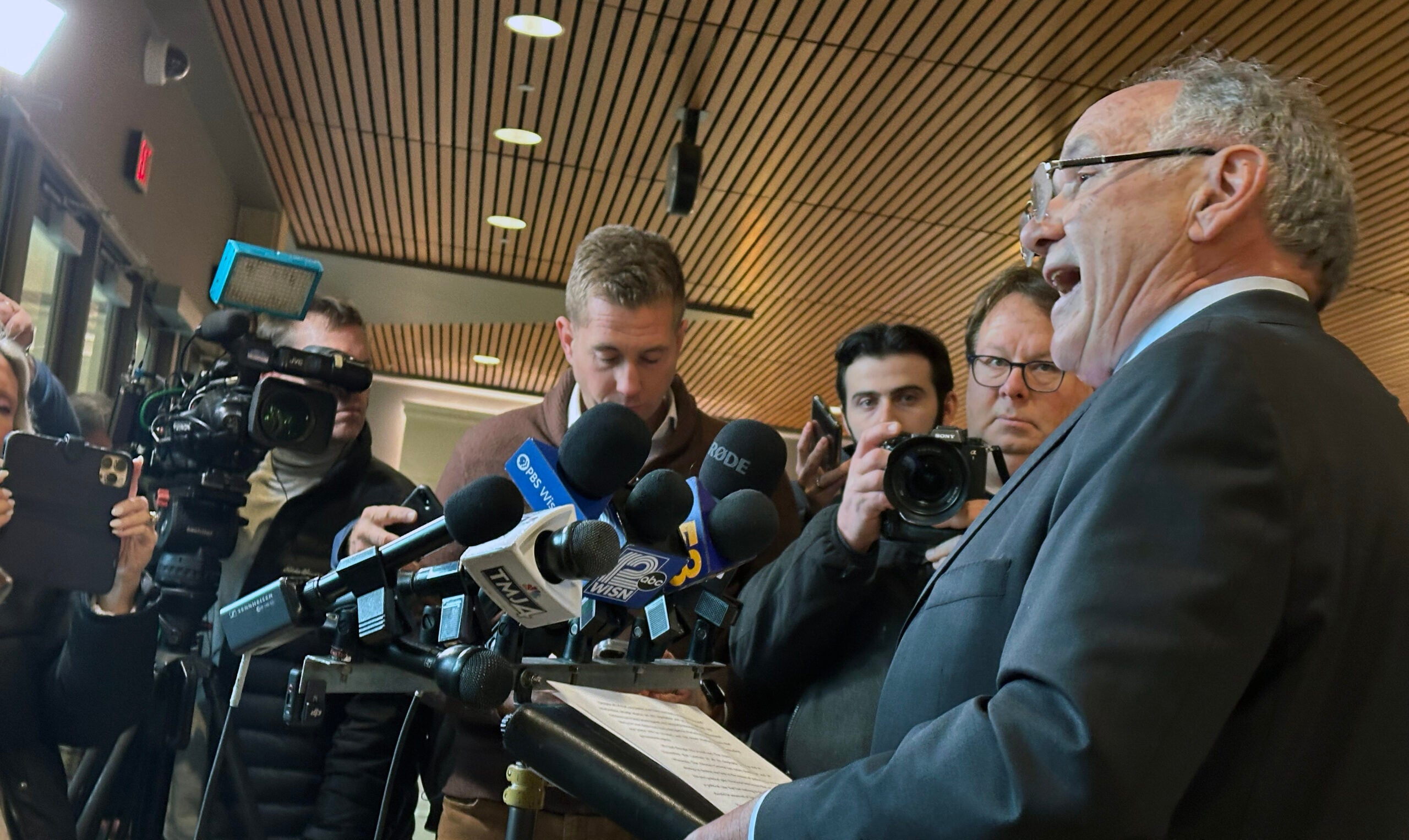
Kenneth Chesebro and Jim Troupis — lawyers who reportedly designed the scheme in which some swing states would submit a slate of Republican electors to back Trump, using Wisconsin as a testing ground — were two of 77 names on an undated list posted to social media late Sunday night by the U.S. Department of Justice’s pardon attorney.
Several other Wisconsin Republicans, who served as those false electors, were also on the list.
News with a little more humanity
WPR’s “Wisconsin Today” newsletter keeps you connected to the state you love without feeling overwhelmed. No paywall. No agenda. No corporate filter.
According to a spokesperson for the Wisconsin Department of Justice, the criminal investigation into Chesebro, Troupis and political operative Michael Roman “remains ongoing.”
The full and unconditional pardons, applied to prominent Trump allies including Rudy Giuliani and Sidney Powell, are largely symbolic. No one on the list faces federal charges, and the president’s pardon power does not extend to state charges.
In the pardon, Trump describes the move as ending “a grave national injustice perpetrated upon the American people following the 2020 Presidential Election.”
Among the Wisconsin Republicans pardoned are former Wisconsin GOP chair Andrew Hitt, sitting elections commissioner Bob Spindell, former Wisconsin GOP treasurer Kelly Ruh, Carol Brunner, Mary Buestrin, Darryl Carlson and Pam Travis.
Each of them gathered in a room at the state Capitol in December 2020 and signed official-looking documents declaring a victory in the state for Trump, even though he had narrowly lost Wisconsin to former President Joe Biden.
Hitt has previously said the electors were “tricked” into thinking they were merely preserving constitutional avenues for court challenges to the election’s outcome. Those electors faced a civil lawsuit that was settled in 2023, in which they admitted their actions were “part of an attempt to improperly overturn the 2020 presidential election results” and agreed not to serve as electors again.
Chesebro and Troupis also settled that civil lawsuit separately, saying in March 2024 they would not again create alternate slates of electors.
But months later, Wisconsin Attorney General Josh Kaul brought felony forgery charges against them, as well as against the Georgia-based Roman. The case maintains that the three acted knowingly when they worked to collect and submit the false elector documentation.
Chesebro is considered the architect of the plot, allegedly using Wisconsin as a testing ground for a plan that extended to multiple swing states Trump had lost, in the days following the 2020 presidential election. The reported plan would test whether courts, state legislatures or even the vice president could determine a state’s election results.
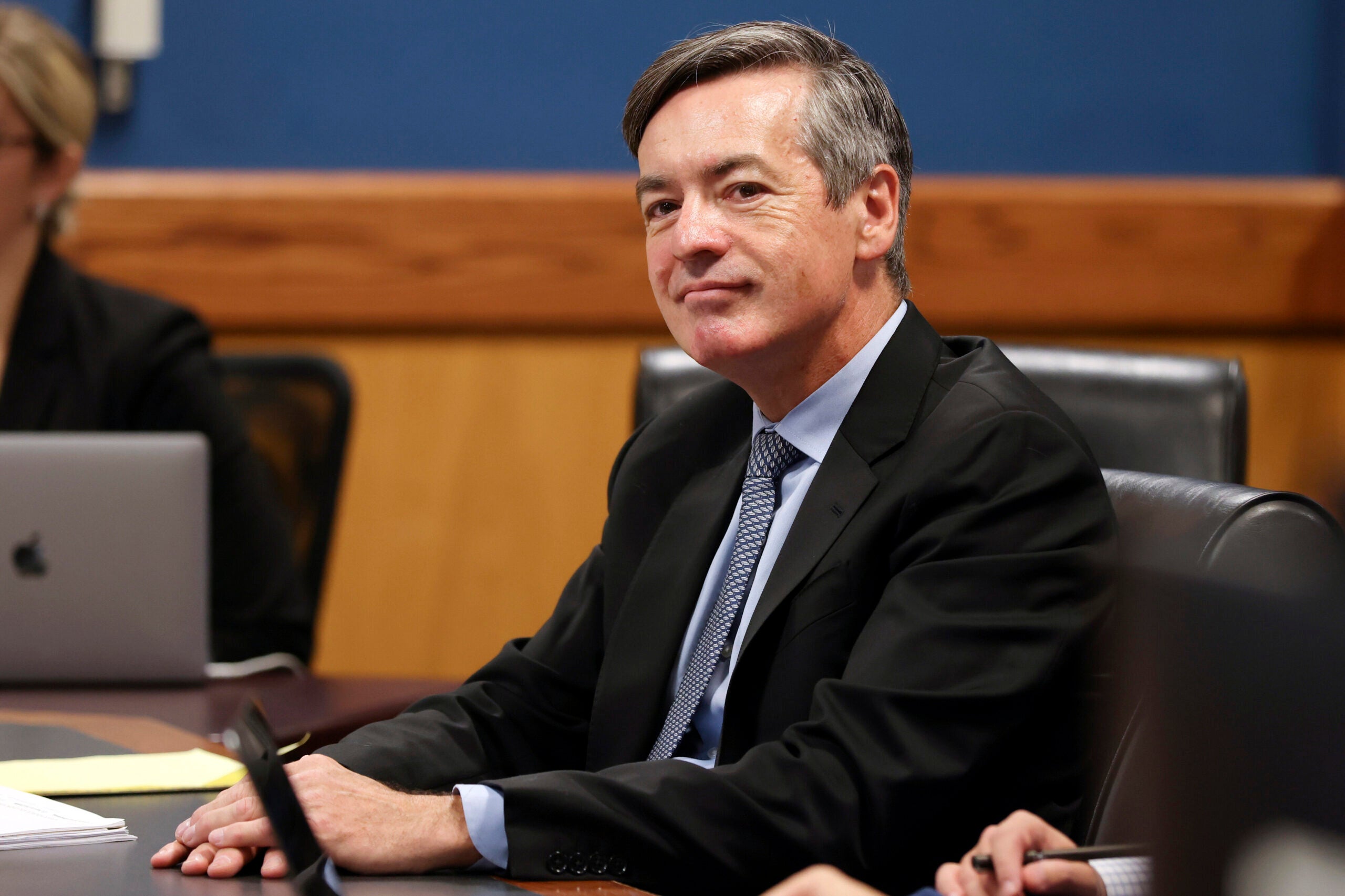
According to documents cited in Kaul’s criminal case, he and Troupis, then the lead attorney for the Trump campaign in Wisconsin, exchanged emails suggesting they’d use the alternate slate of electors to exert “leverage” on Congress.
The three have also faced charges in other states. Prosecutors have argued that the attorneys’ actions paved the way for the deadly violence on Jan. 6, 2021, when pro-Trump rioters stormed the U.S. Capitol.
Analysts: Federal pardons are a largely symbolic ‘signal’
The people on the pardon list were not facing federal charges. According to Roger Parloff, a senior editor at Lawfare, there is also a five- year statute of limitations on most federal felonies.
“It wasn’t likely that anyone was going to try to revive federal cases against the named pardoned individuals,” Parloff told WPR in an email.
Instead, legal experts say the pardons are symbolic, representing Trump’s ongoing fixation on the 2020 election. It also lumps together people at every level of the effort to overturn the results — from high-level figures, like Chesebro, who designed the plan, to the low-level figures who served as electors — and from multiple states, under the auspices of a unified effort to “expose voting fraud and vulnerabilities.”
“He’s connecting all of those activities in the states…as being of a piece and really validating the work they were doing,” said political scientist Barry Burden, who directs the Elections Research Center at the University of Wisconsin-Madison.
The pardons also serve as a signal to Trump allies, Burden added.
“He’s saying, essentially, ‘If you have my back in defending whatever allegations I make about an election, I will be with you as much as I can do at the federal level,’” Burden said
In response to the news of the pardons, the liberal law firm Law Forward, which brought earlier civil suits against the false electors, called the pardons dangerous.
“While the pardon has little immediate effect, its purpose is emblematic: it sends an unmistakable message that this White House disdains democracy and will assist, in word and in deed, any effort, no matter how extreme and outrageous, to cling to power regardless of election results,” said the firm’s president, Jeff Mandell, in a statement.
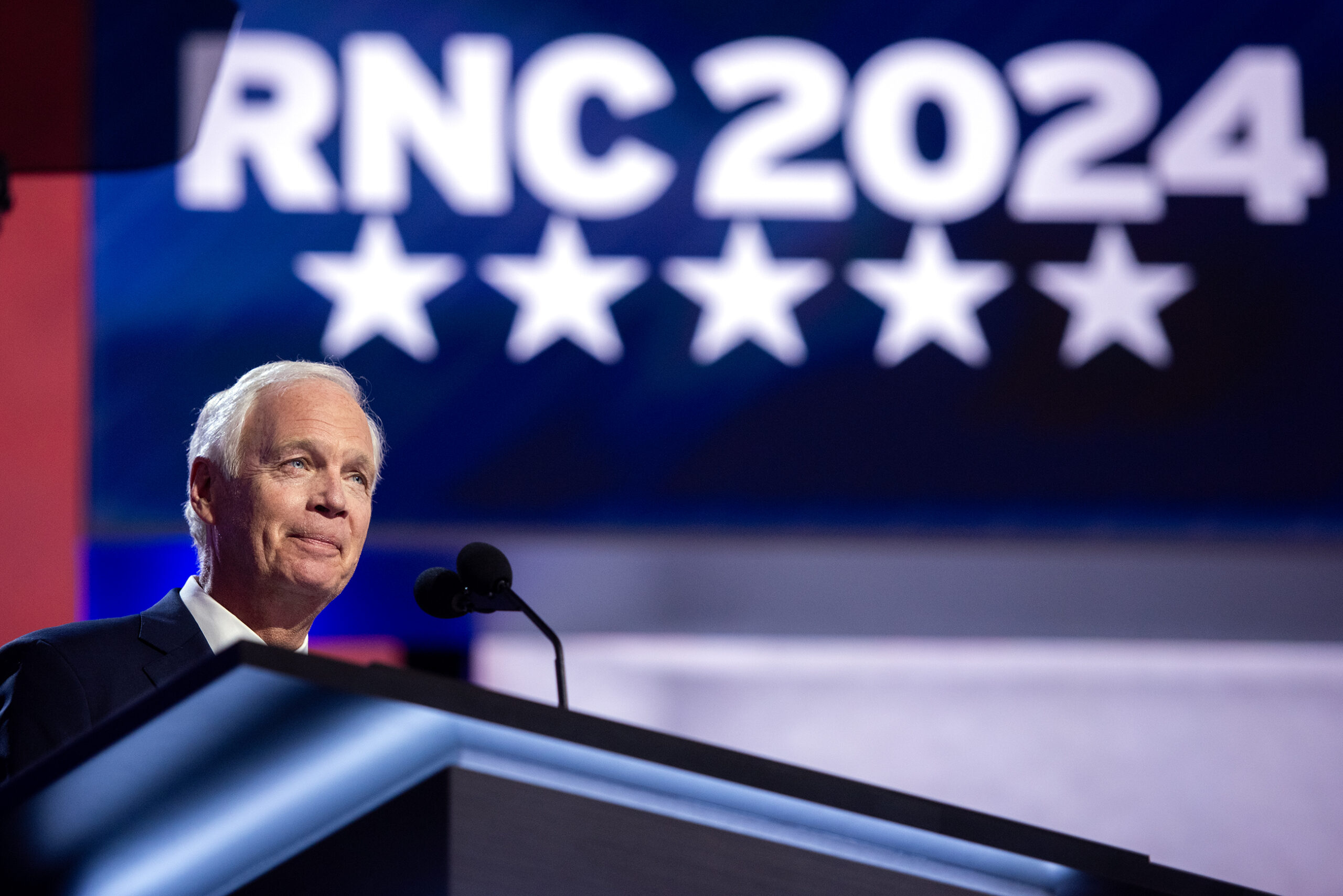
Trump allies welcomed the news, including Wisconsin’s Republican U.S. Sen. Ron Johnson. On social media, Johnson called the pardons “well-deserved” and called on Kaul to “end his corrupt lawfare against a good and honorable man, Judge James Troupis.”

Wisconsin Public Radio, © Copyright 2026, Board of Regents of the University of Wisconsin System and Wisconsin Educational Communications Board.