
The Trump administration’s recent tariff actions could make it difficult for Wisconsin dairy farmers to export excess milk products and for beef producers to access Chinese markets, state farm leaders told WPR’s “Wisconsin Today.”
Consumers are contending with the highest average effective tariff rate since 1933, at 18.6 percent, according to the most recent estimate from the Budget Lab at Yale.
President Donald Trump’s recent tariff modifications are part of his goal “to take back America’s economic sovereignty by addressing the many nonreciprocal trade relationships that impact foreign relations, threaten our economic and national security, and disadvantage American workers,” according to a White House press release.
News with a little more humanity
WPR’s “Wisconsin Today” newsletter keeps you connected to the state you love without feeling overwhelmed. No paywall. No agenda. No corporate filter.
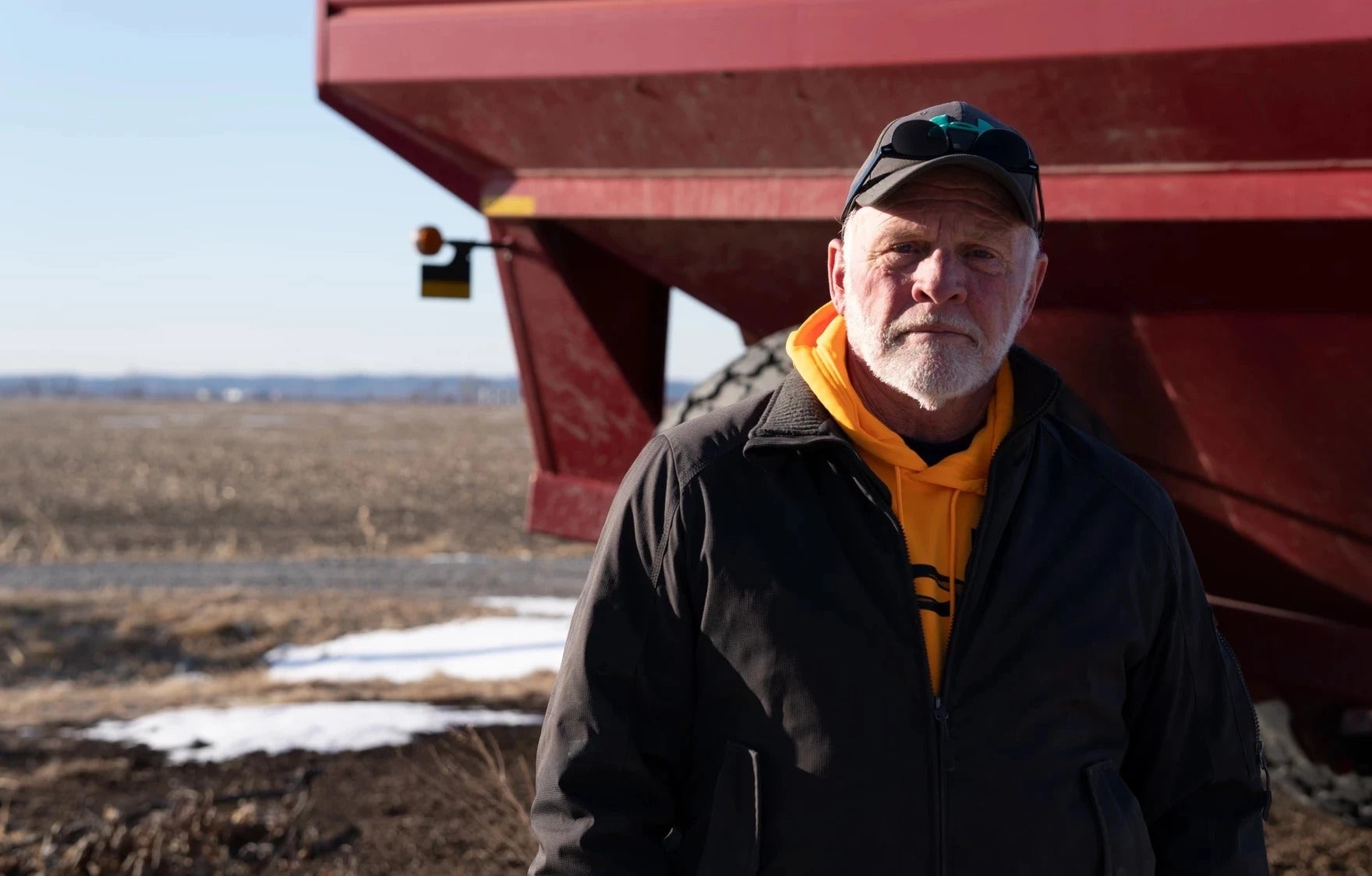
But Wisconsin Farmers Union President Darin Von Ruden said dairy farmers rely on international trade to export excess milk.
Wisconsin exported over $3 billion of agricultural products in 2024, according to a report from the University of Wisconsin-Madison Extension Farm Management program.
“We’re currently coming out of our highest milk production part of the year,” Von Ruden said. “When you have that scenario, plus these new tariffs coming on, countries not being able to afford our products … it stays here, which just then adds to that problem of lowering the price that farmers receive for their products.”
Von Ruden’s union is working on a “growth management plan” to address overproduction and limit volatile prices for Wisconsin farmers. But he said the speed of actions coming from the White House makes it difficult to build out new markets, especially because farmers have to get rid of excess dairy products that have an expiration date.
“We need to do that — most of the time — within a year,” Von Ruden said.
And tariffs have most producers in “wait-and-see mode,” when considering steps to modernize their farms, he added.
“A lot of the milking equipment, especially your robots, in this country are produced in Europe and in that region of the world,” Von Ruden said. “There’s going to be a tariff on them one way or another, which is going to make them higher priced.”
Von Ruden has a fourth-generation family farm in Westby. He’s an organic dairy farmer.
“We’re in one of those niche markets, which has certainly kept our farm viable for the last 20 years,” he said. “But eventually, if the conventional market gets to be too low a price, that ultimately affects even the organic farmers.”
Beef prices are at a high, but margins aren’t widening
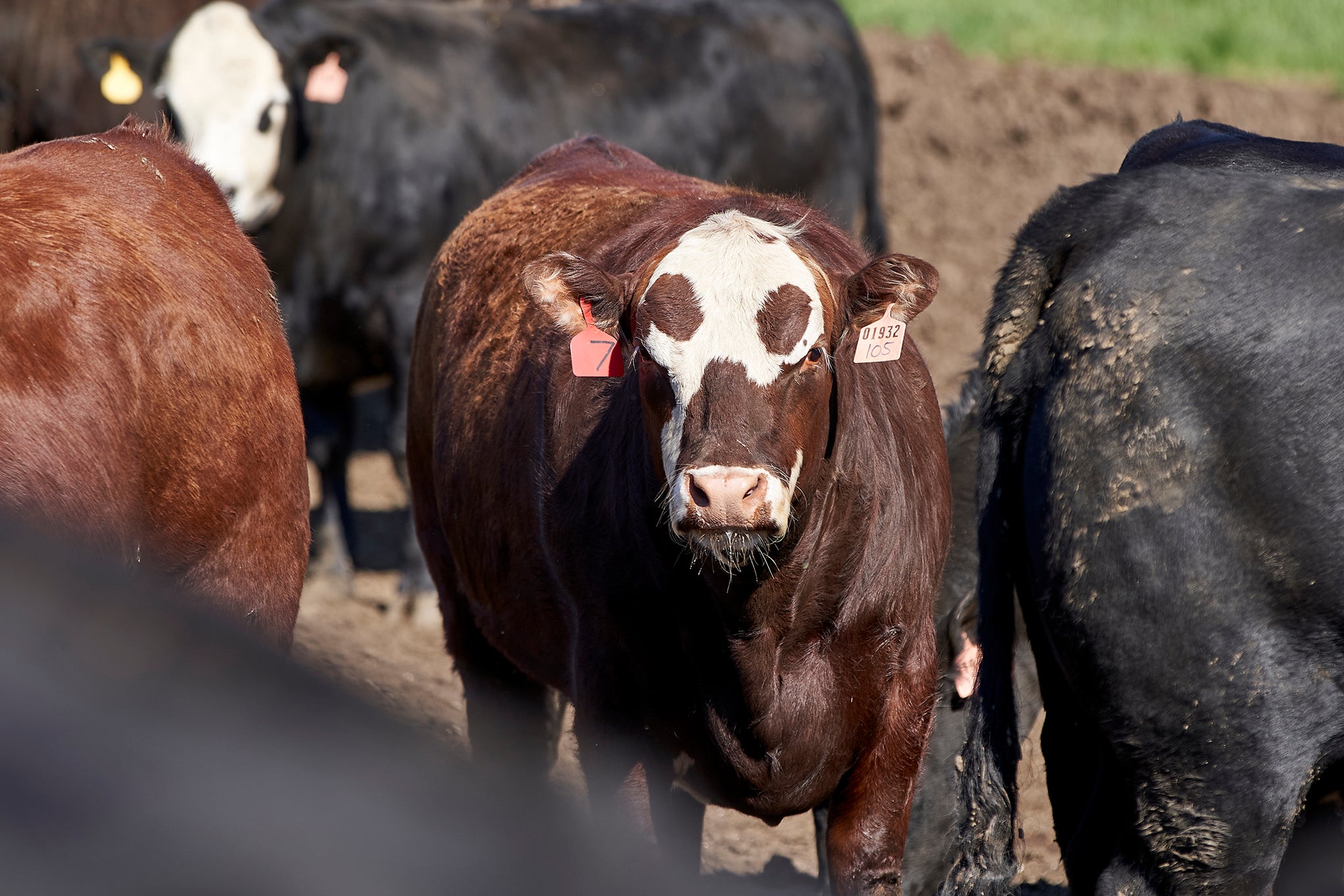
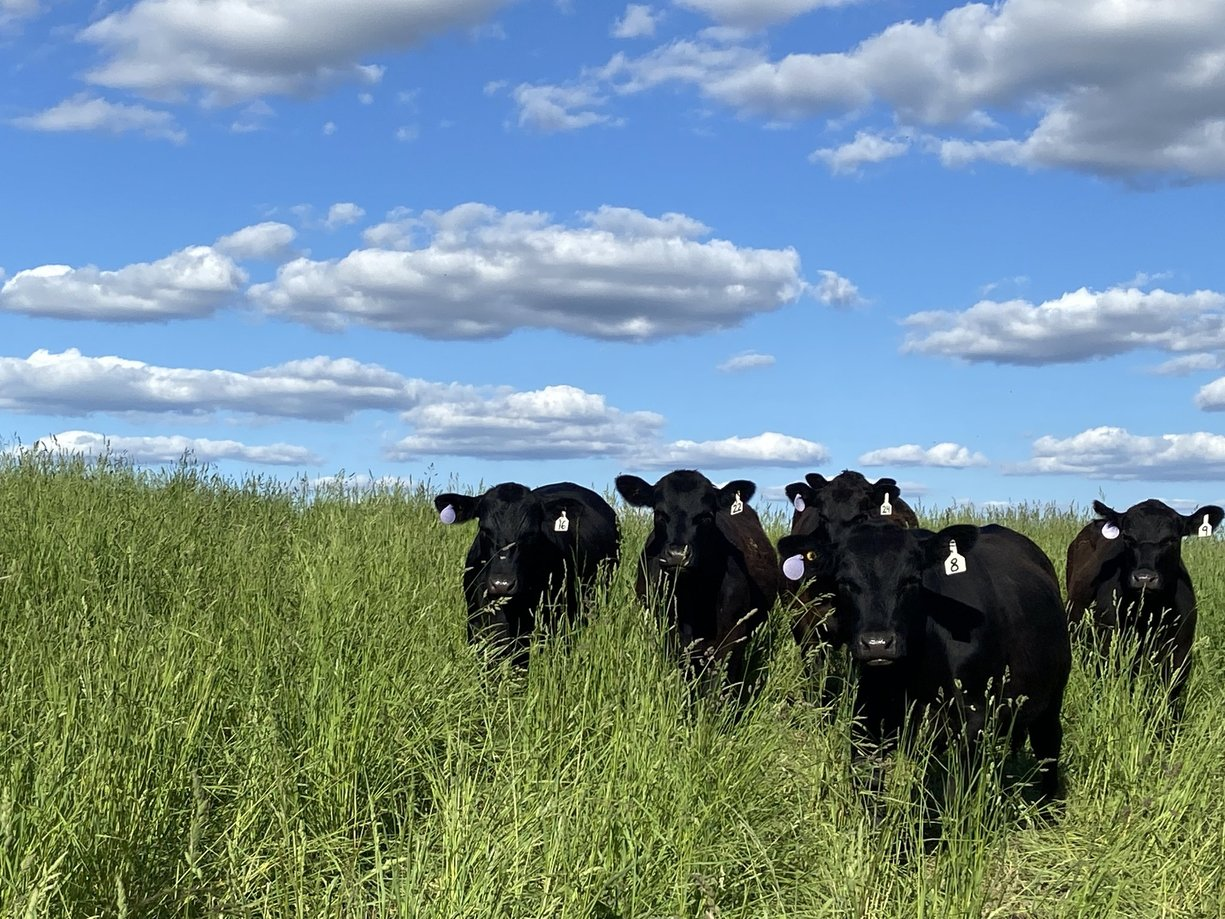
Pierce County farmer and Wisconsin Beef Council President Amy Radunz grazes about 40 head of cattle in the Driftless Area each summer. She’s a stocker cattle producer, meaning she takes weaned calves and grazes them until they reach the size and weight where they are ready to enter a feedlot.
“I think probably the most satisfying thing for me, especially in the summer, is I get to see how they change and grow,” Radunz said.
The average price of a pound of ground beef hit a record $6.25 in July.
“That doesn’t mean margins still aren’t tight,” Radunz said.
Inflation is driving up input costs for farm operations, she added.
“It’s nice that we’re making more money, but with those higher costs, we’re not making as much as maybe we would have five years ago,” Radunz said.
State beef producers have largely avoided significant impacts of recent tariffs, she added. Still, beef farmers are closely watching the Trump administration’s tariff negotiations with China.
“Because of those trade disputes, we’re currently not shipping any product to China,” Radunz said. “Southeast Asia is our biggest market for U.S. beef, especially the higher value stuff.”
A recently ordered 50 percent U.S. tariff on goods imported from Brazil could also impact the beef industry in Wisconsin, Radunz said. Brazil is one of the world’s largest beef exporters.
“We produce a high quality product with a lot of fat, and we need to import lean beef such as what Brazil would make … to make hamburger,” she said. “So even those tariffs on the imports can have an impact because that will impact things, particularly like hamburger price. And those things can affect consumer demand, as well.”