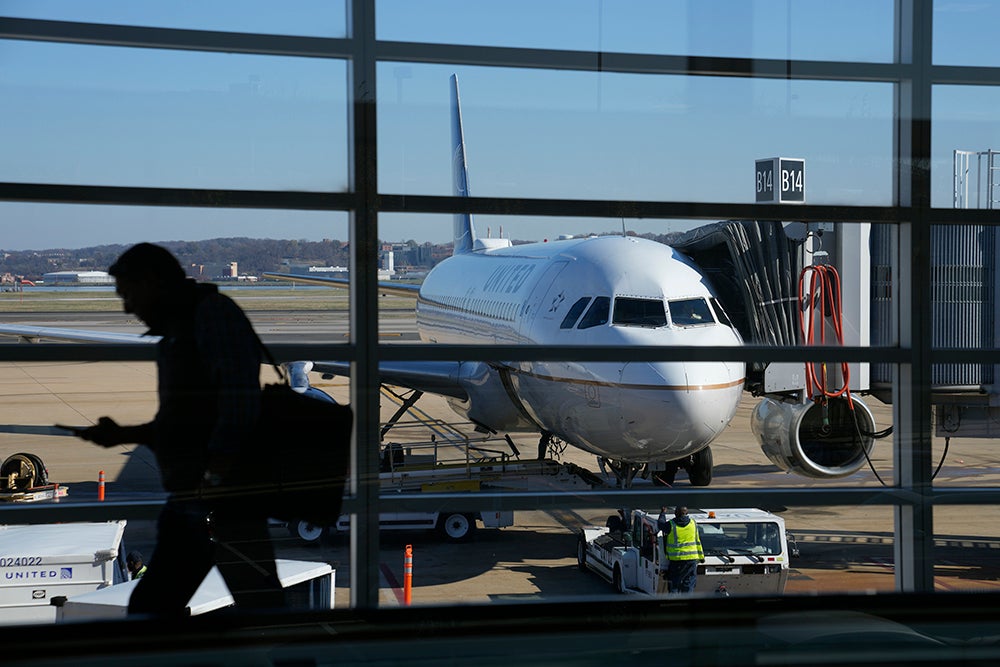
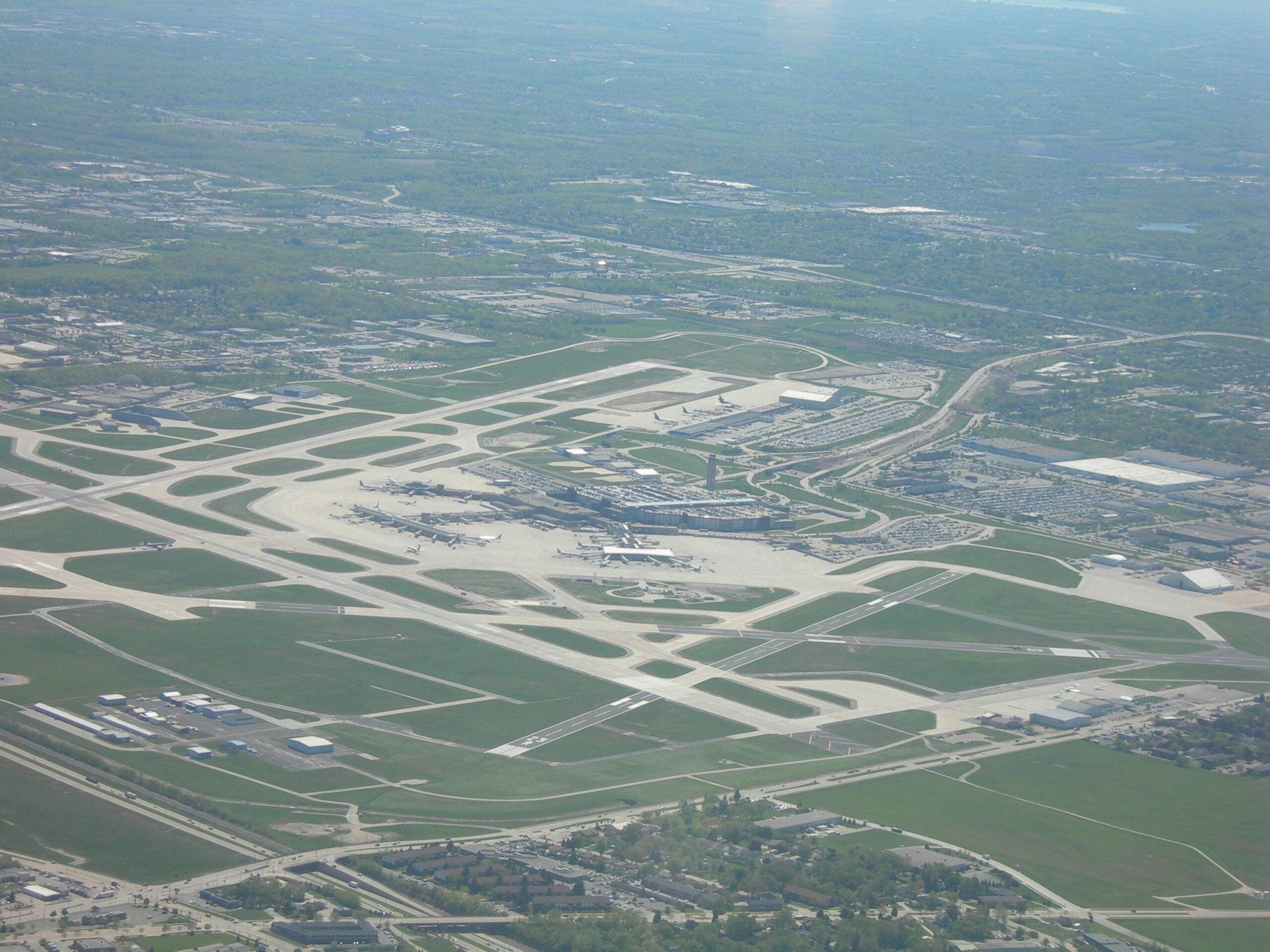
With the longest federal shutdown in American history over, flight traffic around the country has been returning to normal levels. That’s after the shutdown forced air traffic controllers to work without compensation and caused a roughly 10 percent reduction in domestic flights to make up for staffing shortages.
But in the shutdown’s wake, aviation reporter Howard Hardee with Flight Global notes airlines have felt a depression. On WPR’s “Wisconsin Today,” Hardee said domestic flight bookings are down roughly 3 percent compared to last year.
“Now, it looks like (airlines) are looking at a significant year-on-year decline in bookings, at least in the short term,” Hardee said. “This is a big deal because Thanksgiving Sunday is the busiest air travel day of the year. We’ll see how it goes through the holiday. We might see it rebound by the time Christmas and New Year’s roll around.”
News with a little more humanity
WPR’s “Wisconsin Today” newsletter keeps you connected to the state you love without feeling overwhelmed. No paywall. No agenda. No corporate filter.
On “Wisconsin Today,” Hardee spoke about air traffic controller hiring challenges, airline concerns and the extended impact of the federal shutdown on aviation.
The following interview was edited for brevity and clarity.
Rob Ferrett: This shutdown is the longest in U.S. History. What big picture do you see as its legacy for aviation?
Howard Hardee: Some flight controllers were calling out sick while others were stepping down entirely, and this led to traffic flow problems at big airport hubs. I was on a flight a couple of weeks ago that circled San Francisco for an extra 45 minutes before we touched down, and the airline attributed that delay directly to the air traffic controller shortage.
Most people who traveled during that period likely had a similar experience, spending more time taxiing before takeoff, more time waiting to land or having their departure time delayed. There just weren’t enough ATC personnel to clear the queues. What I think is interesting now is how the shutdown standoff could affect airlines and the ATC situation moving forward.
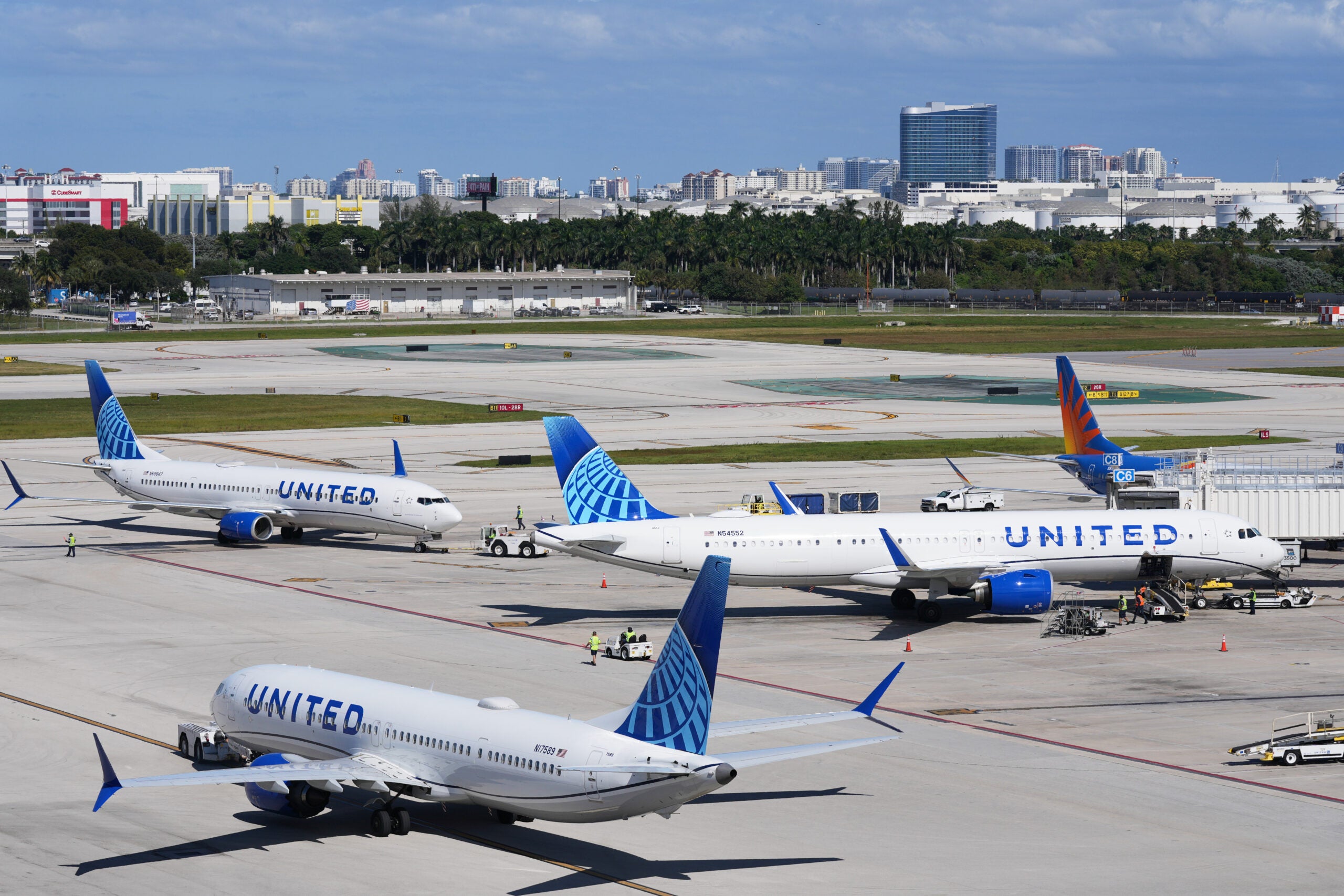
RF: Before the shutdown, I understand there were concerns about the air traffic controller workforce — not enough of them, people retiring, it’s obviously a stressful job. That hasn’t magically gone away now that the shutdown is over, right?
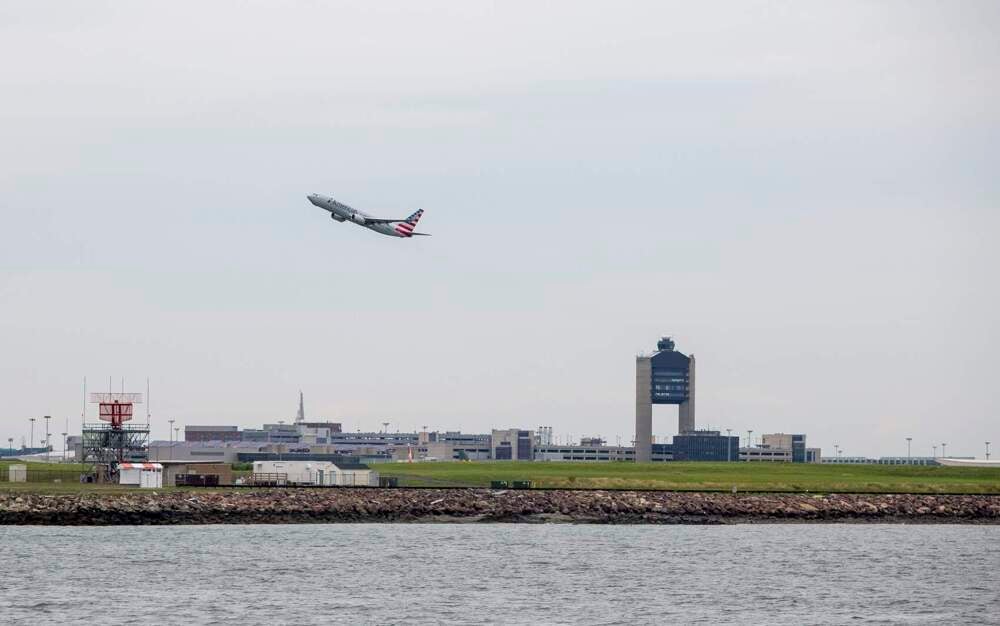
HH: No. The shutdown happened in this longer-term context where we just haven’t had enough ATC workers in the U.S., and more specifically in the northeast, in cities like D.C. and New York and Boston, really busy hubs up there.
This has been a long-standing issue. Airlines have been calling for some kind of action to address this shortage for years and the Trump administration has made a big hiring push. They’ve set some ambitious staffing targets, created incentives for signing on and they’ve tried to streamline the training process to shorten the time it takes from the application stage to being a trained, independent controller.
RF: There are concerns about air traffic controller retirement going up during the shutdown in particular. Have we lost people toward the end of their careers who we might have had around for maybe another three or five years while we train up some new folks?
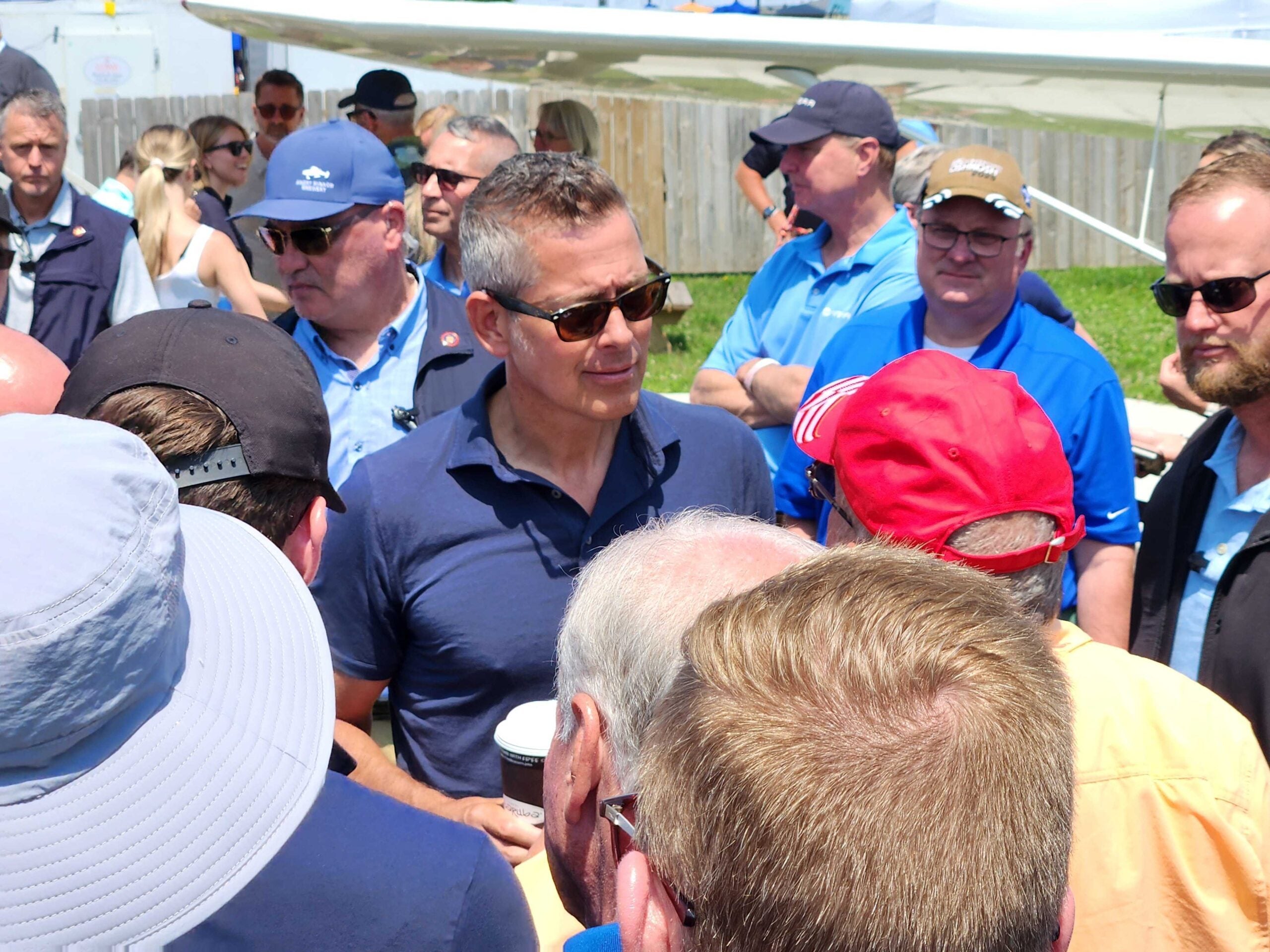
HH: Transportation Secretary Sean Duffy said they were losing 15 to 20 controllers daily to retirement during the shutdown period, compared with the usual rate of more like four or five daily retirements. Clearly, attrition increased rather sharply and it sounds like some of their hiring gains could have been negated, but to what extent isn’t immediately apparent.
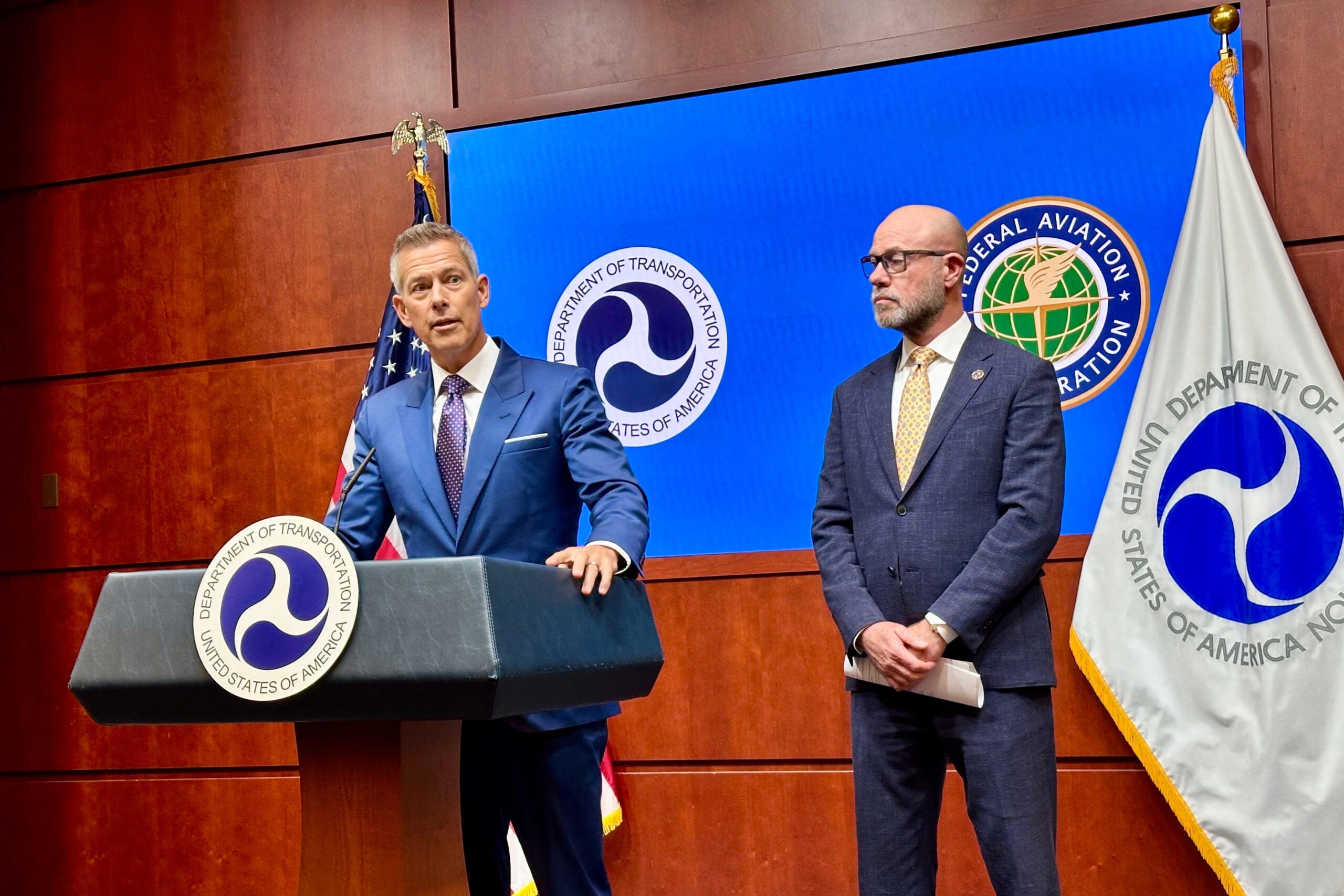
I think what the shutdown really did was put a spotlight on how stressful being a controller can be. Hundreds of lives are at stake, and you’re managing these complex airspaces with just so many moving parts.
And then there’s this extra layer of pressure from coming on high. The President is taking to social media to sort of blast controllers who weren’t clocking in, in some cases questioning their patriotism for taking sick days.
Whether the shutdown has any sort of effect on the FAA’s recruitment efforts and their ability to staff ATC towers in the future will be an interesting question. Did this episode really sell people on this career path, or does it seem too high-stress? It’s kind of hard to say right now in the big picture, but that will definitely be interesting to watch.
RF: Was it easy for airlines to get back to full capacity after the FAA lifted restrictions on commercial flights?
HH: The airline cancellations and delays got a lot of coverage, and I understand why. It’s a really clear example of government dysfunction spilling over into the real world and affecting everyday travelers in a practical way.
But relative to some other stuff that trips up airline operations, like technology outages, bad weather or labor union action, the shutdown didn’t really register as a crisis from our perspective as aviation reporters.
A 10 percent reduction in air traffic isn’t an emergency relative to, you know, Air Canada shut down 100 percent of its network over the summer because their flight attendants were on strike. Or compared to Southwest Airlines having this complete network meltdown over the 2022-23 winter period, which caused something like 17,000 flight cancellations.
The shutdown period was meaningful and people’s itineraries were disrupted. We’ve all been there and it stinks. But maybe it was a bit oversold as this apocalyptic event.
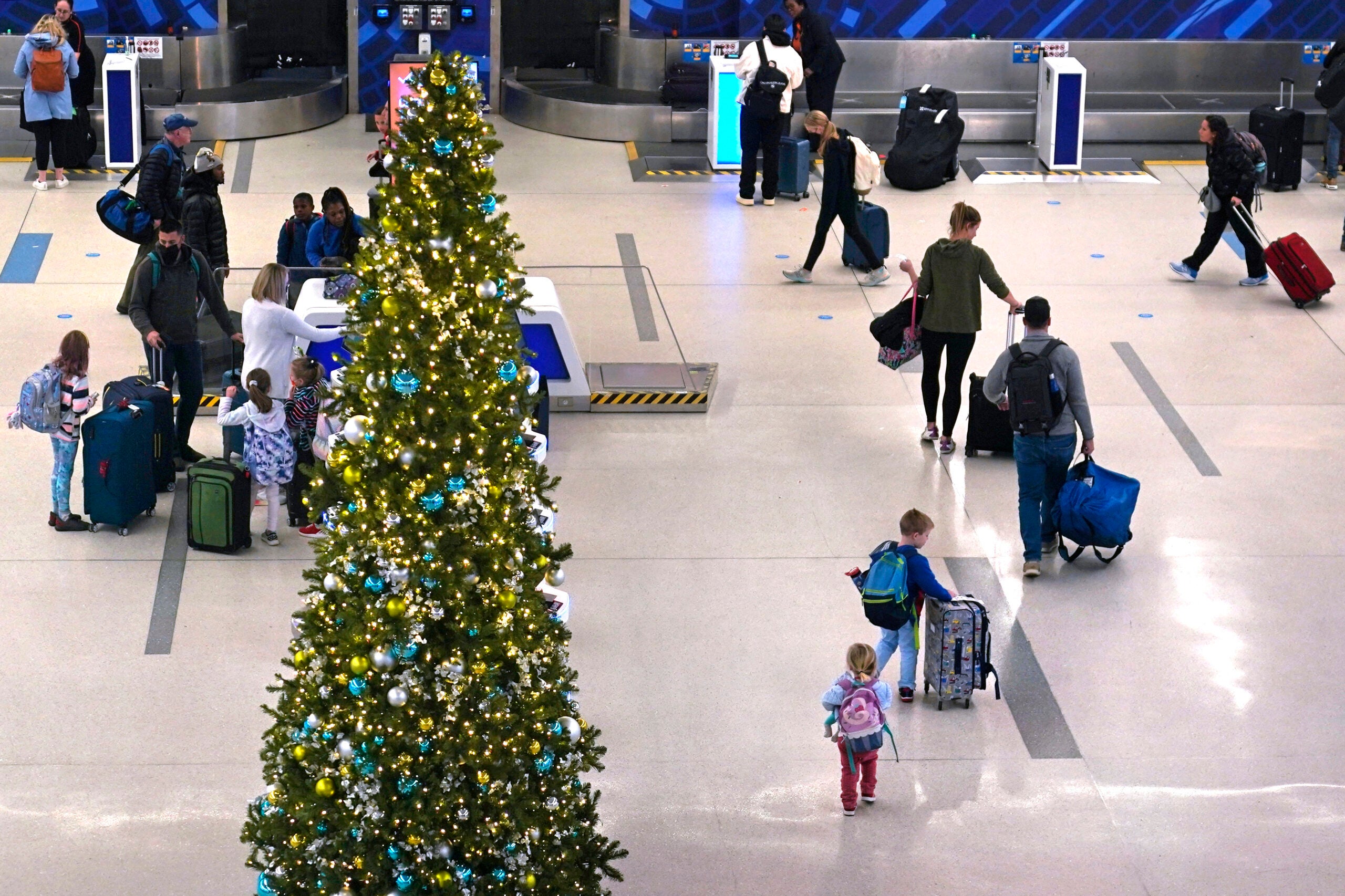
What is interesting is that we’re seeing a suppression in bookings. Further out, it appears that the shutdown has had a negative effect on air travel through the Thanksgiving holiday period, which is supposed to be a boom time for airlines. It’s bad news for the airlines that are hoping to put some of the earlier year struggles behind them.
RF: Is there a sense that we are less safe in the air because of these problems?
HH: There really are lots of aviation safety incidents around the world every day.
I don’t want to downplay people’s concerns. I think that has always been true to some extent, although there are more planes flying today than ever, and I think people are just more aware now with the rise of social media and everybody being able to become their own crash investigator.
The U.S. had that long period, though, of no fatal accidents on commercial aircraft prior to the PSA airlines-Blackhawk crash at Reagan airport in D.C. I feel like since then, we’ve been sort of shaken awake here in the U.S.
Airline safety certainly isn’t something to take for granted, and these tragic accidents can help us avoid similar outcomes in the future.
I hope that the reality of what can go wrong helps airlines and aircraft manufacturers and regulators — and indeed ATC controllers … I hope they can tighten up their respective operations and try to avoid these outcomes.