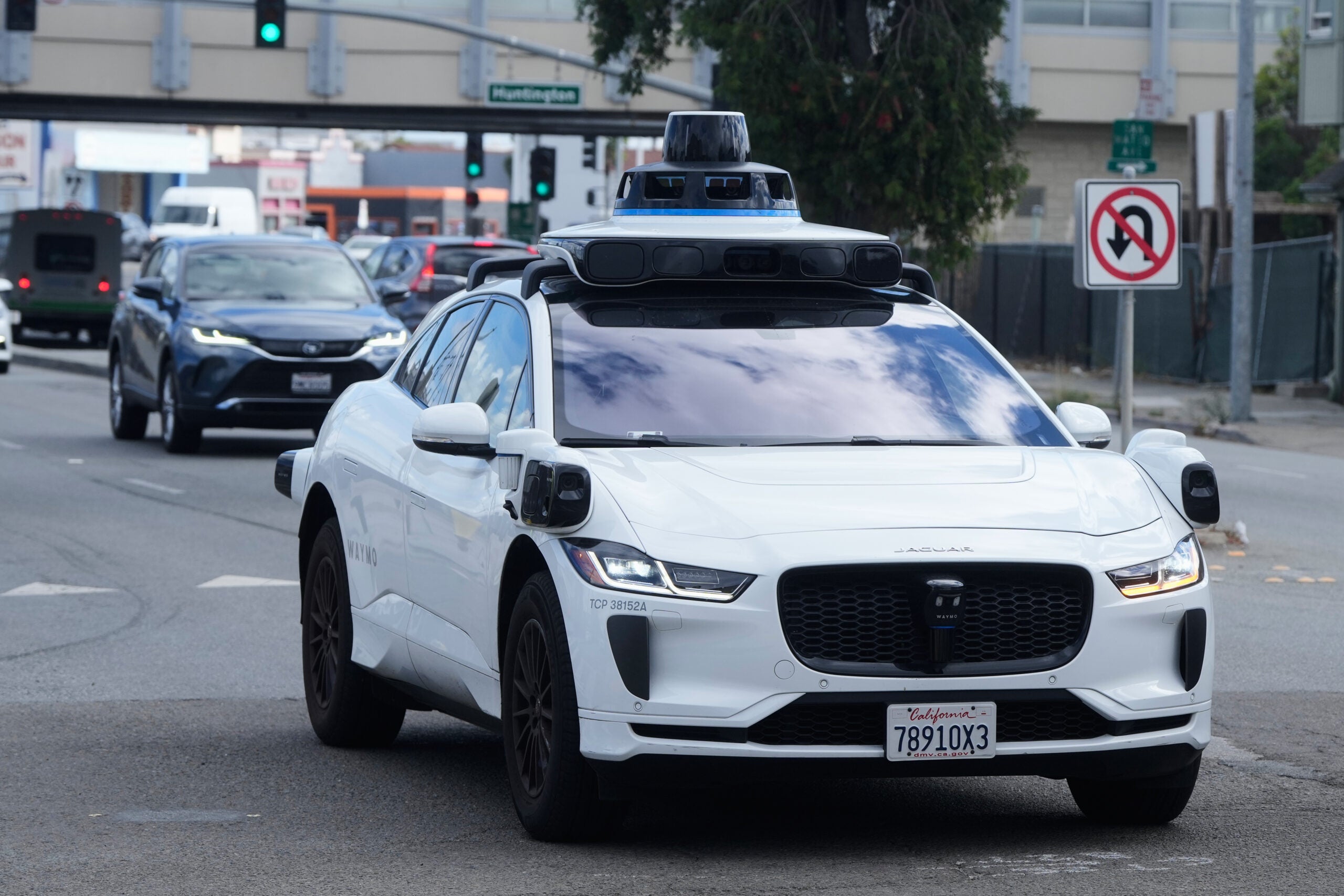
Republican lawmakers are floating a new bill to pave the way for self-driving cars on Wisconsin roads.
The proposal is being circulated by state Sen. Rachel Cabral-Guevara, R-Fox Crossing, and Reps. Dave Maxey, R-New Berlin, and Nate Gustafson, R-Omro. The bill would create a safety board to oversee autonomous vehicles. Under the bill, anyone seeking to operate a driverless car in the state would have to obtain a permit from the board.
State law doesn’t allow for automated driving systems that don’t need someone in the driver seat to operate the vehicle.
News with a little more humanity
WPR’s “Wisconsin Today” newsletter keeps you connected to the state you love without feeling overwhelmed. No paywall. No agenda. No corporate filter.
More than half the states in the nation allow testing or operation of self-driving cars on public roads, and Cabral-Guevara said Wisconsin needs to catch up. She said autonomous vehicles would improve transportation for underserved groups in rural and urban Wisconsin.
“We have elder folks who might need to get to a medical appointment or get to a grocery store. We have disabled folks that might need to get to work or get some necessities,” Cabral-Guevara said. “For folks that aren’t driving, this is a godsend.”
According to the Badger Institute, Wisconsin has less than a handful of driverless vehicles for testing and research at the University of Wisconsin-Madison and Gateway Technical College in Racine.
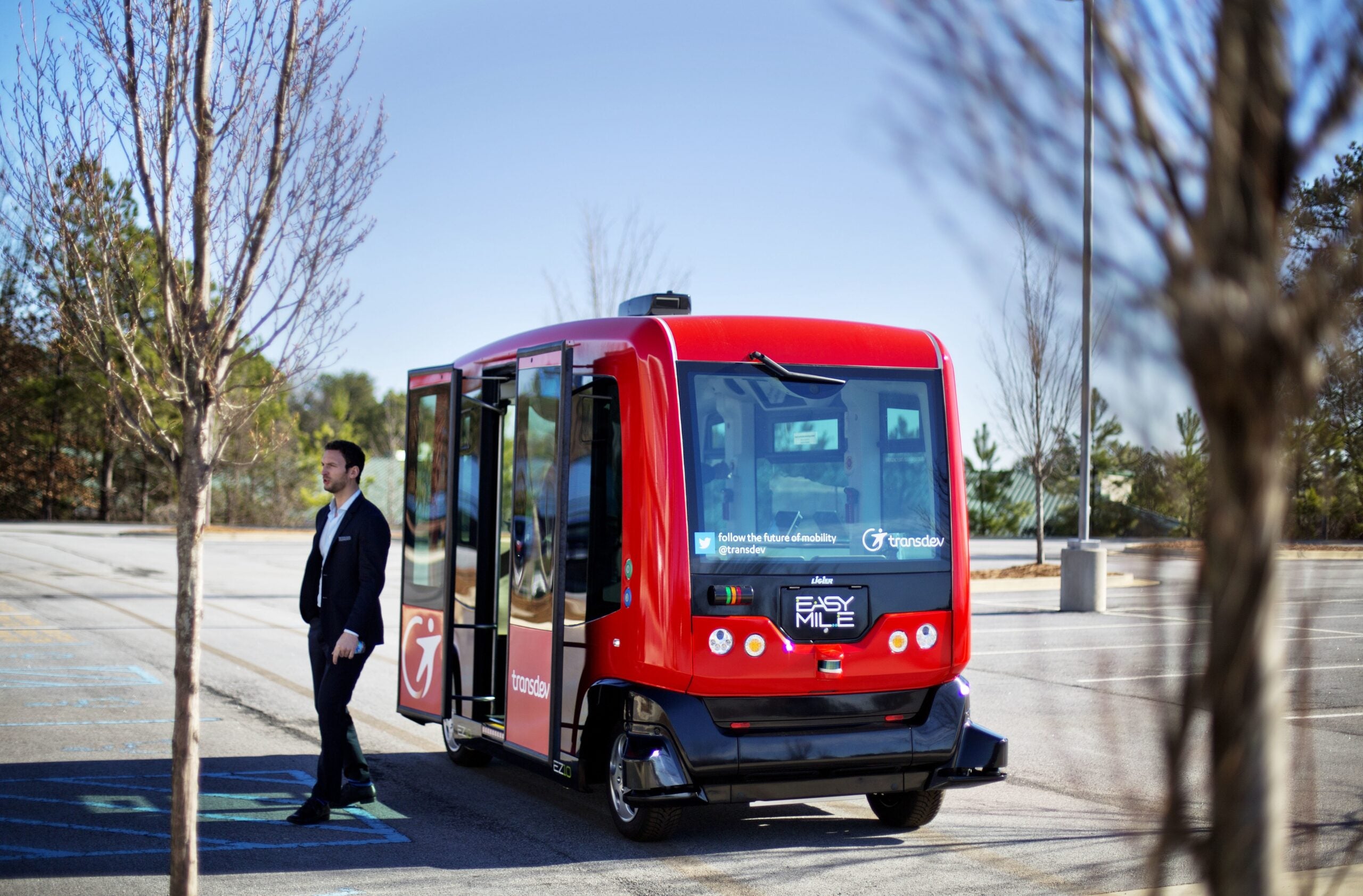
The GOP bill would require anyone seeking a permit for self-driving cars to title and register the vehicle with the state Department of Transportation, provide proof of financial responsibility and provide information for emergency services personnel on how to interact with the vehicles. The proposal also requires submission of an annual report on safety, operations and other relevant details.
Cabral-Guevara said lawmakers worked with Tesla on the bill as the company’s CEO Elon Musk has said he intends to put hundreds of thousands of self-driving cars on the road by the end of this year. However, the company is under federal investigation for traffic safety violations for cars in full self-driving mode after dozens of complaints.
Xiao Qin is founder of the Safe and Smart Traffic Lab at UW-Milwaukee and a member of the Wisconsin Automated Vehicle External Advisory, or WAVE, Committee. He said the bill is a step in the right direction, adding the vehicles are generally safe.
“Autonomous vehicles are supposed to be safe. Of course, reliability of technology is always a challenge. No technology is perfect,” Qin said. “But the technology keeps improving.”
The bill could make the state more competitive nationally in technological innovation for autonomous vehicles, said Xiaopeng Li, director of the Connected & Autonomous Transportation Systems Lab at UW-Madison.
“I fully agree that AV technology is capable of reducing adversary impacts from human driver errors and constraints and thus significantly improving transportation safety and efficiency when proper and scientific evaluation and oversight mechanisms are in place,” Li said in an email.
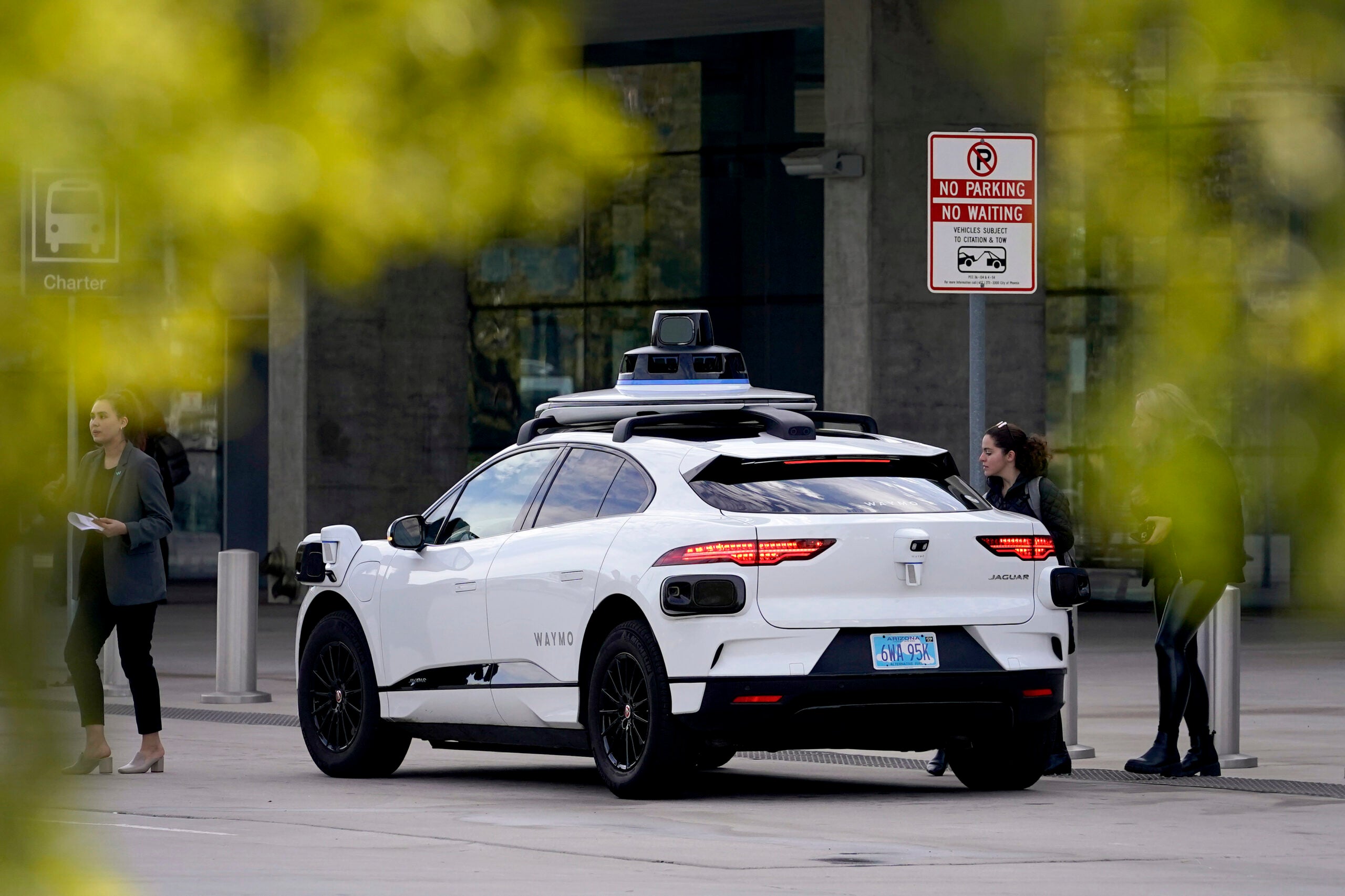
Compared to average human drivers, Waymo has said its self-driving cars had 90 percent fewer serious injury crashes and 92 percent fewer involving pedestrians. However, the subisidiary of Alphabet Inc., Google’s parent company, drew scrutiny in December after a mass power outage in San Francisco led to the vehicles to stop, blocking intersections and roads.
Inclement weather poses another safety issue with the vehicles, Cabral-Guevara said. Driverless cars use cameras, lidar and radar sensors to gauge the position of vehicles within lanes. One challenge is that cameras struggle to detect lane markers on snow-covered roads. The programs can also struggle to track cars and pedestrians in wintry weather or fog.
But companies like Waymo say they’re building autonomous systems that work in diverse conditions, and it’s spent years testing its vehicles in Michigan.
“I believe that we’ll also be able to make it work here in the state of Wisconsin,” Cabral-Guevara said.
Bill would tighten drunk driving rules for those in self-driving cars
The bill also includes a provision that would lower alcohol thresholds if a person is operating an autonomous vehicle. Art Harrington questions that provision, saying that’s one of the benefits of driverless cars. He’s an attorney with Godfrey & Kahn working on environmental and energy issues, and also a member of the WAVE committee.
“If somebody is inebriated and they’re coming from a bar and calling an autonomous vehicle to take them home, that should be clarified that the mere fact that you exceed that level should not be a violation of drunk driving laws,” Harrington said.
He noted the bill would also prevent the board from approving operation of driverless cars on interstate highways, which he believes should be allowed.
Cabral-Guevara said federal agencies would address operation of the vehicles on interstate and defense highways while the board would regulate them on state highways or county roads. On the alcohol provision, she said the vehicles shouldn’t be abused by people under the influence of alcohol or other substances.
Ultimately, the bill’s supporters hope it will grow the industry and workforce related to emerging technologies.

Wisconsin Public Radio, © Copyright 2026, Board of Regents of the University of Wisconsin System and Wisconsin Educational Communications Board.