Recent test scores show that only about half of Wisconsin students are proficient in reading. Those numbers are even more stark for Native American students.
In 2022, only 5 percent of Native third graders in Brown County were reading at grade level.
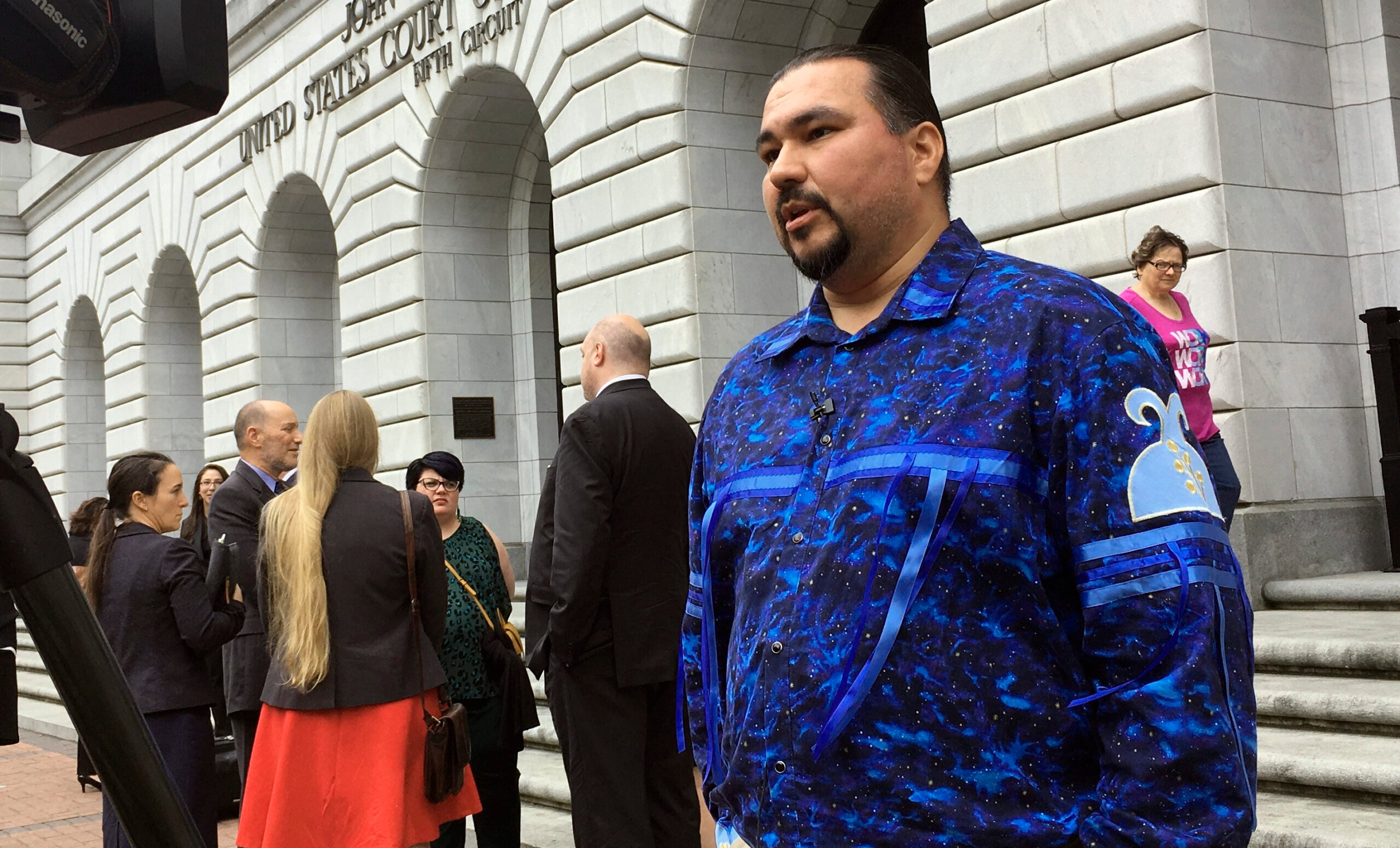
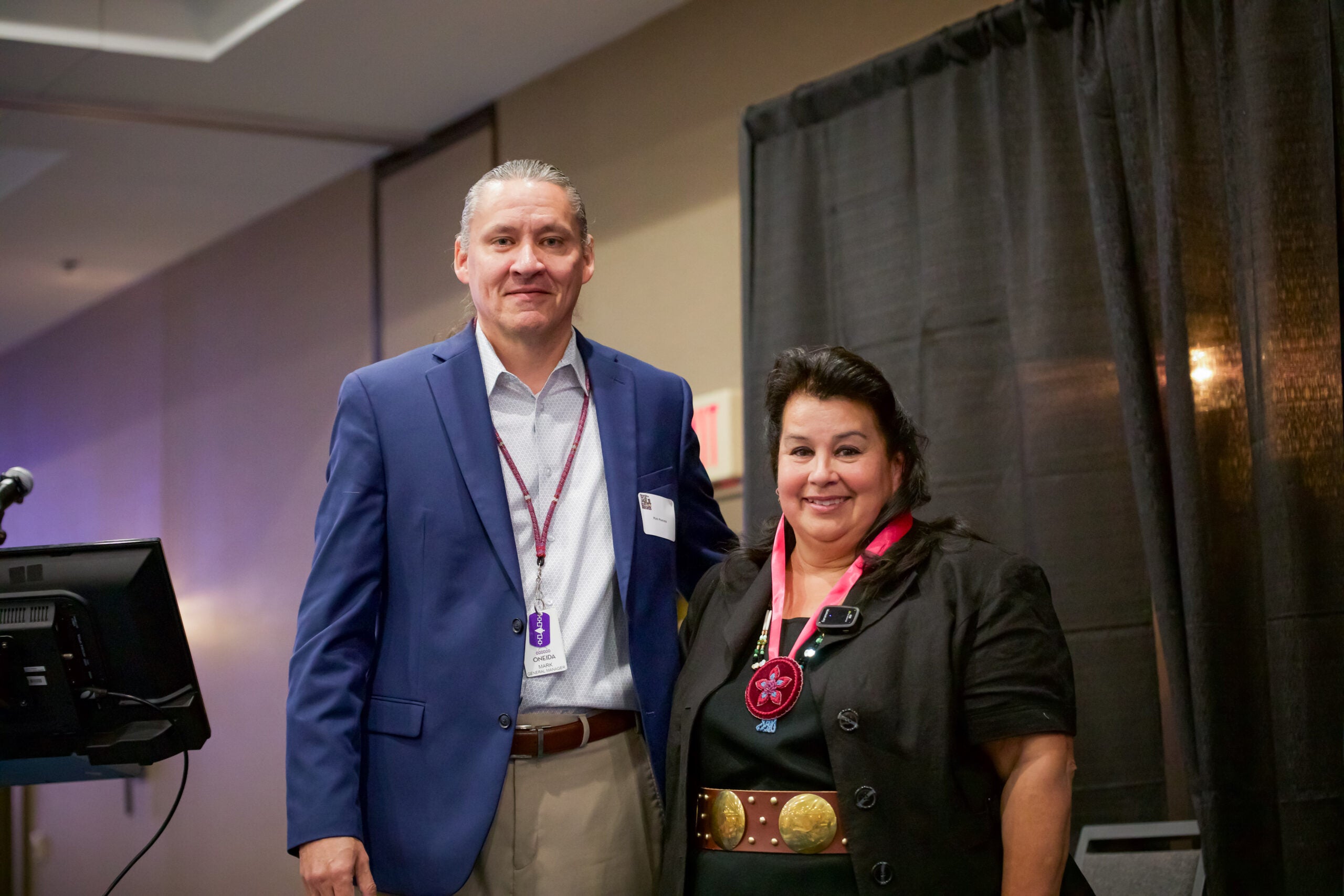
“To find out that 95 percent of our children were struggling — it hurts,” Jennifer Webster, who serves on the tribal council for Oneida Nation, told WPR’s “Wisconsin Today.”
News with a little more humanity
WPR’s “Wisconsin Today” newsletter keeps you connected to the state you love without feeling overwhelmed. No paywall. No agenda. No corporate filter.
“We’re a multimillion-dollar government,” she said. “There’s got to be something more we can do for our community.”
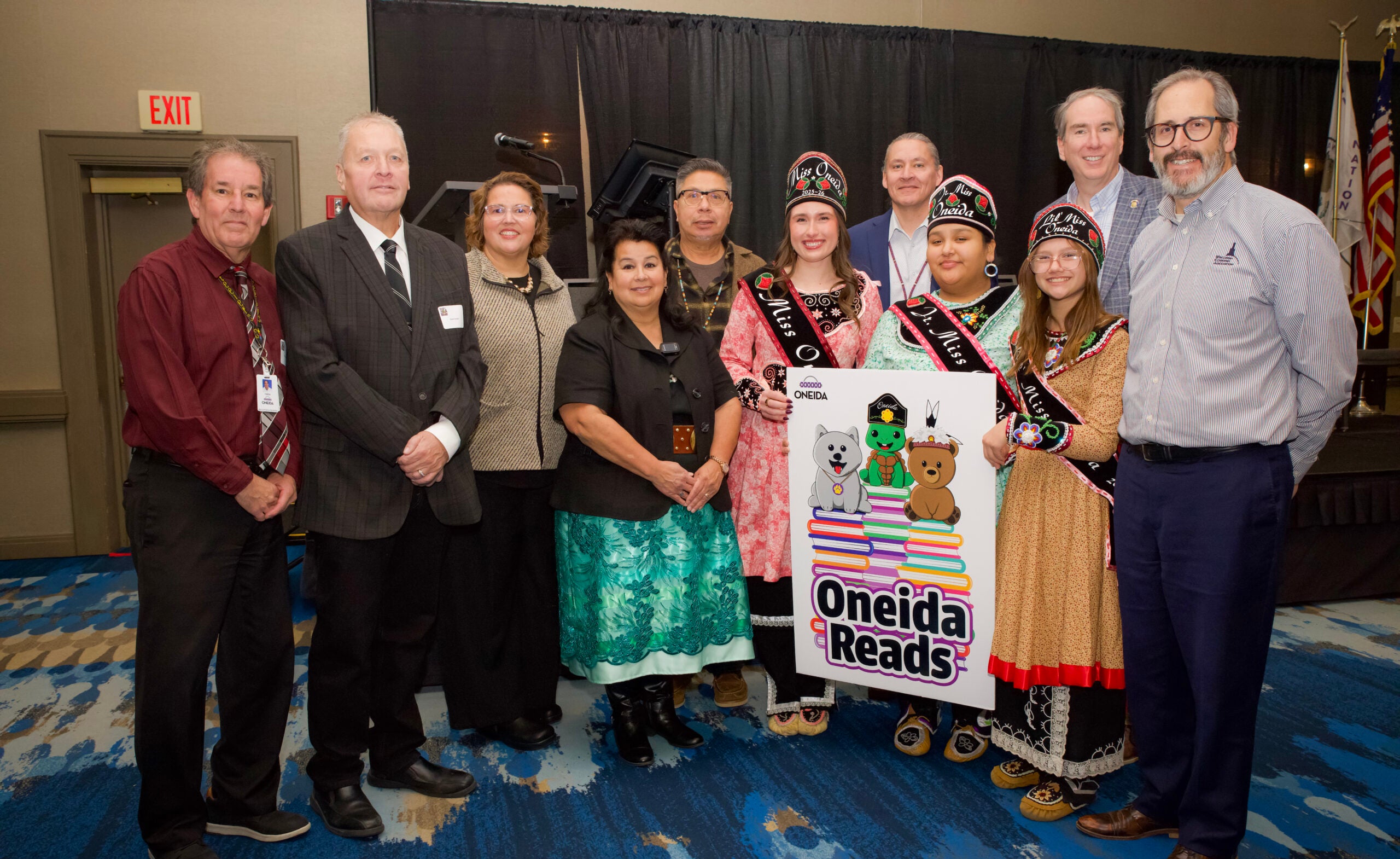
So the tribe decided to take action. The result is Oneida Reads, an initiative that aims to get all Oneida students up to reading level by third grade, which educators hold up as an important benchmark for literacy.
“Up until third grade, students are learning how to read, and then after third grade, students are reading to learn,” said Mark Powless, CEO of Nation Services for Oneida Nation. “It’s vitally important that our students are on track with their reading, so that once they are reading to learn, they are academically prepared for success.”
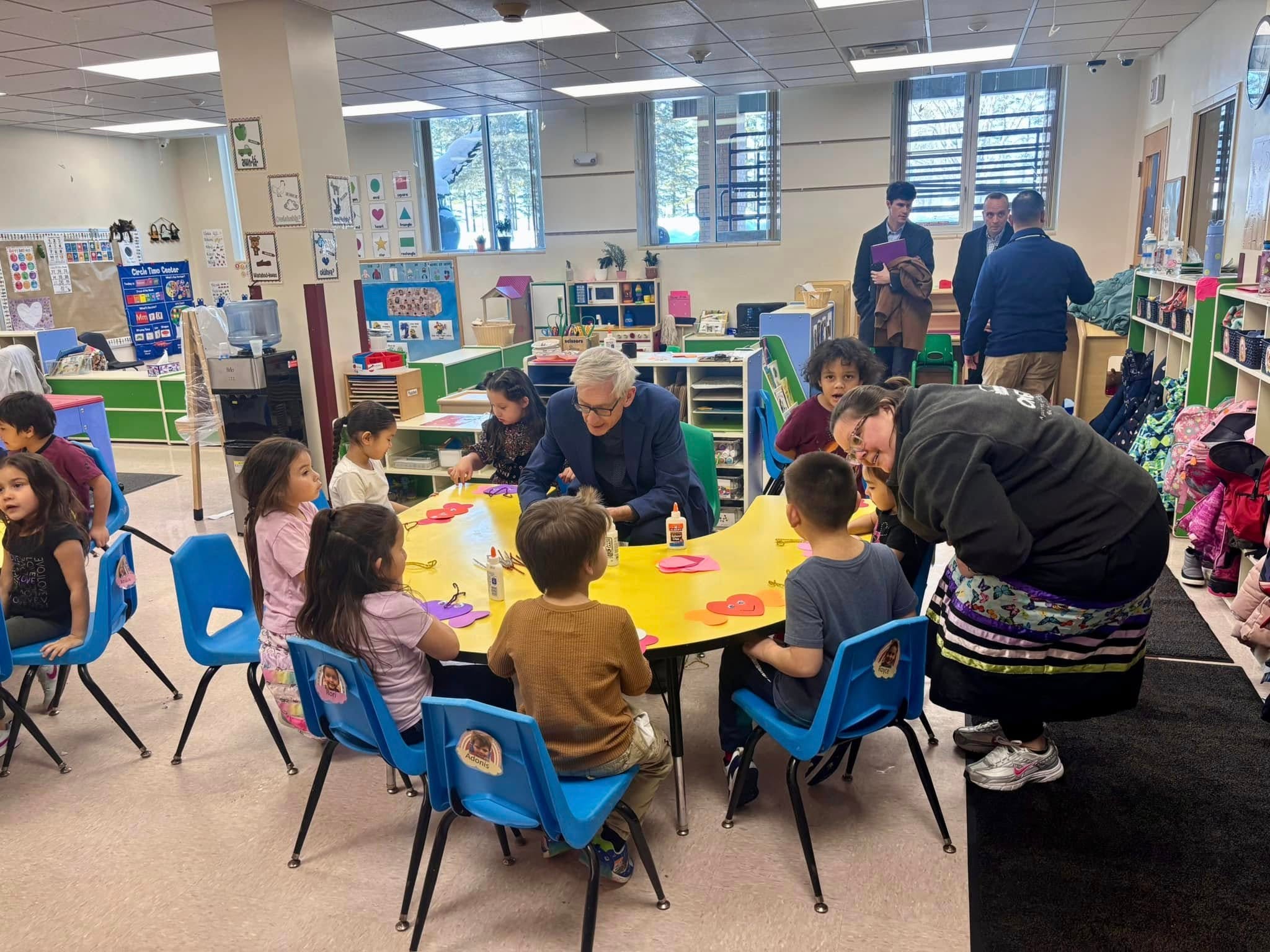
Oneida Reads has teamed up with four public school districts to offer in-school support through the tribe’s Youth Enrichment Services program. The program provides teachers trained in structured literacy who work with Native students on a daily basis.
Oneida Reads also has after-school and summer programming to keep the learning going outside the classroom. Ann McCotter, the project lead for Oneida Reads, said “high-dosage tutoring” of 20 to 30 minutes at least three times a week is ideal for boosting literacy. Many of these tutors come from Wisconsin Reading Corps, an AmeriCorps program that is active in about 60 school districts across Wisconsin.
“It’s really important that we make sure kids get enough of that tutoring,” McCotter said.
McCotter said Act 20 helped get Oneida Reads off the ground. The state law was passed with bipartisan support in 2023 and went into effect during the 2024-25 school year after a protracted political battle over the release of funds.
McCotter said the law’s focus on structured literacy, also called “the science of reading,” has been a game-changer for local literacy efforts.
“It really is making a difference, and we do believe that Oneida kids are going to be much more likely to learn to read by third grade if they’re given that structured literacy instruction,” she said.
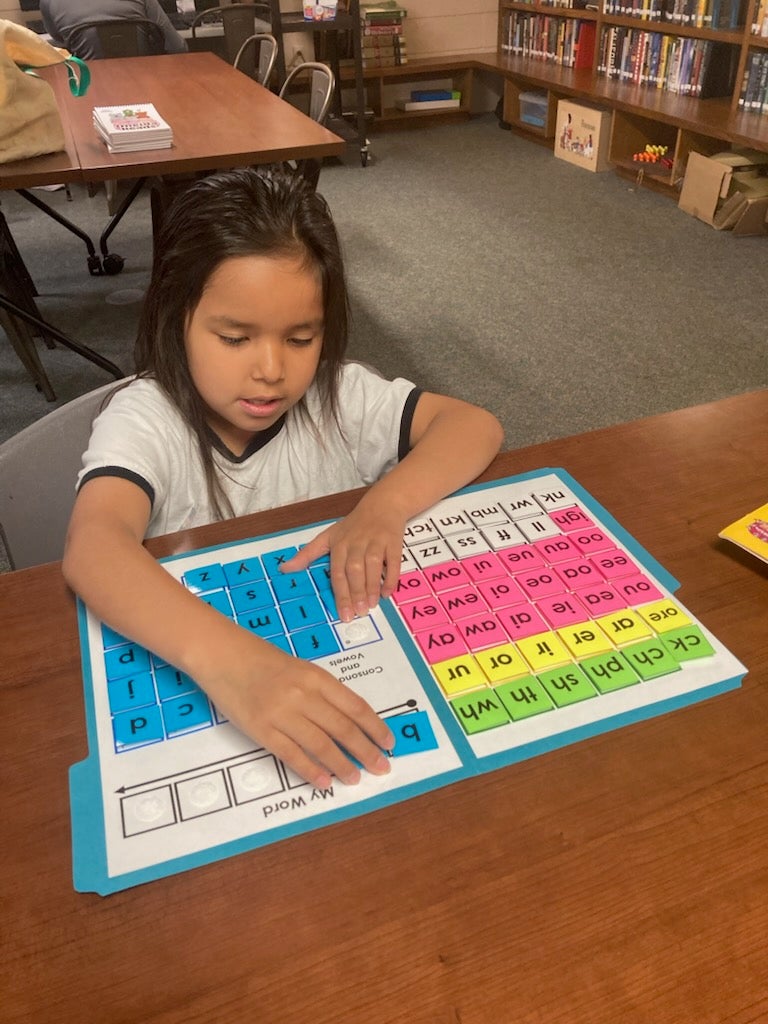
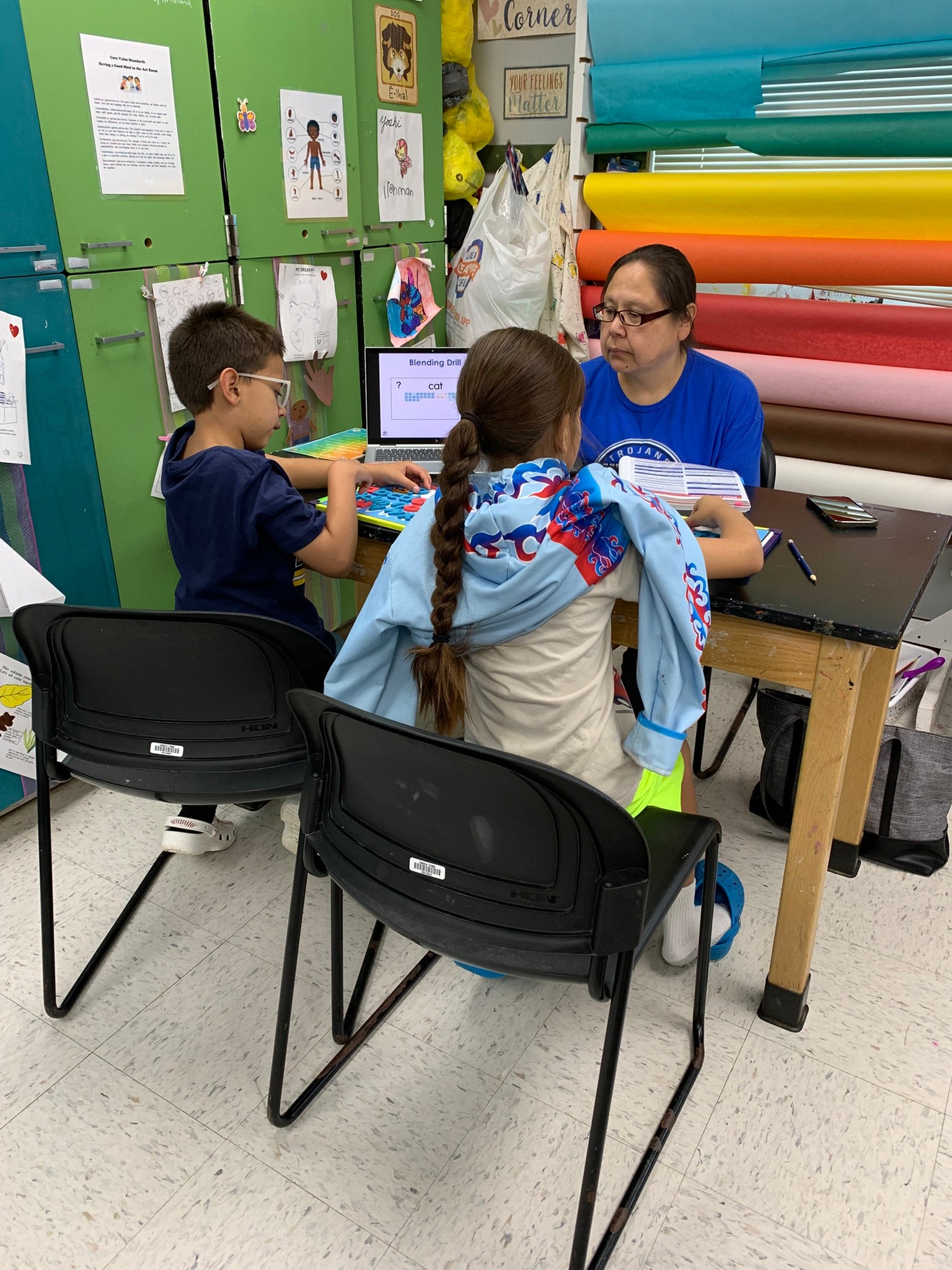
In its first year, Oneida Reads has made big strides. At the end of the 2025 school year, 20 percent of Native third graders in Brown County were meeting or exceeding reading standards, according to data from the Forward Exam, a statewide test taken by third through eighth graders. In Outagamie County, 32 percent of Native third graders are now up to speed with reading proficiency.
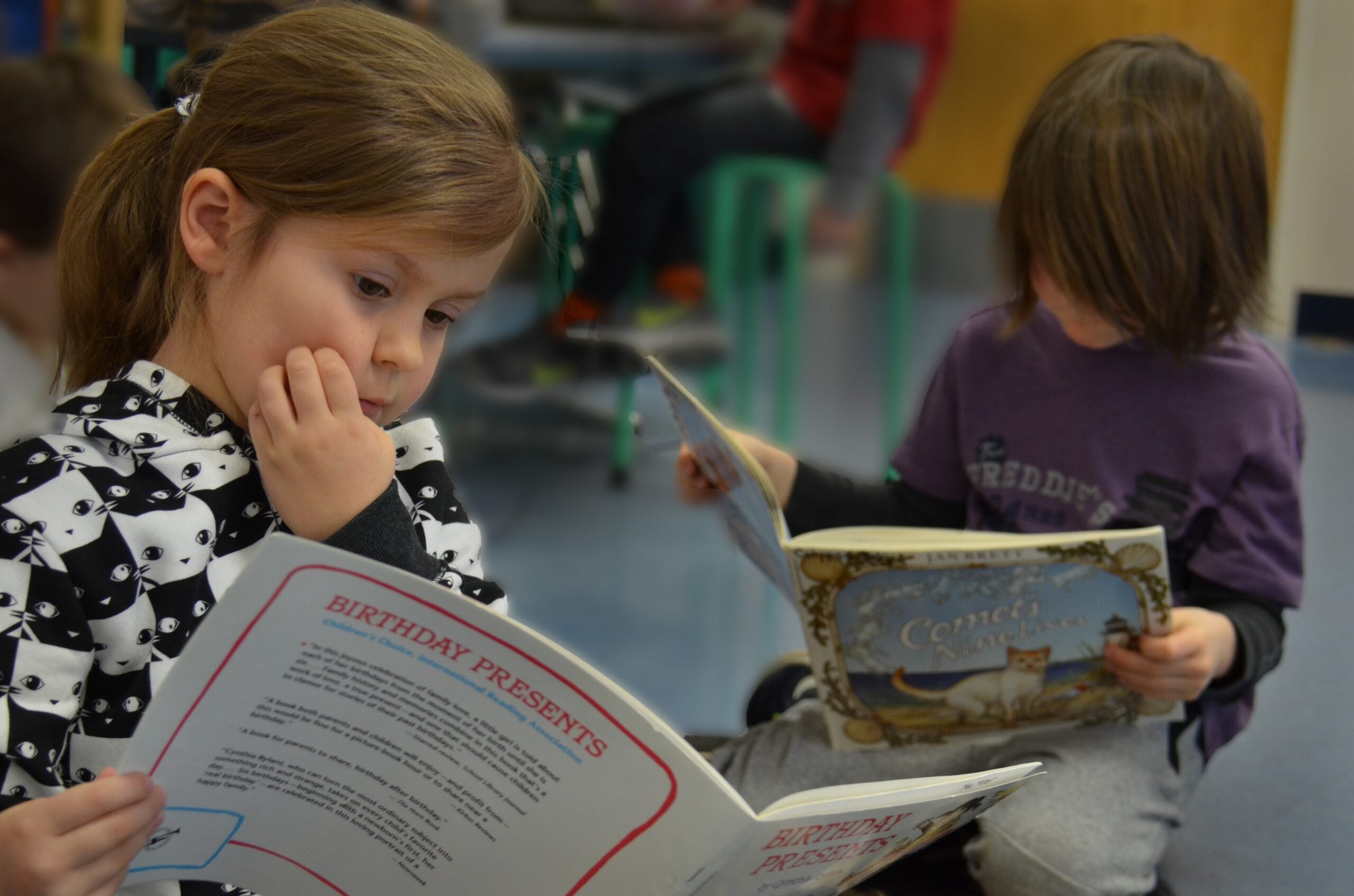
Parents are noticing the results, too. Webster explained how a mother who attended the Oneida Reads annual summit in November said her young daughter has been “reading everything,” including road signs while riding in the family car, after going through the Oneida Reads summer tutoring program.
“It’s so good to hear that the parents are making time to read to their children, because that makes all the difference,” Webster said.
As a mother and grandmother herself, Webster sees the value of making childhood literacy a priority for the tribe. She recalls when she was parenting young children, “reading just wasn’t in the mix,” she said, besides a few minutes of bedtime stories.
“I relied on the school system to take care of those educational needs for my child, not realizing how much I have to be a part of that education as well,” she said.
Looking ahead to the second full year of Oneida Reads, McCotter says encouraging family involvement is a priority, along with what she calls a “learning happens everywhere” approach in the community.
“It’s not one part of Oneida, but many coming together to change the system helping kids to become proficient readers,” she said.