A newly-formed policy organization is working to ensure northern Wisconsin’s economic and workforce priorities don’t get overshadowed in statewide decision-making.
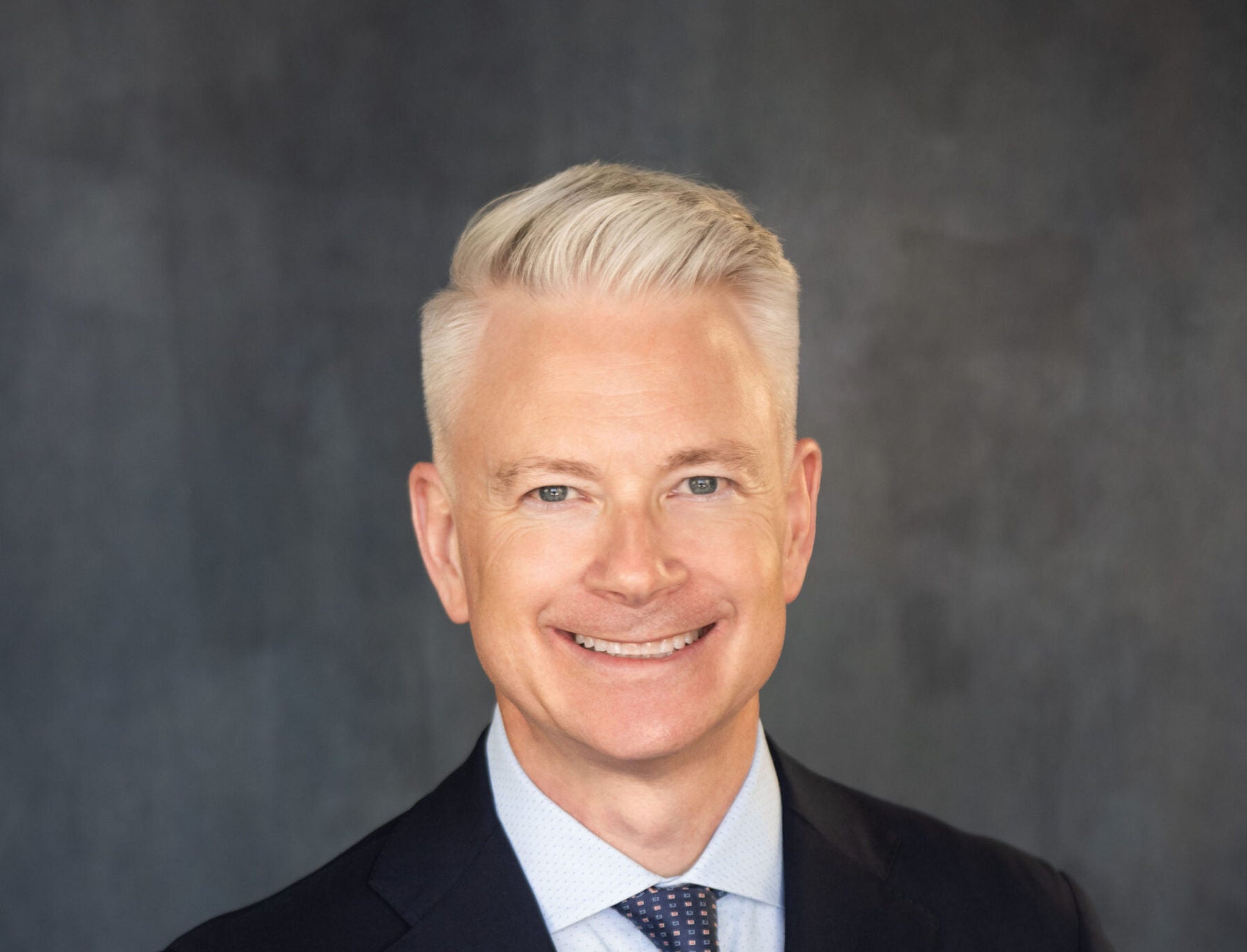
The Northwoods Policy Network, led by Executive Director Paul Schecklman, aims to shape policy around the realities of the Northwoods — from its natural-resource-based economy to its aging workforce and shrinking population.
“Policy is very local,” Shecklman said in a conversation on WPR’s “Morning Edition.” “Our solutions may not look the same as those elsewhere in the state.”
News with a little more humanity
WPR’s “Wisconsin Today” newsletter keeps you connected to the state you love without feeling overwhelmed. No paywall. No agenda. No corporate filter.
The organization is prioritizing industries that have long anchored the region, including forestry, tourism and manufacturing, while looking for ways to modernize and stabilize them. Schecklman said sustainable logging remains deeply tied to Northwoods communities, but the industry faces mounting pressures that require policy responses grounded in local knowledge.
Tourism, another economic pillar, also raises concerns. As business owners approach retirement, the network is asking whether those businesses will be sold, passed on or closed — and whether county-level revenues are keeping pace with inflation.
Manufacturing and re-industrialization also sit at the center of the group’s work. Despite decades of mill closures, Schecklman said the Northwoods still holds critical advantages, including vacant industrial sites, existing utilities, rail access and a workforce shaped by generations of hands-on experience.
The network also examines how state policies influence whether young people can build careers close to home. Leaders say the goal is to keep businesses locally rooted, preserve community ownership and create pathways for workers to return after college or trade school rather than leaving the region for opportunity elsewhere.
The following interview was edited for brevity and clarity.
Shereen Siewert: In practical terms, what are you trying to accomplish?
Paul Schecklman: From an organizational standpoint, where you’re located drives what you’re most concerned about. We recognize that. We want to see a thriving Dane County, a thriving Milwaukee County. We want to see the stretch along Lake Michigan as alive and healthy with manufacturing and opportunity.
Those groups that are located in those areas focus on that, and increasingly we started to wonder who is watching out for our unique issues, our industries, how our communities are laid out, what these different characteristics are. We thought maybe we should have something to focus on those issues and, more importantly, finding solutions that match.
SS: What are some of the first concrete policy areas you plan to focus on this year?
PS: We’ve really been looking at what’s strong in our areas as well as where we could be stronger, while leaning on our comparative advantages. For us, a lot of that revolves around natural resources. We are a destination for a lot of people on the tourism side, and we also have incredible forests and wildlife. We want to figure out how to lean into those things.
For example, if we look at logging, we think about how we can try to regrow this industry that’s been a backbone of Wisconsin for a long time but is facing some issues right now. We know how sustainable logging can be, and we know the loggers personally. They’re our neighbors, they’re people we go to church with, the people we see in our community. It’s important to bring their message and work to the forefront.
There is also a tourism aspect to consider. If we’re seeing across the board that people in the tourism industry are hitting retirement age, we need to ask questions. Are new people buying those businesses or are they closing? Are we growing the revenue in our counties to match inflation, or are we falling behind? We want to be proactive in finding solutions to avoid any crisis down the road.

SS: What could re-industrialization and manufacturing look like in the Northwoods, a region that has seen so many mill closures coupled with population decline?
PS: It’s true that we have a lot of vacant factories and old mills. But it also means we have existing infrastructure. We have places and utilities that already exist and a population that still knows how to build things. Finding those advantages like railways, highways and ports in the northern part of the state are all things we can lean into.
From shipbuilding to manufacturing, when we look at the average ages of the welders, the owners and the people involved in these industries, we see gaps coming. It’s important for us to cast a stronger vision and fill those gaps so that when those people do retire the businesses don’t just close. It’s important to make sure those businesses aren’t sold to a private equity fund, but remain tied into the community, supporting people being able to come back home after college or trade school and have a strong job down the road from where they grew up. It’s important that they don’t have to simply relocate to find opportunity.
SS: Keeping young people in the region and retaining a solid workforce are recurring themes statewide. Are there specific policy changes you think would make a difference?
PS: Yes. If we look around the country, if you’re in Austin, Texas; or El Segundo, California; or San Francisco, California, you see the entrepreneurial spirit is alive and well. That’s where they’re designing new concepts. But after that happens, they must look at how to scale their businesses, and that’s where Wisconsin could have a huge advantage.
We have to look at which states are securing more of this new opportunity and investment and learn why it’s happening. Is it strictly population? Is it because of access to rail and highways? Or are there things on the backend related to policy that help grease the wheels?
Wisconsin already has a manufacturing and agriculture credit. But are there ways to make it even better? That’s what we want to find out, not just from the legacy builders that have been here for decades, but this new generation, the younger group of creators and innovators. We need to know what they’re looking for when it comes to scale and expanding their businesses.
If you have an idea about something in central Wisconsin you think we should talk about on “Morning Edition,” send it to us at central@wpr.org.