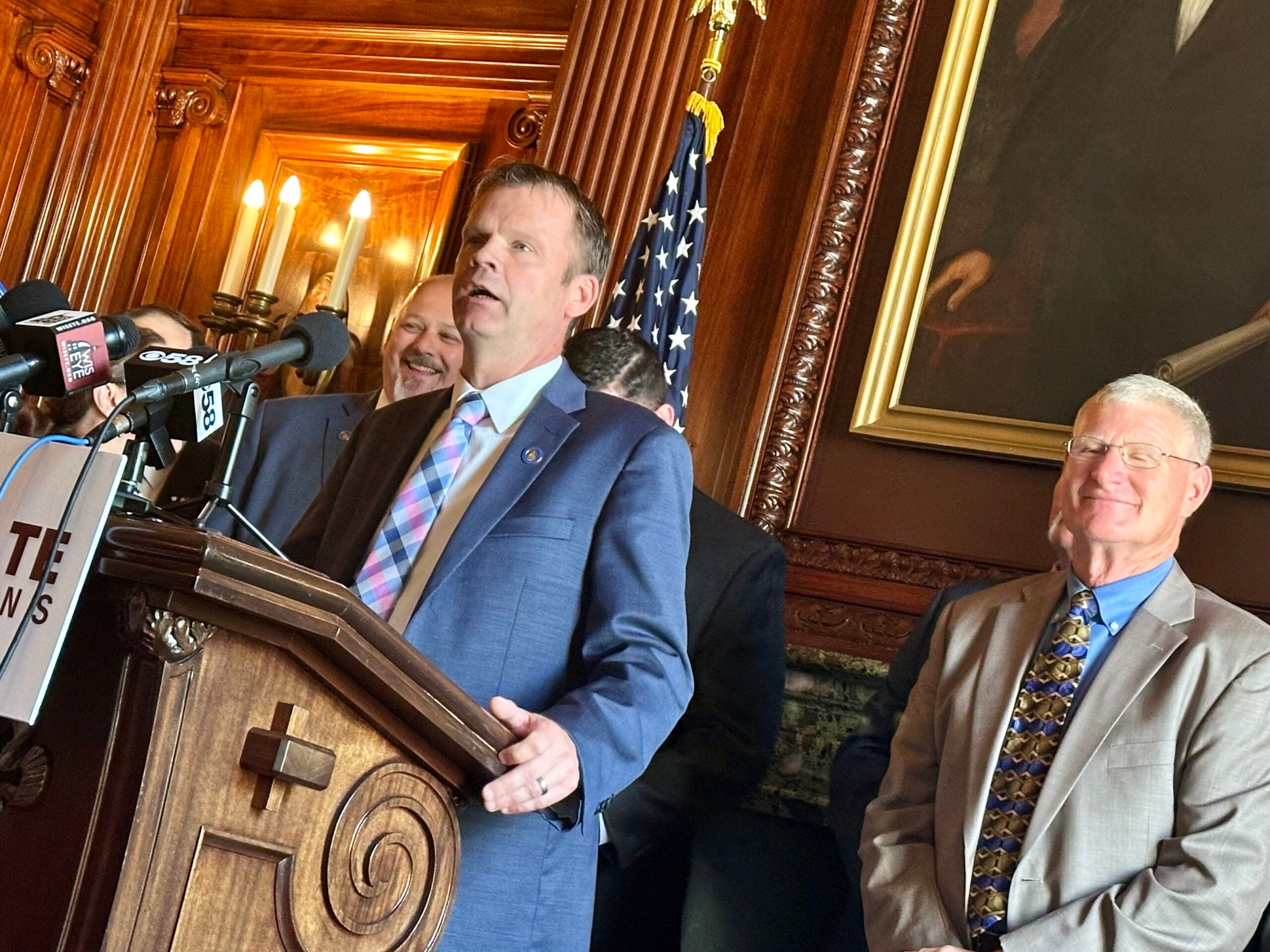
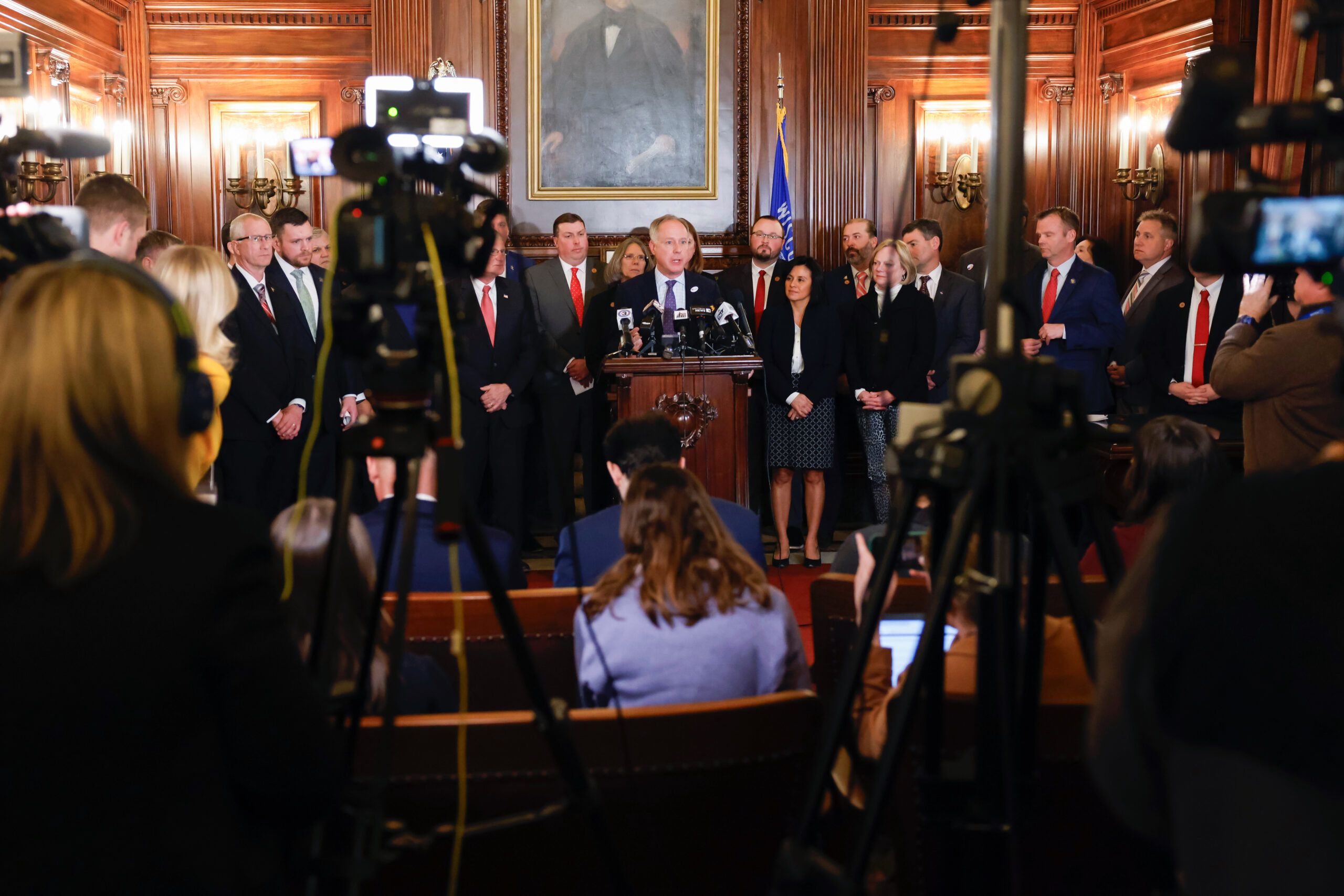
Democratic and Republican lawmakers have been touting their wins in a bipartisan budget signed into law Thursday. Some political analysts, and many Democrats, say the budget deal might not have come about without Wisconsin’s court-ordered redistricting last year.
The two-year budget includes more than $1 billion in tax cuts, paired with new spending on K-12 education, state universities and child care. To get there, lawmakers and Gov. Tony Evers pulled more than $3 billion from Wisconsin’s state surplus, according to the nonpartisan Legislative Fiscal Bureau.
In both the Assembly and the Senate, the bill had bipartisan support — as well as bipartisan opposition. Both Republicans and Democrats in the Wisconsin Legislature have said there are things they like in the $111 billion spending, and things they stomached to get it across the finish line.
News with a little more humanity
WPR’s “Wisconsin Today” newsletter keeps you connected to the state you love without feeling overwhelmed. No paywall. No agenda. No corporate filter.
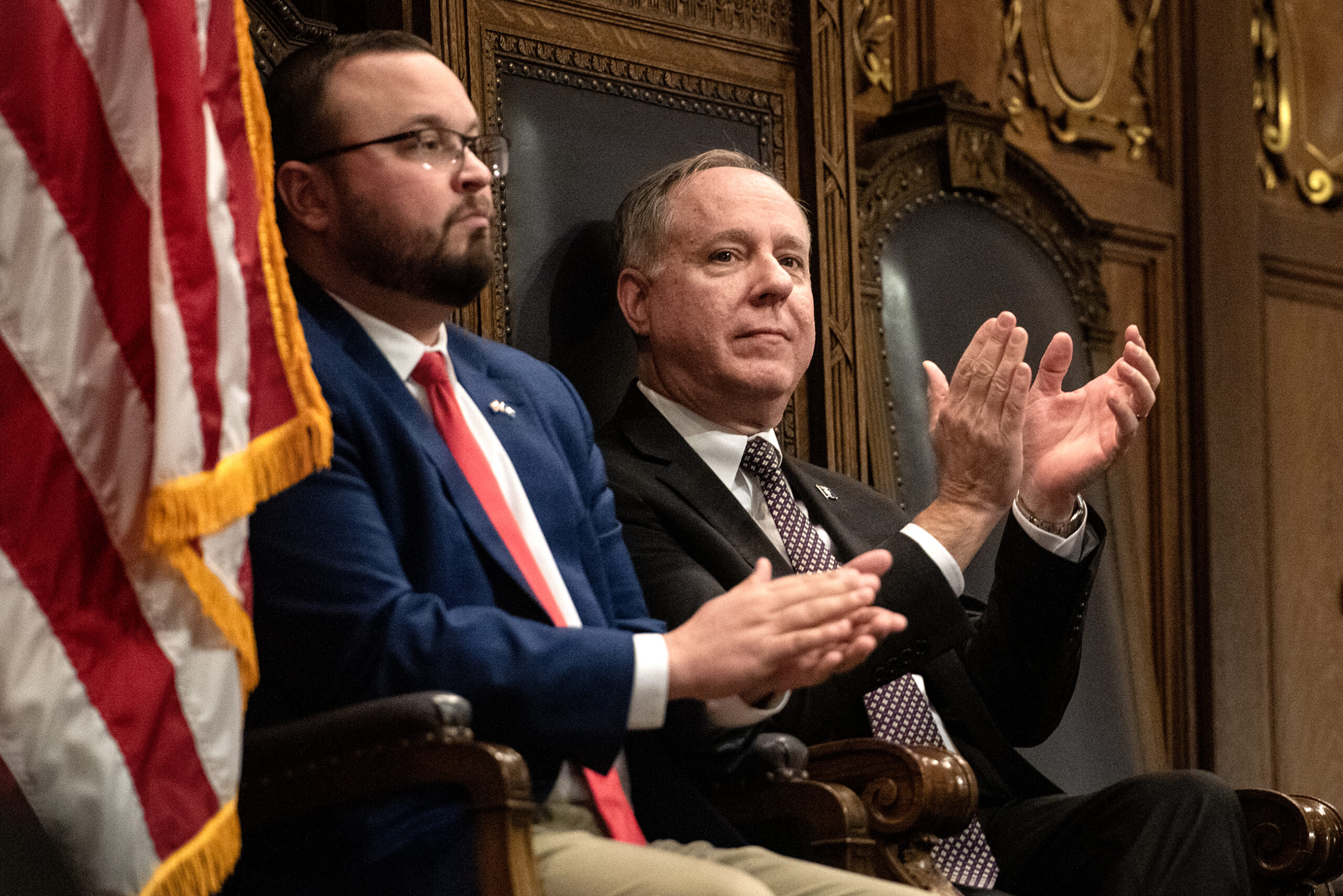
In remarks at the bill’s signing, Gov. Tony Evers, a Democrat, said the ability to compromise was “a strength, not a weakness.”
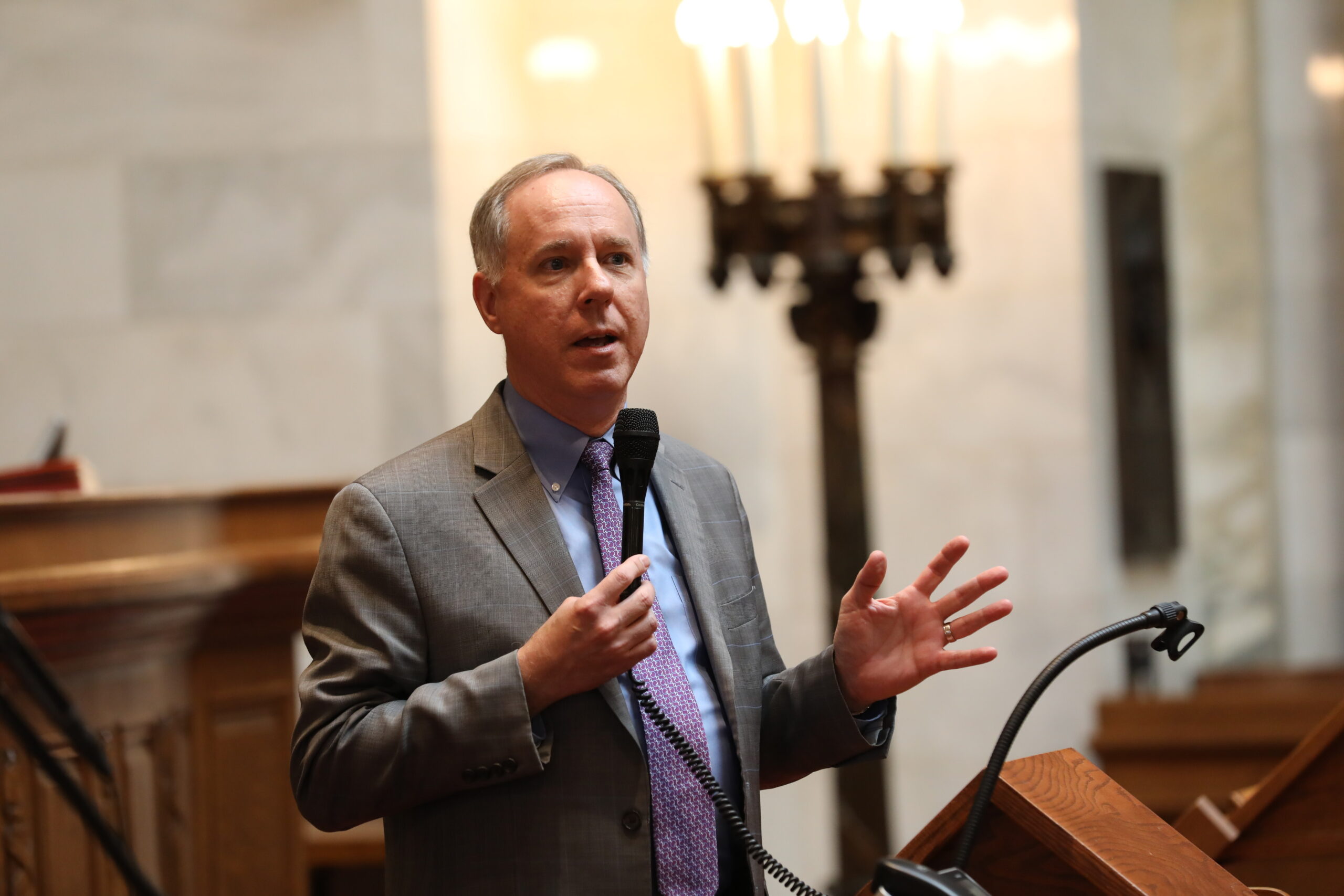
Earlier Wednesday, Republican Assembly Speaker Robin Vos, R-Rochester, said the bill “really took both sides to come to the table, listen to the other and try to be able to put our differences aside and focus on what brings us together.”
But the negotiation process that led to the latest biennial budget was drastically different than in previous budget cycles since Evers took office in 2019, which were largely conducted on party-line votes without significant negotiations.
University of Wisconsin-La Crosse political science professor Anthony Chergosky said last year’s redistricting was one key. Under the new maps, Democrats failed to win a legislative majority in November, but gained 10 seats in the Assembly and four in the state Senate.
“With the slimmed-down (Republican) majority, they had to lean on Democrats because they could not pass the budget with just their own members, and that transformed the negotiations compared to what we’ve seen in previous budgets,” Chergosky said.
The final budget vote in the Senate was 19-14, with four Republicans voting in opposition. Without the votes of Democrats, including Senate Minority Leader Dianne Hesselbein, the compromise would have fallen apart.
In the Assembly, things went down differently. Many Democrats in that chamber complained about being left out of the negotiations and not seeing the final budget document until hours before they had to vote on it. It still passed by a vote of 59-39, with most Democrats and one Republican opposed.
“That’s exactly why I think Sen.Hesselbein was involved in the negotiations, but (Assembly) Minority Leader (Greta) Neubauer was not,” Chergosky said. “I think there was a realization that Democratic Assembly members would not be needed in order to get a majority vote.”
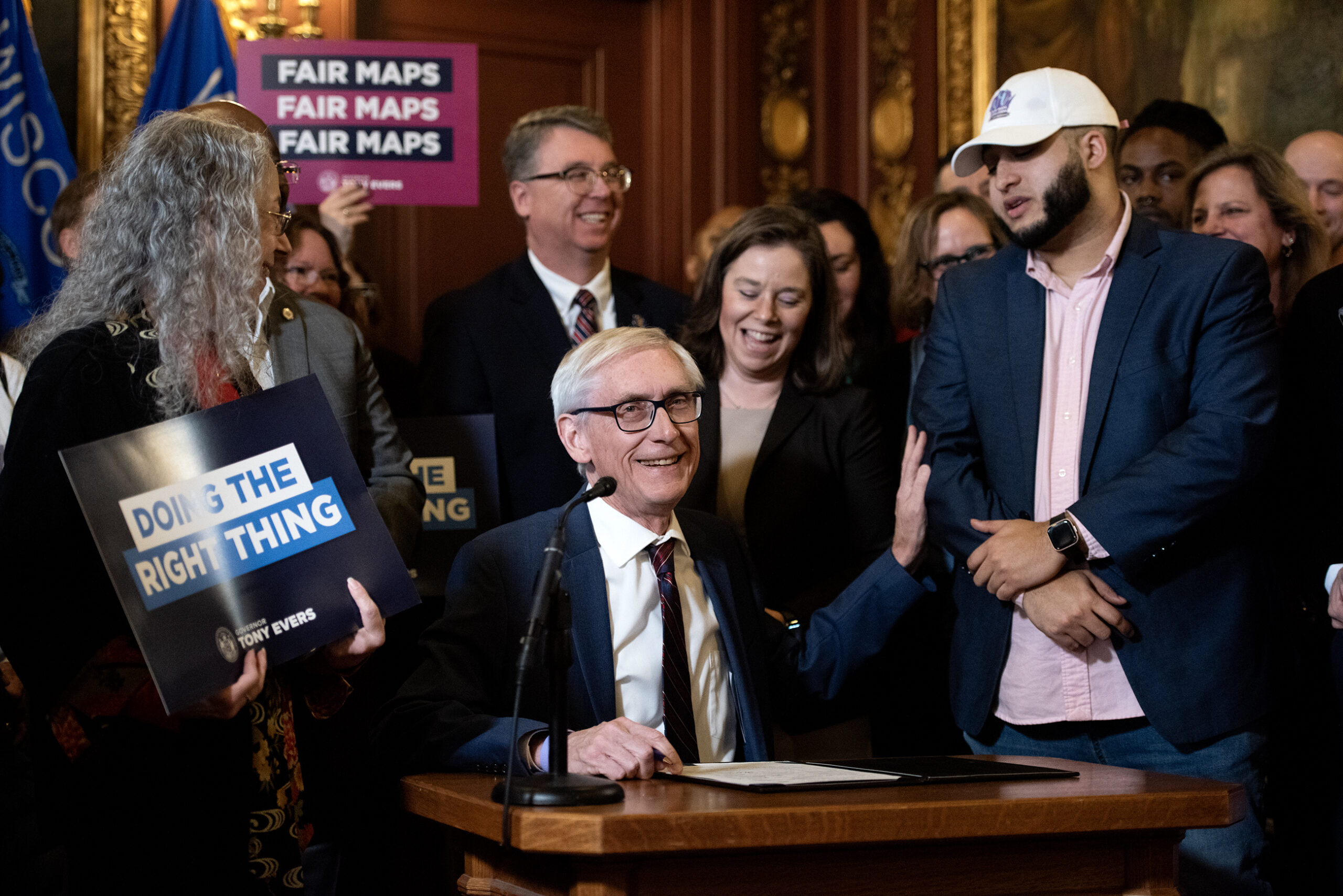
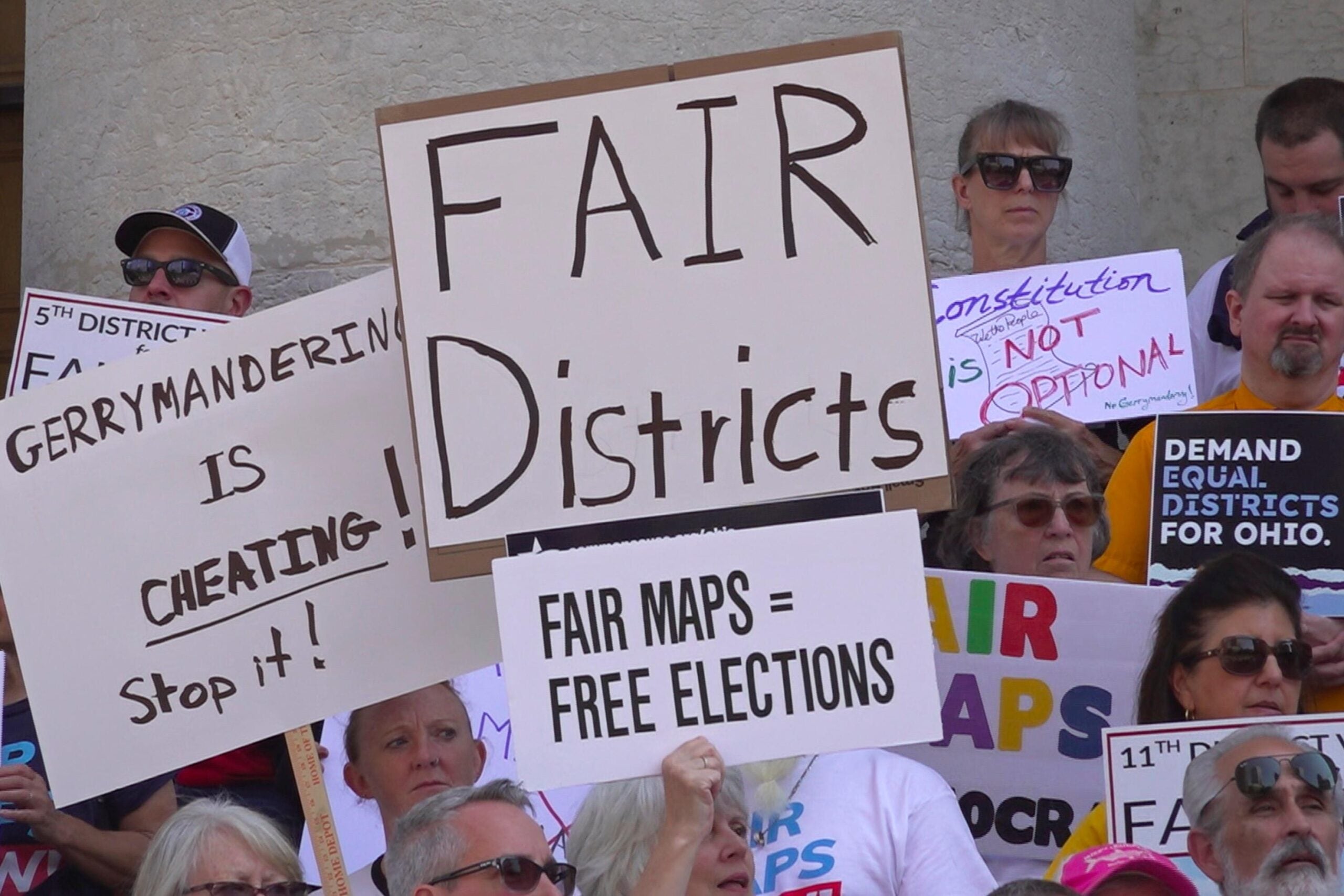
New voting maps passed in early 2024 after the Supreme Court’s liberal majority ruled previous, Republican-drawn, maps were unconstitutional. During a long day of debate over the new state budget, Democratic lawmakers repeatedly said the maps change made a difference.
“That meant something,” said Sen. Mark Spreitzer, D-Beloit. “That gave us leverage. That gave us an opportunity to actually have a negotiation that included Senate Democrats. And that is why we are here debating a budget at all.”
Wisconsin Democrats now have their eyes on winning a majority in the state Senate during next year’s midterm elections, said Barry Burden, University of Wisconsin-Madison political science professor and director of the campus’s Elections Research Center. He said historical patterns suggest that if Republican President Donald Trump’s approval rating stays in the 40 percent range, Democrats could pick up seats.
“Democrats are hopeful they could turn that into something in the state we haven’t seen for a while, maybe winning back a chamber or both in the state Legislature,” Burden said. “They have to hold the governor’s office as well, and we don’t know yet whether Gov. Tony Evers will be running for reelection or there will be a different Democrat.”
Burden said it’s been 14 years since the last time Democrats held a legislative chamber in Wisconsin for longer than a few months.
Evers has said he’ll announce whether he’s running sometime after work on the budget was completed.
Meanwhile, several Republicans are seen as potential 2026 gubernatorial contenders. They include U.S. Rep. Tom Tiffany, who has also served in the state Senate, former U.S. Senate candidate Eric Hovde and Tim Michels, who lost to Evers in 2022.

Wisconsin Public Radio, © Copyright 2026, Board of Regents of the University of Wisconsin System and Wisconsin Educational Communications Board.