Kyle Swalheim always dreamed of owning a home in the country.
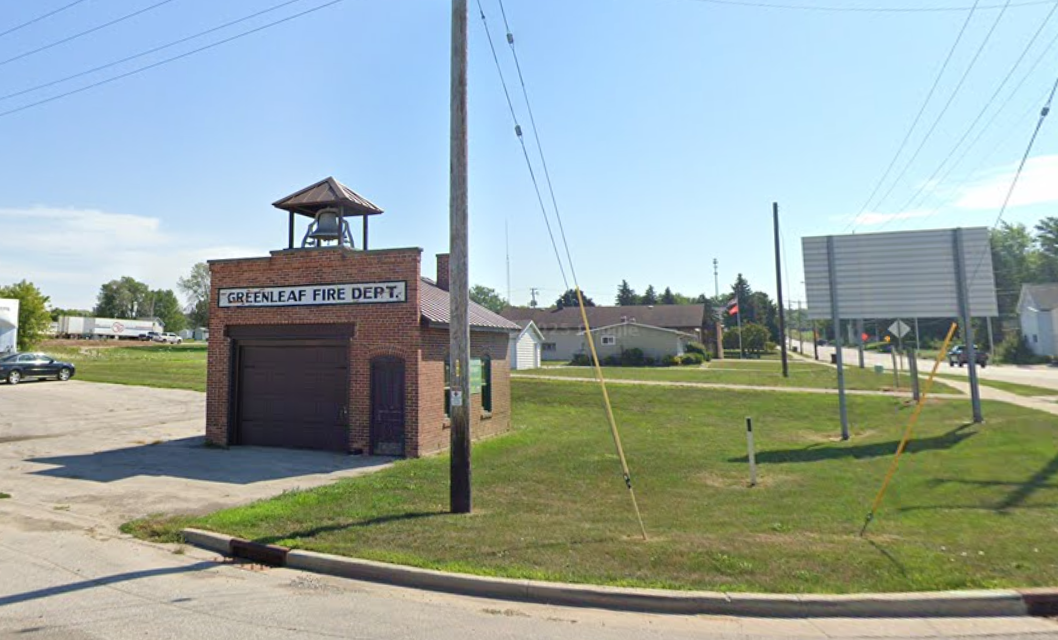
He’s made that dream a reality. Swalheim lives in an old brick farmhouse with a wrap-around porch in the rural village of Greenleaf in Brown County, near a small river where his children swim during the summer.
“It’s a small community. We all know each other,” he said. “If I need something, I can call my neighbors. If they need something, they can call me.”
News with a little more humanity
WPR’s “Wisconsin Today” newsletter keeps you connected to the state you love without feeling overwhelmed. No paywall. No agenda. No corporate filter.
A little more than a week ago, Swalheim and his neighbors started receiving offers to purchase their property from a local realtor on behalf of a Delaware-based limited liability company.
After telling the realtor that his property wasn’t for sale, Swalheim said the realtor told him that a few other landowners in the area had already agreed to sell and that the buyer was trying to expand their purchase. But the realtor couldn’t tell him what the developer was looking to build.
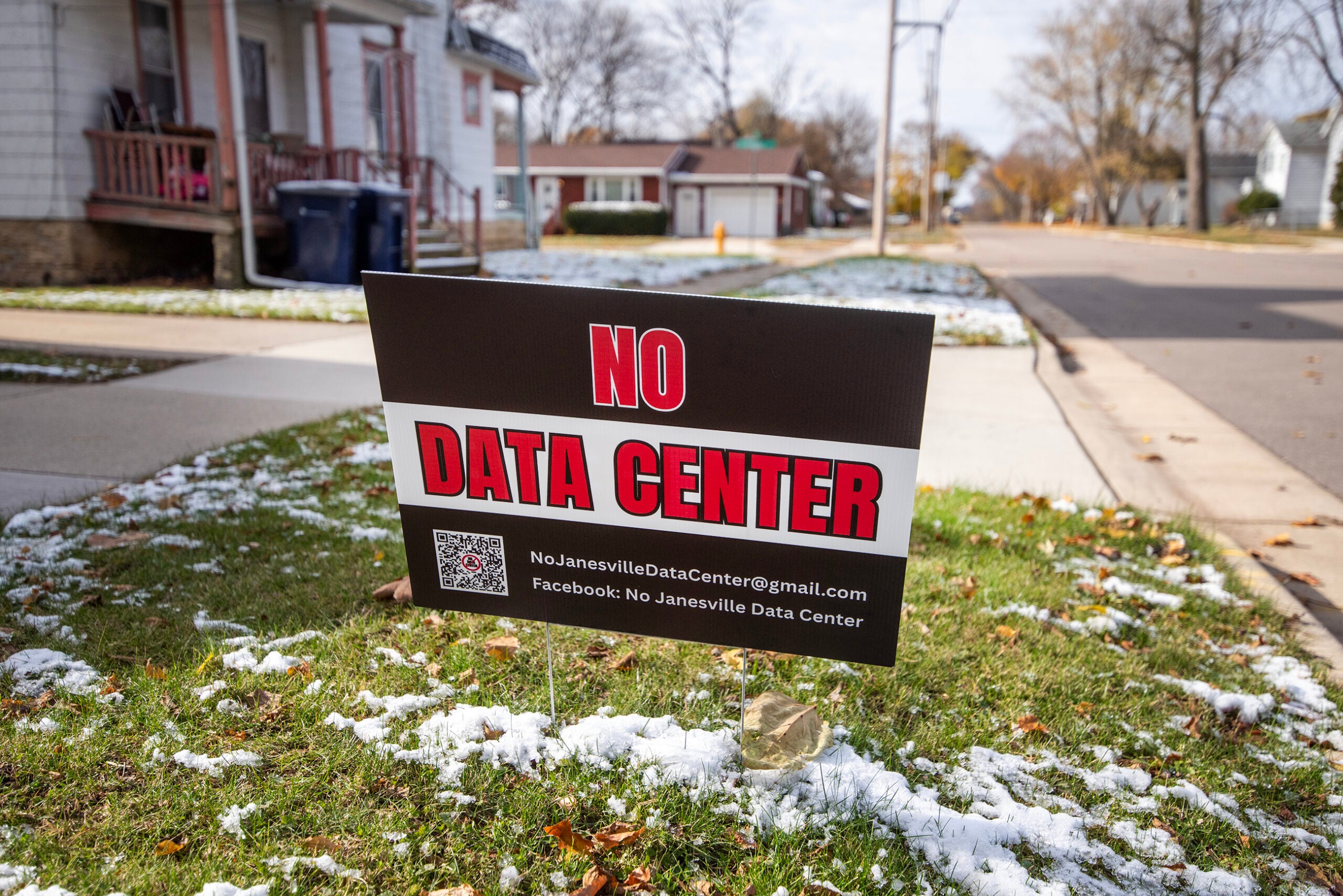
Swalheim began calling his neighbors, and the consensus among them was that the offers were for a possible artificial intelligence data center.
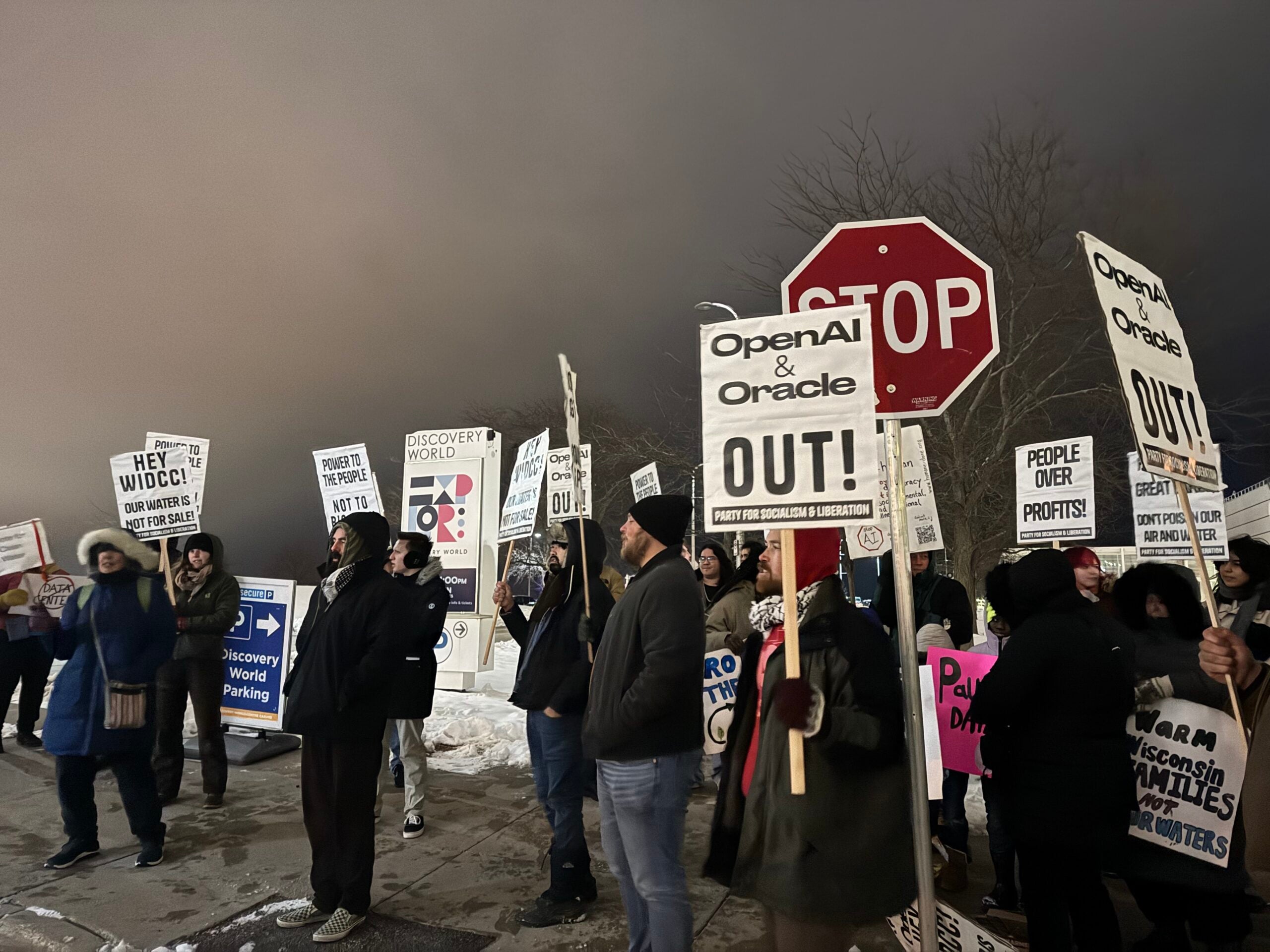
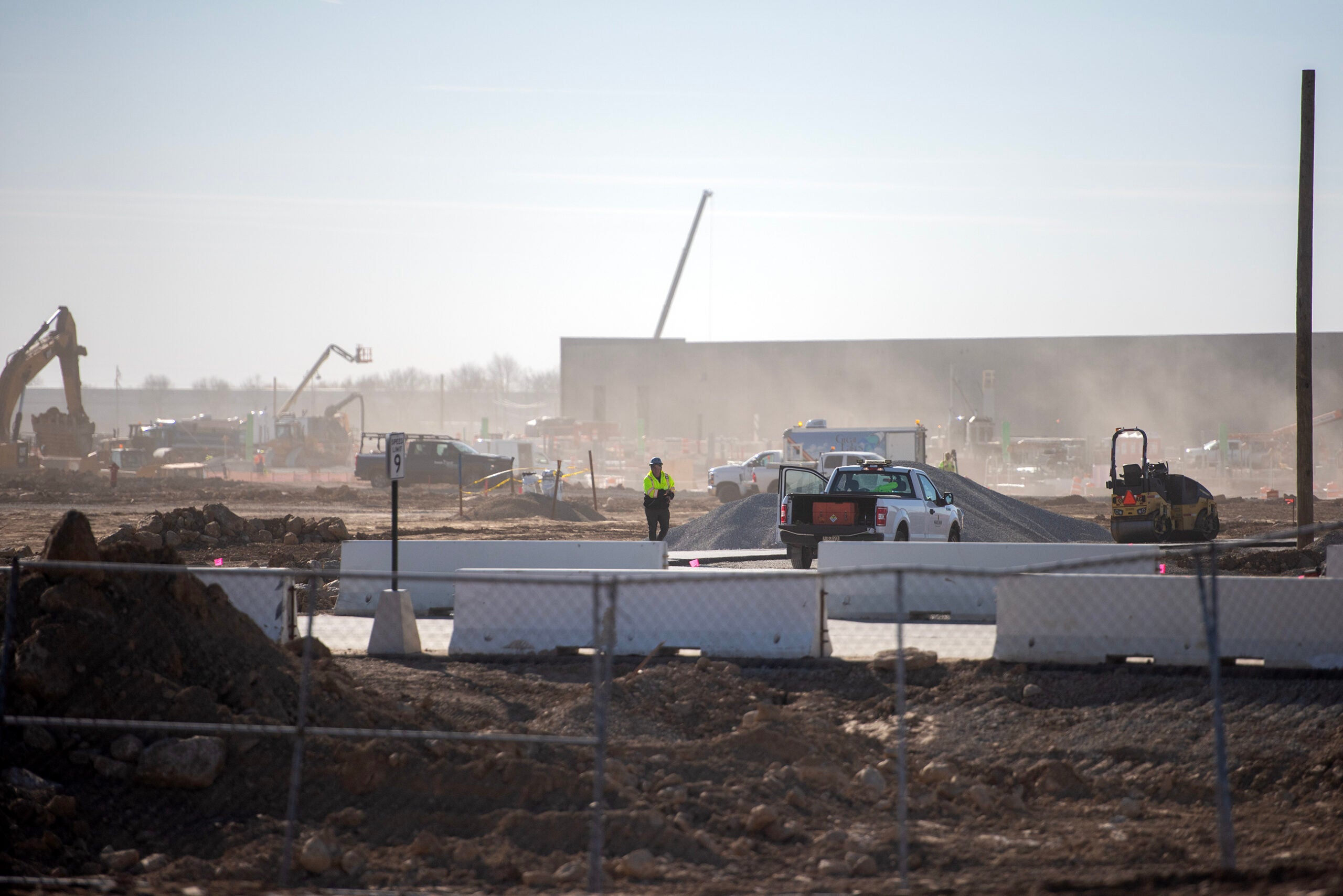
Community members don’t know who’s behind the company making the offers, and local officials are still trying to learn exactly what the company is planning. But the sales offers come as data centers are being developed across Wisconsin in communities like Mount Pleasant, Port Washington and Beaver Dam.
Swalheim received a formal offer of $50,000 per acre. For his more than 36 acres of land, that came out to more than $1.8 million. Another resident received an offer of $120,000 per acre.
“Personally, I’m not interested,” Swalheim said. “I can’t replace what I have for $1.8 million, and the money at that point doesn’t matter. This is my paradise. This is my sanctuary.”
The possibility of a data center coming into the community has raised big concerns from residents and a local business who worry such a development would change the fabric of the rural community.
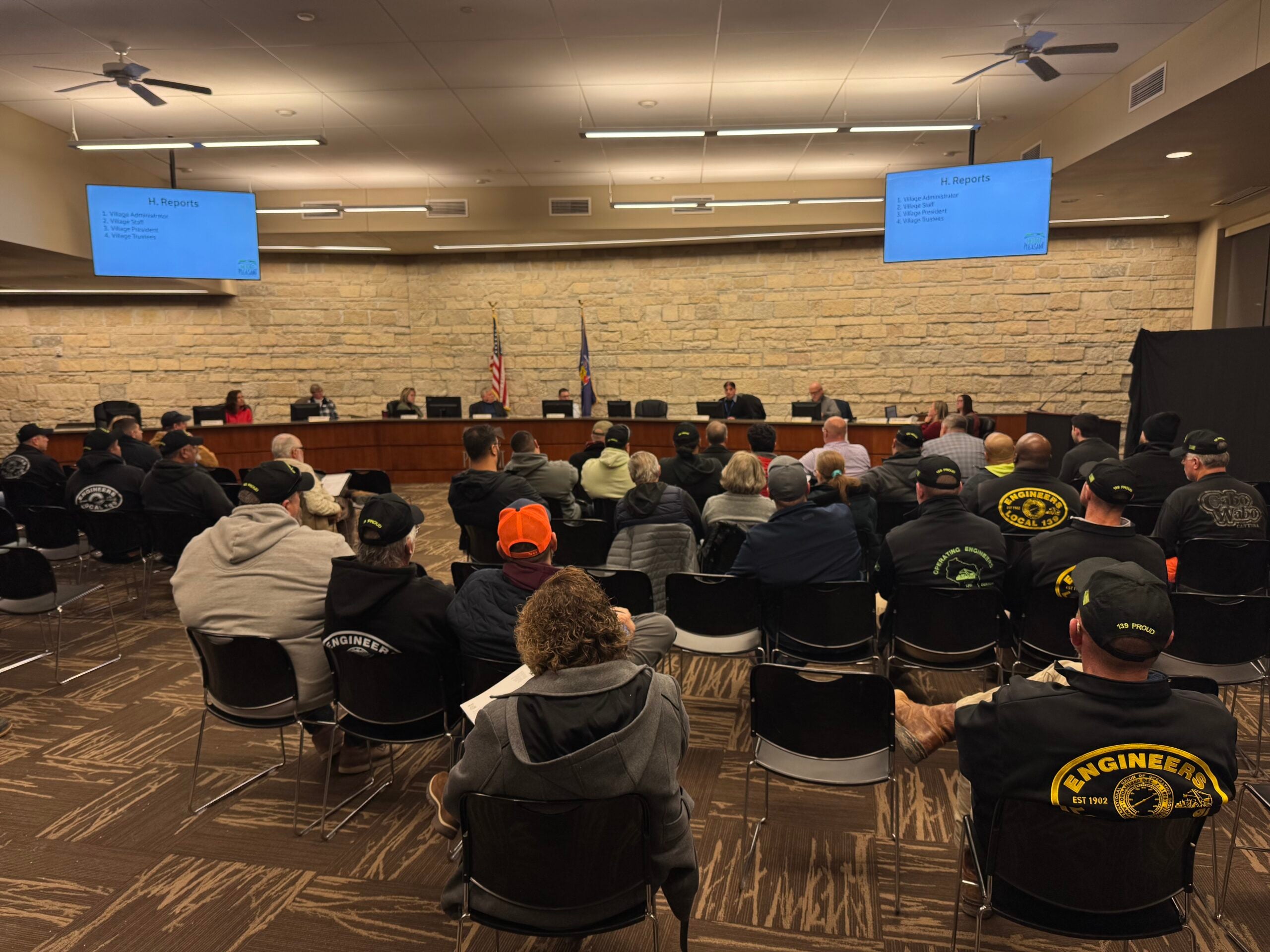
Around a dozen residents attended a meeting of the town of Wrightstown and the village of Greenleaf Planning Commission on Monday to show opposition to a potential data center project.
Town of Wrightstown Board Chair William Verbeten sits on the joint plan commission. He said plan commission members “didn’t know anything” about the project until that day. He said he received calls from concerned community members from around 12:30 p.m. until about 5:30 p.m.
“I did some investigating and checking into it,” he said. “I had a little information on it, but we didn’t know anything about it until like right before the meeting, until that day.”
And local officials still don’t have many details.
Greenleaf Village Board President Bonnie Crossman said via email that she’s aware of landowners being approached to sell their land for a project in the village. She acknowledged there’s been “a mountain of concern” in the community, but said it would be “premature and very irresponsible” to comment.
“I hope to have educated, honest answers for everyone very soon,” Crossman said in the email.
The purchase offers were made by Bear Creek DevCo LLC, a Delaware limited liability company. A local realtor forwarded WPR’s request for comment to the development company. But the company did not respond.
The principal address for the LLC matches that of Houston-based Cloverleaf Infrastructure, which was initially involved with development of a large data center in Port Washington that has drawn strong community opposition.
When Meta was in the early stages of developing its data center campus in Beaver Dam, the company worked through another Delaware-based limited liability company, called Degas LLC. The city and state approved development incentives with Degas before Meta publicly revealed it was the developer behind the project.
The prospect of a data center in Greenleaf has also drawn criticism from LedgeStone Vineyards, a local winery. On social media, LedgeStone described the potential project as an “attack” on the community’s identity by a “nameless, faceless, megacorporation.”
Adam Magnuson, the owner of LedgeStone Vineyards, said the development would be essentially across the street from his business and he worries a data center would change the fabric of the community.
“People come and this is their happy place. This is their place where their kids can run free,” Magnuson said. “We don’t want that taken away from us for some corporation — unbeknownst to us who they are — that can hide behind shell organizations.”

Wisconsin Public Radio, © Copyright 2026, Board of Regents of the University of Wisconsin System and Wisconsin Educational Communications Board.