Northern Minnesota’s largest power company is backing away from plans to develop a proposed $1 billion gas-fired power plant in northern Wisconsin as a result of legal challenges and permitting delays.
In a filing on Friday to Minnesota utility regulators, Duluth-based Minnesota Power said it will no longer buy power or capacity from the planned plant in Superior. On Wednesday, the company terminated an agreement with subsidiary South Shore Energy, which holds a 20-percent share of the project.
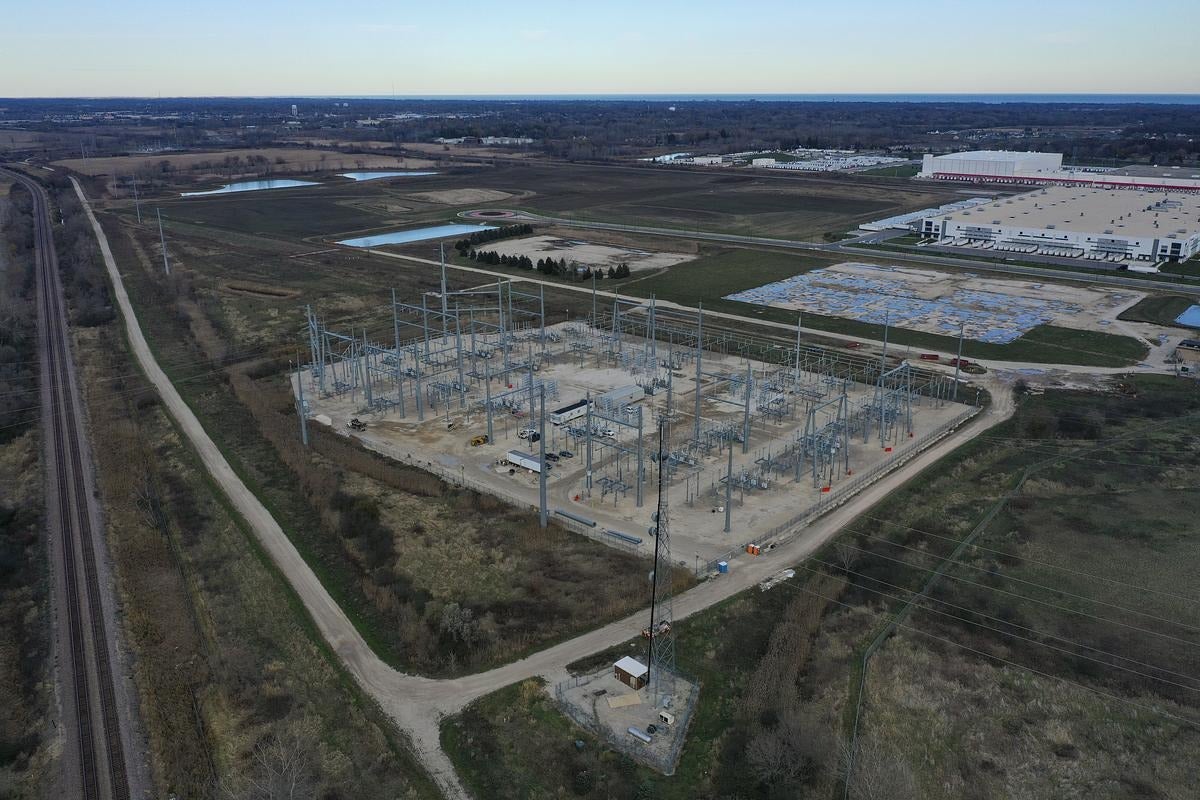
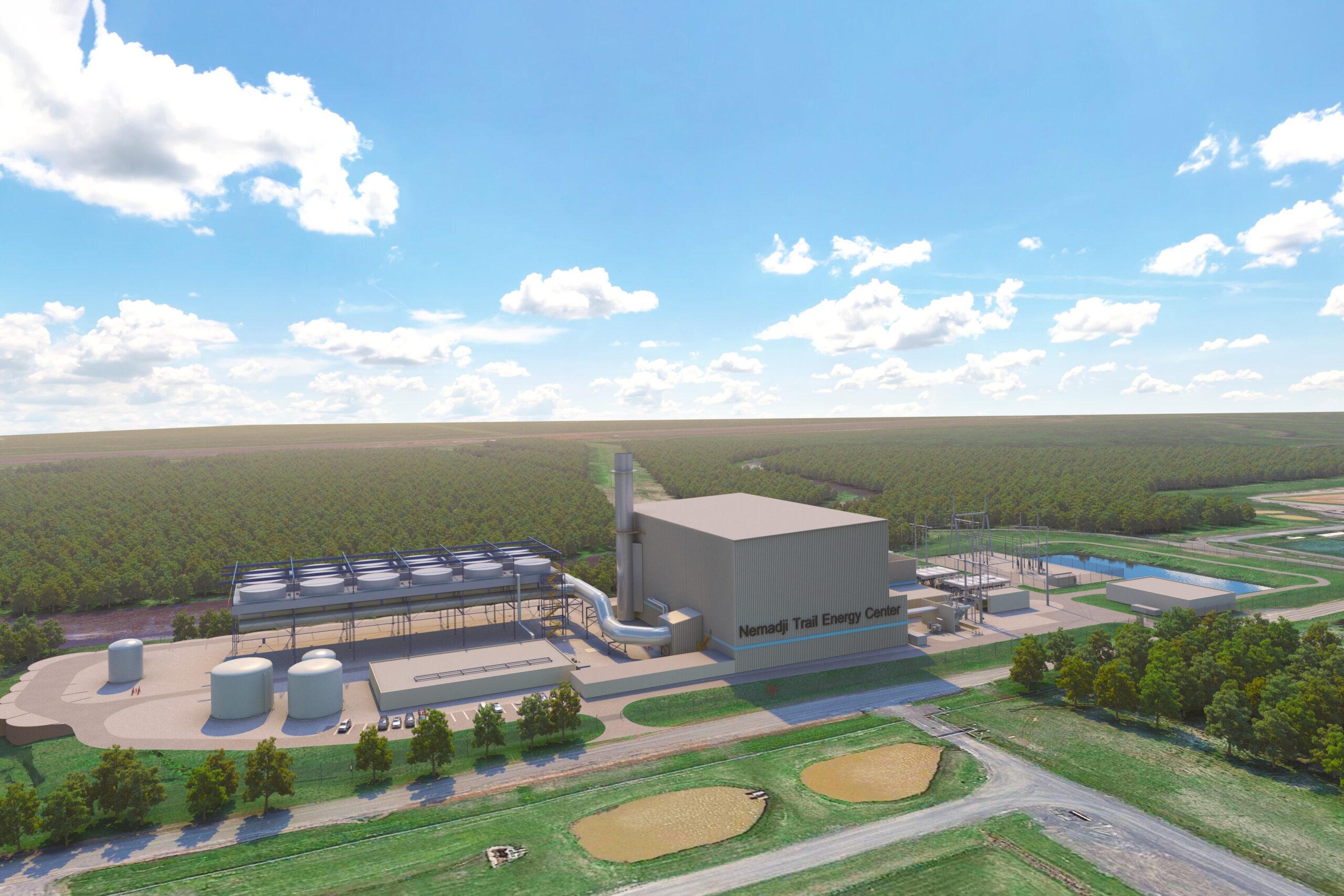
The utility was working with La Crosse-based Dairyland Power Cooperative and a subsidiary of Basin Electric Power Cooperative in North Dakota to build the Nemadji Trail Energy Center, or NTEC. Owners of the natural gas plant, which would produce between 550 and 625 megawatts, said it would provide reliable power as they shift away from coal and invest in renewable energy.
News with a little more humanity
WPR’s “Wisconsin Today” newsletter keeps you connected to the state you love without feeling overwhelmed. No paywall. No agenda. No corporate filter.
Minnesota Power and other owners worked diligently to develop the plant, said vice president of public policy Jennifer Cady in the filing, but delays as a result of litigation and permitting have made it no longer viable.
“Minnesota Power must aggressively pursue procuring dispatchable generation to bring online to ensure reliability of the grid as it intends to meet its cease coal dates of 2030 and 2035,” Cady wrote.
Cady wrote that in Wisconsin, air, wetland and construction stormwater permits have expired due to delays despite more than a dozen permits obtained for the project.
The city of Superior previously denied local approvals. Superior Mayor Jim Paine said the utility’s decision is not surprising.
“It’s been dead for a while,” Paine said of NTEC. “It really did not have a functional path forward after the city opposed it.”
Dairyland Cooperative owns 50 percent of the plant. A Dairyland spokesperson said the cooperative and NTEC partners are evaluating next steps for the project.
Paine argued that Dairyland is unlikely to build a plant outside its service territory on land owned by Minnesota Power. In a statement, Minnesota Power said it’s exploring other locations for gas-fired plants, saying its need for natural gas remains unchanged.
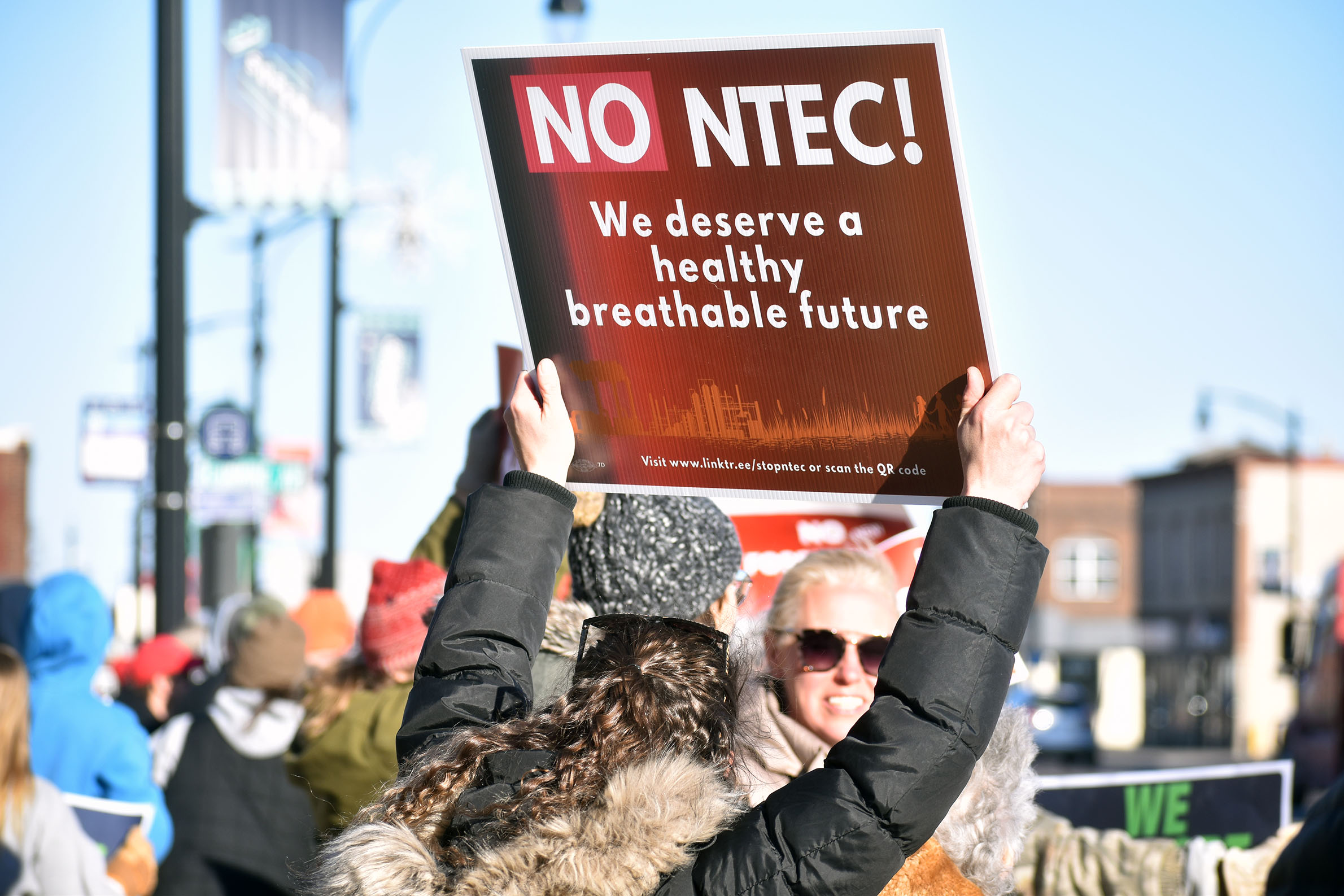
Concerns over the project have been mounting in recent years among residents, tribes and environmental groups. They have raised issues with the plant’s contribution to heat-trapping greenhouse gas emissions, air pollution and effects on wetlands.
Jadine Sonoda, campaign coordinator for the Sierra Club Wisconsin Chapter, said the decision is a step in the right direction.
“We would love to see (Dairyland) talk more about their future investments in transitioning to clean energy and making the electric sector, climate and world that we’re living in safer,” Sonoda said.
In its filing, Minnesota Power said South Shore Energy will continue to work with the projects’ owners to examine a path forward that “balances economic, community and environmental considerations” while addressing the concerns of other stakeholders and tribes.
Lee Sandok Baker lives within two miles of the proposed plant. She’s with the citizens group Neighbors Against NTEC.
“Not only do we not want to see additional fossil fuel plants be built anywhere, we just believe that the spot that they chose here was definitely not the right place for that,” Sandok Baker said.
The proposed plant would be built near a Superior cemetery that contains the remains of roughly 200 ancestors of the Fond du Lac Band of Lake Superior Chippewa.
The plant’s supporters touted the 350 construction jobs and 25 full-time jobs that would be created with the project along with the contribution of $1 million annually in tax revenues.
The project has faced multiple legal challenges from Indigenous and environmental groups. Last year, Clean Wisconsin and the Sierra Club asked the Wisconsin Supreme Court to review its lawsuit challenging the state’s Public Service Commission’s decision to approve the plant. Wisconsin’s highest court declined to hear the case.
Minnesota Power’s decision comes after the sale of its parent company Allete to a Canadian pension fund and a subsidiary of BlackRock, the world’s biggest asset manager. Opponents feared the $6.2 billion deal would increase utility bills for customers, but the utility argued it would help the company fund its transition to renewable energy. Minnesota mandates electric utilities provide 100 percent carbon-free electricity by 2040.
Minnesota Power said it wouldn’t seek to recover the costs of developing the project from customers.

Wisconsin Public Radio, © Copyright 2026, Board of Regents of the University of Wisconsin System and Wisconsin Educational Communications Board.