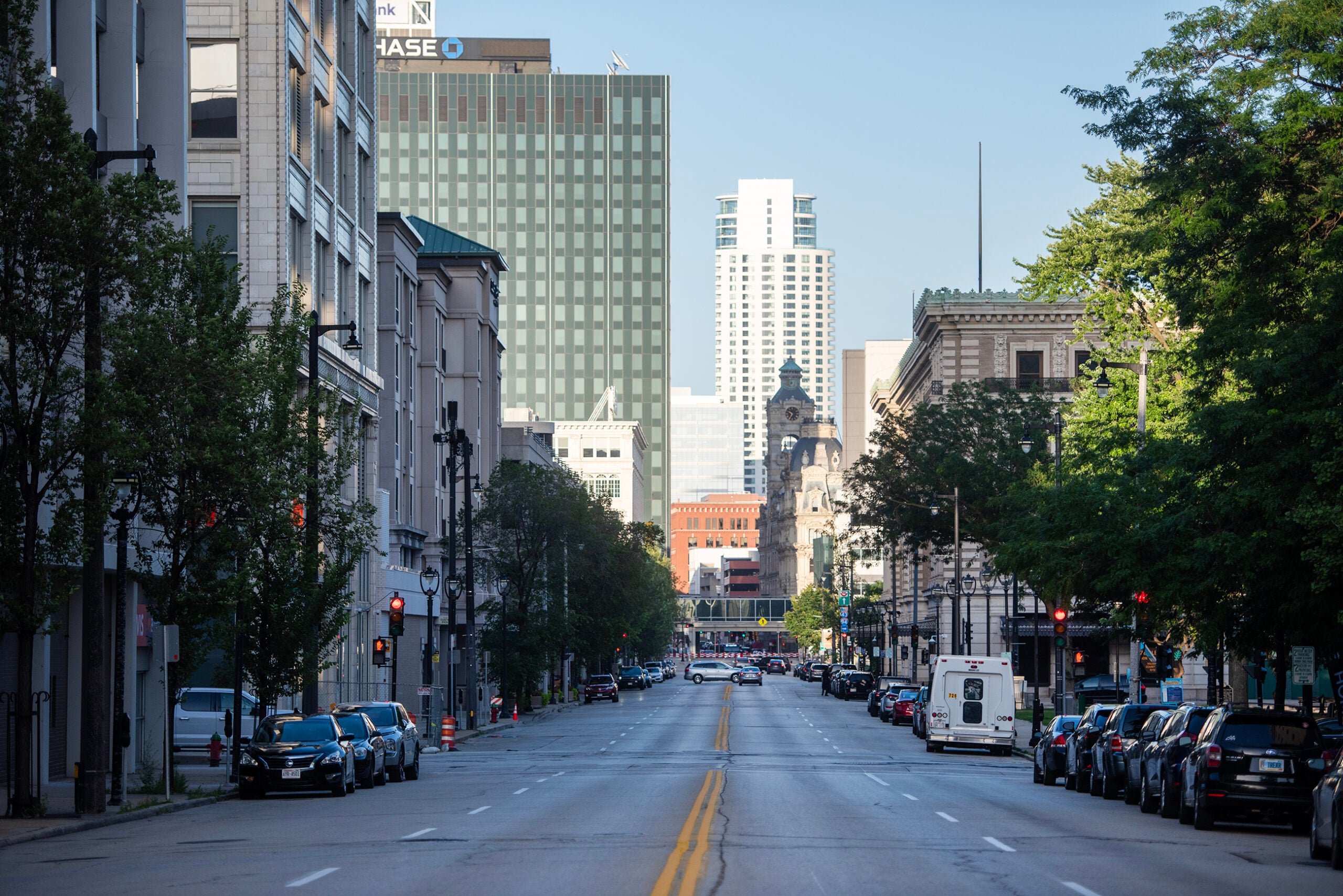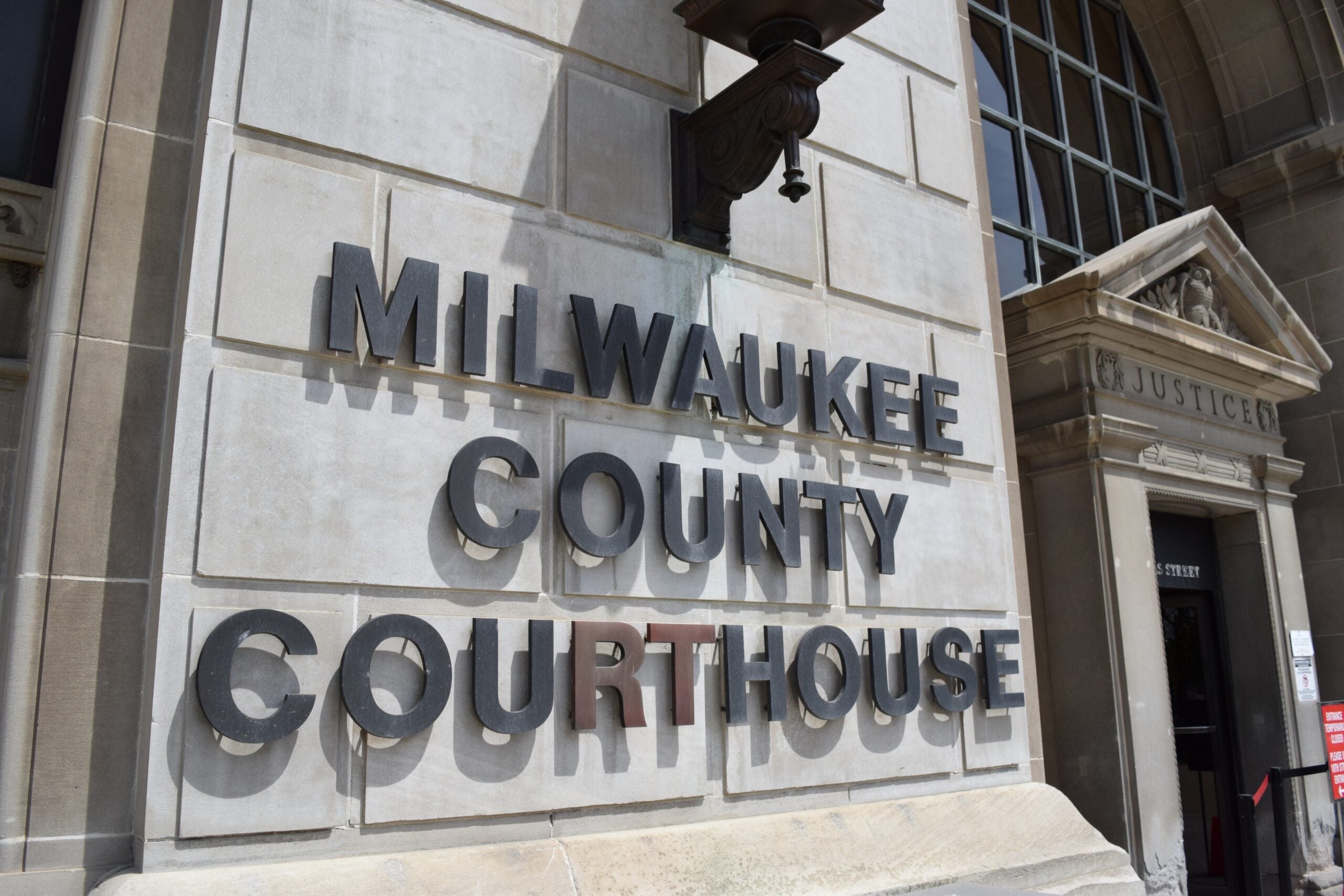
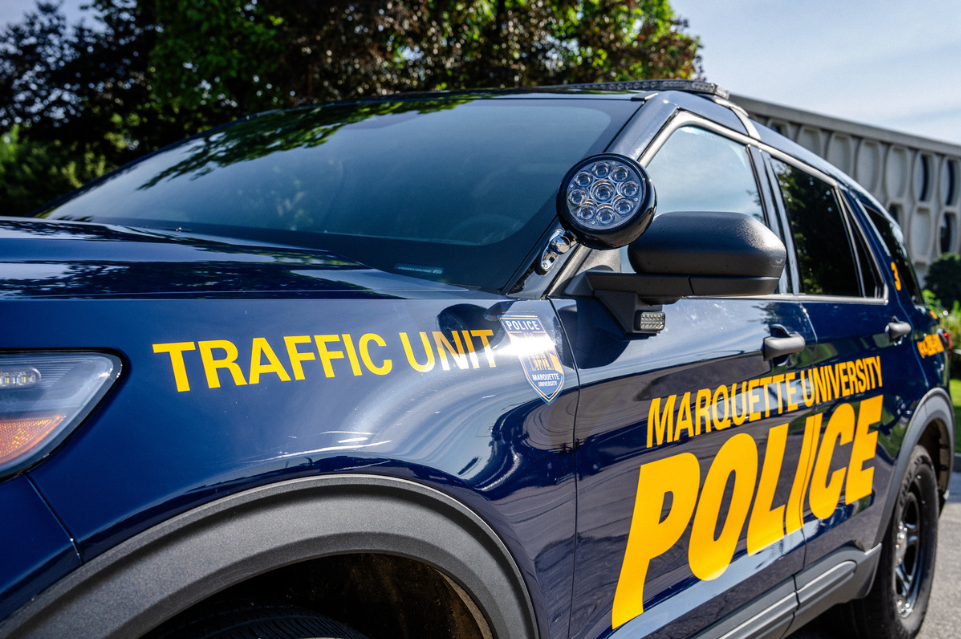
In June, the Marquette University Police Department created a traffic enforcement unit. Within 11 weeks, officers stopped over 200 vehicles — issuing 171 tickets and arresting 14 people for driving under the influence.
It’s the latest effort in the fight against reckless driving in Milwaukee. Police at Marquette say they hope it makes the campus safer, and city officials say the work by the university police can complement city efforts to fight traffic crimes.
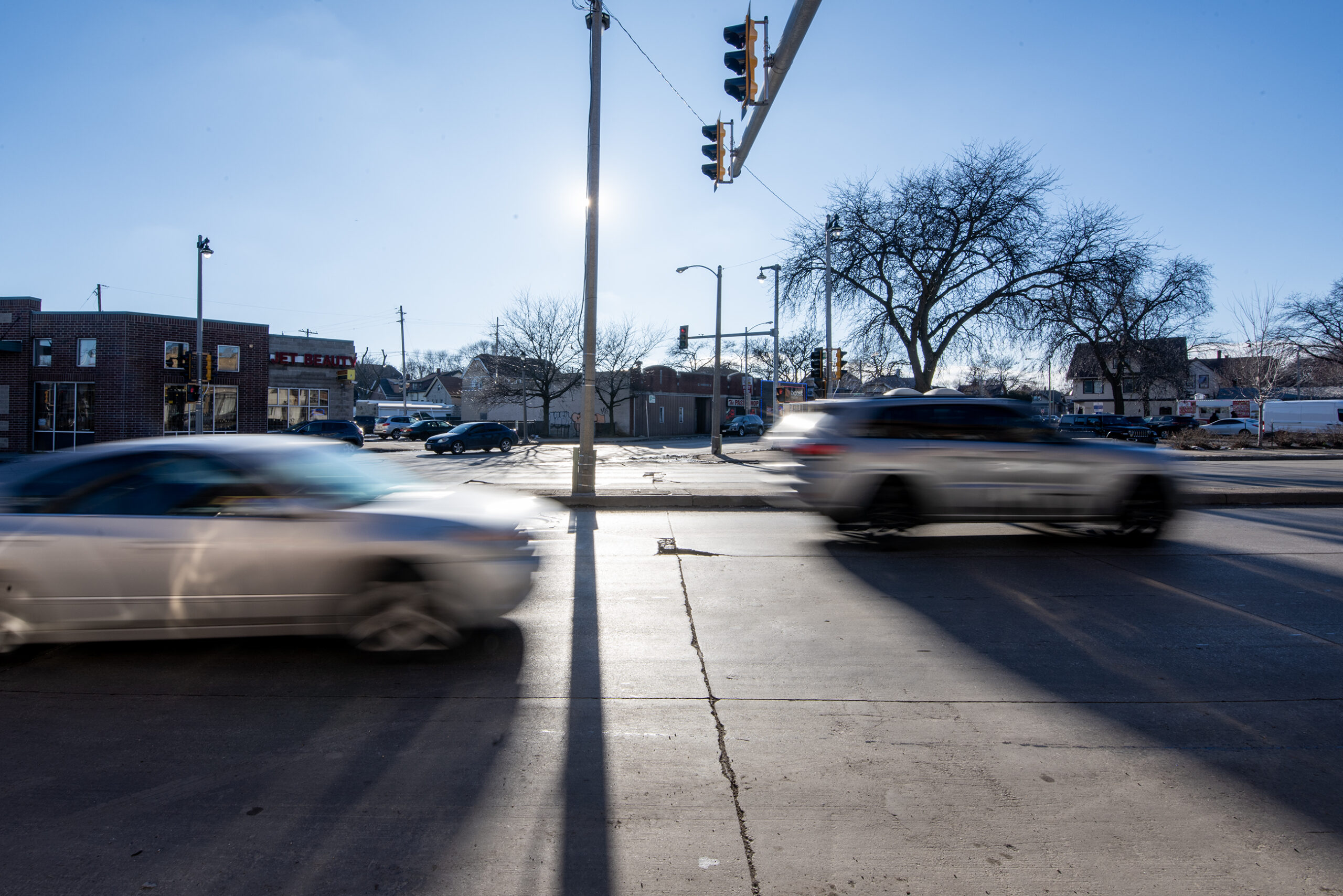
From 2002 to 2022, traffic fatalities in Milwaukee County increased by over 113 percent. The Milwaukee Police Department reported over 2,000 crashes with injuries and 33 traffic deaths this year.
News with a little more humanity
WPR’s “Wisconsin Today” newsletter keeps you connected to the state you love without feeling overwhelmed. No paywall. No agenda. No corporate filter.
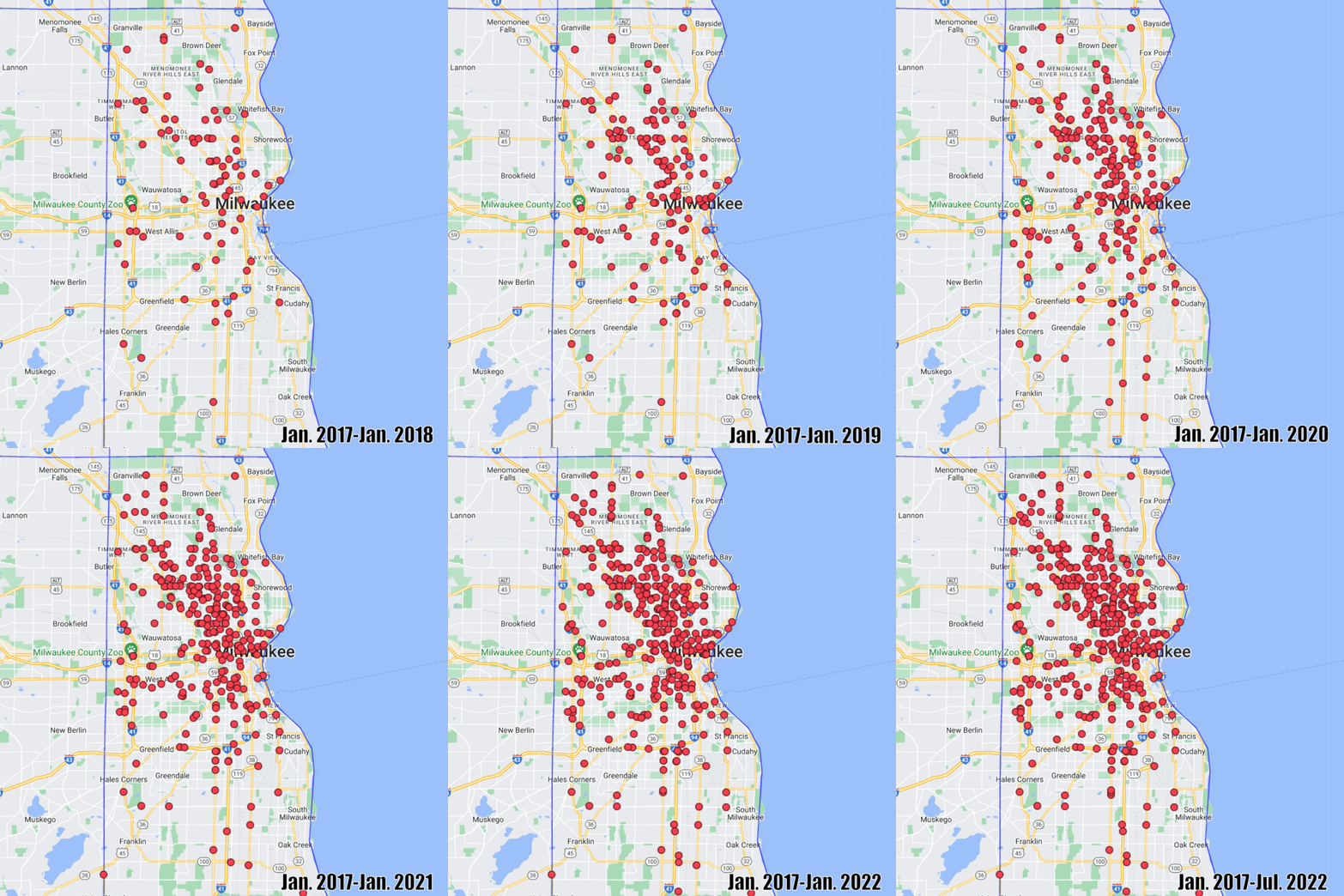
Since the start of the summer, the Milwaukee Police Department has issued 243 traffic citations in District 3, which is home to Marquette’s campus. That number includes 113 speeding violations.
Marquette University Police Lt. Kevin Walz thinks the traffic team helps supplement the city police department’s efforts to mitigate incidents.
“It’s a common goal,” Walz said. “We’re trying to stop, or at least put some pressure on these drivers who are driving irresponsibly or drunk driving and (committing) pedestrian right-of-way violations.”
Jessica Wineberg is the policy director for Vision Zero, a citywide policy and action plan that aims to eliminate traffic deaths by 2037. One of Vision Zero’s long-term strategies is to rebuild city roadways focusing on safety over speed — reducing the need for traffic enforcement.
Until then, the MUPD traffic unit is a net positive because of understaffing at the city’s traffic unit, Wineberg said.
“When people are getting hit and killed and we see egregious driving, the more help we can get with enforcement, the better,” she said.
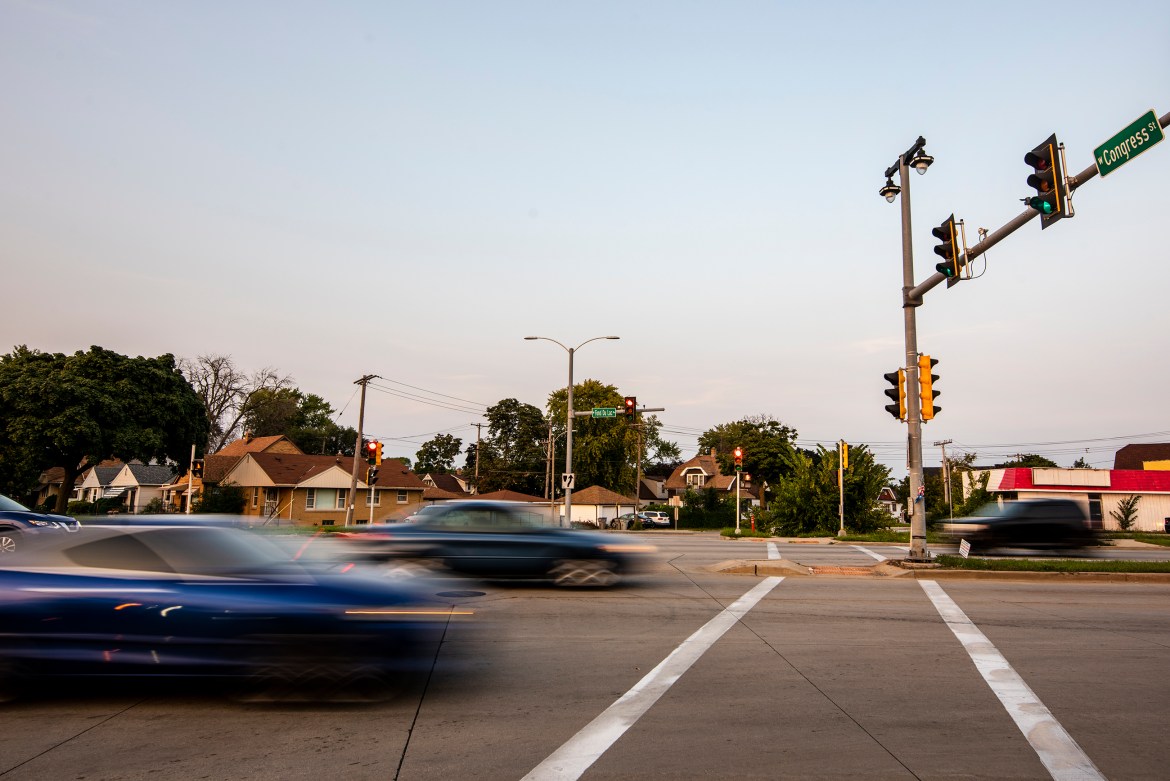
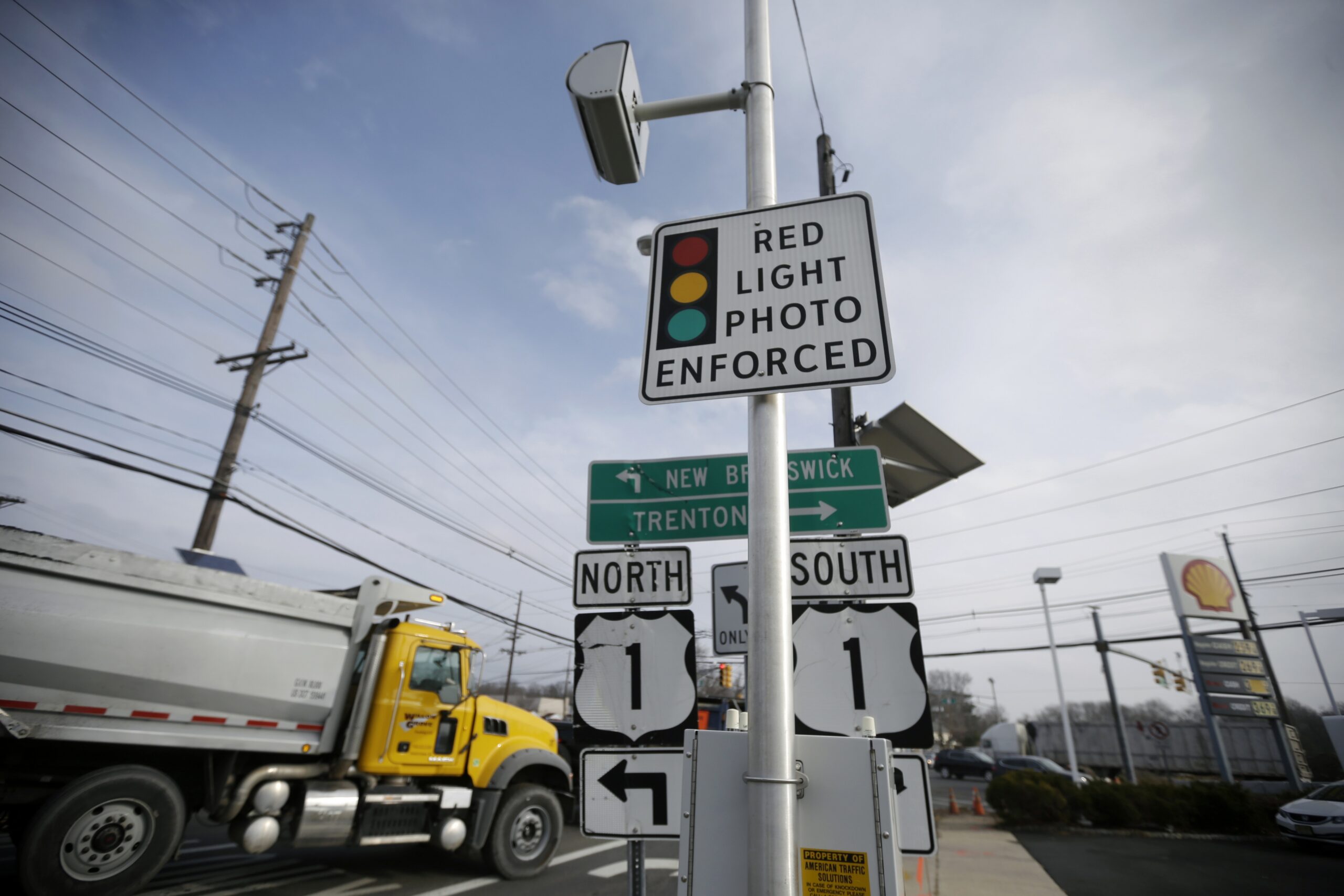
Unlike neighboring states Minnesota, Iowa and Illinois, Wisconsin state law bans automated traffic enforcement measures such as red-light cameras that capture lawbreakers in the act. In June, Democratic state Sens. LaTonya Johnson and Dora Drake, who represent parts of northern Milwaukee, introduced a bill that would allow the city to use traffic cameras as part of a pilot program for automated traffic enforcement.
Wineberg said the prohibition on traffic cameras and other tools make it harder for police to enforce traffic laws efficiently.
The University of Wisconsin-Milwaukee also has developed plans for traffic enforcement in its neighborhood. The UWM Police Department does not have a dedicated traffic unit.

Wisconsin Public Radio, © Copyright 2026, Board of Regents of the University of Wisconsin System and Wisconsin Educational Communications Board.