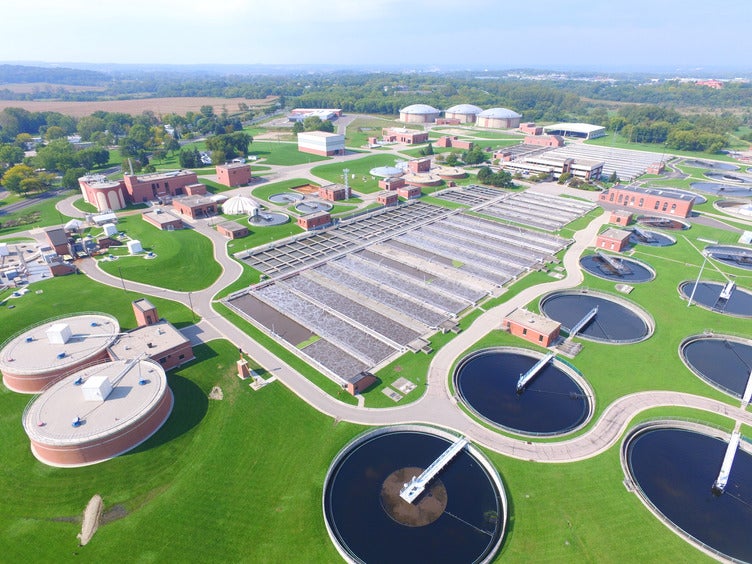
Officials are monitoring the health of a nearby creek after millions of gallons of sewage spilled from a cracked pipe in south Madison.
Staff with the Madison Metropolitan Sewerage District first learned of the problem on Friday, after a passerby noticed bubbling on a wetland near the
Capital Springs State Trail, according to a news release published by the district on Tuesday.
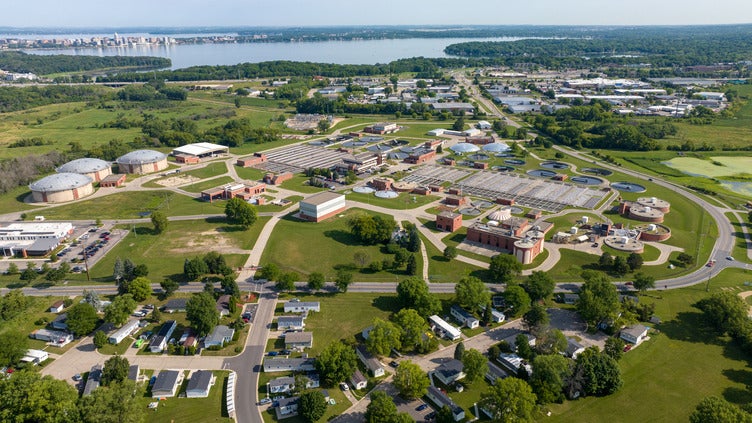
That wetland is on the grounds of the district’s Nine Springs Wastewater Treatment Plant.
News with a little more humanity
WPR’s “Wisconsin Today” newsletter keeps you connected to the state you love without feeling overwhelmed. No paywall. No agenda. No corporate filter.
Officials found a ruptured sewer pipe and made repairs to stop the overflow. That temporary fix was completed by midday Saturday, according to the district.
But before that, officials estimate that 6 million gallons of untreated wastewater spilled from the busted pipe over a 10-day period.
Amanda Wegner, a spokesperson for the sewerage district, said the surrounding wetland soaked up at least some of the pollutants.
“Wetlands are nature’s sponges,” she said. “Part of their role in the environment is actually to take out some of the contaminants.”
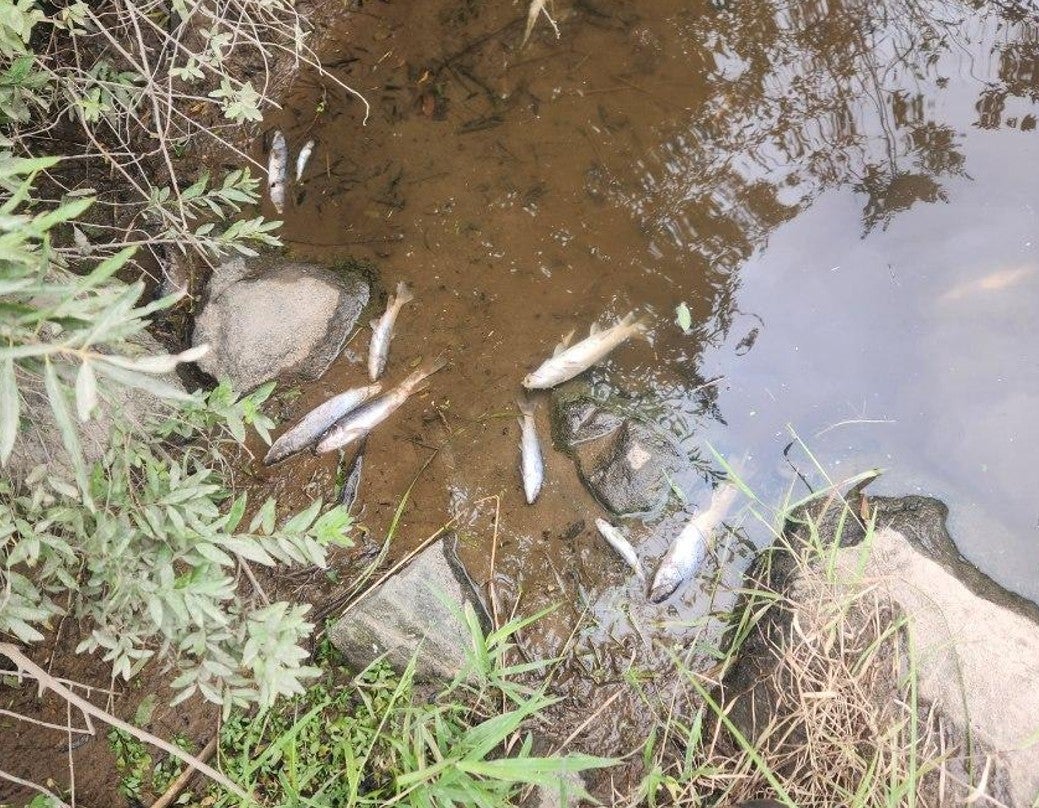
Still, Wegner said an unknown amount of the raw sewage did make its way into the Nine Springs Creek, which eventually runs into the Yahara River.
The untreated wastewater comes from homes and businesses within the regional sewerage district, and it includes human waste.
“It’s when you flush your toilet,” Wegner said of the wastewater’s origins. “But it is also when you run your dishwasher, when you run your washing machine, when you’re just running water in your kitchen sink.”
District officials say they’re working with the Wisconsin Department of Natural Resources and taking daily samples from the creek.
Permanent repairs to the broken pipe should be completed within the next month, Wegner said.
She said the cracked pipe was within a fenced-in area of the plant property, about 2 miles from the Yahara River.
Contact with raw sewage can make people sick, public health officials warn. But Wegner said that would not have been an issue in this case.
“The biggest concern is always direct contact with the wastewater,” Wegner said. “This was on our plant grounds, behind a fence in a restricted area. So from that perspective, there are no immediate human health impacts.”
Wegner said it’s not clear why the pipe cracked, but that heavy rains in mid-August might have played a role. She said the pipe was about 25 years old — which was well within its expected lifespan of 50 to 70 years.
Heavy rainfall during the week of Aug. 10 made the overflow “difficult to detect during normal review” because of heavy inflow into the sewer system, according to the district’s news release. The Madison Metropolitan Sewerage District is a public utility, which collects wastewater from 24 communities in Greater Madison.
“While no system can anticipate every scenario, we can be prepared and accountable for how we respond,” Eric Dundee, the district’s executive director, said in the release about the spill. “Our team, equipped with strong maintenance and inspection practices and emergency response training, immediately activated our response plan, notified our public health and environmental regulators, and took the steps needed to reduce impacts.”

Wisconsin Public Radio, © Copyright 2026, Board of Regents of the University of Wisconsin System and Wisconsin Educational Communications Board.