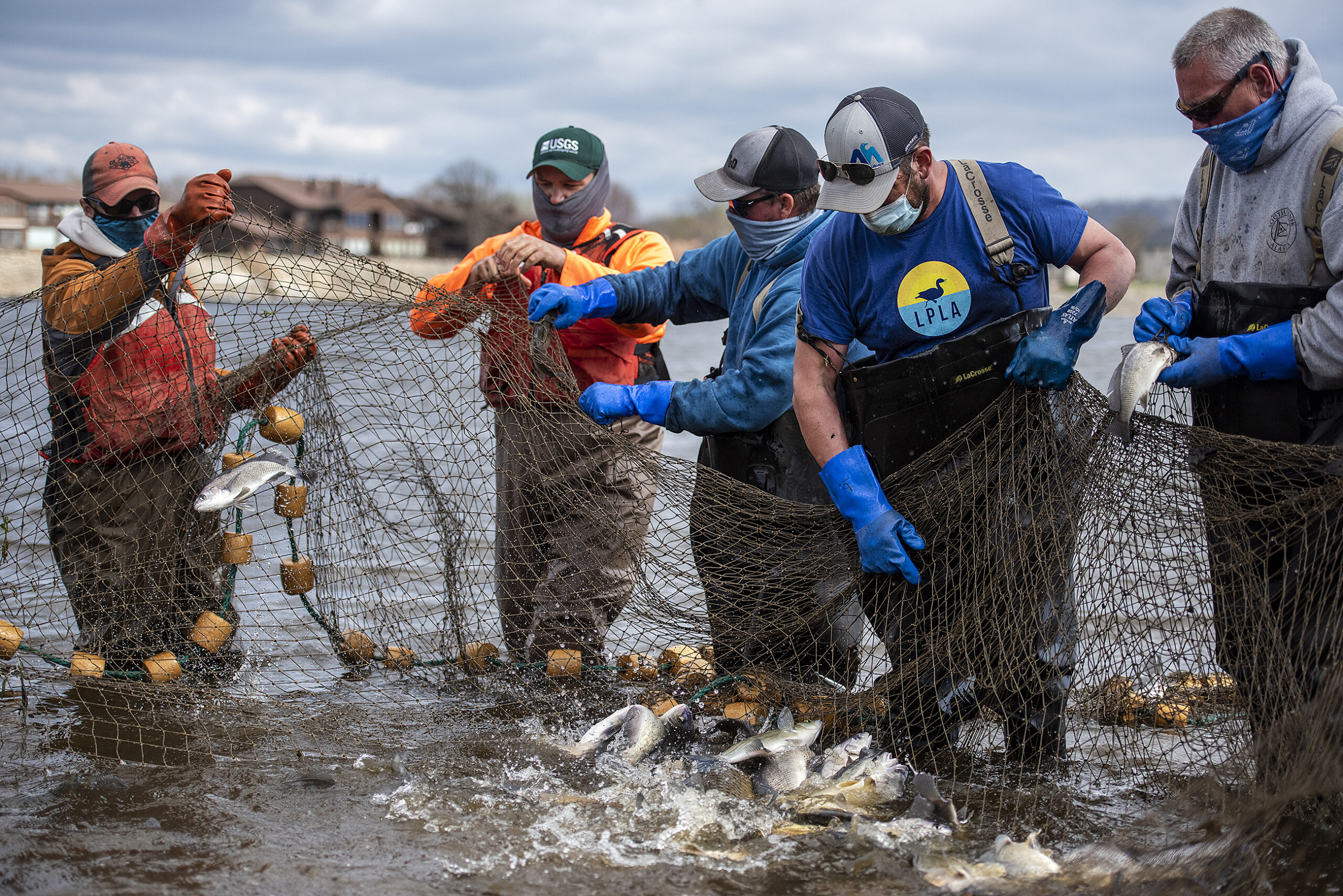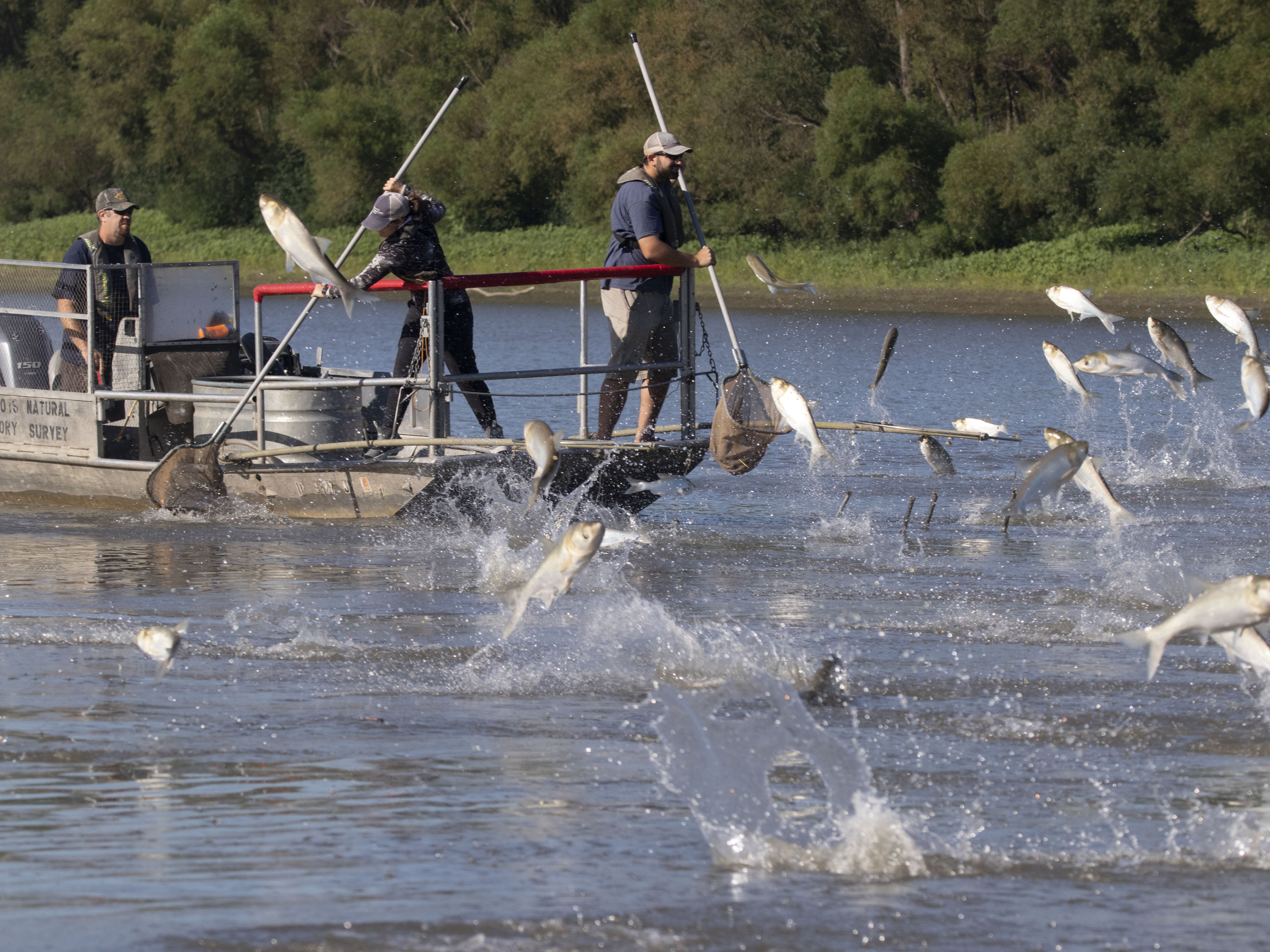
In 2017, five adult bighead carp were found below the Prairie du Sac Dam on the Wisconsin River. That raised the question for Amy Workman: Could invasive carp be in other parts of the river?
Workman is director of the Upham Woods Outdoor Learning Center, which is located on 318 acres of forested land along the Wisconsin River, north of the Wisconsin Dells. Run by the University of Wisconsin Division of Extension as a residential environmental education center, it hosts overnight camps for kids 9 and up.
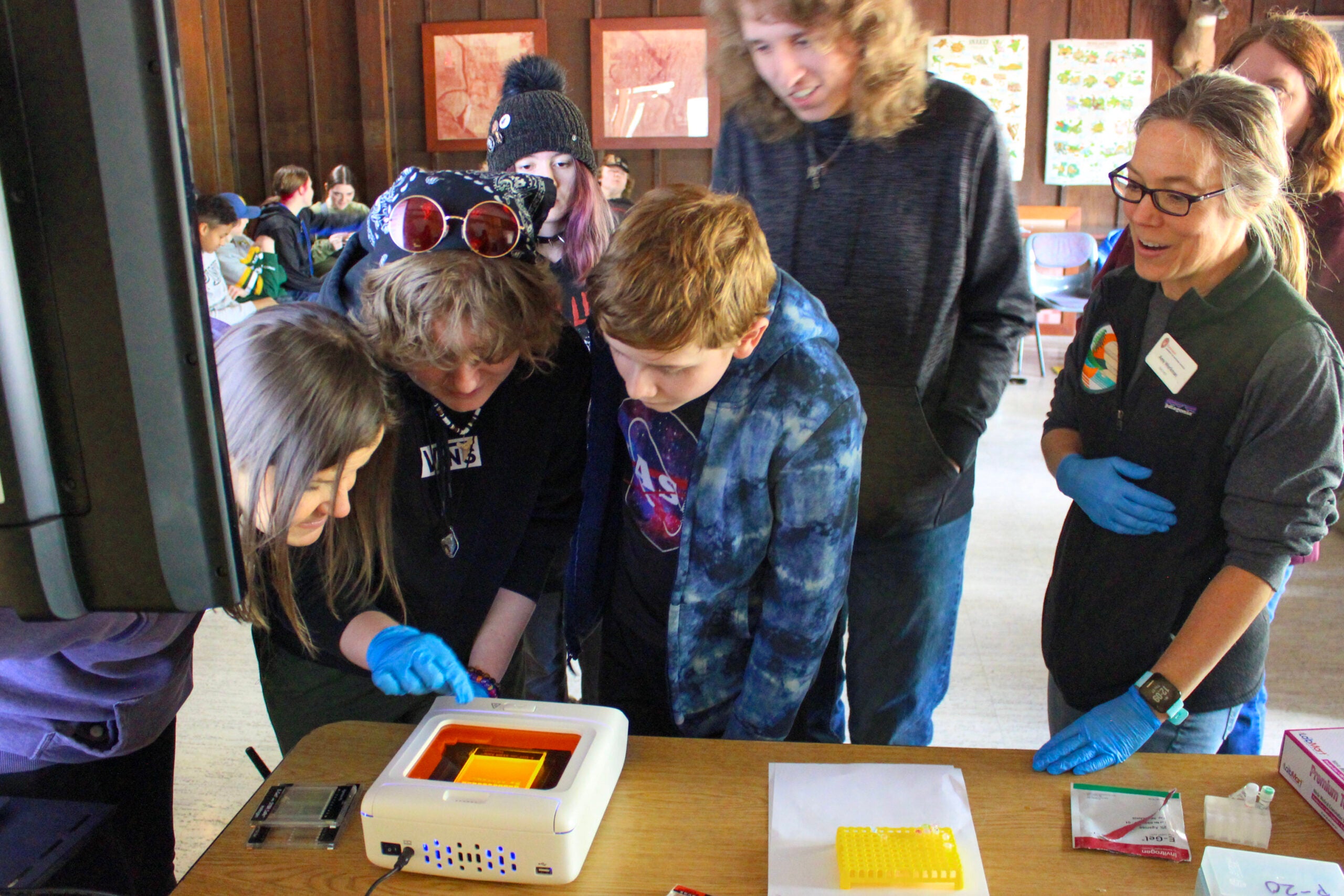
Workman thought the carp question would be perfect for her students to investigate. So, she recently told WPR’s “Wisconsin Today” that she got them involved in what she calls the scientific “detective work.”
News with a little more humanity
WPR’s “Wisconsin Today” newsletter keeps you connected to the state you love without feeling overwhelmed. No paywall. No agenda. No corporate filter.
Carp invaders
In recent years, individual adult bighead and silver carp have been found in Wisconsin’s rivers. Last October, the state Department of National Resources announced that they had detected silver carp in the lower Chippewa River and lower Black River.
Invasive carp like silver and bighead eat a lot of plankton — the base of Wisconsin’s aquatic food web. In doing so, they crowd out Wisconsin’s native yellow perch, lake whitefish, alewives and cisco.
A growing population of invasive bighead and silver carp in the Illinois River are now only 10 to 15 miles away from Lake Michigan, said Wade Strickland, director of the Wisconsin DNR’s Office of Great Waters.
“We don’t have a concern that there’s a reproducing population in the Great Lakes (yet),” Strickland told “Wisconsin Today.” “So time is of the essence, there’s no doubt about it.”
Strickland is relying on data from natural resources agencies, which test water for carp DNA.
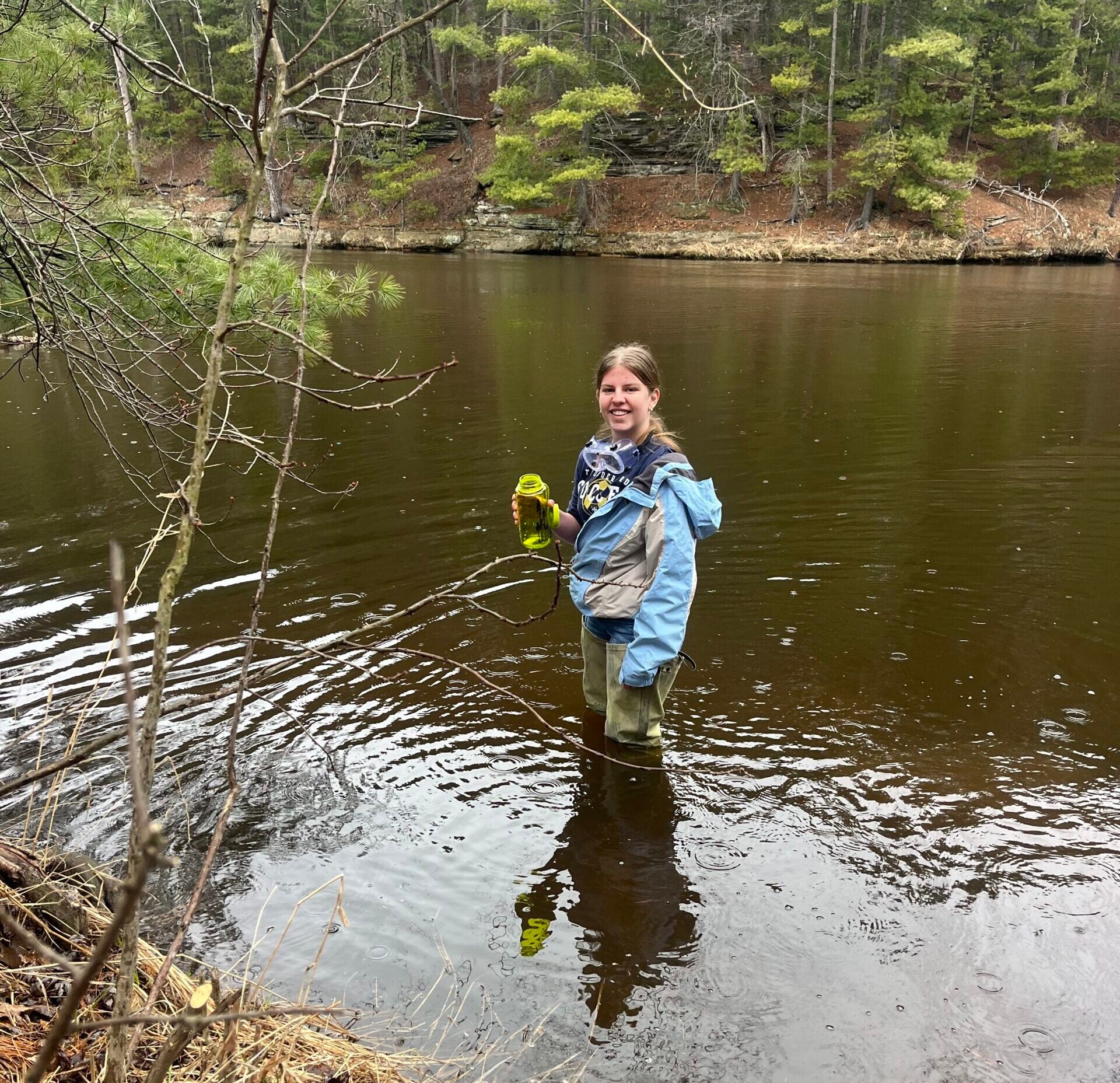
But they can’t test everywhere in the state at once. That’s where citizen scientists like the youth of the Upham Woods Outdoor Learning Center come in.
Youth become invasive carp detectives at Upham Woods
Workman involves her students in every step of the DNA water testing process, from collecting samples to extracting and amplifying the DNA in a lab.
It’s different from the more basic labs the kids are used to doing in their school science classes.
“We have had students say that (they’re) so happy to be involved in a project that is real, that is not a cookie-cutter lab where we know what the answer is,” Workman said. “This is a big unknown. We don’t know what we’re going to find, and so it’s really cool to have that real life mystery that (they’re) helping to solve by engaging in this project.”
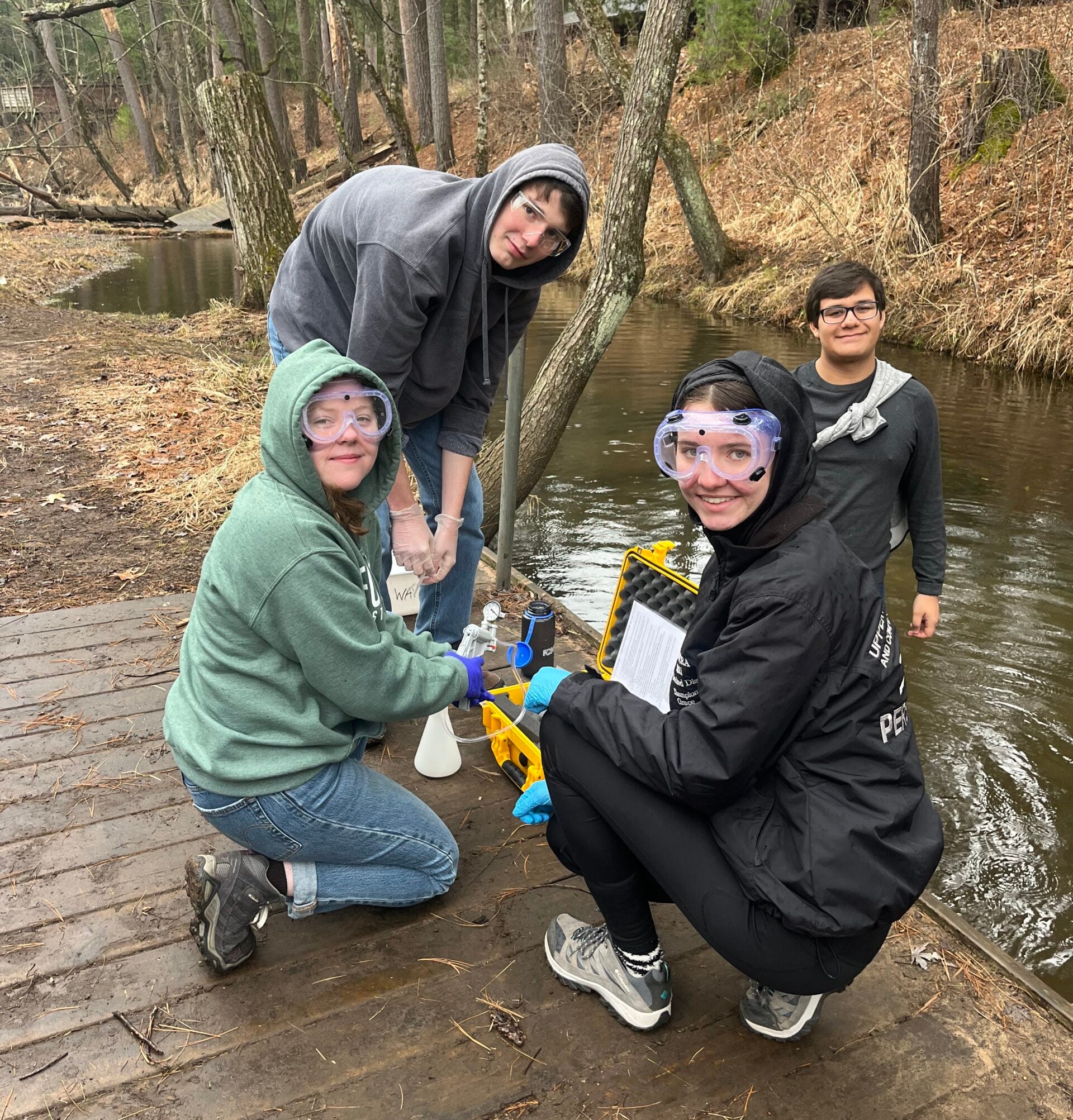
Workman and her students have not yet found DNA evidence of invasive carp in their section of the Wisconsin River.
“This is like the early warning system that we can engage students in, knowing that we’re doing this in an outdoor learning center environment where there is a possibility of contamination,” Workman said. “But this is really important, because what it does is it helps those agencies direct their limited resources in more targeted ways.”
Workman hopes her students take away an understanding that science is not just about an outcome — it’s a process.
“As we learn more, as we get better evidence and better data, we come to better conclusions about all kinds of environmental challenges and problems,” Workman said.
Plus, she hopes it will be an antidote to the environmental news that kids are constantly seeing — climate disasters, pollution and habitat destruction.
“I think it’s really important that we give youth positive experiences, (so) that they’re not helpless,” Workman said. “There are ways to positively engage in addressing and solving some of these environmental challenges. They can be part of the solution.”