Wisconsin voters will have the rare opportunity next year to pick someone new to fill open seats in the governor’s office and state Supreme Court.
But — at least for now — a new poll shows they haven’t given it much thought.
The survey of 846 registered voters by the Marquette University Law School was conducted Oct. 15-22. It has a margin of error of plus or minus 4.5 percentage points.
News with a little more humanity
WPR’s “Wisconsin Today” newsletter keeps you connected to the state you love without feeling overwhelmed. No paywall. No agenda. No corporate filter.
But the number of undecided voters was well outside of that, with most voters still forming opinions of the candidates.
Governor’s race
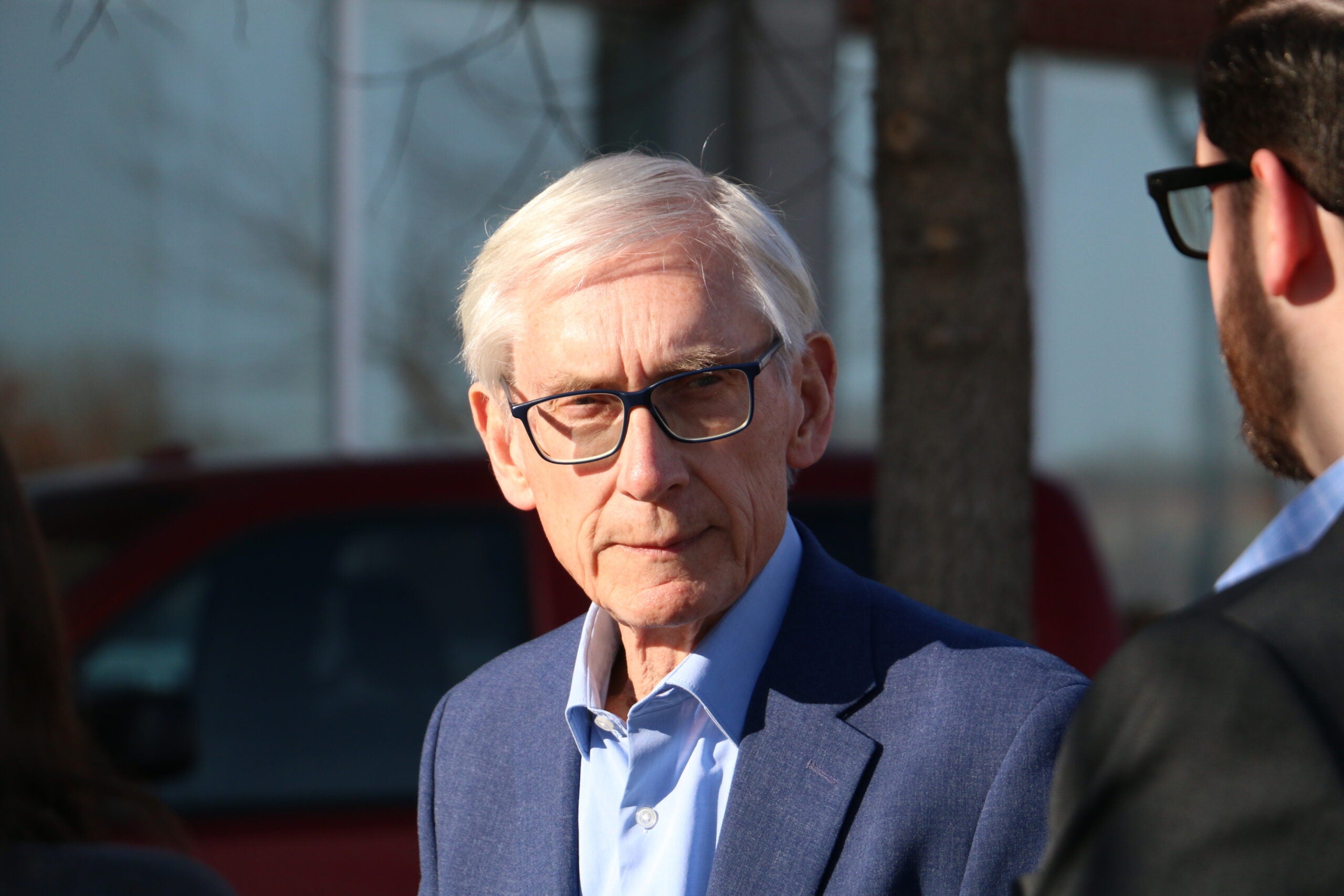
The field of candidates in Wisconsin’s race for governor has been growing since Democratic Gov. Tony Evers announced in July that he wouldn’t seek a third term in office, with around a dozen candidates between both parties. Marquette’s poll results show that, for the most part, Wisconsinites haven’t heard much about the race and haven’t made up their minds.
Among those identifying as Republican, 70 percent of registered voters said they’re not sure how they’ll vote. For Democrats the margin was even higher, at 81 percent.
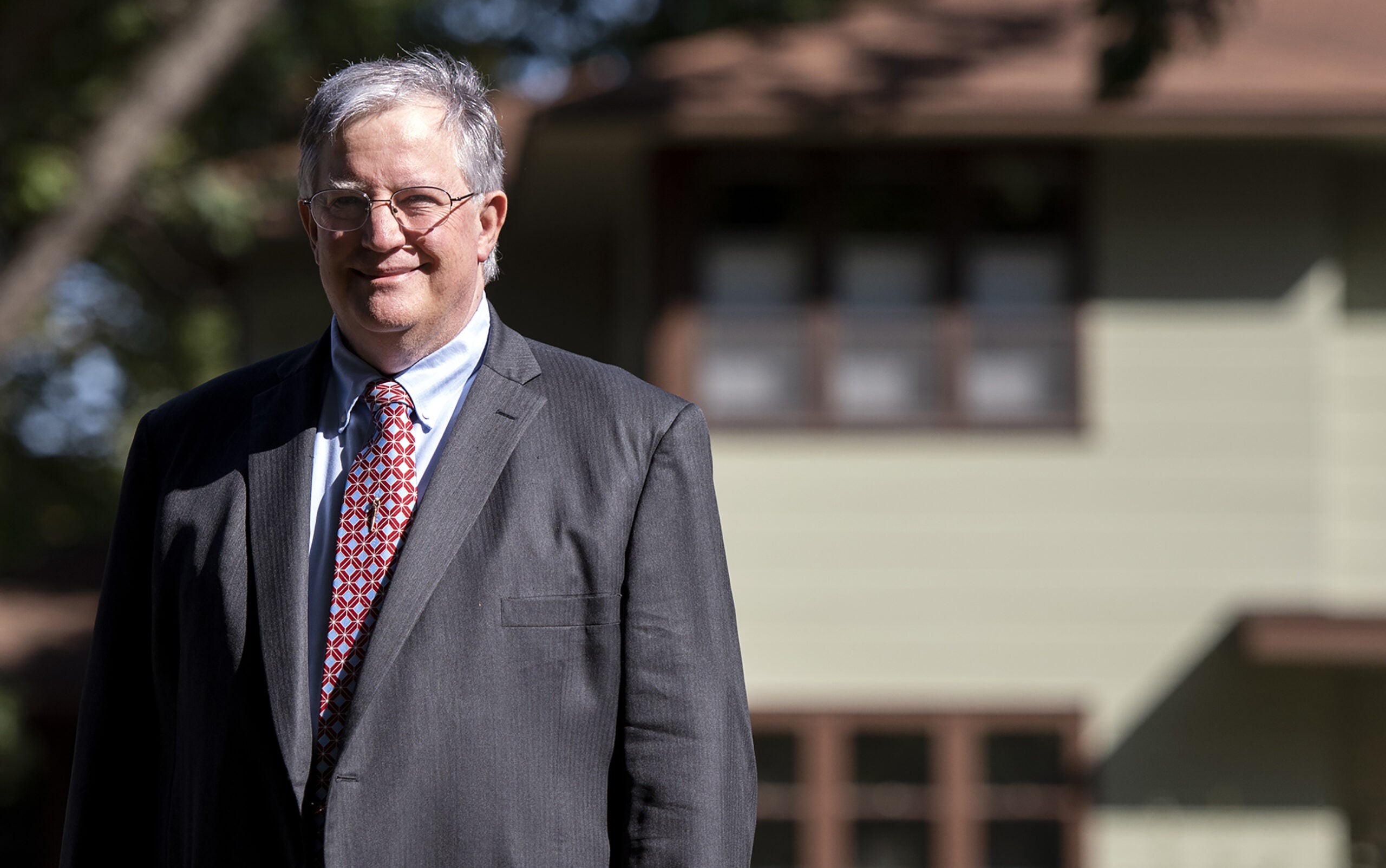
Pollster Charles Franklin said that’s not surprising, even though next year’s election will be the first in many years without an incumbent in a Wisconsin governor’s race.
“Because of their non-incumbent status, all have a very long ways to go to develop name identification and develop feelings either positive or negative towards their candidacy,” Franklin said.
Based on polling dating back to 2012, Franklin said he expects people will be “keenly aware” of who is running for governor by next summer.
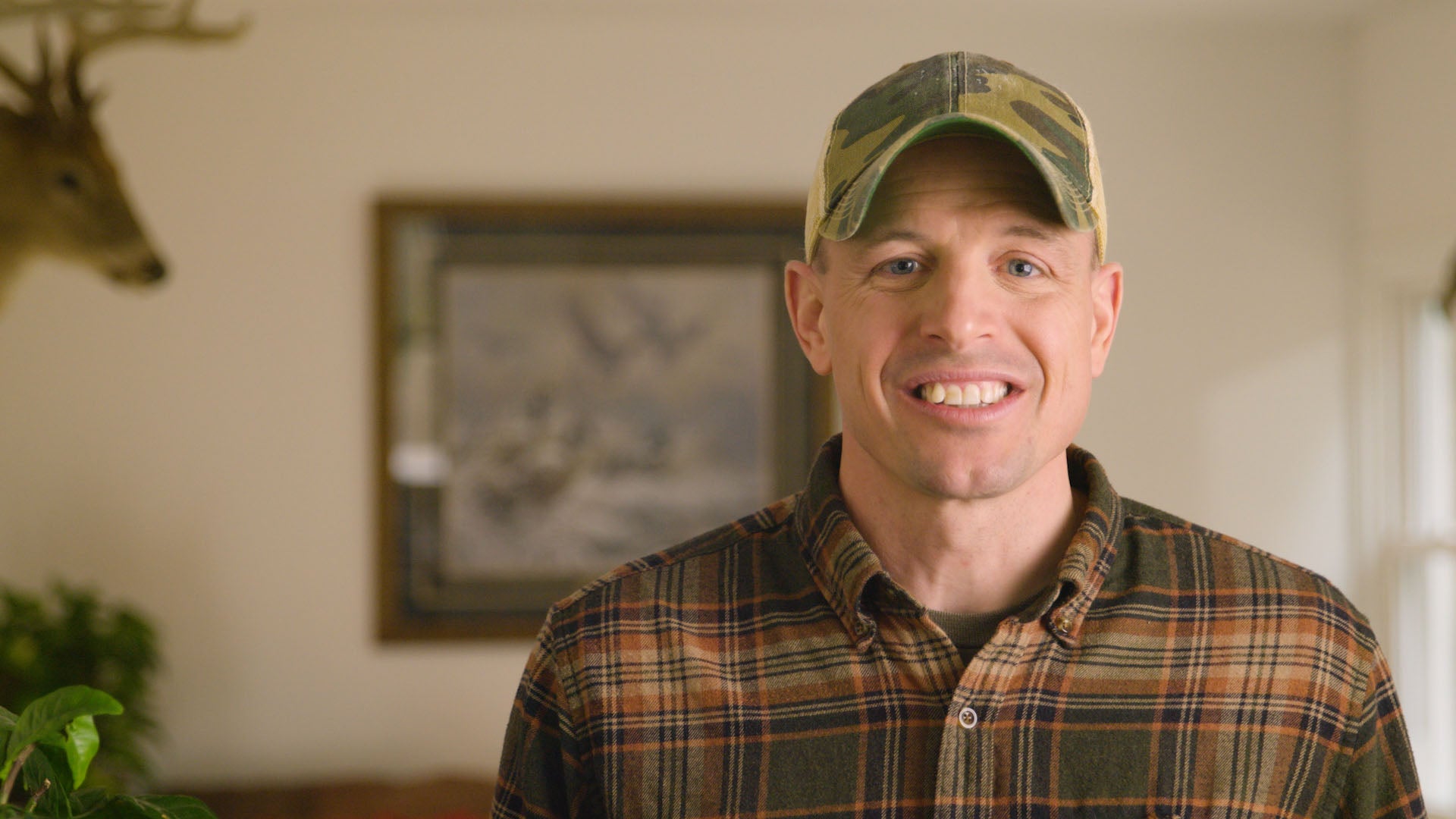
Among the small pool of GOP voters who had made a choice, Congressman Tom Tiffany has the edge, with 23 percent of Republicans saying he’d be their choice in the primary. Washington County Executive Josh Schoemann was far behind, with just 6 percent of Republicans saying he’d get their vote.
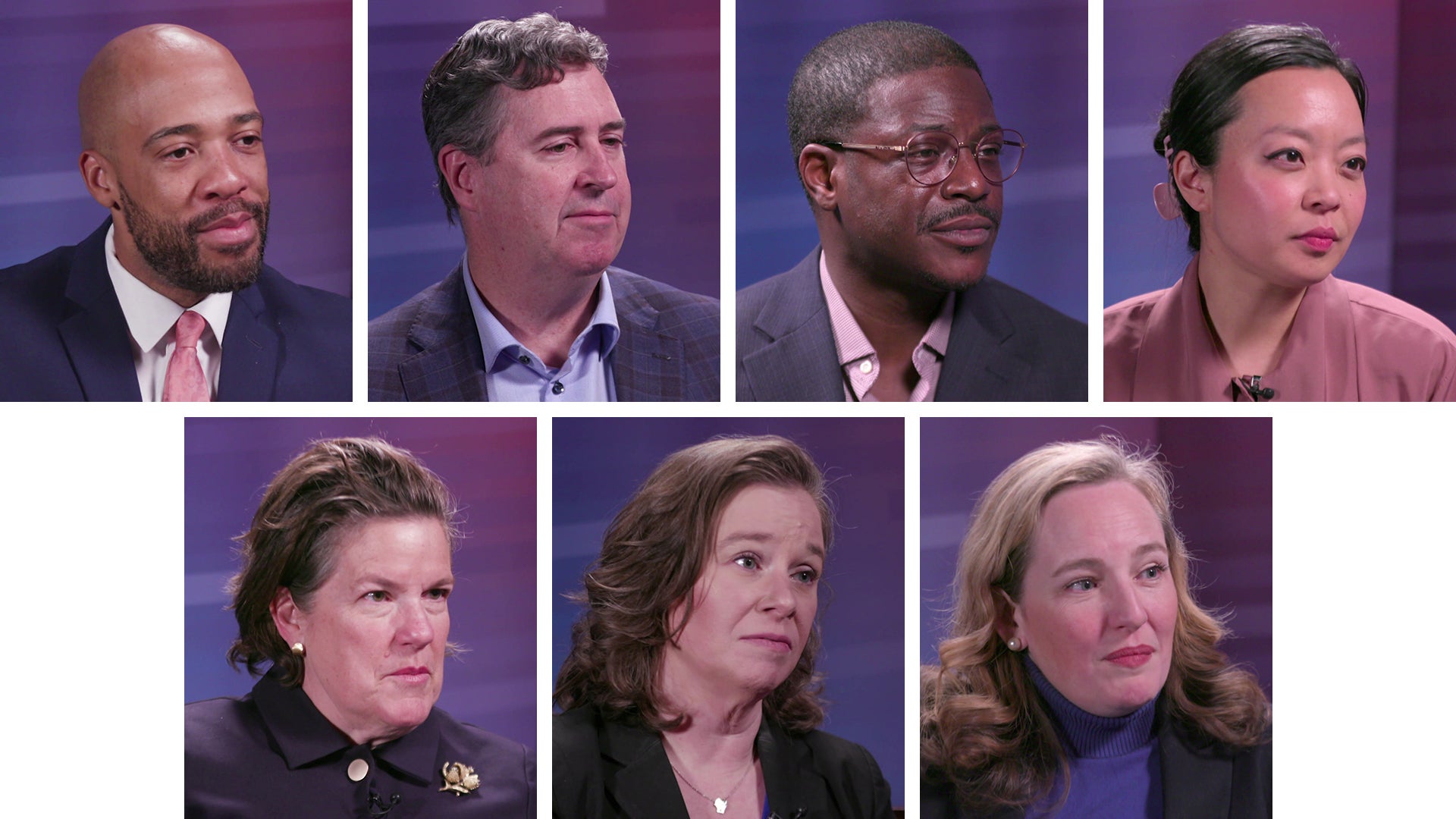
On the Democratic side, the Marquette poll showed a much closer gap between seven of the declared candidates currently vying for their party’s nomination. State Rep. Francesca Hong, D-Madison, lead the pack with 6 percent of Democratic voters saying she’d be their pick in next year’s primary. Lt. Gov. Sara Rodriguez came in at second with 4 percent, while Milwaukee County Executive David Crowley and Madison state Sen. Kelda Roys each received 3 percent.
The poll didn’t survey voters on other potential Democratic candidates, like former Lt. Gov. Mandela Barnes.
Because the sample sizes for primary voters were smaller, their margins of error were higher, at 6.4 percent for Republicans and 6.9 percent for Democrats. That means the results for the Democratic candidates were all well within the margin of error.
Wisconsin Supreme Court
In April, voters will decide another high-profile election for an open seat on the Wisconsin Supreme Court.
Conservative Justice Rebecca Bradley announced in August that she wouldn’t seek re-election to another 10-year term on the high court. There are just two candidates in the race to replace her. Liberal state Appeals Court Judge Chris Taylor, a former Democratic legislator, announced her run in May. Conservative Appeals Court Judge Maria Lazar entered the race Oct. 1.
Similar to the race for governor, the Marquette survey found 84 percent of respondents didn’t know enough about Taylor to decide whether they see her as favorable or not. For Lazar, that figure was 86 percent.
While next April’s Supreme Court election won’t decide whether conservatives or liberals control the court, it could grow the existing 4-3 liberal majority to 5-2.
Majority of Marquette respondents blame GOP for government shutdown
The federal government has been shut down since Oct.1 because of an impasse over extending enhanced, COVID-19-era tax credits for people buying health insurance through Affordable Care Act state exchanges. That means many federal workers are going unpaid and as many as 700,000 Wisconsinites could stop receiving federal food assistance on Nov. 1.
Democrats, like Evers and U.S. Sen. Tammy Baldwin, say without the tax credit extension, Affordable Care Act premiums for some will spike by between 200 and 800 percent. Republicans, like Tiffany and Congressman Derrick Van Orden say Democrats designed the COVID-era subsidies to expire and are shutting down the government to cater to their base supporters.
The Marquette poll found that, among all respondents, 38 percent blamed Republicans in Congress for the shutdown, while 33 percent blamed Democrats. Another 28 percent blamed both parties.
Franklin said when respondents’ answers were broken down by political affiliation, the vast majority of Republicans blamed Democrats, while the vast majority of Democrats blamed Republicans.
“This is the least surprising finding you could possibly have,” said Franklin. “But I also think it’s revealing and important to keep emphasizing just how much we don’t see the faults in ourselves, but see it richly in our opponents.”

Wisconsin Public Radio, © Copyright 2026, Board of Regents of the University of Wisconsin System and Wisconsin Educational Communications Board.