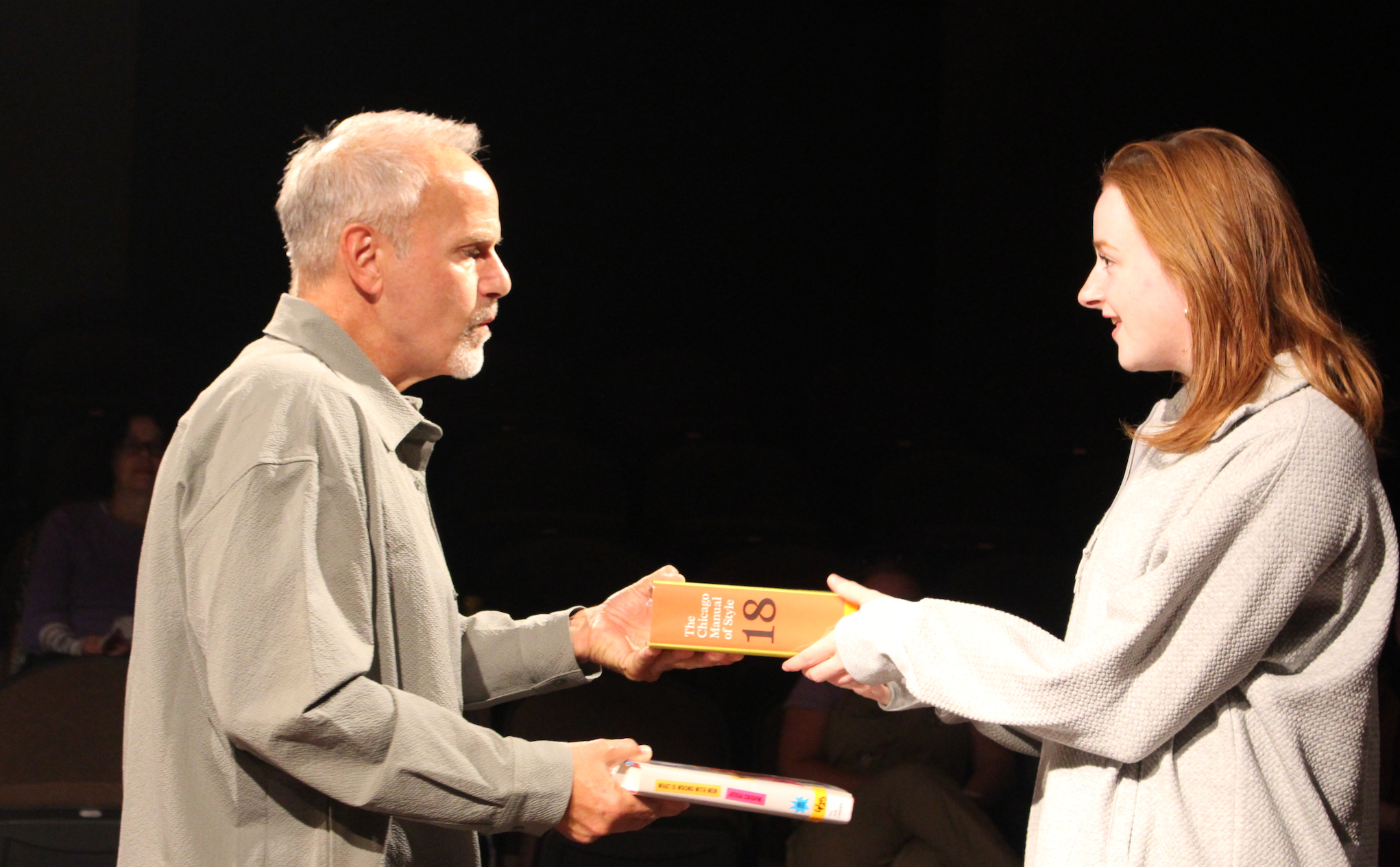
A new show from Grey Area Productions is shining a spotlight on the ripple effects of depression and self-harm in “Every Brilliant Thing.” But director Pete Rydberg said the show is still hopeful.
“As much as it will be very moving for the audience — and it will talk about suicide, self-harm, and depression — the play is about fun. It’s about finding joy,” Rydberg said.
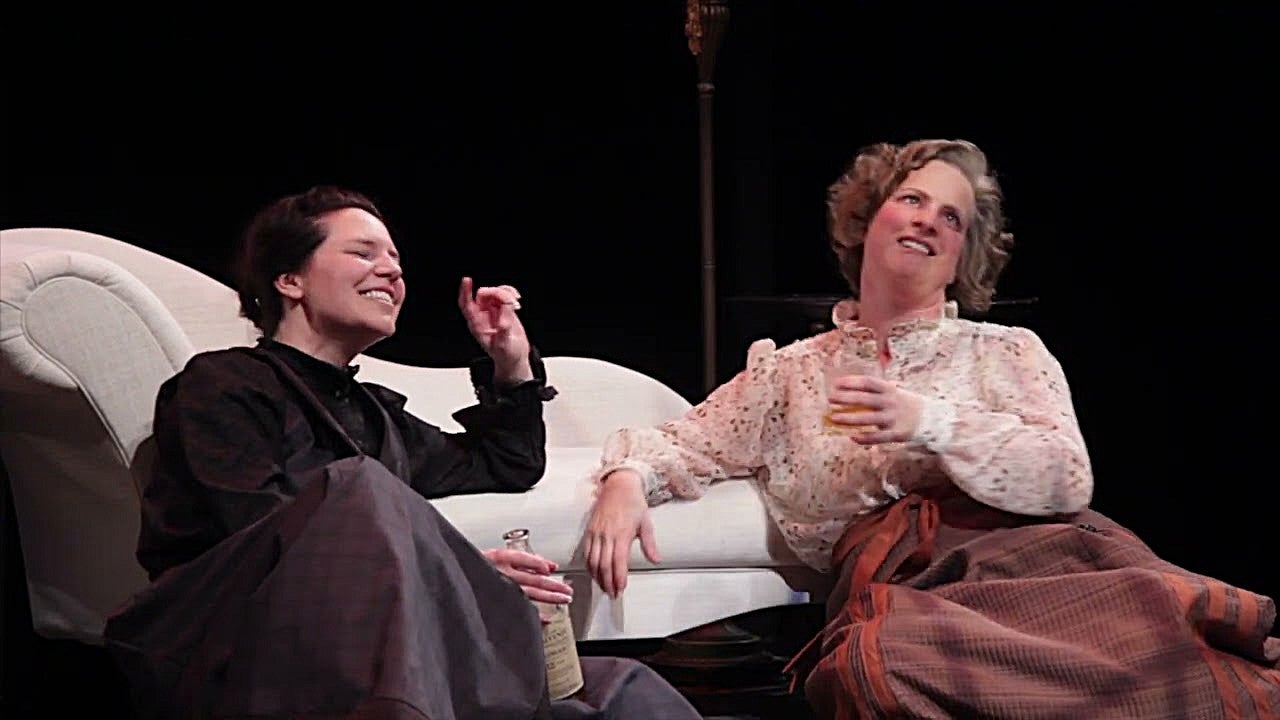
The production, which runs Thursday, Sept. 11 through Sept. 21 at the Pump House Regional Arts Center in La Crosse, involves one actor simply called the Narrator. The theater is set up in the round, which allows the Narrator to interact directly with members of the audience throughout the show.
News with a little more humanity
WPR’s “Wisconsin Today” newsletter keeps you connected to the state you love without feeling overwhelmed. No paywall. No agenda. No corporate filter.
Rydberg talked about the production with WPR’s Ezra Wall on “Morning Edition.”
This conversation has been edited for brevity and clarity.
Ezra Wall: Opening night of “Every Brilliant Thing” is a free, donation-based performance. What gave you the idea to do it that way?
Pete Rydberg: Increasing ways for audience members to access theater is at the heart of Grey Area Productions and their mission. We want to make theater accessible for everyone. For a number of productions now, they have worked to generate funding in order to offer that opening night as “pay what you can.”
EW: For many, the theater is a place to go for an escape from the difficulties of real life. Others expect to be challenged and changed through interaction with art. Where does this show fall on that spectrum?
PR: I’ve wanted to do this play since the first moment I read it. I remember that very first encounter with the script, and it really spoke to my own preferred style of theater, which is theater that does entertain. It is a comedy at its core. You will laugh throughout. But it’s talking about incredibly serious and topical subject matter. So while I’m sure folks will be entertained in that joyous way, they’re also going to be challenged to think about themes and topics in a new way and through different lenses.
EW: What are the main topics or themes that people will encounter?
PR: The story of “Every Brilliant Thing” is about a young person struggling to cope with their mother’s depression — a depression that leads to self-harm — and how that young person navigates it as they grow up. The conceit of “Every Brilliant Thing” is that our narrator begins a quest to help provide a balm for their mother’s depression by creating a list of every brilliant thing that makes life worth living.
EW: The other thing that makes the performance different each night is that, depending on which night you go, there are two different actors playing the Narrator. What does that brings to the play — having different actors play that main character each day?
PR: One of the things that drew me to this script was not only the universal nature of the story being told, but also the playwright’s notes at the top of the script. It says: “This story can be told by any actor of any age, of any gender. You should modify this script to be local, immediate, and relevant to your demographics.”
We have an older male performer and a younger female-identified performer. And the way these two radically different types of actors interpret the play, the lens through which we see it, is the same story. But it becomes a different person’s story when we watch it. It’s a radically different show depending on (which actor) you’re seeing, but the story remains the same.
EW: You talked about the weight of the subject matter and yet the promising and hopeful perspective you’re trying to bring to bear at the same time. What’s one brilliant thing that you’ve changed your perspective on through the course of this production?
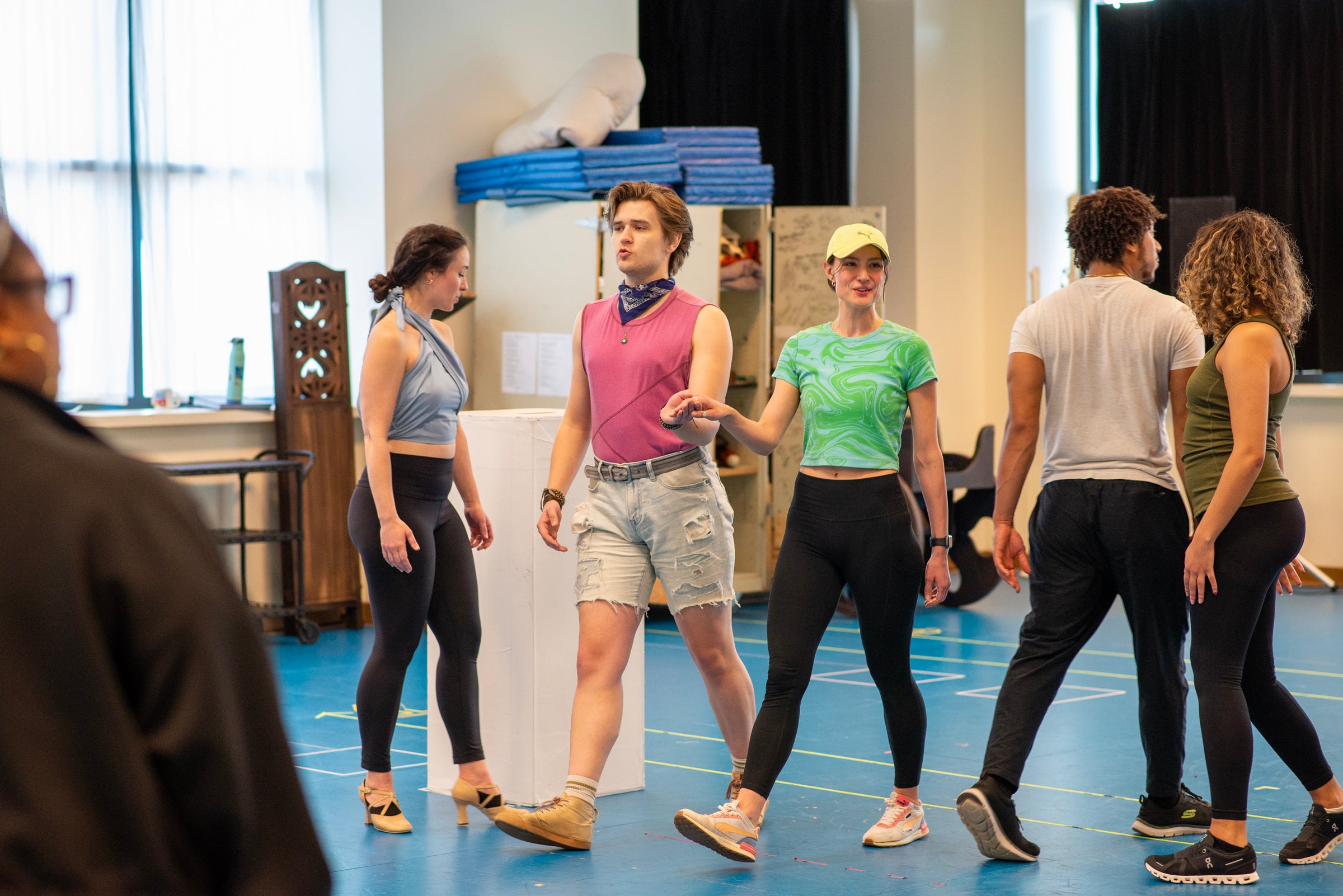
PR: For me, personally — on a very personal level — when I moved to La Crosse, it was the first time in probably 20 years that I didn’t have a next project. So for me, getting back into the rehearsal hall after two years of being absent is really a brilliant thing. And it’s been a wonderful, wonderful time.
If you have an idea for something we should be talking about on “Morning Edition,” email southwest@wpr.org.