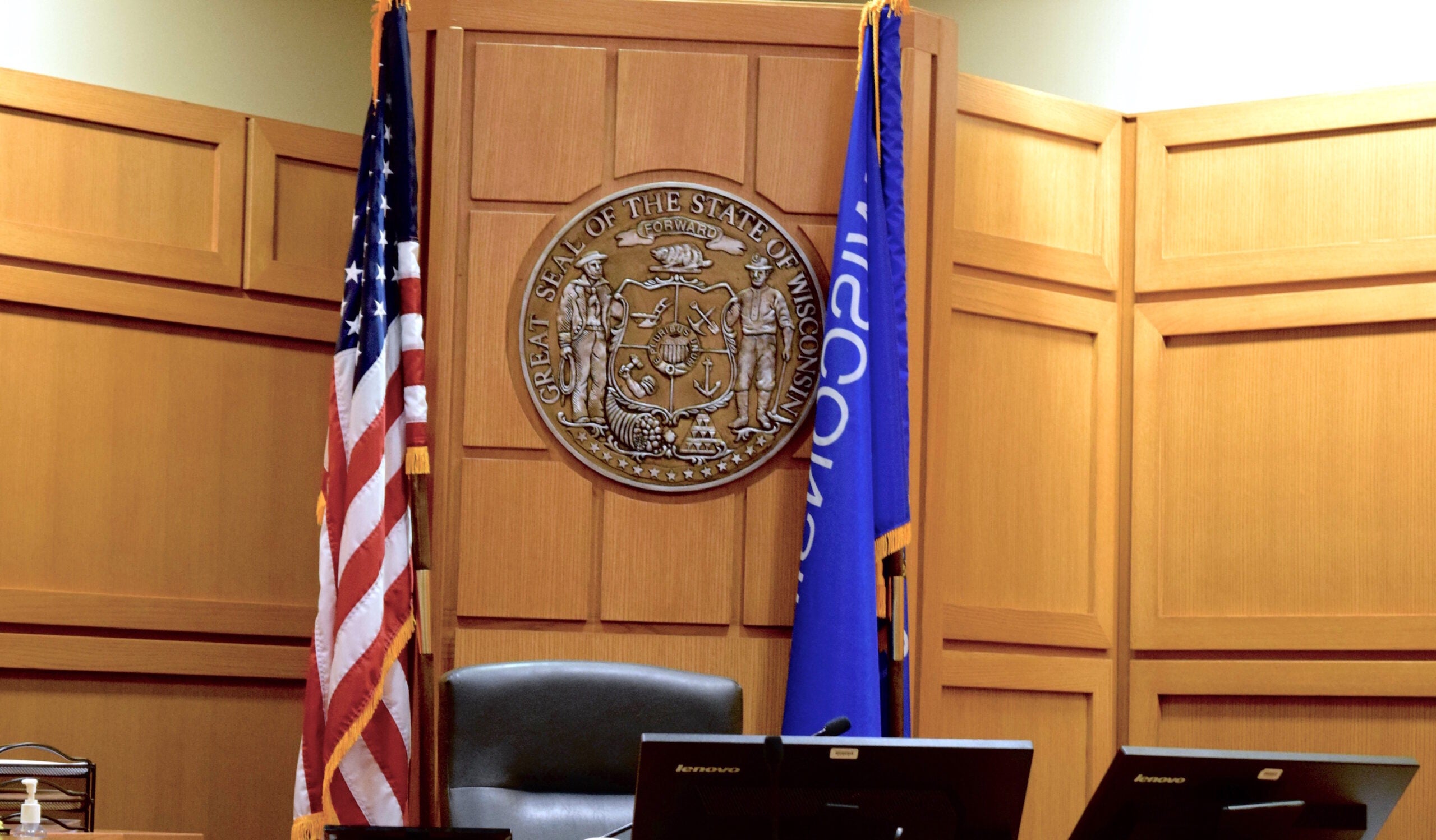
When the COVID-19 pandemic struck, courts across Wisconsin halted in-person hearings.
Since then, Wisconsin’s justice system has been working through a backlog of criminal cases.
Those delays are still being felt today, although justice has been getting somewhat quicker in recent years past.
News with a little more humanity
WPR’s “Wisconsin Today” newsletter keeps you connected to the state you love without feeling overwhelmed. No paywall. No agenda. No corporate filter.
In 2024, it took an average of 252 days — or just over eight months — for a felony case to work its way through Wisconsin’s state court system, according to data from the Director of State Courts Office.
That’s about two months slower than in 2019, before the pandemic hit, when the average time to resolve a Wisconsin felony case was 183 days.
Those averages are medians, and they reflect the time from when a case was filed to when it was closed, such as through a plea deal, dismissal or conviction.
Justice has been getting somewhat quicker in recent years
After the post-pandemic spike in case delays, there have been signs of improvement. In 2024, the average time to resolve a felony case was seven days faster than in 2023 and 12 days faster compared to 2022.
The pattern was similar for misdemeanor cases, which took an average of about five months to resolve in 2024.
In recent years, both the Wisconsin District Attorney’s Association and the State Public Defenders Office have pointed to heavy caseloads for attorneys handling criminal cases.
Harm Venhuizen, a spokesperson for the Wisconsin State Public Defenders Office, said the state could help address its criminal case backlog by assigning more funding to public defender work across the state. He said the COVID-19 pandemic is still having consequences for criminal courts.
“It’s no secret that that’s really had some ripple effects throughout the court system, for prosecutors (and) for the public defenders office,” he said. “We’re still feeling those years after. It takes time to get back to normal.”
In 2024, there were a total of 43,853 felony complaints and 41,800 misdemeanor complaints filed in state-level courts across Wisconsin. That’s fewer felony charges and more misdemeanors than in 2023, when there were 44,128 felony complaints and 40,696 misdemeanor complaints. The number of complaints filed in 2023 was up compared to 2022.
Public defenders office argues prosecutors are over-charging
After spiking during the COVID-19 pandemic, crime has fallen in recent years, and Venhuizen argues the court system would be less clogged if prosecutors filed fewer “lower-level” charges.
“We have prosecutors going back years to charge clients with things like marijuana possession or disorderly conduct,” he said.
Currently in Wisconsin, marijuana-related offenses are state-level crimes, although prosecutors in some counties choose to treat marijuana possession as a civil violation that can result in a fine. The public defenders office has previously proposed getting rid of state criminal charges for marijuana possession.
The most commonly filed state-level charges in Wisconsin are bail jumping and disorderly conduct, and the State Public Defenders Office has advocated unsuccessfully to reclassify some of those charges as civil offenses in certain instances.
Bail jumping is when someone released on bond fails to show up for a court date or otherwise violates the terms of their bond. Bail jumping can be either a felony or misdemeanor, depending on the severity of the underlying charges that a person faces.
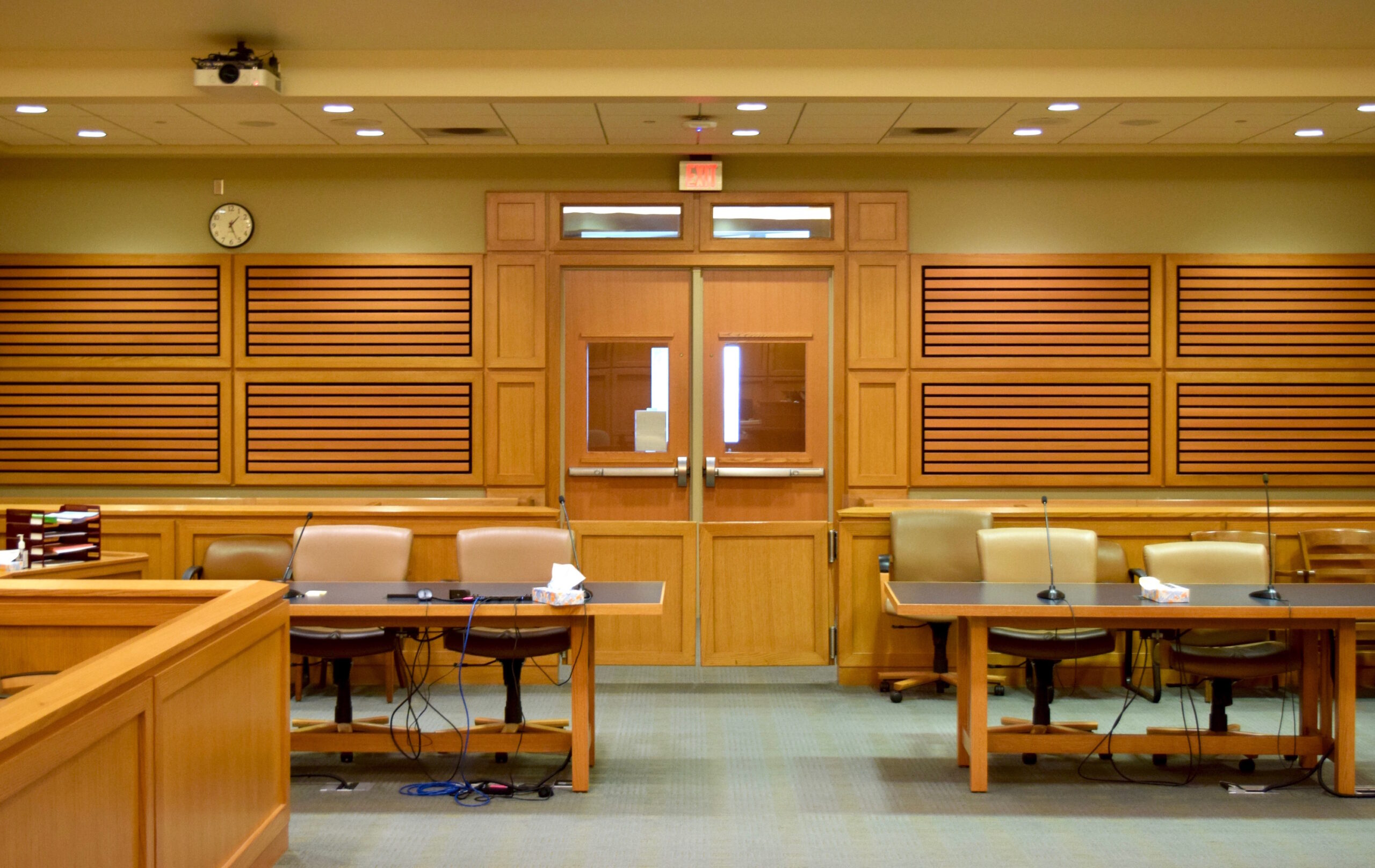
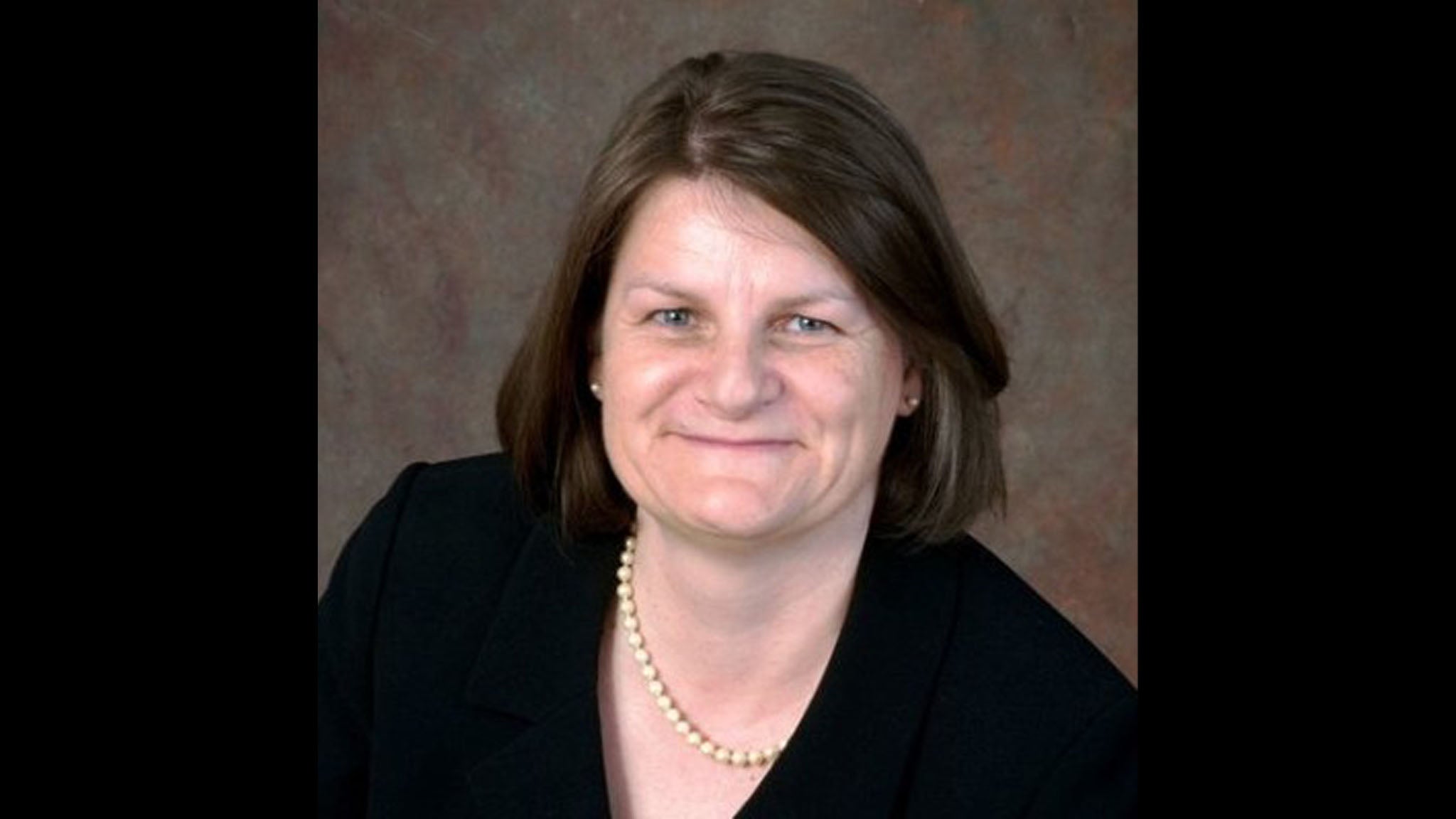
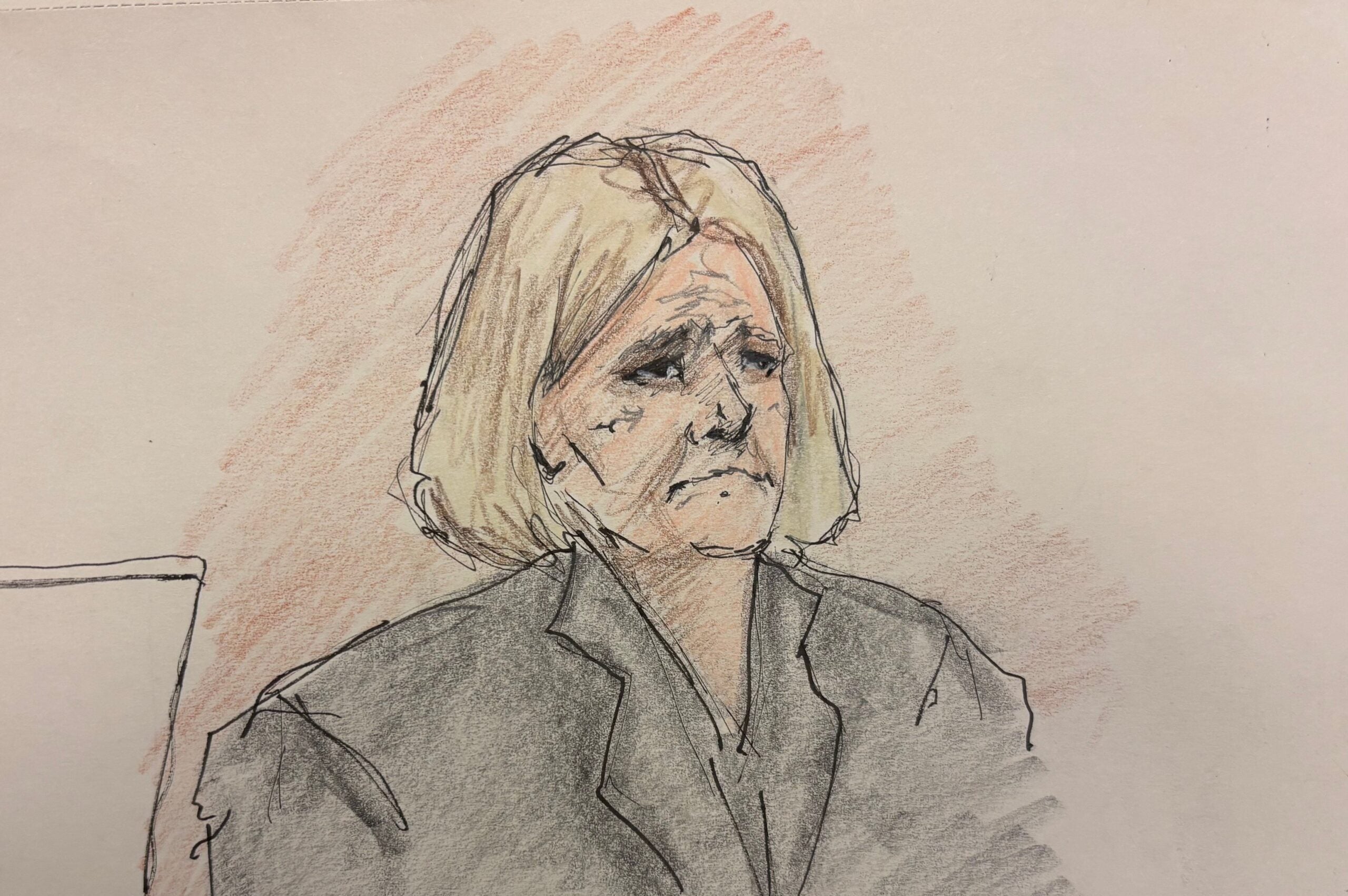
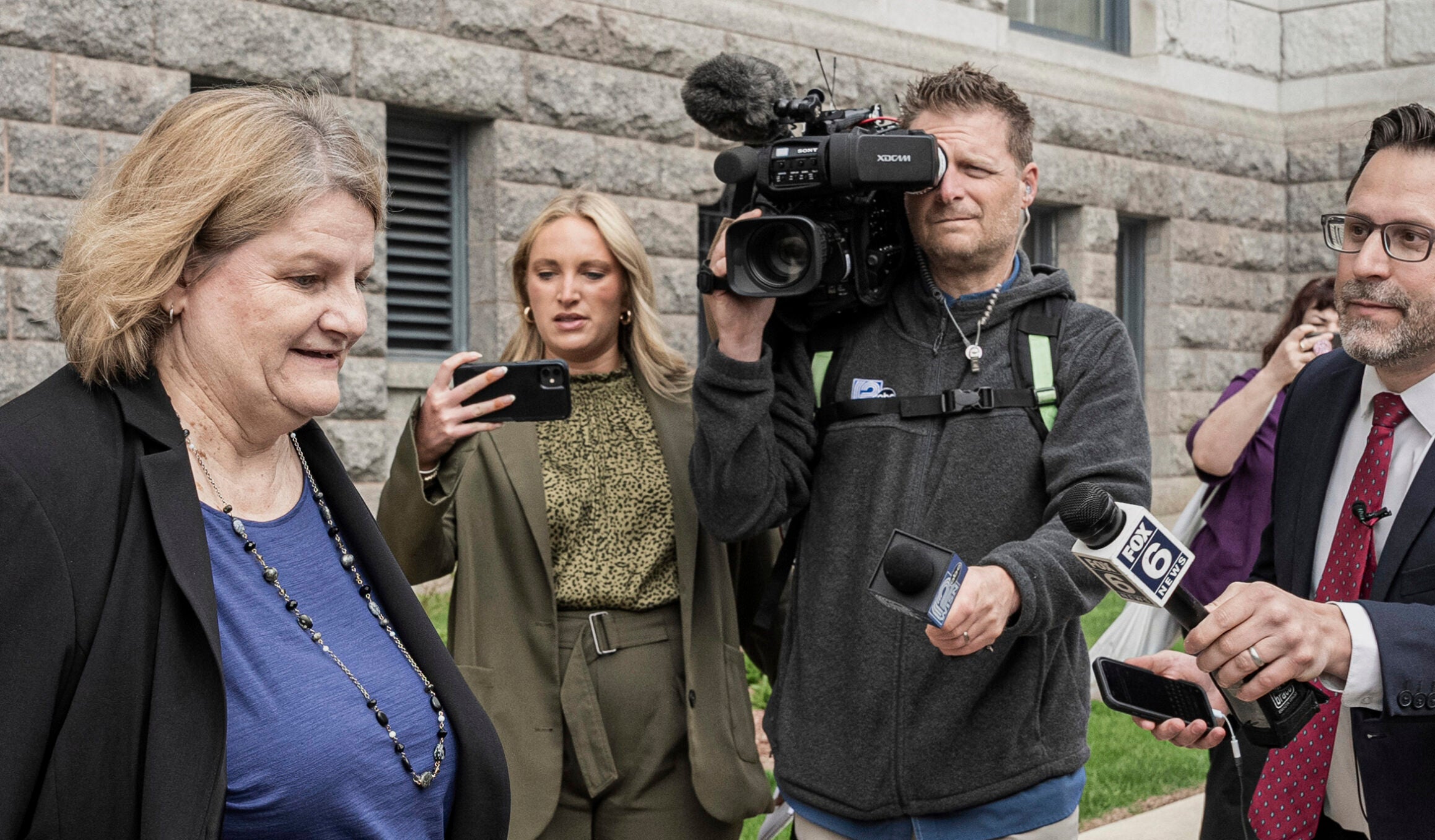
Outagamie County District Attorney Melinda Tempelis, a Republican who leads the Wisconsin District Attorneys Association, disputed the characterization of bail jumping, marijuana possession and disorderly conduct as largely low-level charges. She said those charges can be associated with serious crimes.
“When somebody is put on bond, they are agreeing to follow the rules to be in the community,” Tempelis said, referring to bail jumping. “If they are not following those rules of the community, then they can create additional crimes. That’s a problem.”
Milwaukee County Assistant District Attorney Dan Flaherty says prosecutors across the state are still working through a backlog of charges that stemmed from an increase in crime during the height of the pandemic. Alongside his day job focused on prosecuting homicides, Flaherty also serves as president for the Association of State Prosecutors, which represents the interests of Wisconsin’s assistant district attorneys.
On the plus side, Flaherty said he believes that backlog is starting to ease in part because the return to in-person hearings is giving prosecutors and defense attorneys more opportunities to hash out plea deals.
“A lot of off-the-record, behind-the-scenes work gets done when two lawyers on a case are just in court waiting for their case to get called,” Flaherty explained.
Nonetheless, Flaherty said there’s a need for more lawyers to take on criminal cases.
“We just need more of everything,” Flaherty said. “We need more defense attorneys, and we need more prosecutors who can handle this large number of cases.”
Why does it matter if justice is delayed?
When court cases drag on, that leaves victims waiting longer for closure. It can also affect the quality of evidence, as memories fade and witnesses die or move away.
Those delays also hurt defendants, who are guaranteed a right to a speedy trial under the U.S. Constitution.
For some people charged with crimes, it can mean more time stuck in jail because they can’t afford to post bond, Venhuizen noted.
“They might lose their jobs, they might lose their housing,” Venhuizen said. “By the time we go to trial, that client can still be found innocent, but now their entire life is just upended because there were delays in the criminal justice system.”
Editor’s note: This story has been updated to correct the number of felony cases filed in 2023 and a reference to the average time taken to resolve cases in 2024 versus 2019.

Wisconsin Public Radio, © Copyright 2026, Board of Regents of the University of Wisconsin System and Wisconsin Educational Communications Board.