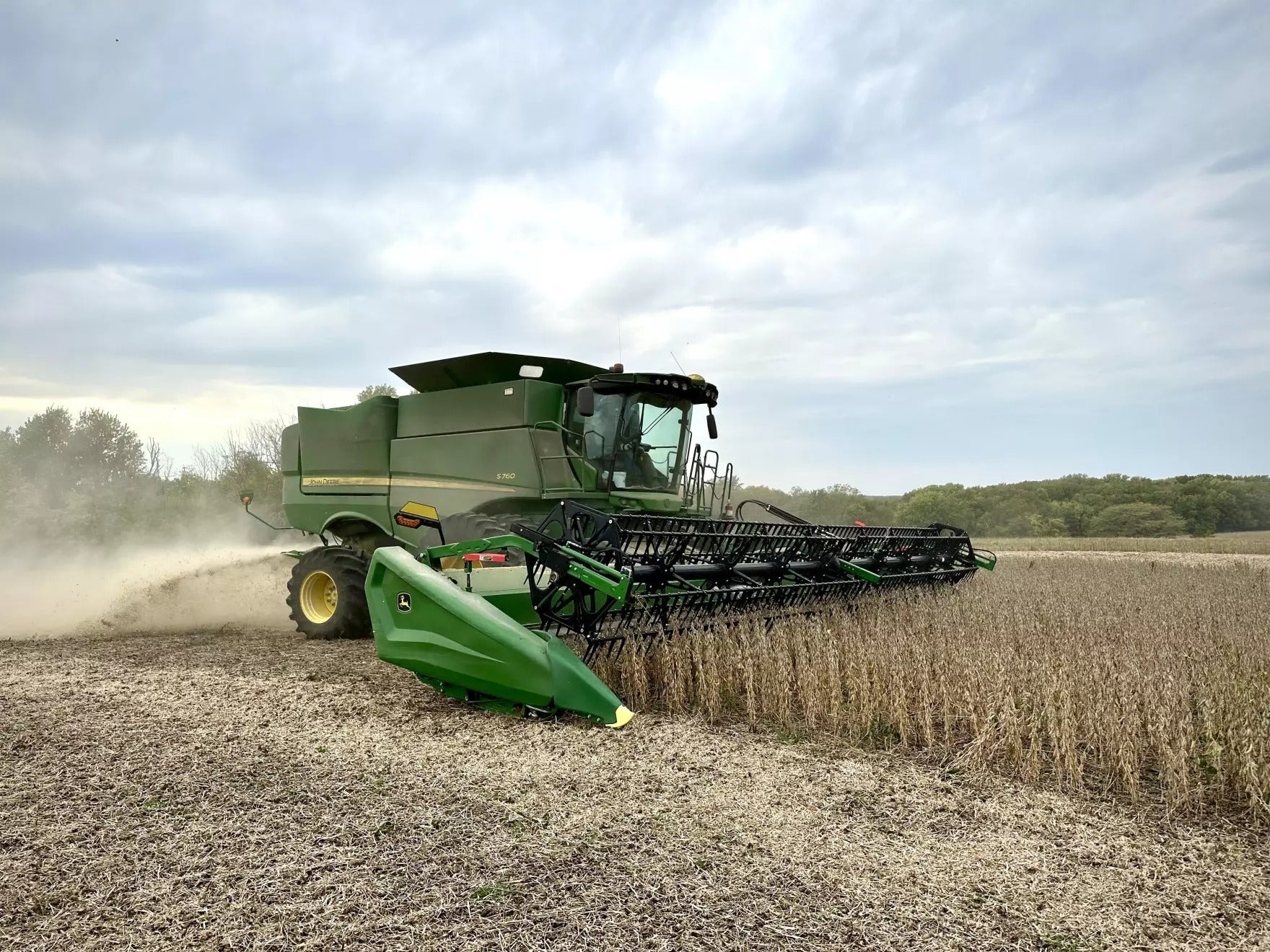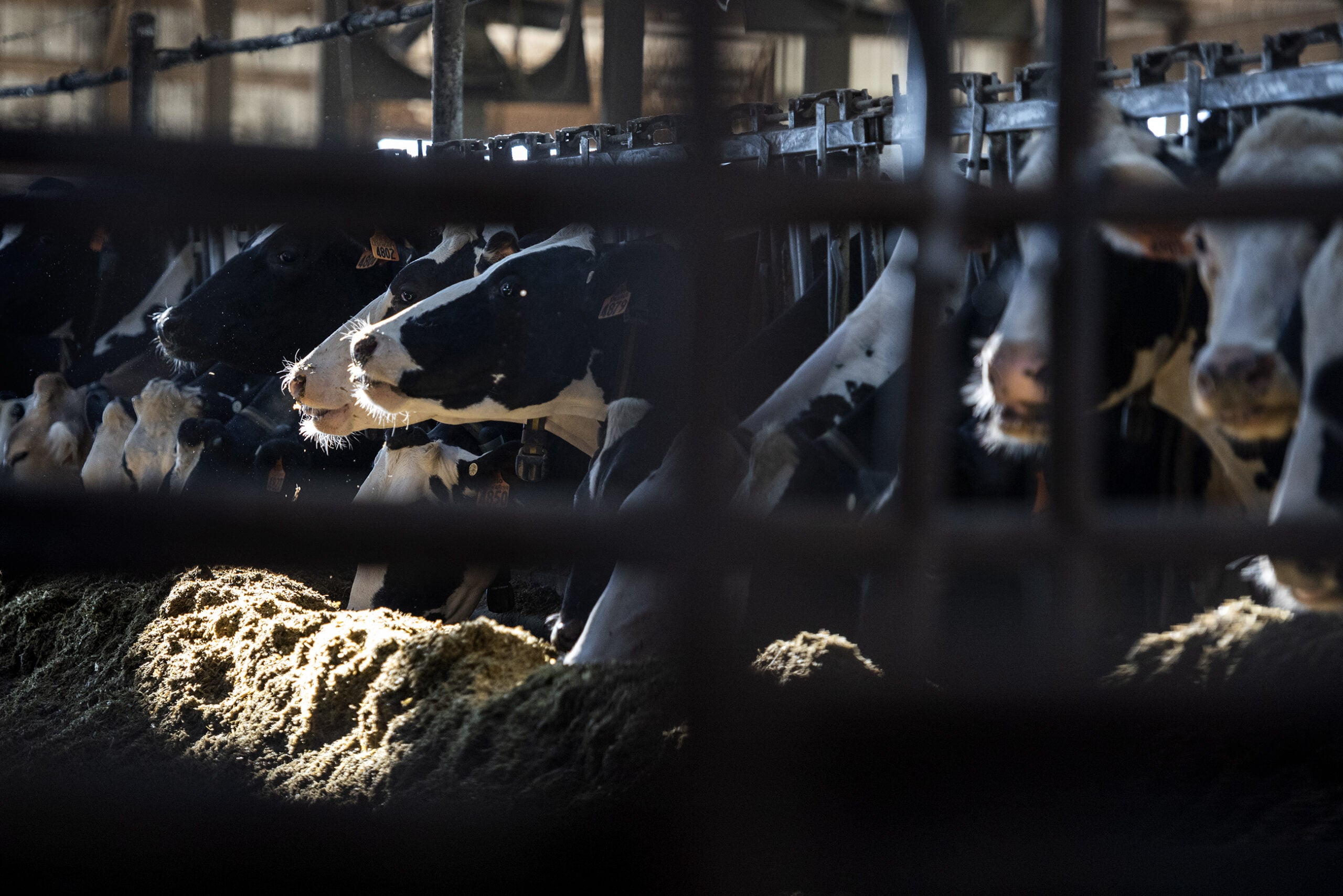
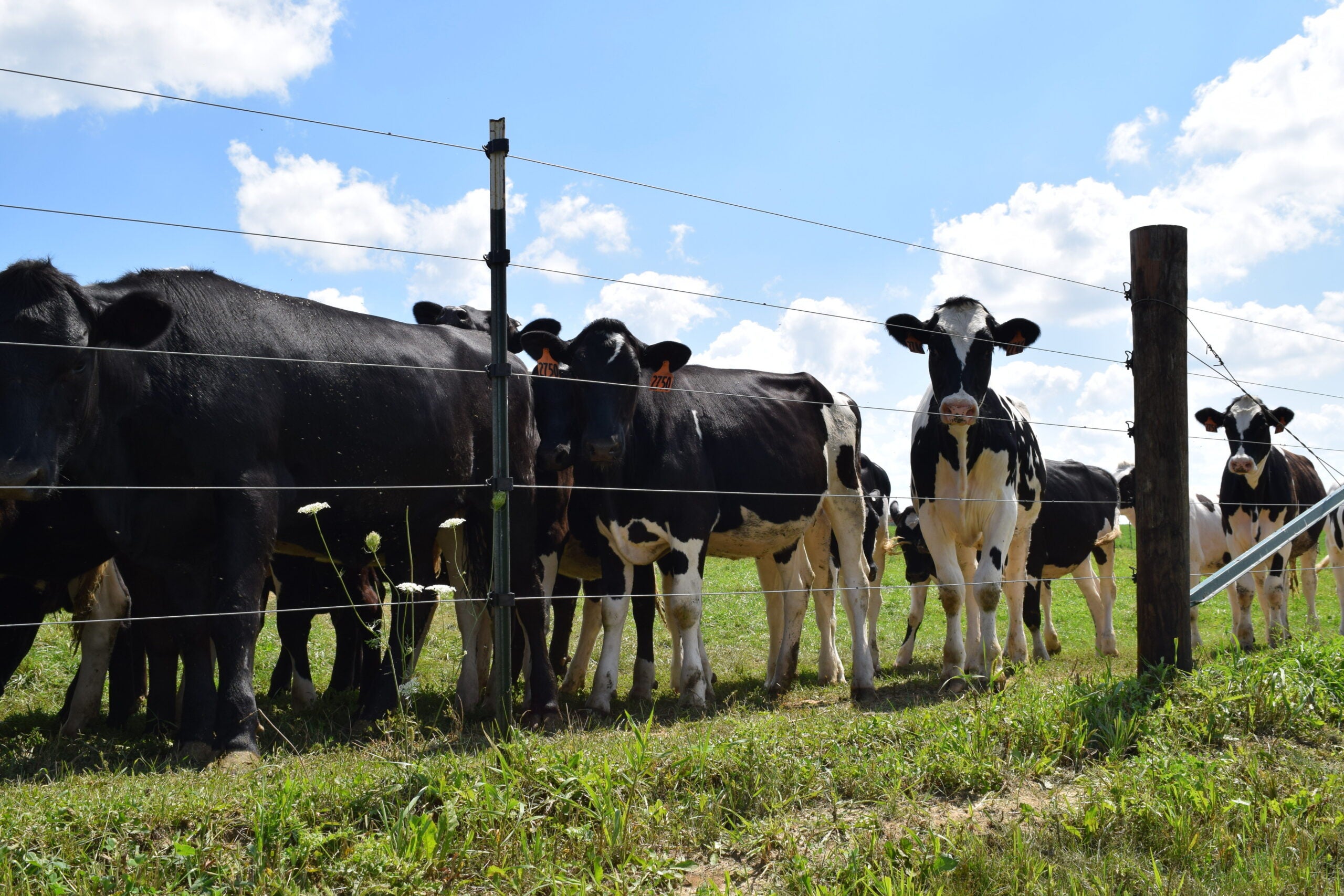
Brady Zuck operates a cattle farm in Ladysmith with about 220 commercial cows. He said Zuck Cattle Co. raises most of its cattle from birth but also buys some from local producers.
A few years ago, Zuck said he was able to purchase a set of weaned calves from someone in southern Wisconsin for about $1.86 per pound. Today, Zuck said those same calves would sell for more than $4 per pound. He said a day-old beef-on-dairy cross calf could be worth between $1,000 to $1,500.
Zuck said the strong cattle prices have allowed farmers to “earn a profit” on their animals, as they also contend with rising costs for equipment and other inputs.
News with a little more humanity
WPR’s “Wisconsin Today” newsletter keeps you connected to the state you love without feeling overwhelmed. No paywall. No agenda. No corporate filter.
“Good prices come and you definitely enjoy them while you’re here,” he said. “But you also make sure you manage your business accordingly because they don’t last forever and they will recede at some point.”
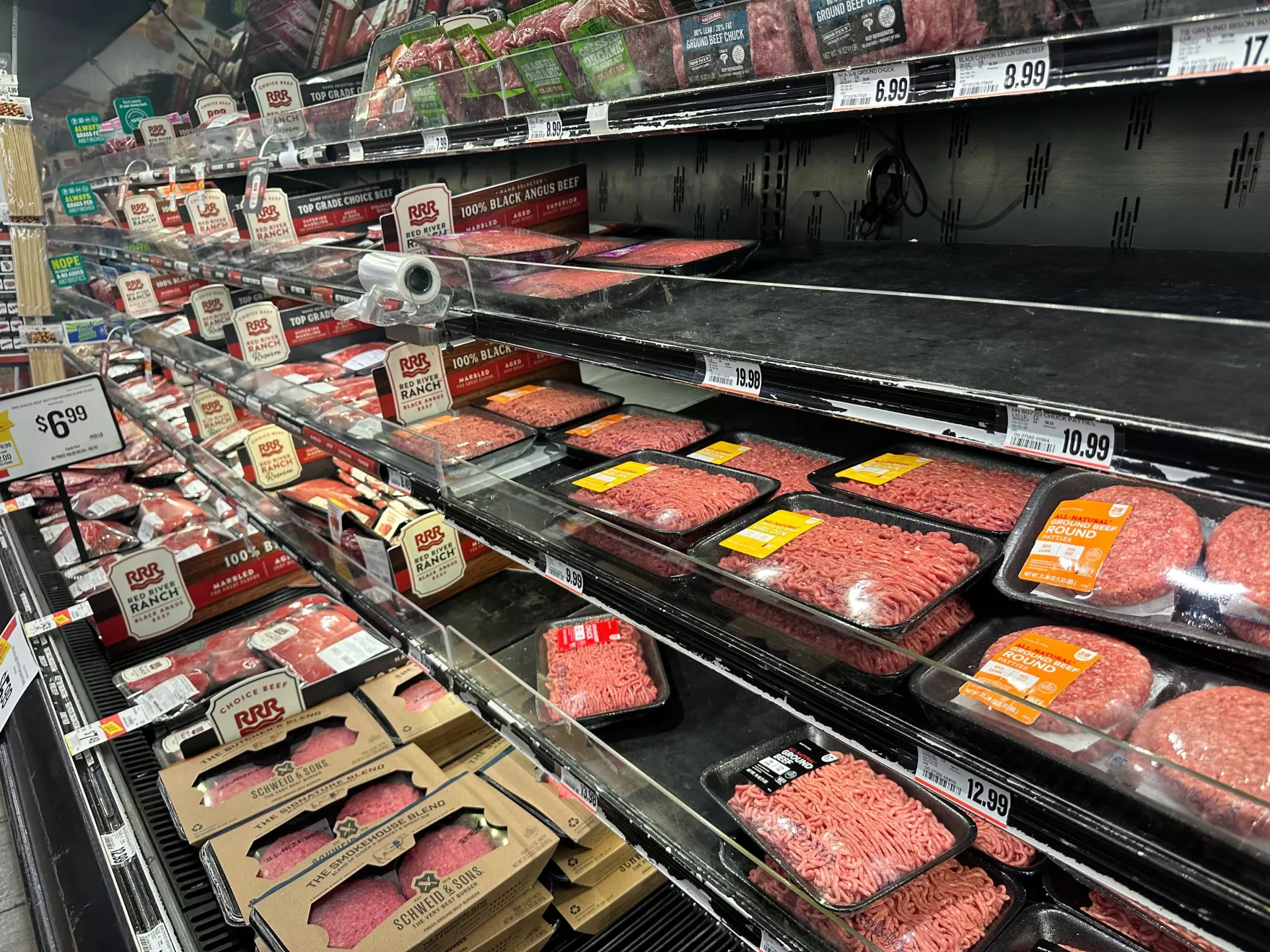
But those high cattle prices come as shoppers see record high prices for beef in the grocery store. In July, the average price consumers pay for any cut of fresh beef hit a record high of $8.90 per pound, according to U.S. Department of Agriculture data.
Ground beef prices were up 11.5 percent in July compared to the same month last year, while beef steaks were up 12.4 percent, according to the latest federal consumer price index report.
At the same time, the nation’s beef cattle herd is the smallest it’s been since 1973, when the Department of Agriculture began keeping records. But it’s likely smaller than it’s been since the 1950s, said Jeff Swenson, livestock and meat specialist for the Wisconsin Department of Agriculture, Trade and Consumer Protection.
Swenson said the cattle herd began to decrease toward the end of 2021 and in early 2022 when beef-producing parts of the country experienced drought, driving up the cost of feed and forcing farmers to begin selling cows that normally raise calves.
The nation’s cattle herd did slow its decrease from 2024 to 2025, according to the American Farm Bureau Federation. But Swenson said several factors make growing the herd tricky.
He said there are fewer cows having calves, decreasing the supply. And because those calves are worth more money than “at any time in recent history,” he said, farmers are more likely to sell them into beef production than to keep them back to grow the herd.
“It’s very enticing to sell those heifer calves into the beef market, rather than keeping them for replacement,” Swenson said. “Because of that, if a farmer wanted to go out and buy young cows or heifers to add to the herd, that price is up, as well. It’s a little bit cost preventative.”
Even if farmers started holding back more cattle from beef production to repopulate and grow the herd, it will create less beef supply in the immediate term, said Brenda Boetel, chair of the Agricultural Economics Department at the University of Wisconsin-River Falls.
It could take two years or so before there’s any increase in the number of animals in feed lots, she said. That would put more upward pressure on prices as consumer demand for beef hasn’t shown any signs of budging yet, she said.
“One thing that has been amazing is the resiliency of the consumer demand exhibited by the U.S. consumer,” Boetel said. “We’re still buying all of that beef.”
She said an economic downturn that causes a spike in unemployment could temper strong demand for beef and force financially stressed consumers to buy cheaper meats.
For many beef cattle farmers, elevated cattle prices have been a welcome change after experiencing on-and-off years of operating in the red, said Terry Quam. He’s a fourth-generation farmer who runs a livestock and grain operation in Lodi with 285 purebred angus cows and 40 purebred shorthorn cows.
Quam said about 125 of his cows will have calves in the coming weeks. Normally, he said he’d keep some of the calves for bulls, keep some to raise as heifers and then feed the remaining cattle and sell the fed animals a year from now.
When he talked to his financial consultants, Quam said they told him “don’t look a gift horse in the mouth” because “you have the greatest calf prices you’ve ever had in your life.”
His family decided that instead of holding calves back and feeding them on the farm, they’d sell them to other cattle producers — “because the prices were good, we had a profit,” Quam said.
“If you look at the cattlemen and the fact that he’s only made money maybe two out of every five years — and he’s had to survive on those profits in the three years where they’ve lost money — everybody’s being very, very cautious not to give up the profits now and take that risk,” he said.

Wisconsin Public Radio, © Copyright 2026, Board of Regents of the University of Wisconsin System and Wisconsin Educational Communications Board.