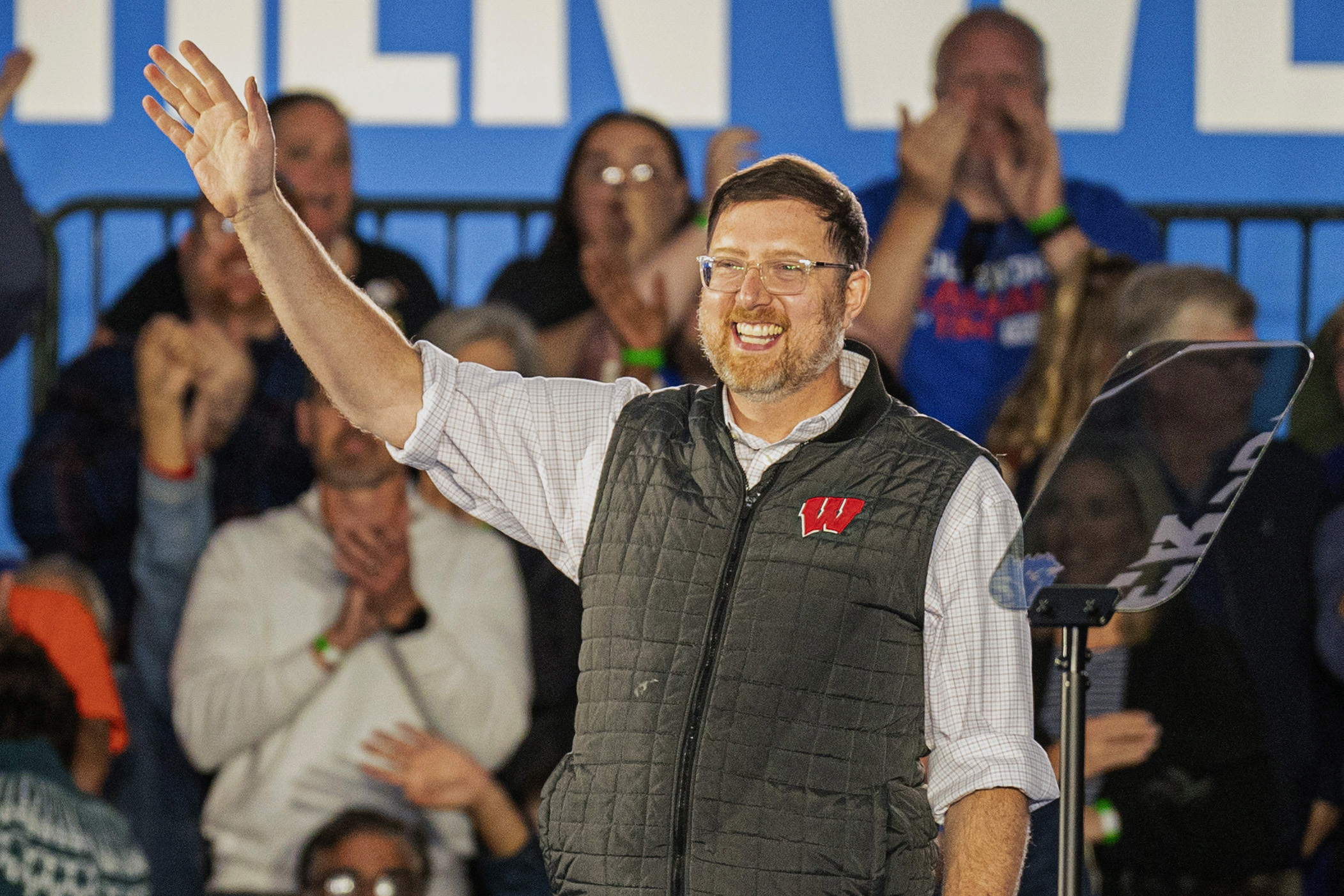
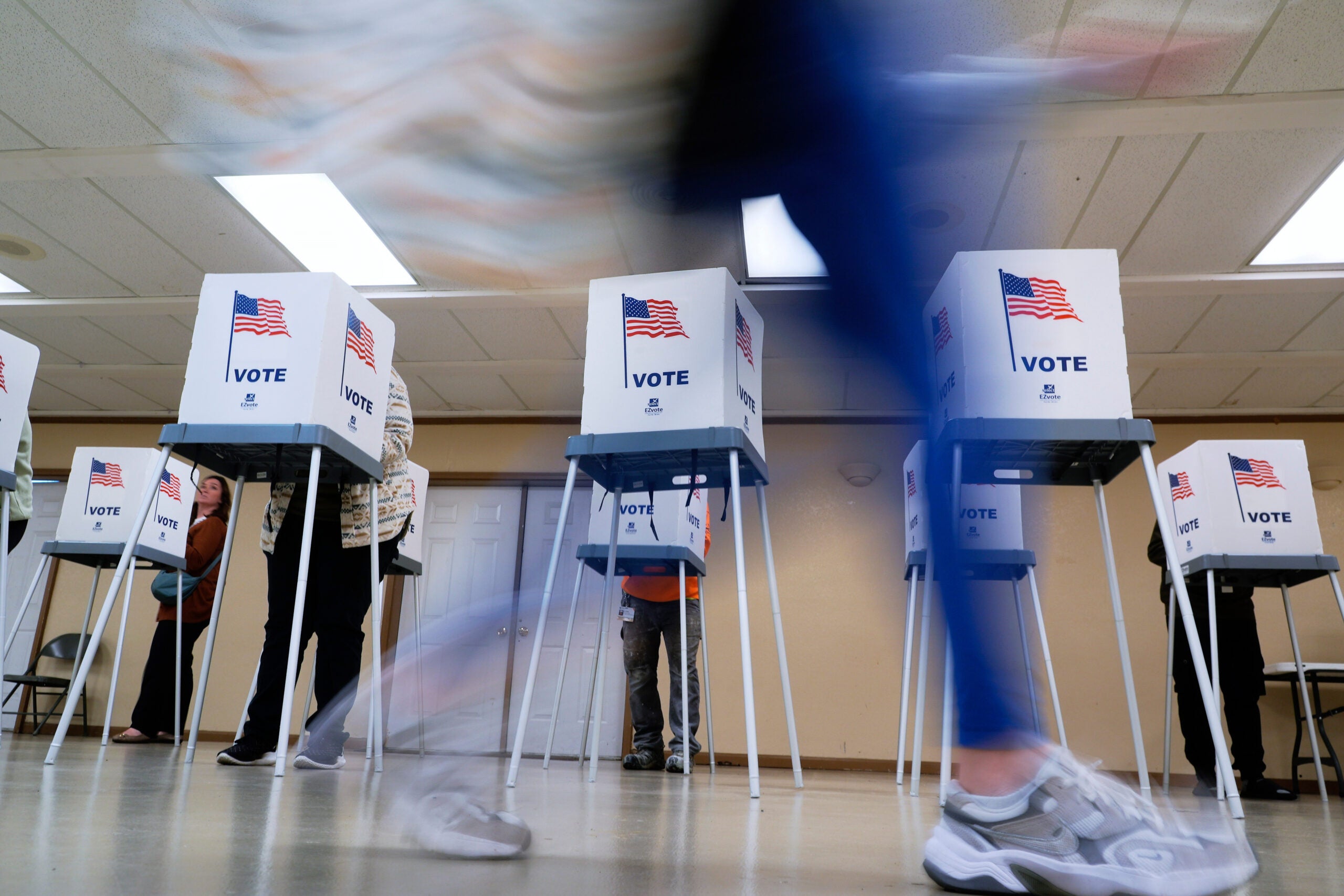
With just over six months to go until the primary election, the Democratic race for Wisconsin governor is shaping up to be crowded.
That’s in stark contrast to the GOP side of the race, where Republicans have coalesced around a single candidate.
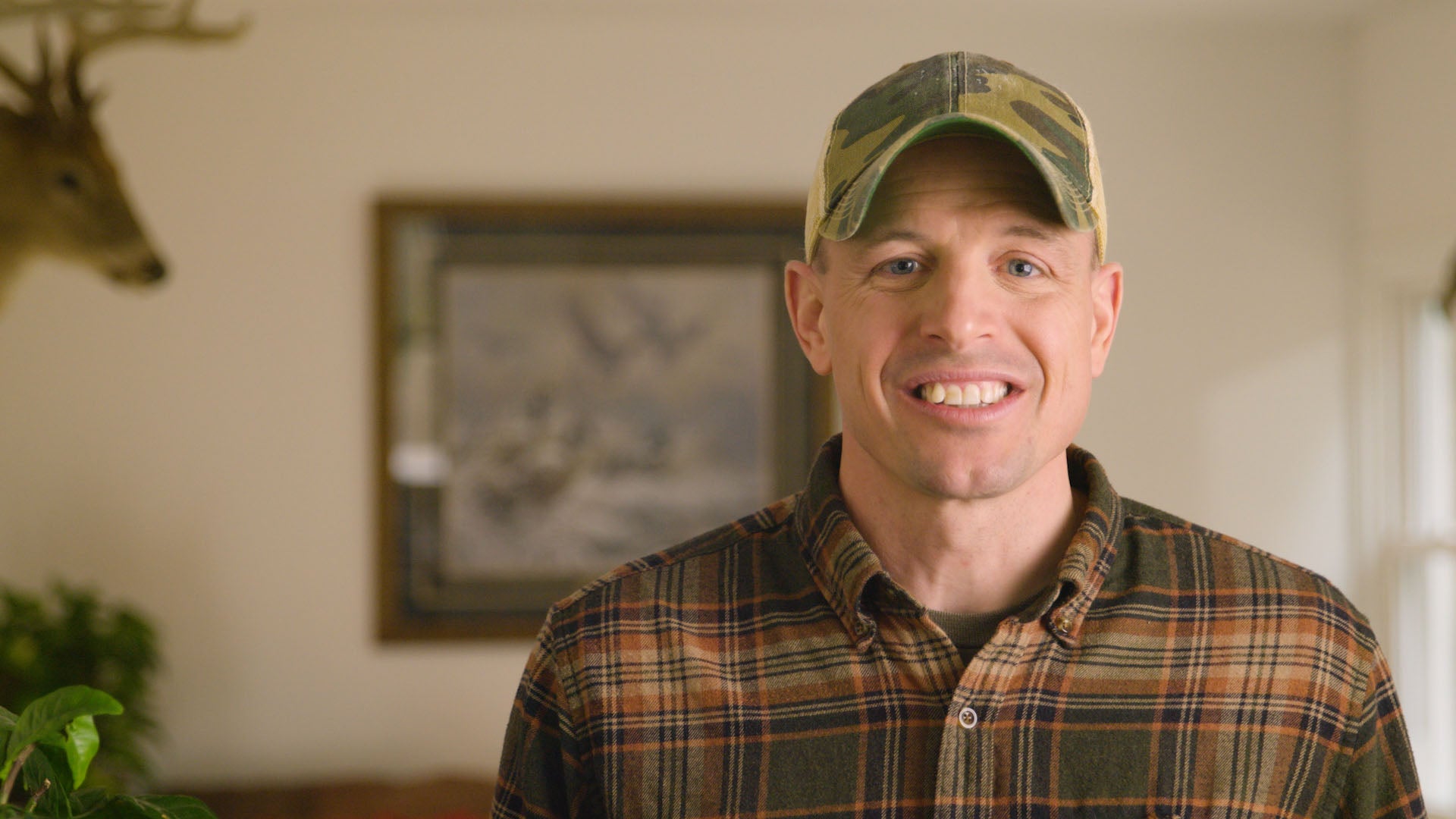
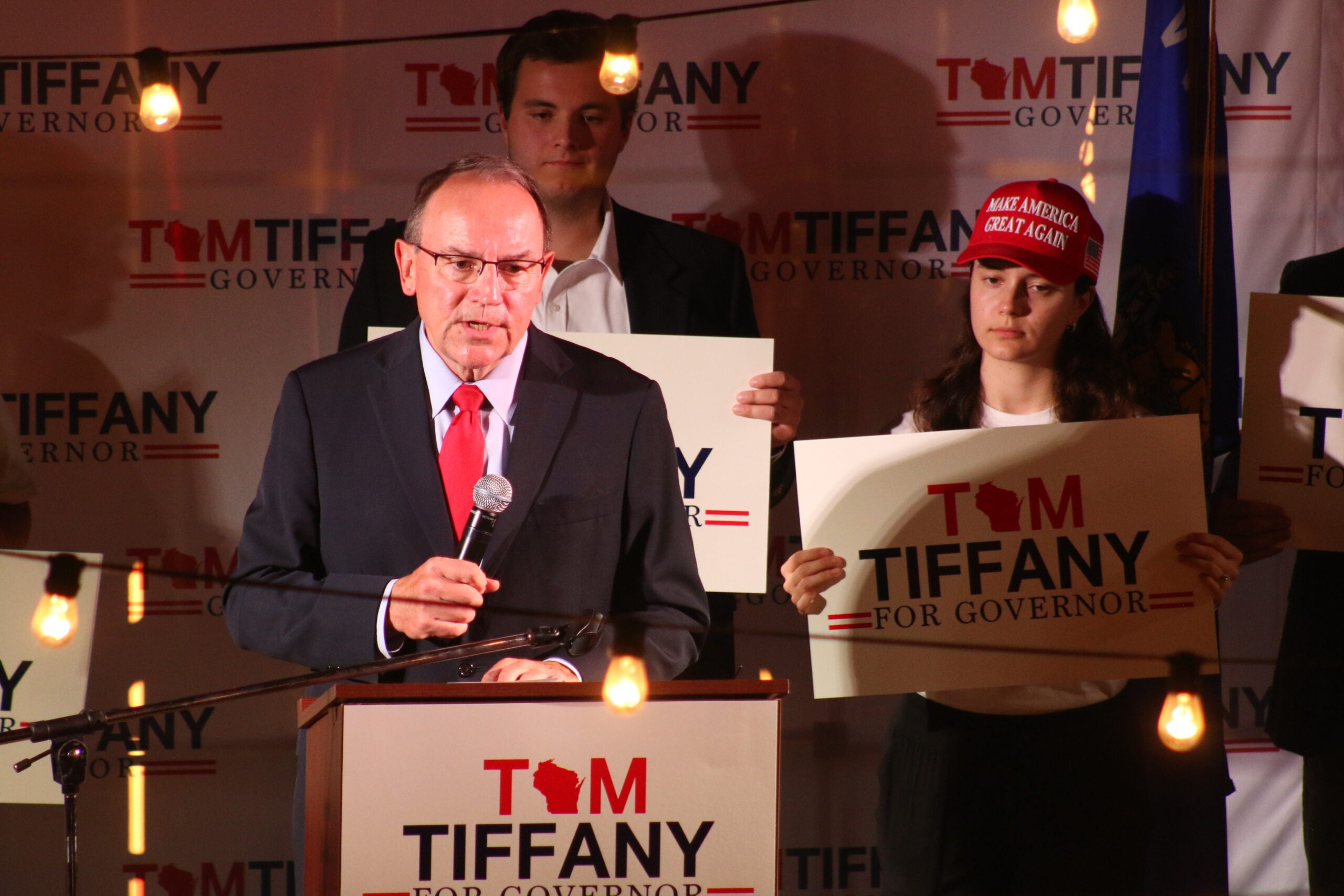
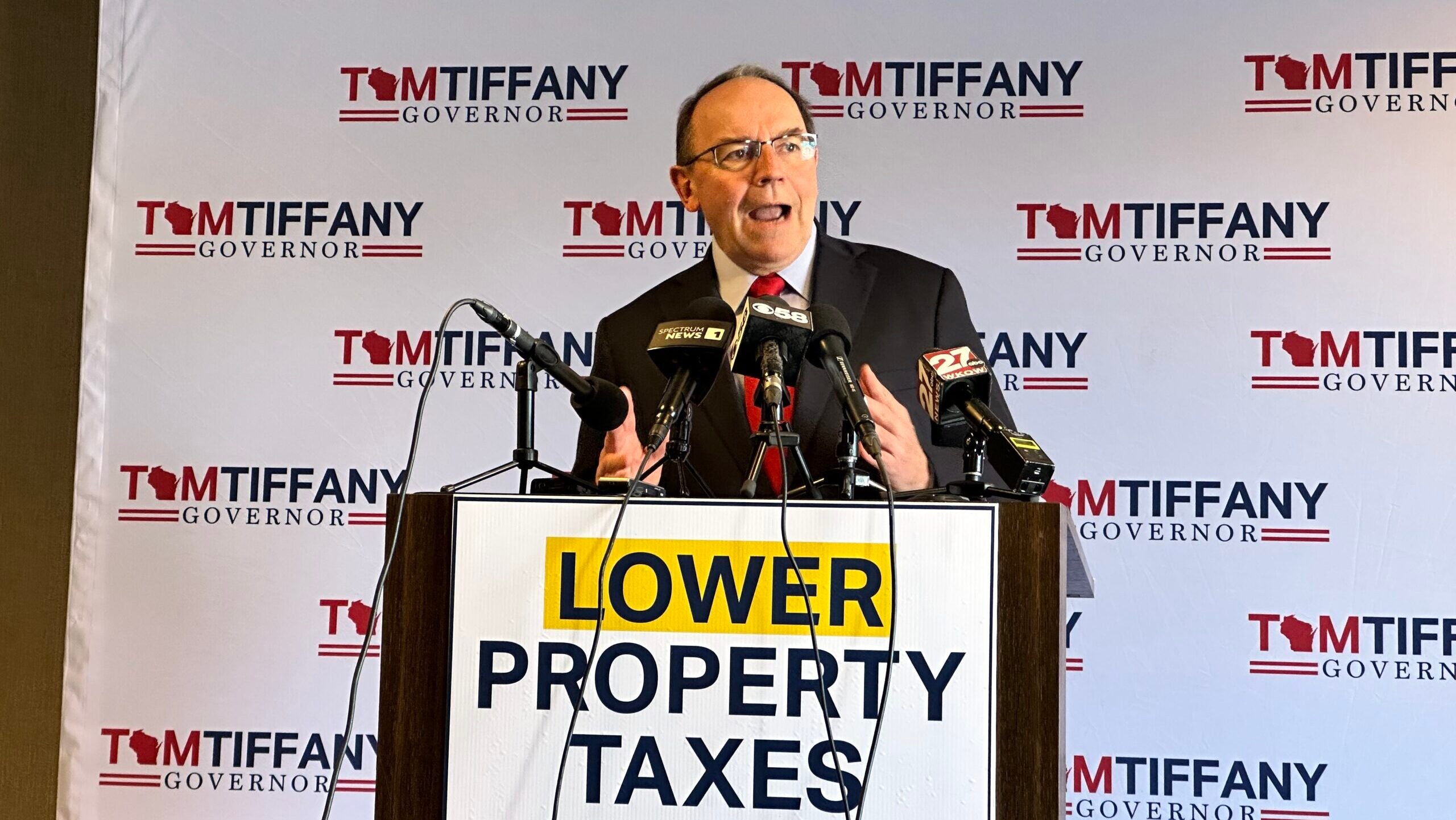
This week, Washington County Executive Josh Schoemann dropped out of the GOP race after U.S. Rep. Tom Tiffany nabbed President Donald Trump’s endorsement.
News with a little more humanity
WPR’s “Wisconsin Today” newsletter keeps you connected to the state you love without feeling overwhelmed. No paywall. No agenda. No corporate filter.
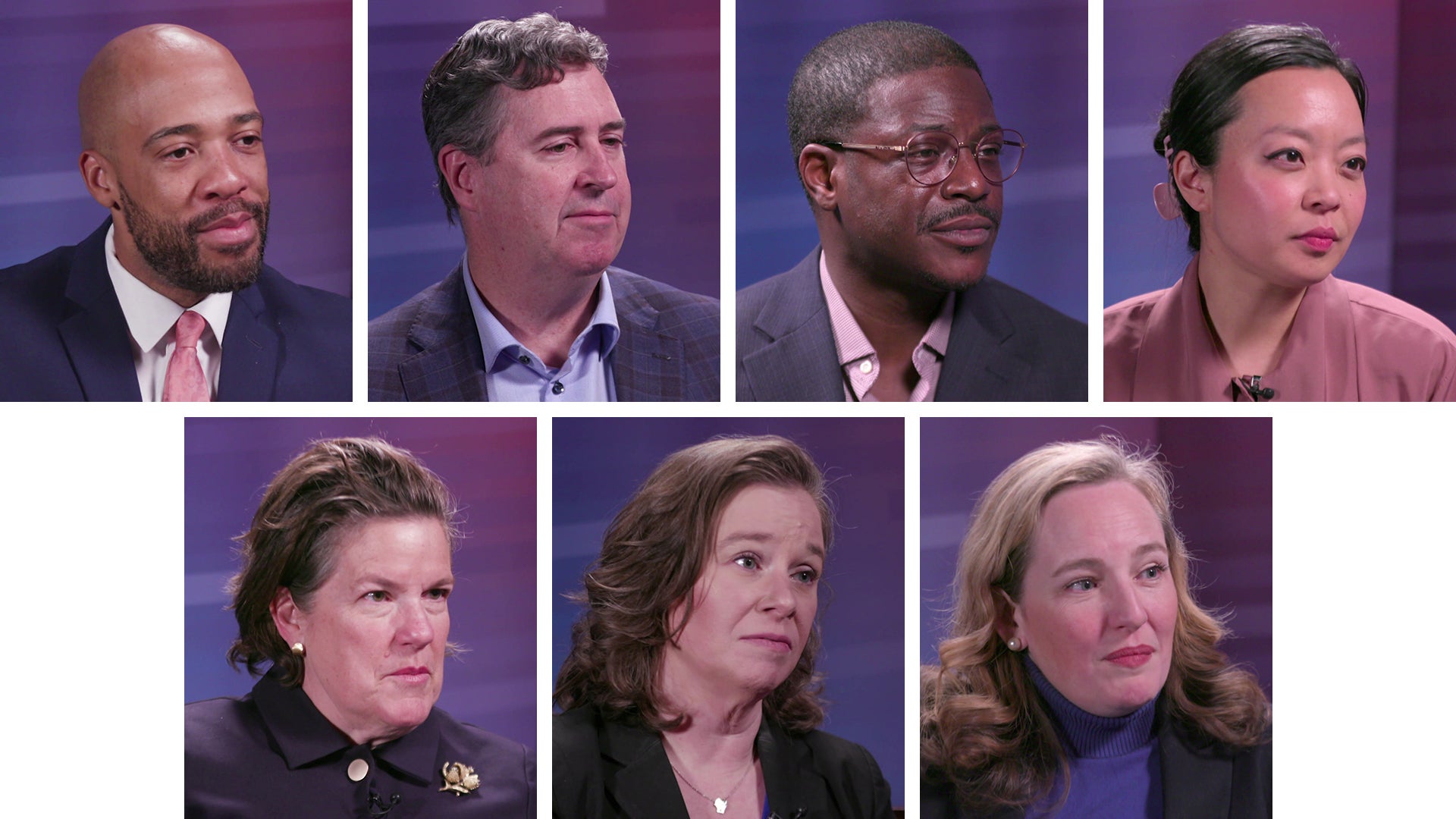
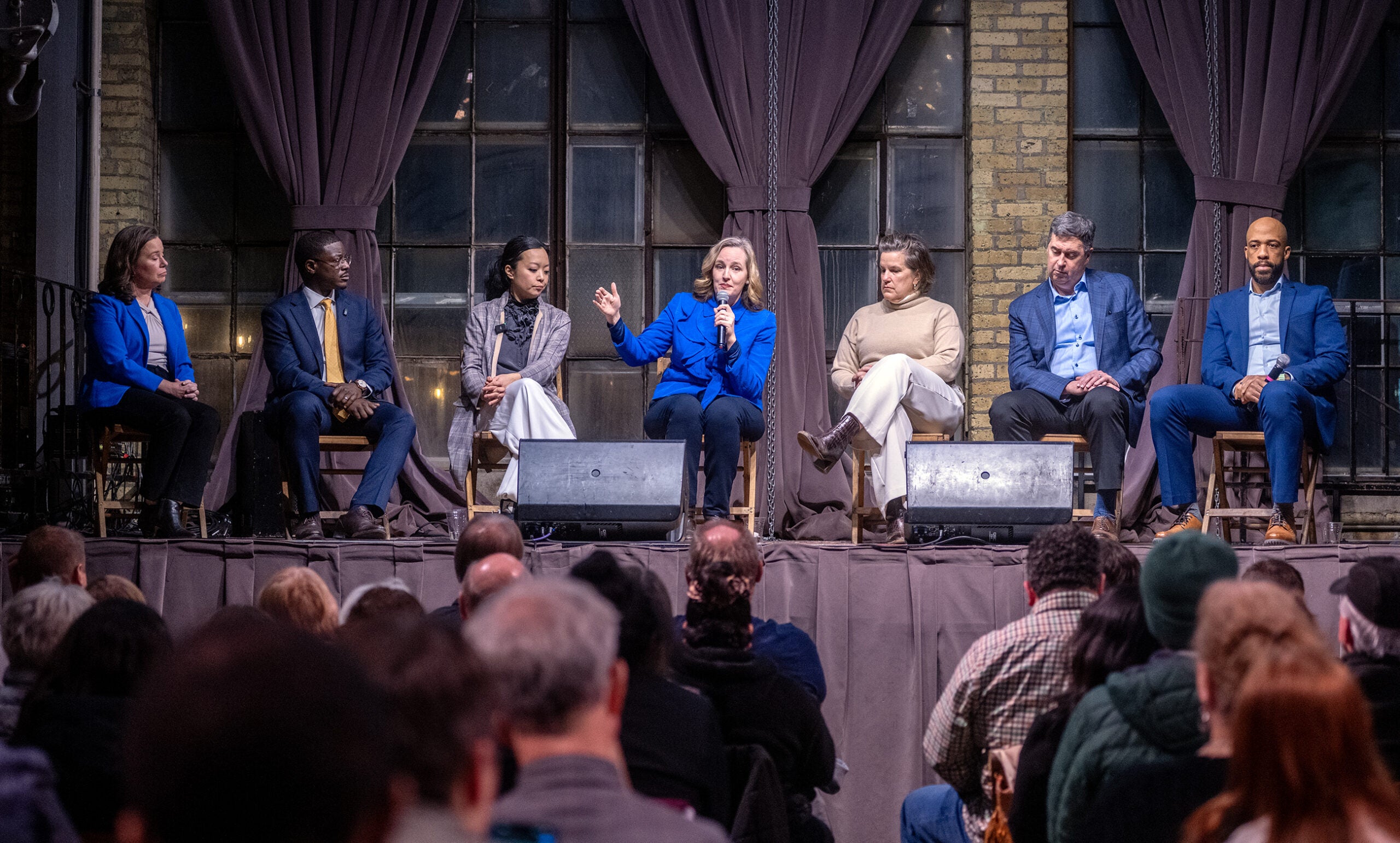
Two-term Democratic Gov. Tony Evers is not running for reelection, and seven Democrats have announced their campaigns to replace him:
- Former Lt. Gov. Mandela Barnes
- Former Department of Administration Secretary Joel Brennan
- Milwaukee County Executive David Crowley
- State Rep. Francesca Hong, D-Madison
- Former Wisconsin Economic Development Corp. CEO Missy Hughes
- Lt. Gov. Sara Rodriguez
- State Sen. Kelda Roys, D-Madison
How could the jam-packed primary affect fundraising, messaging?
Barry Burden, a political science professor at the University of Wisconsin-Madison, expects the statewide race to be dominated by issues including education funding, regulation of the forever-chemical PFAS, data centers and federal immigration enforcement.
And he says a competitive primary could compel some Democrats to push their message to the left.
“Sometimes that works to generate kind of enthusiasm for your campaign,” Burden said. “But it can also be harmful in a general election, if that ends up tarring the candidate as being out of step or too extreme.”
Additionally, Burden noted, while Republicans marshal resources around Tiffany, Democratic fundraising abilities may be more divided in coming months between more than a half a dozen candidates.
Milwaukee County Executive David Crowley has so far emerged as the top Democratic fundraiser, after raising nearly $800,000 during the second half of 2025.
Thus far, Tiffany has raised far more than any individual Democrat in the race, reporting $2.1 million in contributions during that latest round of fundraising disclosures.
Democratic operatives who have not endorsed any of the candidates are working on what they call the “Wisconsin Governor Readiness Project” to support the primary winner. According to the Democratic Party of Wisconsin, the project will invest in messaging and field operations and raise money for the general election.
Strategist: Democrats can get more buzz pre-primary
At the same time, Democratic strategist Joe Zepecki says Democrats have the opportunity to attract more excitement and news coverage between now and the April 11 election.
“It will be easier for those folks to get attention in the next (six) months before the primary than it will be for Tom Tiffany now that he has the blessing of Donald Trump to carry the MAGA banner forward,” Zepecki said.
Although Zepecki has donated to Rodriguez and Hong, he said he isn’t endorsing a specific candidate.
Zepecki said the crowded gubernatorial field demonstrates how “deep the bench is for Wisconsin Democrats.” And he said he’s hopeful the primary won’t turn into a “nasty food fight” as Democrats try to take control of all three branches of state government.
“This is the best chance for Democrats to actually govern in almost a generation,” Zepecki said. “Tony Evers has been a great governor, and he’s largely had to play goalie. The next governor could have an opportunity to really implement a forward-looking, more progressive agenda.”
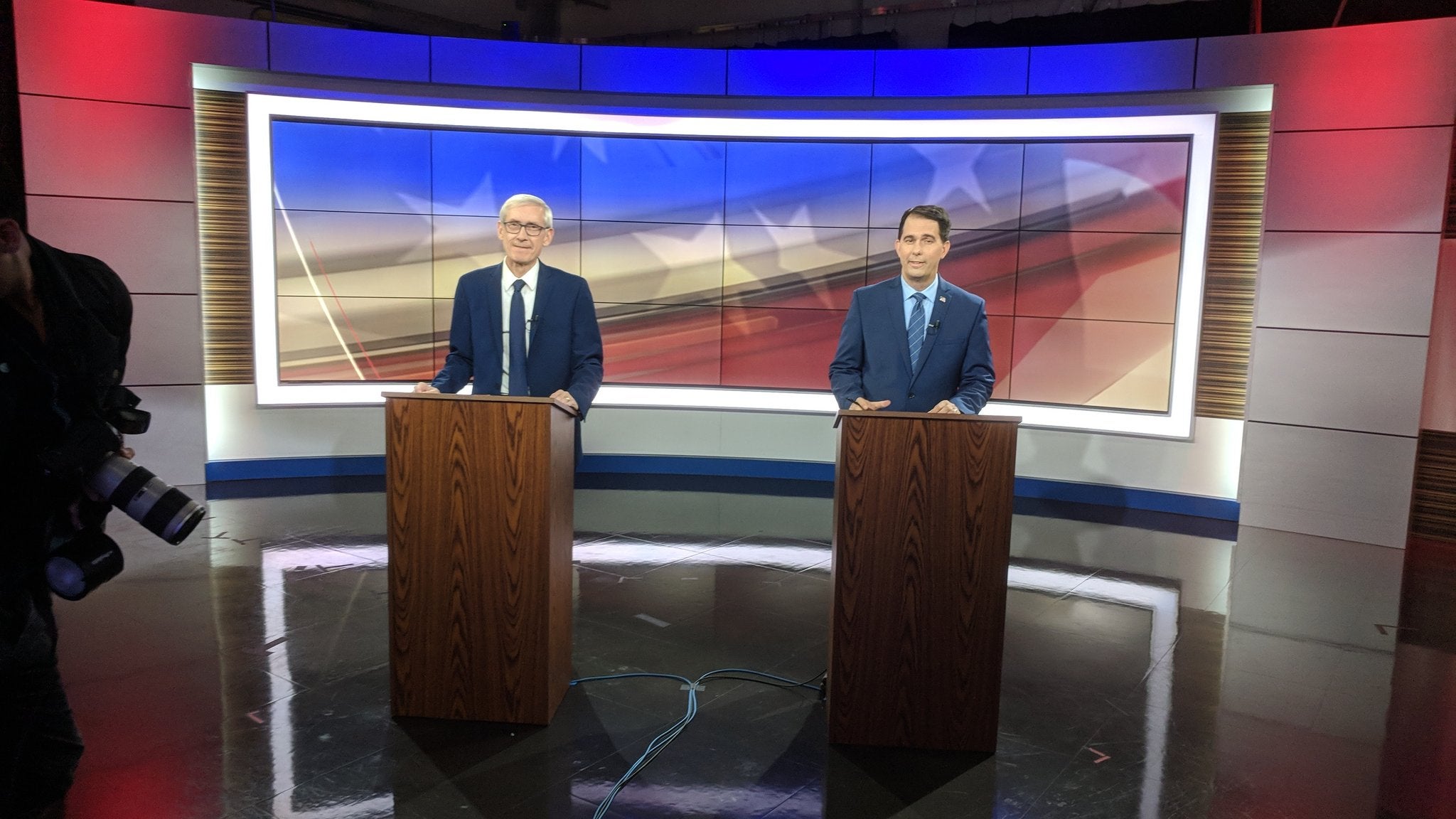
Eight years ago, Evers emerged victorious from another jam-packed Democratic field. He got more than 40 percent of the vote in that eight-way race before beating former Gov. Scott Walker in the 2018 general election.
That’s despite the fact that Evers was “thought of as a bit of a nebbish,” said Mordecai Lee, who taught political science for decades as a professor at UW-Milwaukee.
“Now, nebbish is a Yiddish word for a bit of a low-key guy who doesn’t pat himself on the back. He doesn’t shout to get attention,” Lee said. “So relatively moderate Tony Evers wins a very crowded Democratic primary. And the lesson there was that the Democratic primary voters wanted a moderate compared to, let’s say, somebody distinctly to the left, you know, a red-hot liberal. But there can be other races where it would be the other way around.”
Political scientist: Wisconsin voters remain unpredictable
Throughout Wisconsin’s history, a competitive primary has had both advantages and disadvantages for candidates, Lee observed.
Will those circumstances help or hurt Democrats this time around?
“The answer is: nobody knows,” Lee said. “There’s absolutely no way to predict if a crowded primary is a good thing or a bad thing.”
Sometimes, Lee said, the primary process favors candidates on the party’s more extreme flank.
He also pointed to another complicating factor. Some conservative, moderate or independent Wisconsinites may choose to vote in the Democratic primary for governor where the race is actually competitive.
Lee expects aggressive advertising ahead of the Democratic primary, which could come down to close margins.
“It might be a lousy 5,000 votes,” he said. “It could be just an incredible hair’s breadth of winning versus losing.”
“The Wisconsin voter insists on being absolutely unpredictable,” Lee added. “That’s why we still hold elections.”

Wisconsin Public Radio, © Copyright 2026, Board of Regents of the University of Wisconsin System and Wisconsin Educational Communications Board.