Republican leaders in the Wisconsin Legislature are punching back after Democratic Gov. Tony Evers told state agencies to publish rules on topics like water quality, licensing and wolf management without waiting for GOP-led committees to sign off.
They’re doing so by circulating a plan that would tell the nonpartisan Legislative Reference Bureau it can’t publish rules until committees have weighed in.
While the power struggle involves the arcane details of state government, it carries significant consequences when it comes to who decides disputes on issues ranging from clean water to building codes.
News with a little more humanity
WPR’s “Wisconsin Today” newsletter keeps you connected to the state you love without feeling overwhelmed. No paywall. No agenda. No corporate filter.
The tit-for-tat ties back to a July ruling from the Wisconsin Supreme Court, which went against Republicans. That decision found GOP legislators exceeded their authority when the Joint Committee for Review of Administrative Rules, or JCRAR, used procedural maneuvers to indefinitely suspend rule changes sought by state agencies.
On Aug. 12, Evers told agency leaders the 4-2 ruling means there “no longer remains any statutory requirement to wait for legislative committee review before promulgating a rule once I have approved it.”
In essence, Evers was telling members of his cabinet they could submit their proposed rules for publication even if what are known as “standing committees” — the legislative panels focusing on specific subjects like agriculture or natural resources — hadn’t finished reviewing them. Agencies followed that directive and promptly sent a slate of 27 proposed rules to the LRB for publication, some of which have been stalled for years.
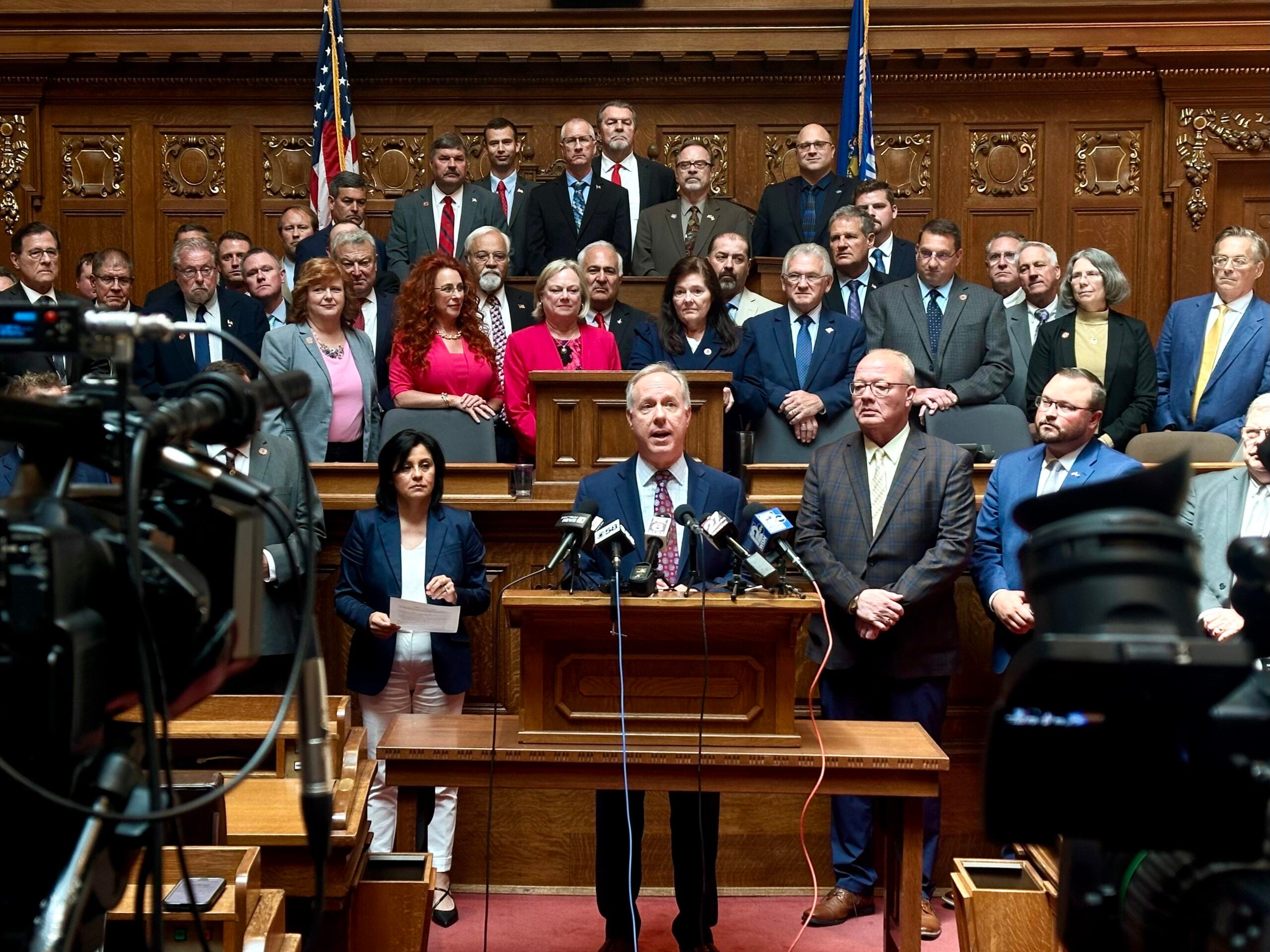
On Thursday, state Assembly Speaker Robin Vos, R-Rochester, and state Senate President Mary Felzkowski, R-Tomahawk, took a step toward stopping that by scheduling a vote of the Joint Committee on Legislative Organization aimed at changing guidelines for when the bureau can publish modifications to agency rules.
A copy of the ballot circulating among the committee’s 10 members would order the LRB not to publish any rules unless standing committees have weighed in. Assuming the Republican-led panel gets its way, the move would delay 13 of the 27 rules recently submitted for publication.
In a joint statement, Vos and Felzkowski said the move is about following the law and maintaining checks and balances in state government, accusing Evers of “flagrantly disregarding the rule of law.”
“If the governor’s actions go unchecked, Wisconsinites would no longer have an opportunity for public testimony on rules that carry the full force of law. We will not let this happen,” the GOP leaders said.

In response, Evers’ spokesperson Britt Cudaback accused Republicans of disobeying the recent Supreme Court decision, drawing parallels to President Donald Trump’s takeover of police in Washington D.C. and GOP lawmakers in Texas drawing new congressional maps.
“Republicans are not above the law—they should follow the law like everyone else is expected to,” Cudaback said.
The 13 proposed rule changes expected to be delayed with the joint committee’s vote come from the Department of Natural Resources; Department of Agriculture, Trade and Consumer Protection; Public Service Commission; Department of Workforce Development and Department of Safety and Professional Services. They touch on a wide range of topics from fishing regulations to licensing requirements for radiologists.
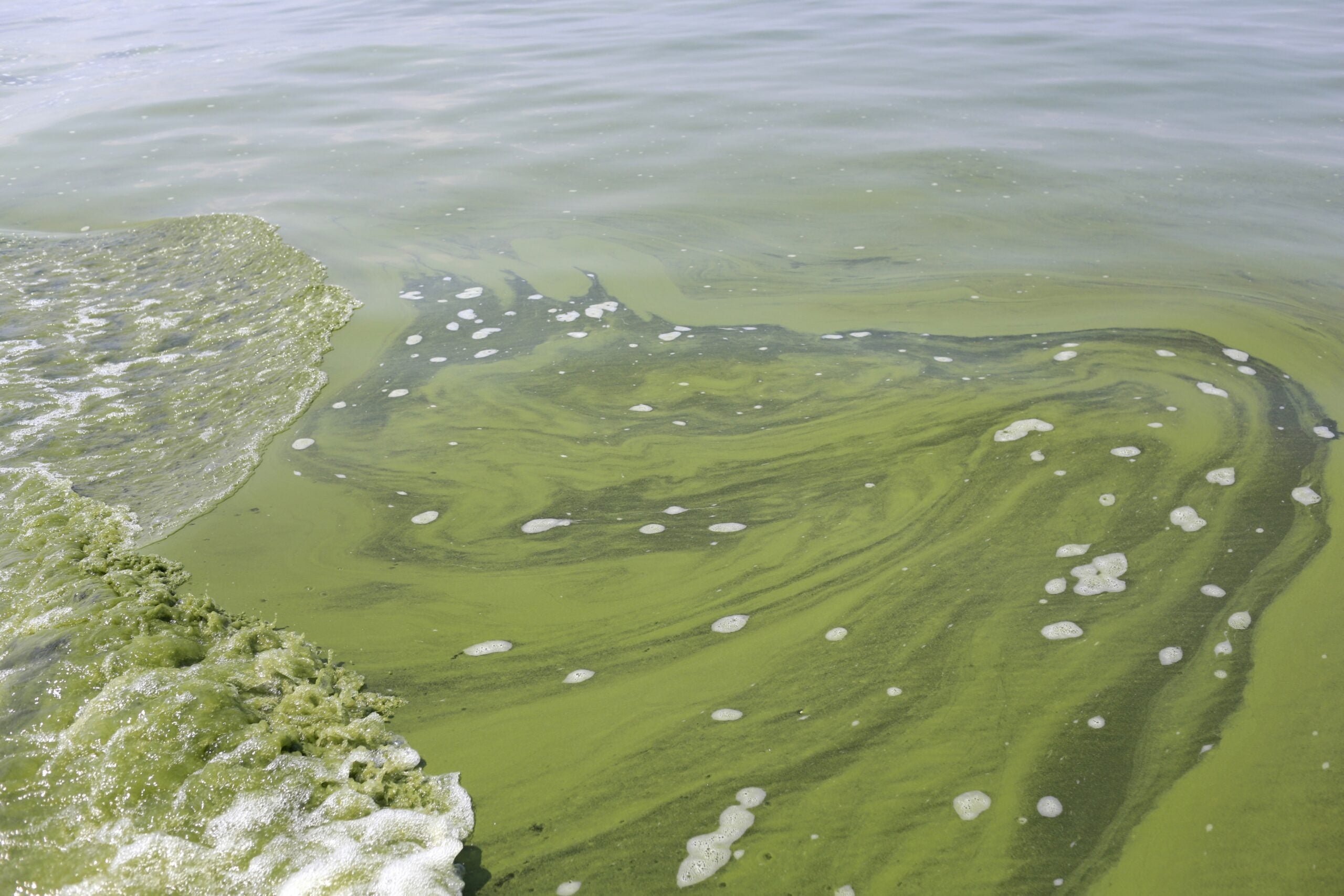
One of the DNR’s rule proposals seeks to update Wisconsin’s antidegradation policy, which would modify regulations on pollution discharges into surface waters. It would also bring the state in line with updates to the federal Clean Water Act made in 2015. The rule change was first approved by the state Natural Resources Board and submitted to the Legislature in 2023, and was moved by Republicans between standing committees and the joint rules committee until the DNR pulled it altogether in April.
The vote is being held by mail, which means committee members need only hand in their returned ballots by 2:00 p.m. Friday.

Wisconsin Public Radio, © Copyright 2026, Board of Regents of the University of Wisconsin System and Wisconsin Educational Communications Board.