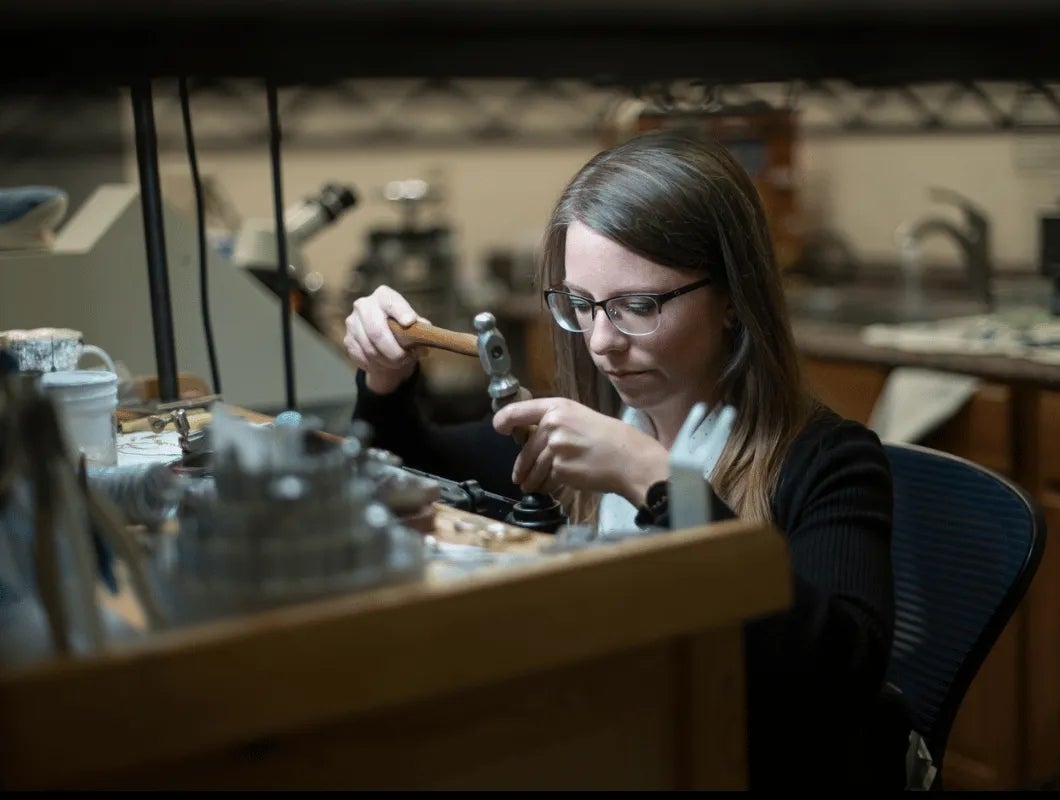
The price of gold dropped on Tuesday after hitting an all-time-high on Monday, marking the steepest one-day fall in more than a decade.
The selloff comes after weeks of gold having a record-breaking rally, with prices hitting more than $4,300 dollars per ounce earlier this week. Prices on Thursday rose slightly but remain below those record levels.
Charlie Dixon, president at Schwanke-Kasten Jewelers in Milwaukee, called it an “unprecedented run.” He said the business, which has been in his family for more than 125 years, has made it through wars, pandemics and recessions, but the high gold prices are a first.
News with a little more humanity
WPR’s “Wisconsin Today” newsletter keeps you connected to the state you love without feeling overwhelmed. No paywall. No agenda. No corporate filter.
“We’ve been watching this and being very conscious of our buying for stock,” Dixon told WPR’s “Wisconsin Today.”
The rising gold prices for most of this year have made it more expensive to buy fine jewelry. John Hayes, president of Goodman’s Jewelers in Madison, said the $500 to $1,000 range that has been a “sweet spot” for budget-conscious engagement ring shoppers in recent years has “pretty much evaporated.”
And the market volatility of gold and other precious metals like silver and platinum can make it tricky for customers to plan for major jewelry purchases, when there is often two or three months of window shopping and deliberating.
“We can quote somebody a price for a special order, but that quote isn’t necessarily going to be accurate because of different fluctuations in the gold market and the erratic nature of the tariffs,” Hayes said. “Both of those have made it really difficult.”
For many jewelers, the tariff situation has been a game of “wait and see,” said Katrina Sustachek, a certified gemologist appraiser and operations manager at Rasmussen Diamonds in Mount Pleasant, which has also been in business for more than a century.
“There have been some concerns, because a lot of jewelry is finished and cut in India,” she said. “We buy a lot of our diamonds at the moment in Belgium.”
Some in the industry are hopeful that jewelry can be exempt from tariffs because the raw materials aren’t widely available in the United States.
“You can’t just dig in the ground in Wisconsin and hope to find diamonds or rubies. It just doesn’t exist,” said Dixon from Schwanke-Kasten Jewelers. He also pointed to the centuries-old craft and tradition of Swiss watchmaking, which “you can’t just transport overnight.”
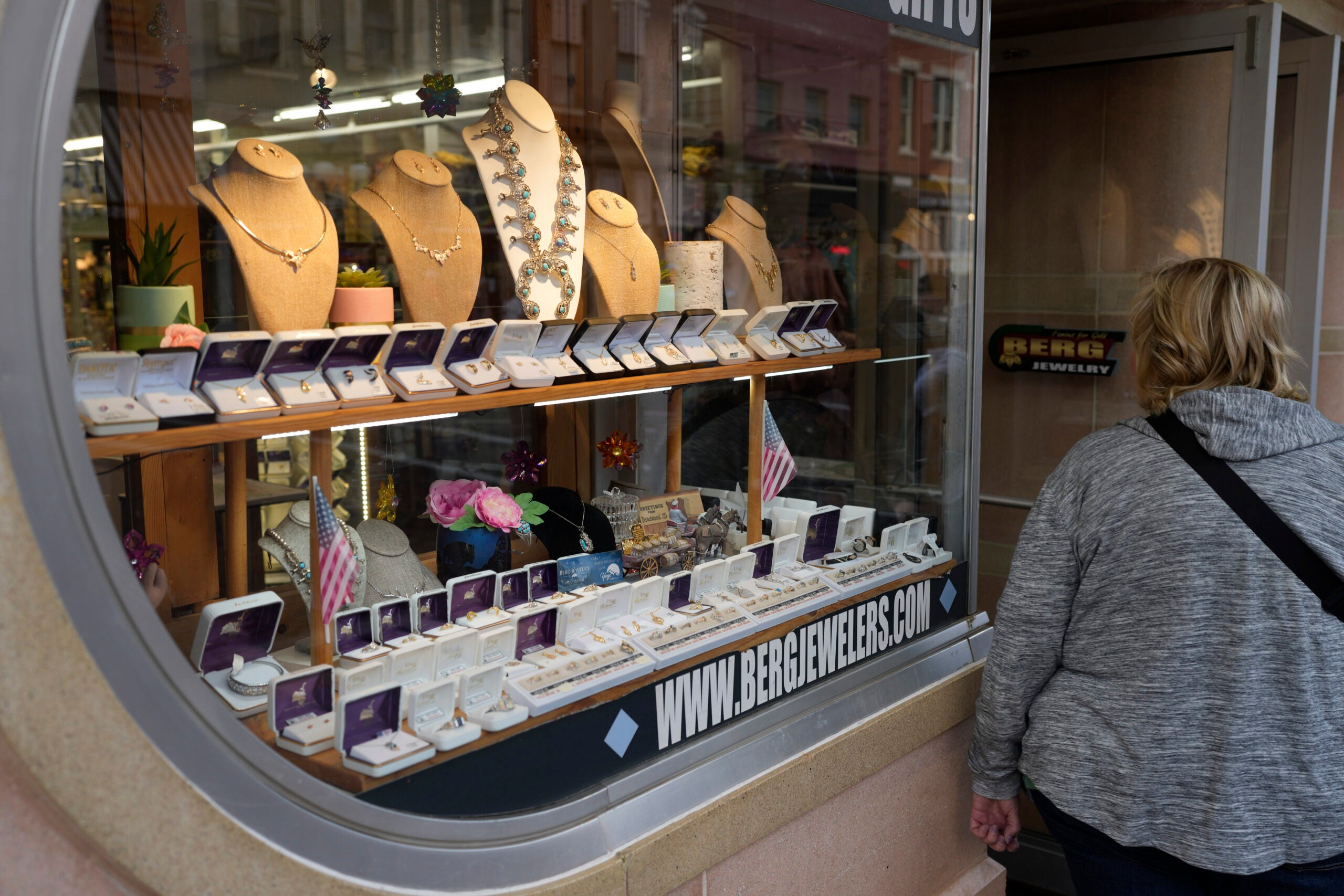
For now, Wisconsin jewelers say they are cautiously optimistic about riding this wave of uncertainty through the holiday season. Hayes said Goodman’s in Madison will likely do “decent” business this Christmas, even if “not historically the best.”
“We have a good inventory and we can price things competitively because we purchased early,” he said.
Many of these jewelry businesses trust that they can weather the storm due to their history and longevity — and because they are selling products with lasting sentimental and monetary worth.
“It’s always been this very long-term approach to what we sell. It’s very durable,” Dixon said. “I think that’s where a lot of interest in our portion of the luxury market is. We are using materials that actually have (inherent) value.”
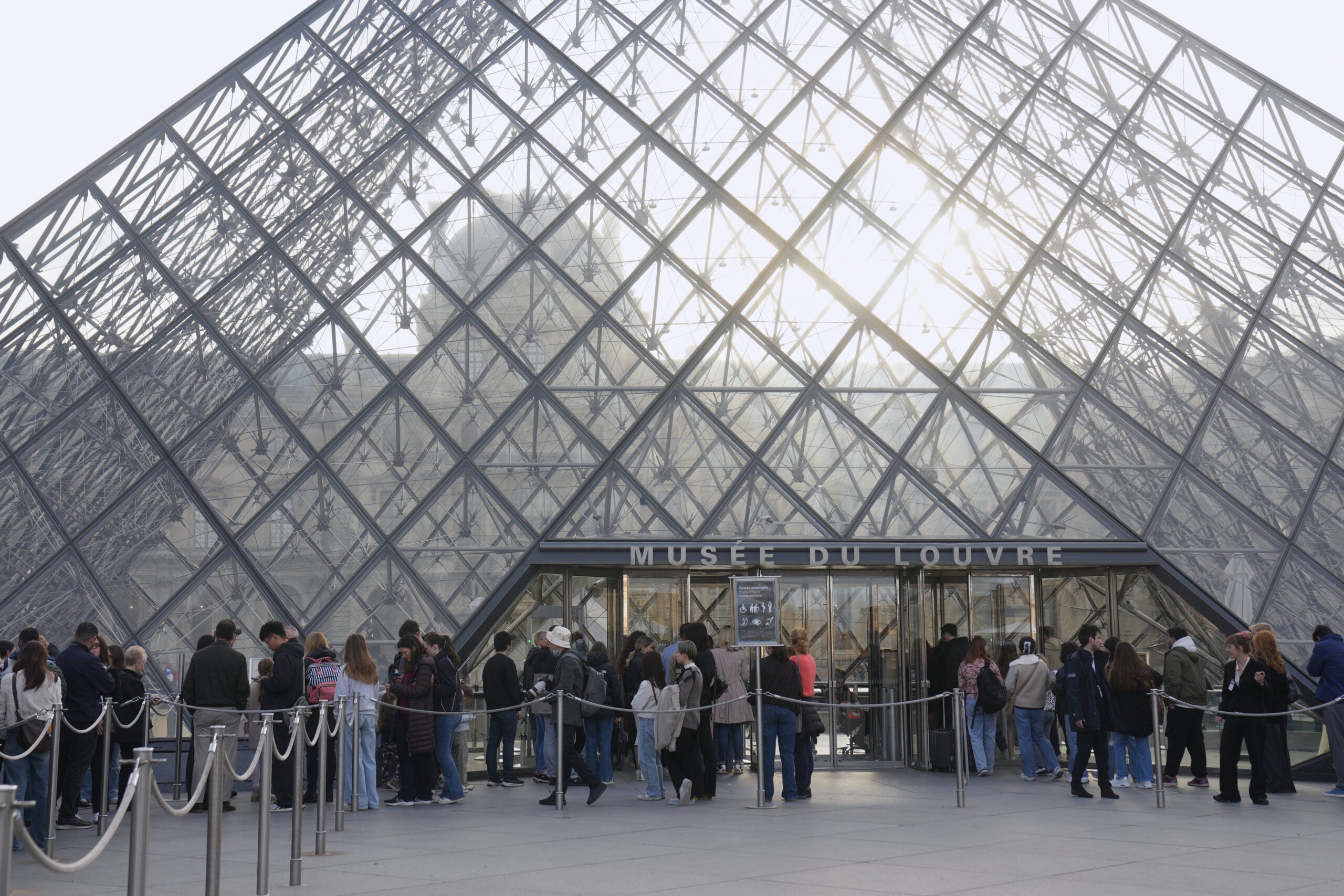
For Sustachek, who is also an art historian, one cloud hanging heavy over this week is the theft of an estimated $100 million in jewelry from the Louvre Museum in Paris on Sunday.
“It breaks my heart that history can just be potentially melted down, broken apart, recut and never seen again,” she said.