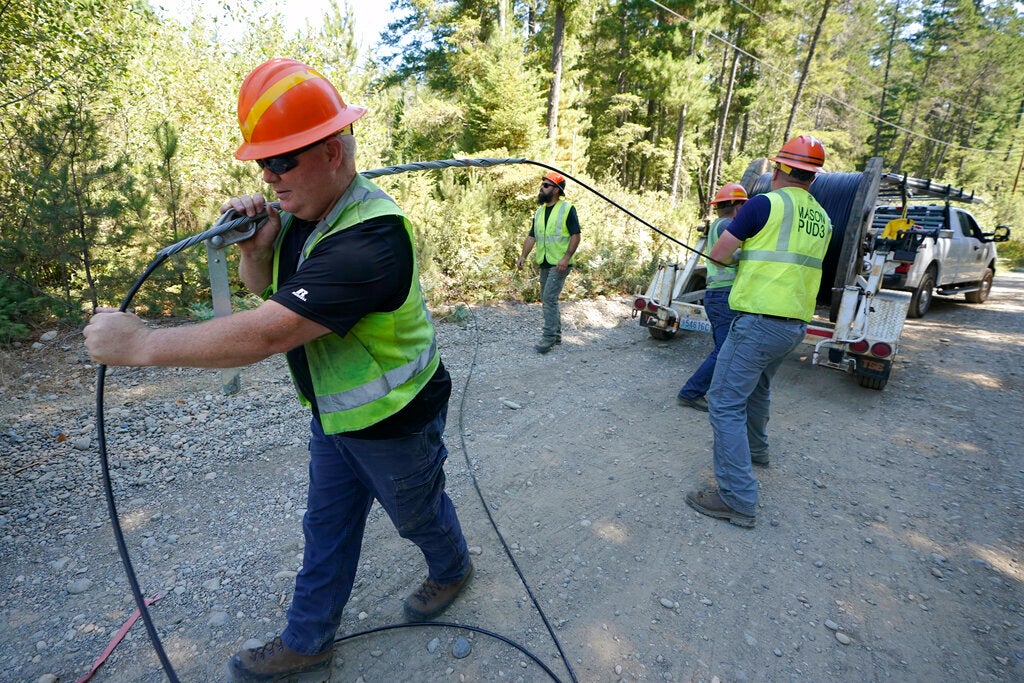

The Evers administration announced this week that Wisconsin was awarded more than $1 billion dollars in federal funding for broadband internet projects in the state.
The money comes from the Bipartisan Infrastructure Law that was signed by President Joe Biden in 2021. The state reworked its proposal for the funds earlier this year after the Trump administration ordered states to follow new rules in their applications, which included being technology-neutral when considering project bids.
News with a little more humanity
WPR’s “Wisconsin Today” newsletter keeps you connected to the state you love without feeling overwhelmed. No paywall. No agenda. No corporate filter.
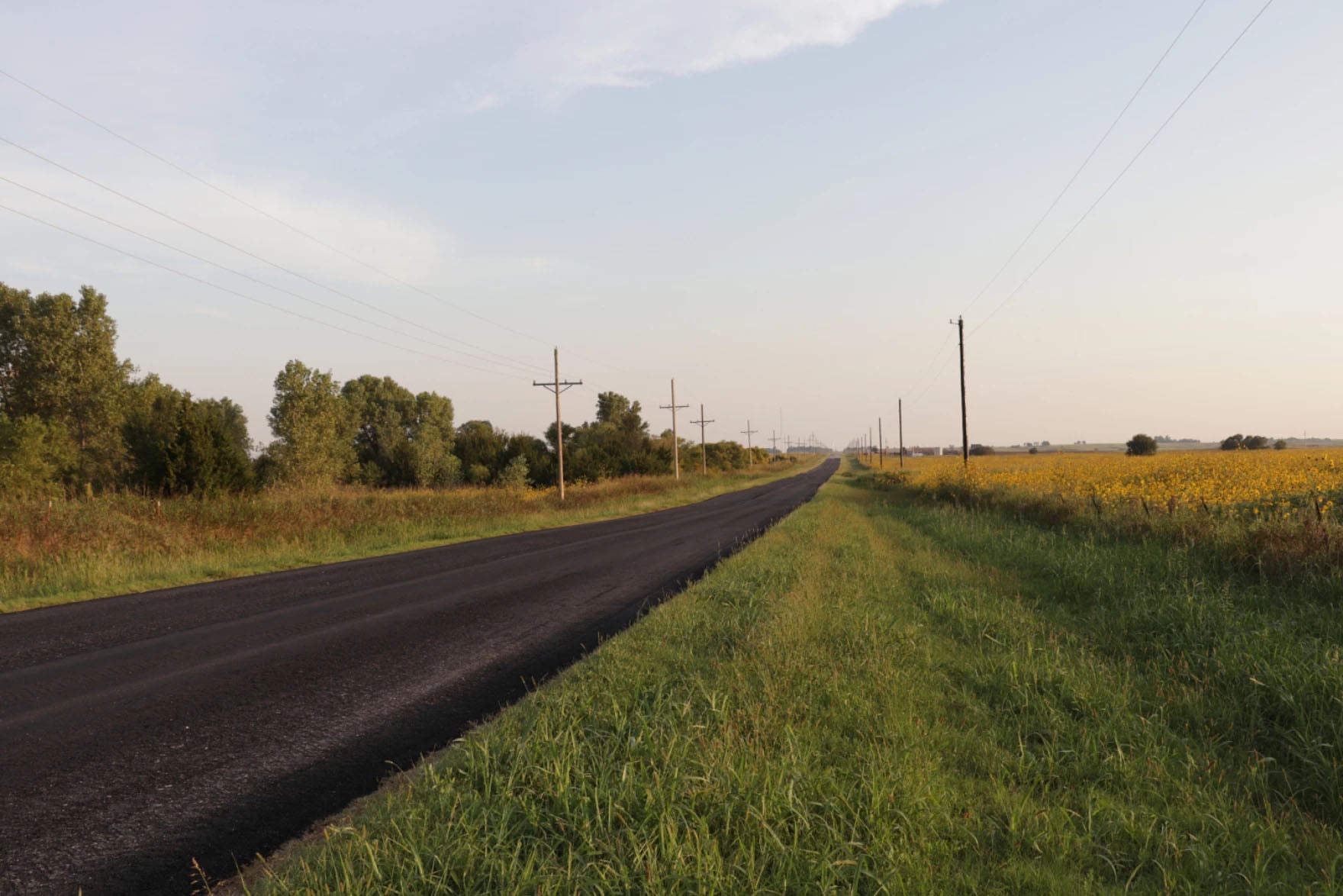
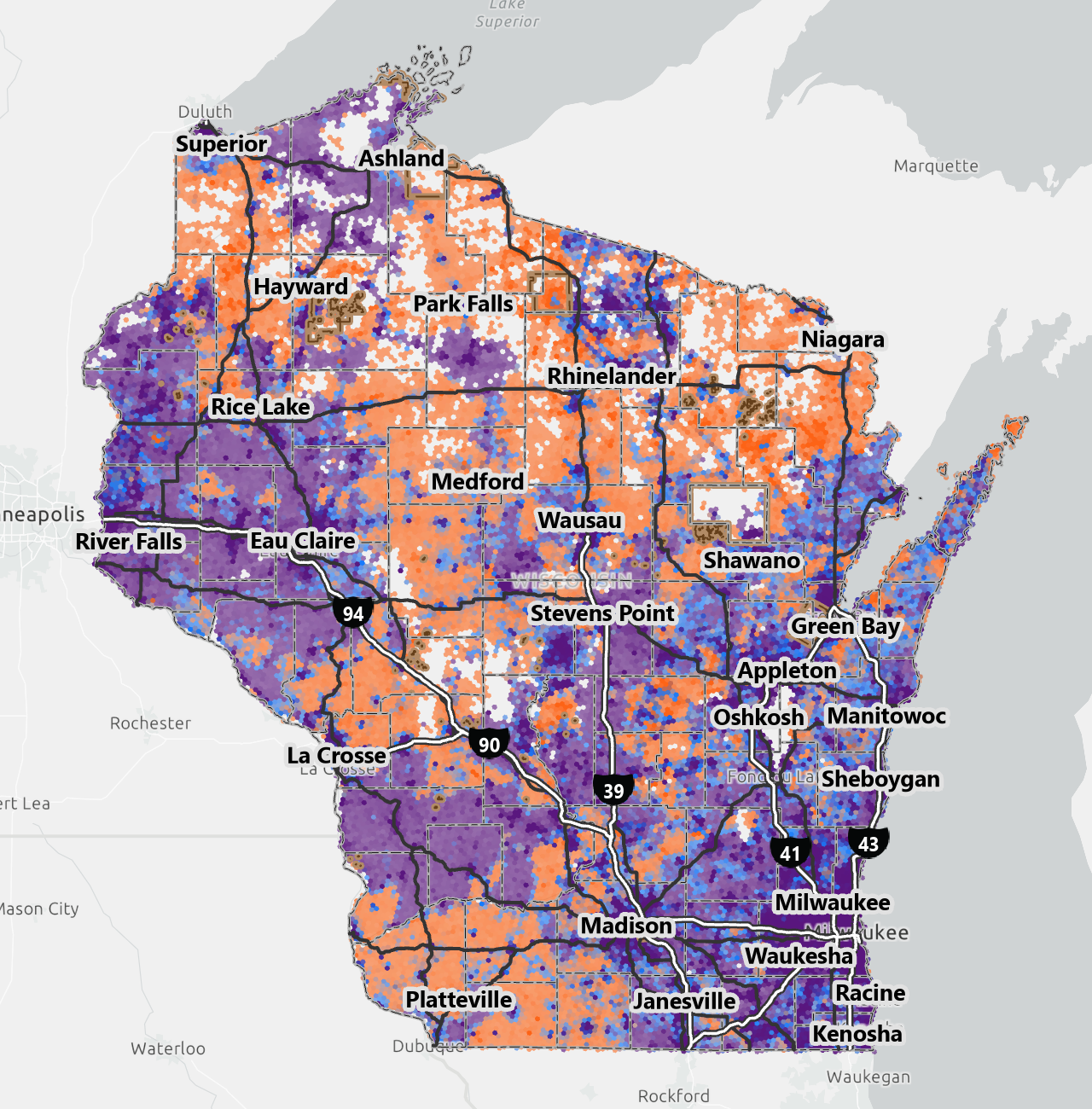
About 11 percent of Wisconsin lacks access to high-speed internet, according to a 2025 report by the Governor’s Task Force on Broadband Access. Areas in northern, central and southwest Wisconsin are especially underserved. But State Broadband and Digital Equity Director Alyssa Kenney at the Public Service Commission of Wisconsin said the whole state will benefit from the funding.
“There are locations throughout the entire state that are unserved,” Kenney told WPR’s “Wisconsin Today.” “We’re really trying to reach every last location as best we can with these funds.”
The awards will go to a mix of internet service providers, including national companies, small telephone cooperatives and even tribal nations that are building their own networks. Those entities will provide internet in different ways: About 76 percent fiber, 10 percent fixed wireless and 14 percent satellite.
Kenney said there’s a need for different types of technology in different parts of Wisconsin.
“Not every technology can get to every location,” Kenney said. “A mix of technology is important for both resilience and for the geography of the state.”
In Oneida County, the unique needs of the area make fiber the “gold standard,” according to Executive Director Tony Pharo of the Oneida County Economic Development Corporation.
“Fixed wireless for a county like mine is something that’s not preferred, because we’re a heavy tourism (area),” Pharo said. “In the summer months our population grows immensely. About 52 percent of our county is second homes. If you used fixed wireless, the service would not be adequate.”
Pharo said internet access is vital to the economic development of Oneida County and vacation areas like it. He said people with second homes typically spend between three to five weeks a year in the area.
“If they have internet in their homes, we (found) that they will stay two to three weeks longer than that,” Pharo said. “That’s money being spent at our stores, our restaurants and other services, and that is a huge economic help to the northwoods.”
Kenney said the Public Service Commission expects all of the broadband projects to be done by 2030, although some could be done as soon as 2027.