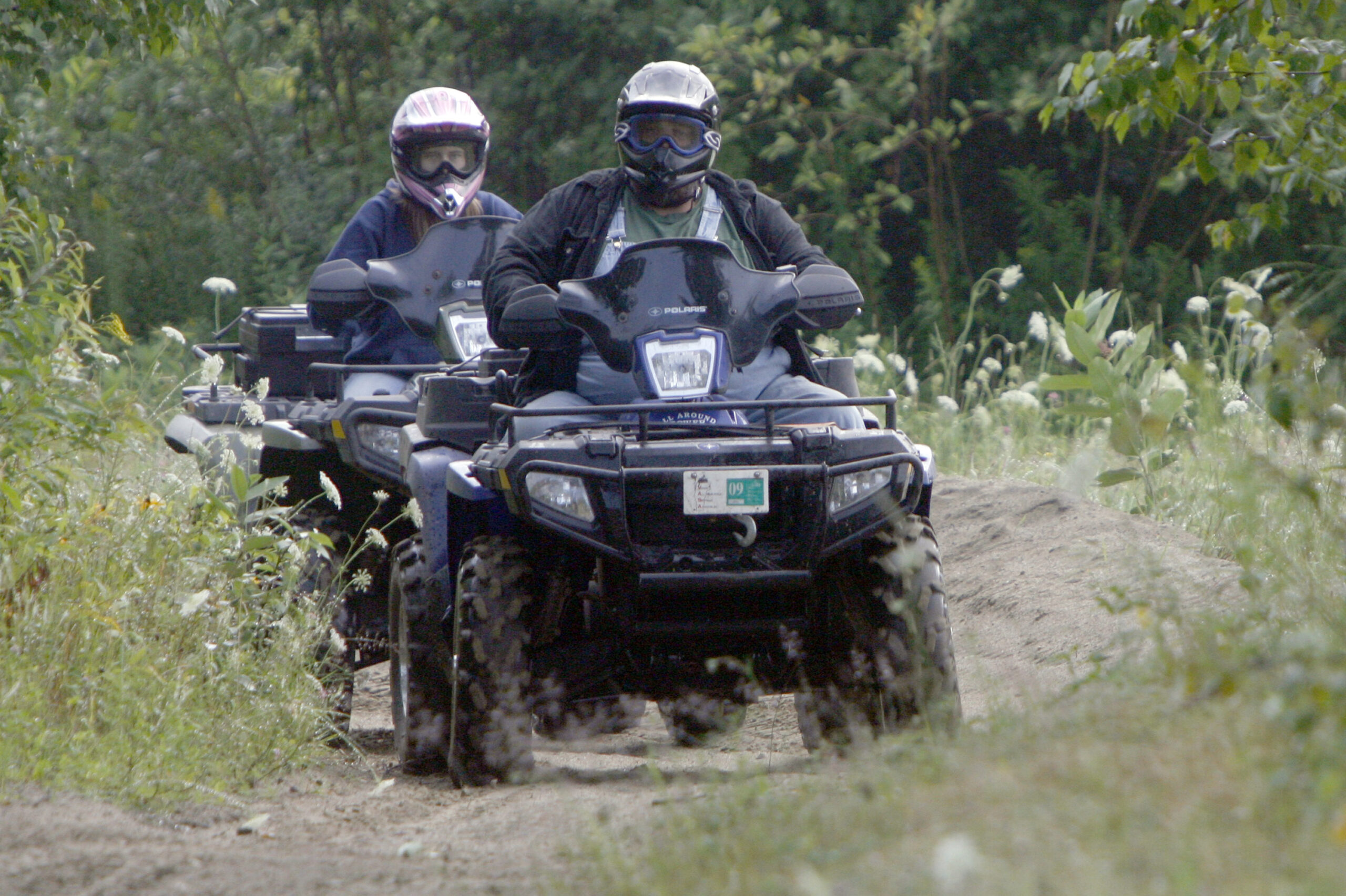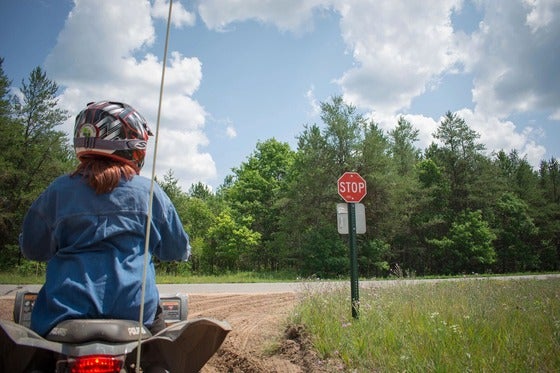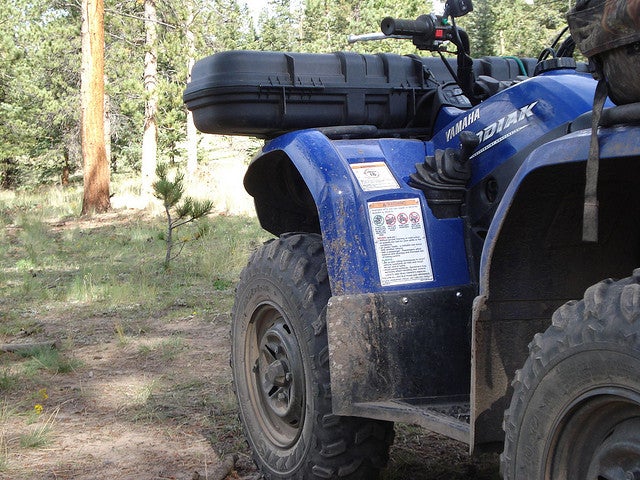
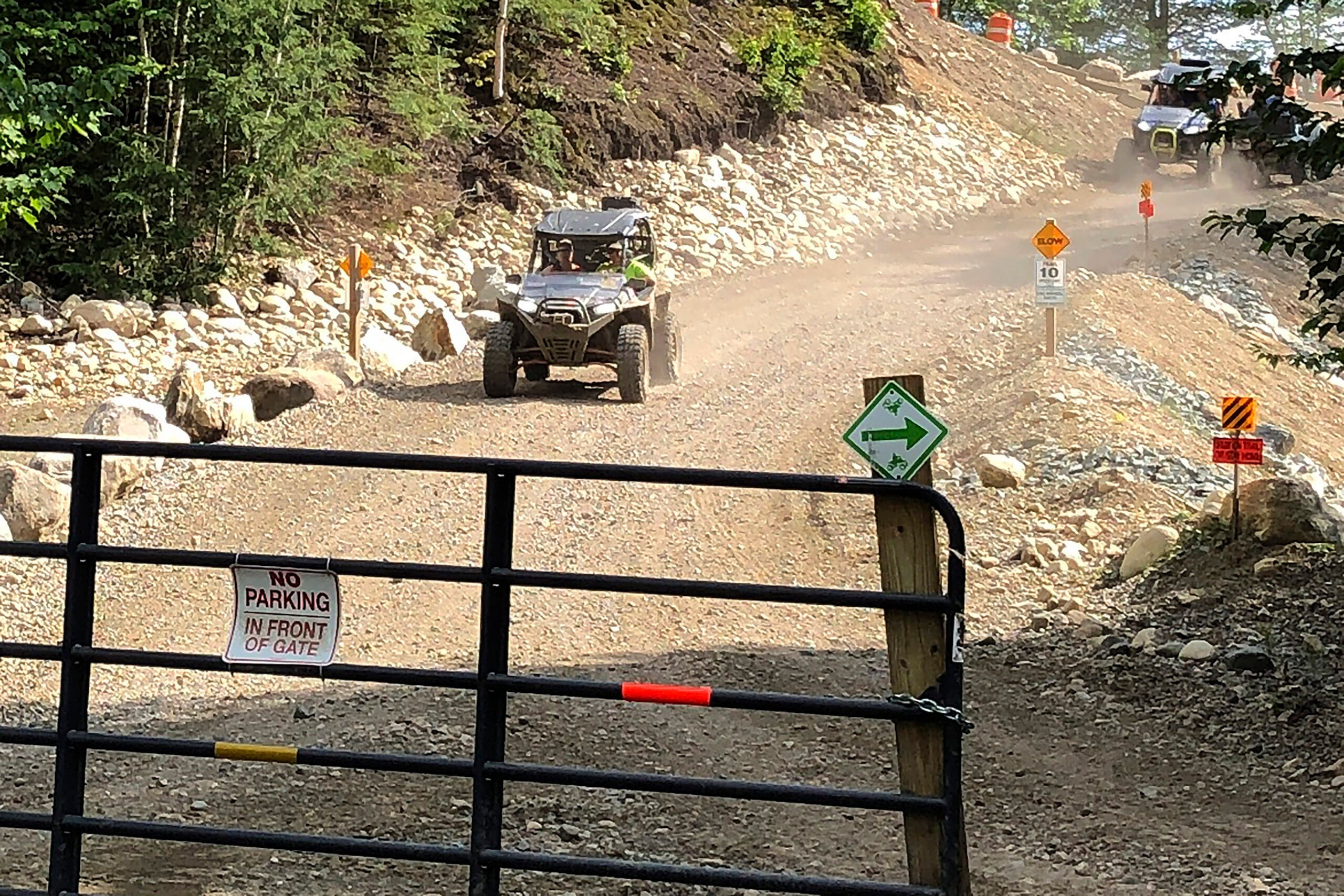
As fatalities reached near-record highs last year, the policymaking board for the Wisconsin Department of Natural Resources approved updated regulations for all-terrain and utility terrain vehicles that address safety.
The Wisconsin Natural Resources Board unanimously approved rules that modernize state code to ensure regulations for ATVs also address the growing popularity of UTVs, off-road utility vehicles with side-by-side seating. The rule also revises outdated registration processes, adopts standards for disorderly operation and requires both operators and passengers to wear safety belts and eye protection.
The regulations come as the DNR reports registrations of ATVs and UTVs have reached record levels, surpassing 528,000. The surge in their popularity has also coincided with an increasing trend of injuries and deaths. Last year, the DNR documented 41 deaths, the second-highest number of fatalities after the 47 deaths recorded in 2021.
Jake Holsclaw, the DNR’s off-highway vehicle administrator, told the board state law only requires UTV passengers to wear a seat belt. ATVs don’t have seat belts.
“We are finding a lot of our bad injury crashes, a lot of our fatal crashes, it’s often just an operator. It’s a single person in that machine. For them to not be required to wear a seat belt really doesn’t make sense,” Holsclaw said.
At least 32 victims in fatal crashes were not wearing a seat belt last year, and all but four were operating UTVs. Most recent data shows authorities issued 115 citations to ATV/UTV operators who were not wearing a seat belt and 387 citations to those not wearing a helmet in 2024.
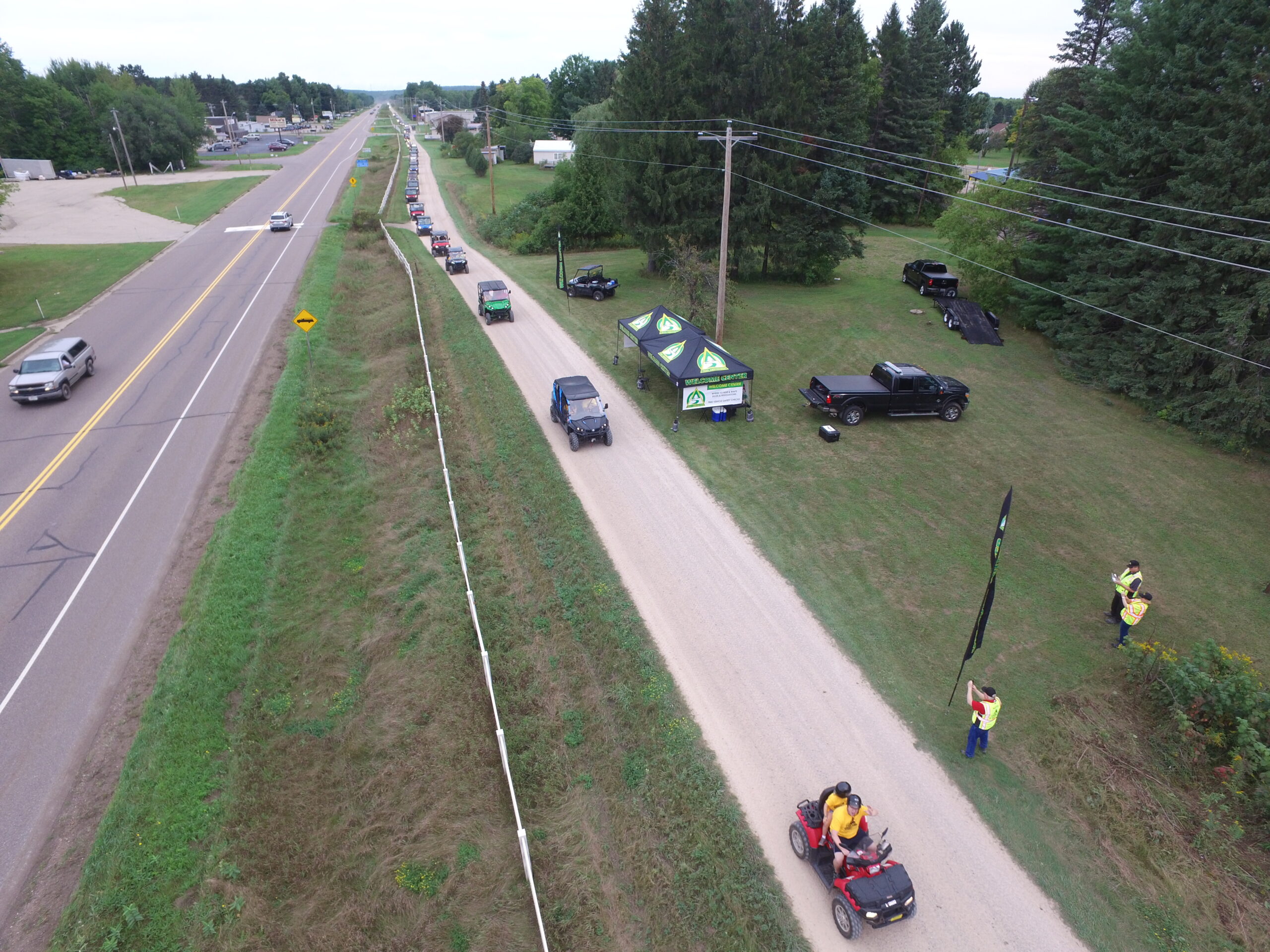
The updated regulations also bar towing people in a trailer behind ATV/UTVs on trails or roads, and they require UTVs to mirror window tint standards for motor vehicles.
However, they don’t address alcohol, which was involved in more than half of crashes in 2024. Authorities issued 239 citations for operating while intoxicated in 2024, and citations have been trending upward in the last decade. Last year, alcohol or THC was involved in 11 crashes, but results are still pending in 10 incidents.
If an ATV/UTV operator is cited for operating while intoxicated, Holsclaw noted that wouldn’t affect the individual’s driver’s license. They could continue to operate ATVs/UTVs even if their license has been revoked or suspended. Offenses on different recreational vehicles are also treated separately rather than lumped together.
Holsclaw said the DNR was unable to address alcohol in its updates, saying that would require a change in state law.
Randy Harden, president of the Wisconsin ATV/UTV Association, said the organization has tried to lobby numerous times for legislation to address alcohol use.
He highlighted a 2021 bill that would’ve required a court to count previous convictions for intoxicated use of different recreational vehicles together rather than separately when imposing a penalty. Harden also referenced a 2023 bill that would’ve made it illegal to carry open containers of alcohol while driving ATVs and UTVs on trails and public roads.
Both bills were introduced by a bipartisan group of lawmakers, but they failed to advance in the Legislature.
“We’re trying to … change the culture, but that’s tough,” Harden said. “Wisconsin is a “Drink Wisconsinibly” mantra. That really is what we’re fighting.”
In June, lawmakers proposed a bill that would make people liable for damages if they’re found operating an ATV or UTV in a “careless, reckless or negligent manner.”
Board member Jeff Hastings said he was “flabbergasted” that people could still operate recreational vehicles even if they had lost their license for driving while intoxicated.
“I wonder if the general public understands what those vehicles are and what their risk is, sharing the right-of-away with people that are not required to follow the same rules on alcohol,” Bill Smith, the board’s chair, said.
The regulations are subject to approval by the governor and Legislature.
News with a little more humanity
WPR’s “Wisconsin Today” newsletter keeps you connected to the state you love without feeling overwhelmed. No paywall. No agenda. No corporate filter.