Since the beginning of the year, 23 people have died from crashes of all-terrain vehicles and utility terrain vehicles in Wisconsin.
A July 17 report from the Wisconsin Department of Natural Resources lists 21 crashes in 2025. Over the weekend, a 21-year-old man died in a Brown County UTV crash, the Green Bay Press-Gazette reported, and an 82-year-old man died in a Portage County crash, the Wausau Pilot & Review reported, bringing this year’s tally to 23.
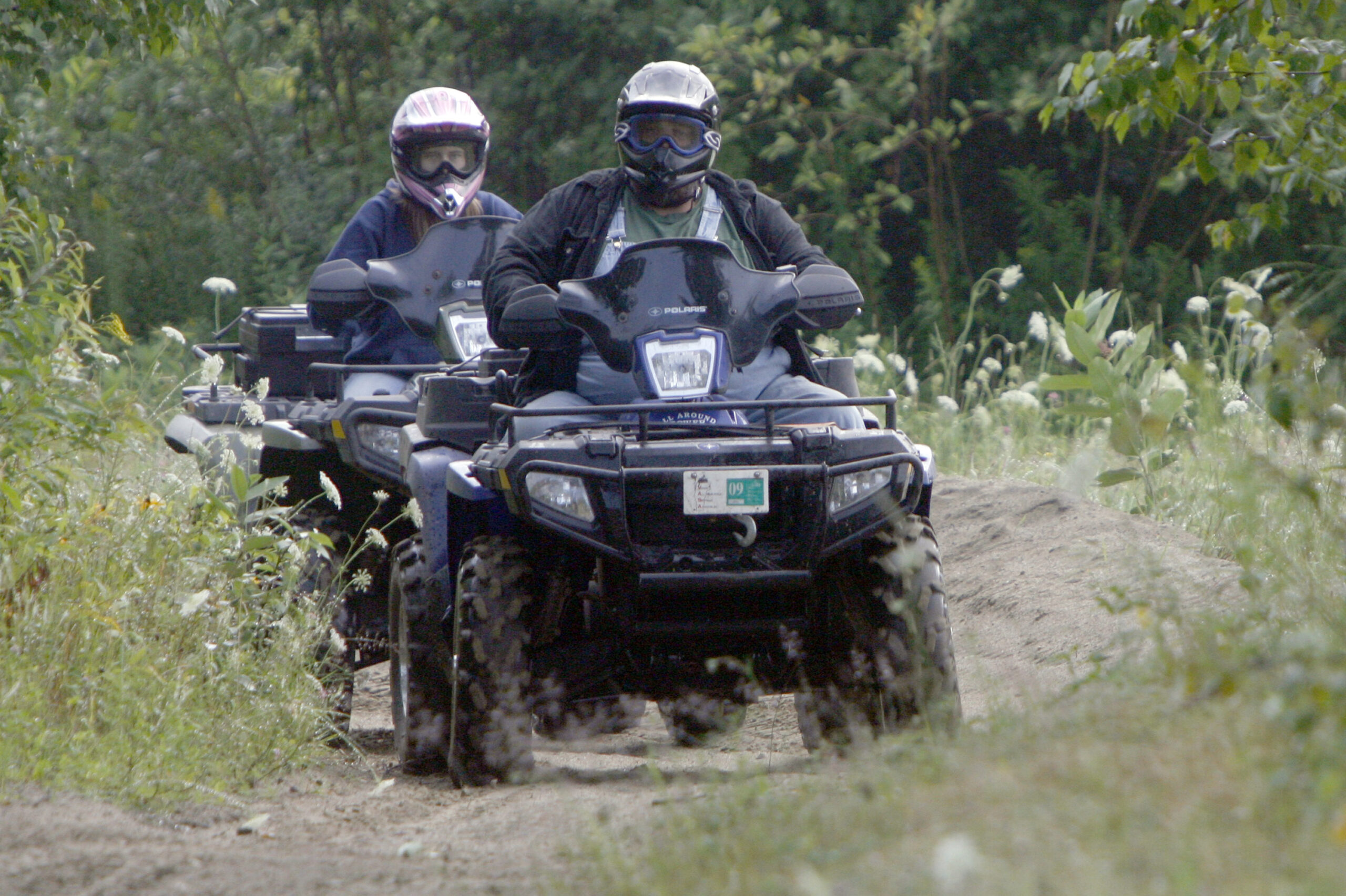
Use of ATVs and UTVs has grown significantly since the COVID-19 pandemic, bringing with it more safety incidents and fatalities.
News with a little more humanity
WPR’s “Wisconsin Today” newsletter keeps you connected to the state you love without feeling overwhelmed. No paywall. No agenda. No corporate filter.
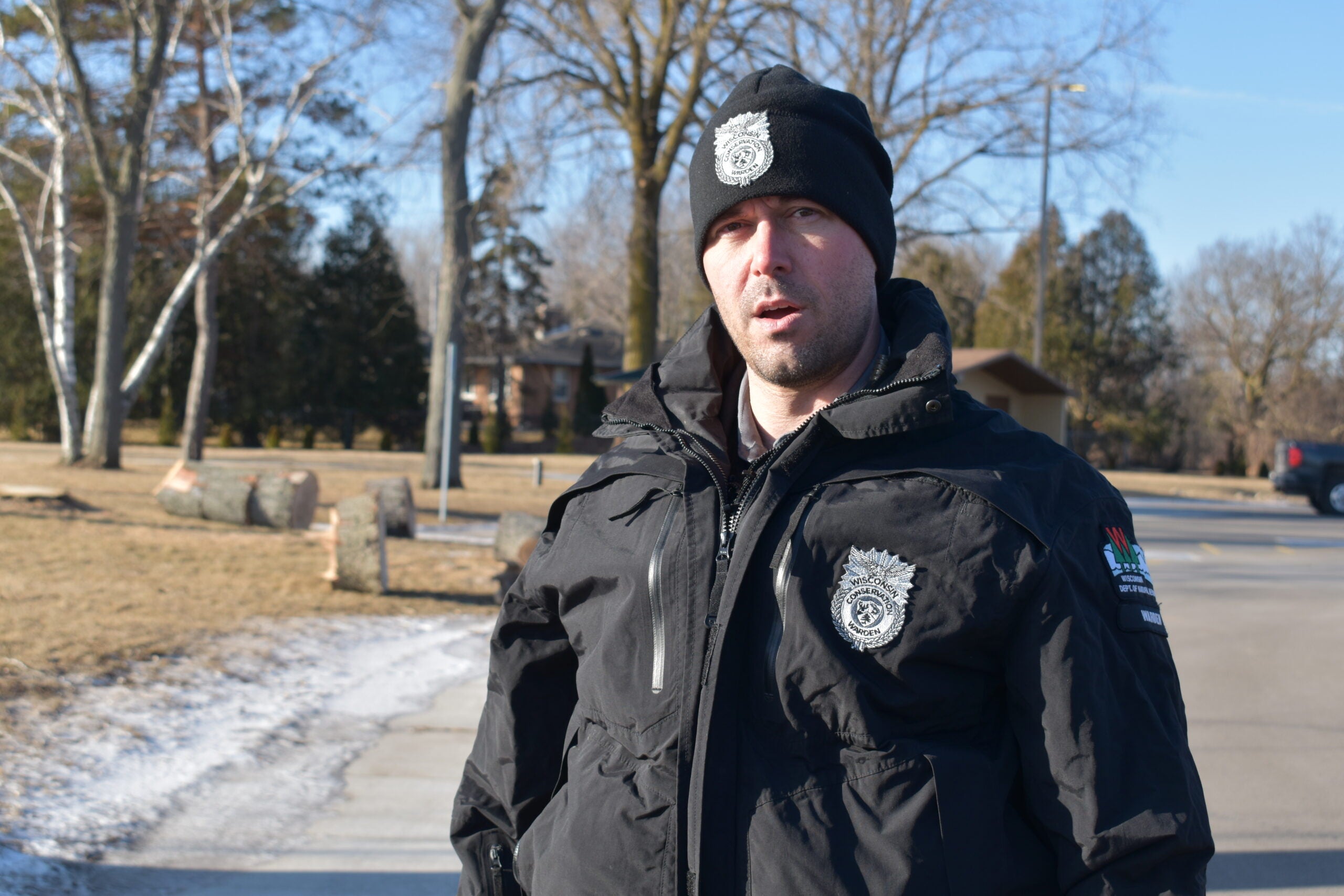
“Every year, we have more and more registrations,” said Joseph Mulrooney, a recreation warden with the DNR.
There were over 30 ATV/UTV fatalities in all but one post-pandemic year. Before that, between 2014 and 2020, all years had totals under 30, according to DNR annual reports. This year’s running tally puts 2025 on track to surpass 30 deaths yet again.
This year, crashes have killed riders as young as 6 and as old as 97, spanning the state from Kenosha County to Douglas County. In many cases, vehicles broke through winter ice or pinned drivers down after spinning out of control. Some deaths came during recreation, others during farm work or transportation.
In at least 17 cases, the victim wasn’t wearing a seat belt. Also in at least 17 cases, they hadn’t completed ATV/UTV safety courses. Five victims were 18 years old or younger.
Mulrooney said alcohol consumption and excessive speed are “top contributors” in many ATV and UTV crashes. Seventeen of the DNR’s listed 2025 fatalities have a “pending” alcohol involvement status.
“We really stress to people to save the alcohol for after the ride,” he said.
Highway driving, ATV/UTC tire design can make for deadly duo
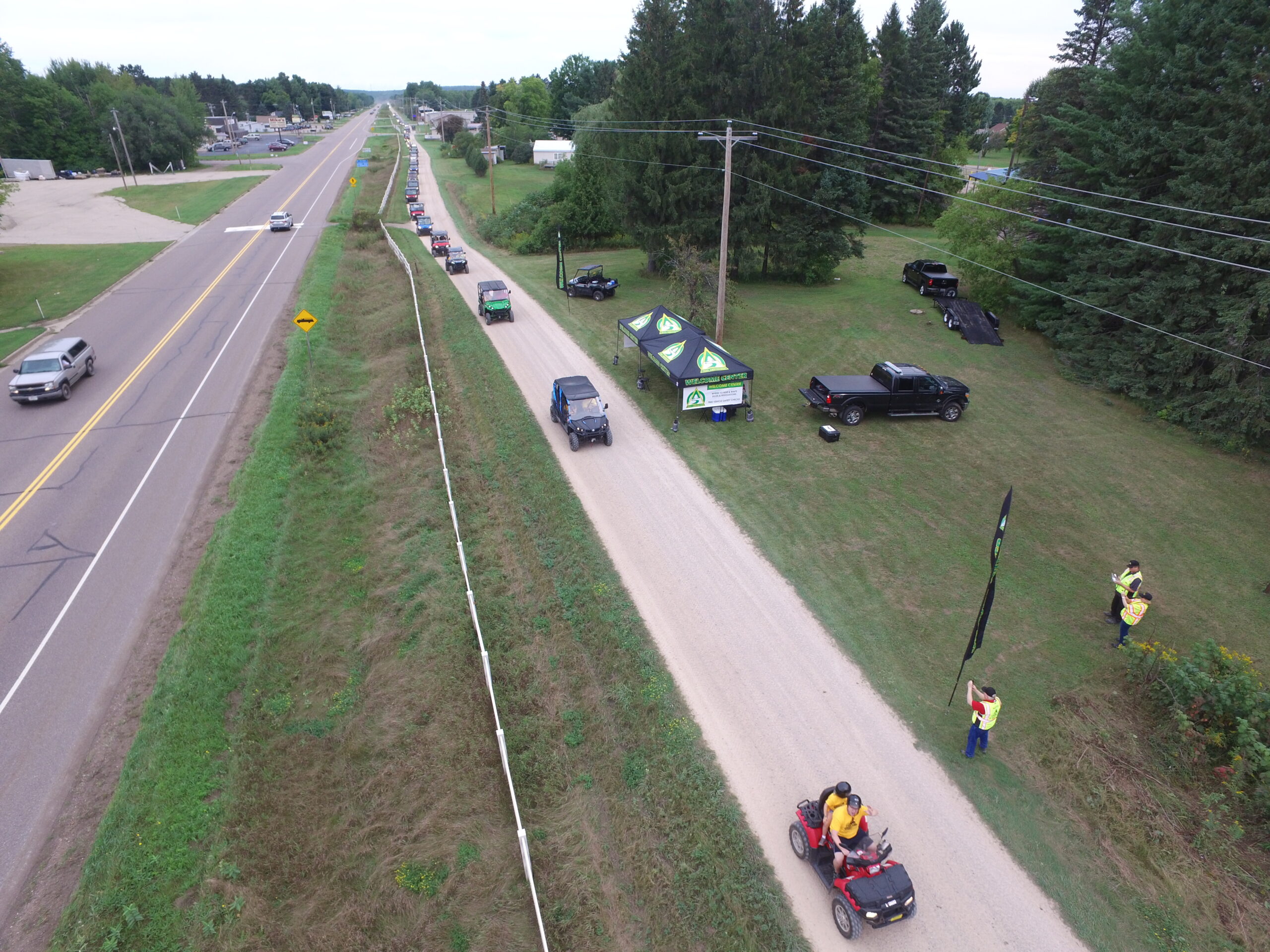
“Municipalities, counties, cities, villages, towns — they continually open up more and more highways and roadways to ATV and UTV use,” Mulrooney said.
In recent years, he said that’s led to more ATVs and UTVs sharing the roads with regular passenger carts.
“The higher frequency out on the roads is going to equate to higher frequency of crashes,” he said.
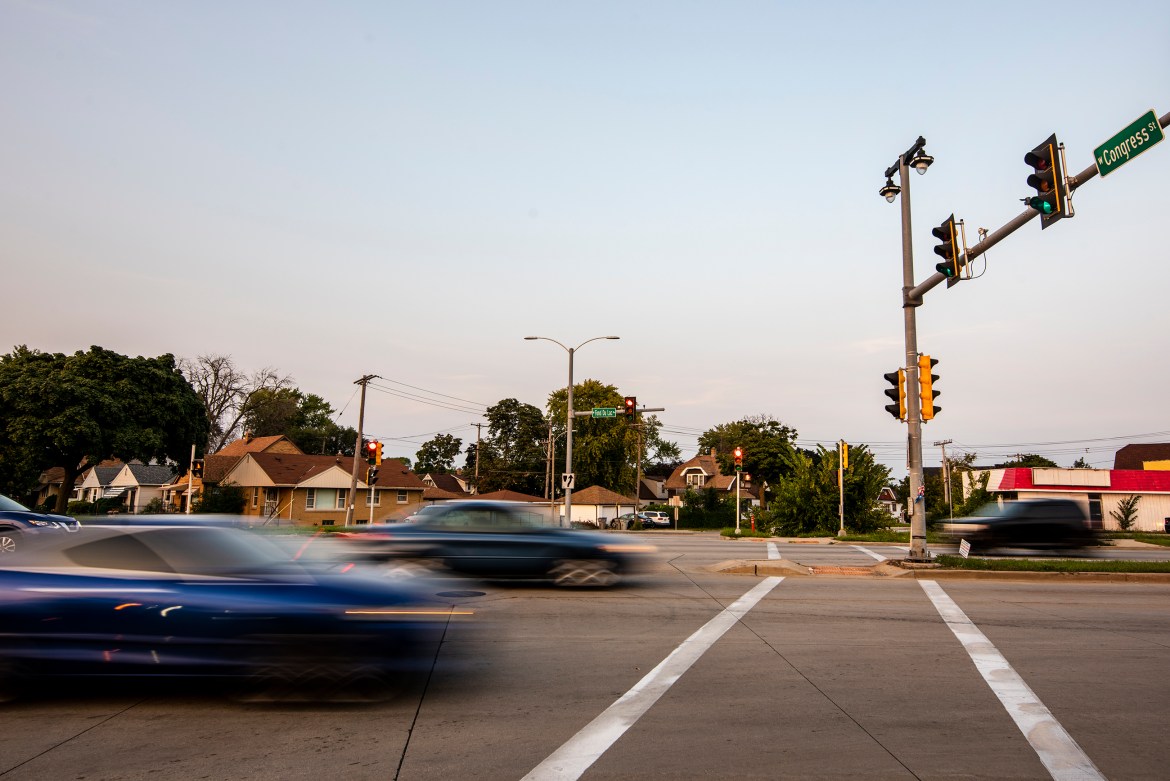
Seven of the 23 fatal crashes happened on public roads.
Off-road vehicles have low-pressure tires, Mulrooney said, which have more grip than regular car tires, especially when turning at high speeds.
“So any sort of turn is just that much sharper, that much more dynamic,” Mulrooney said.
He also said off-road vehicles have a higher center of gravity, making them more prone to tipping over.
Seat belts are required for UTVs, Mulrooney said, but not ATVs. Helmets are required for riders under 18. He said local law enforcement has the same power to pull over off-road vehicle drivers as they do for cars.

Wisconsin Public Radio, © Copyright 2026, Board of Regents of the University of Wisconsin System and Wisconsin Educational Communications Board.