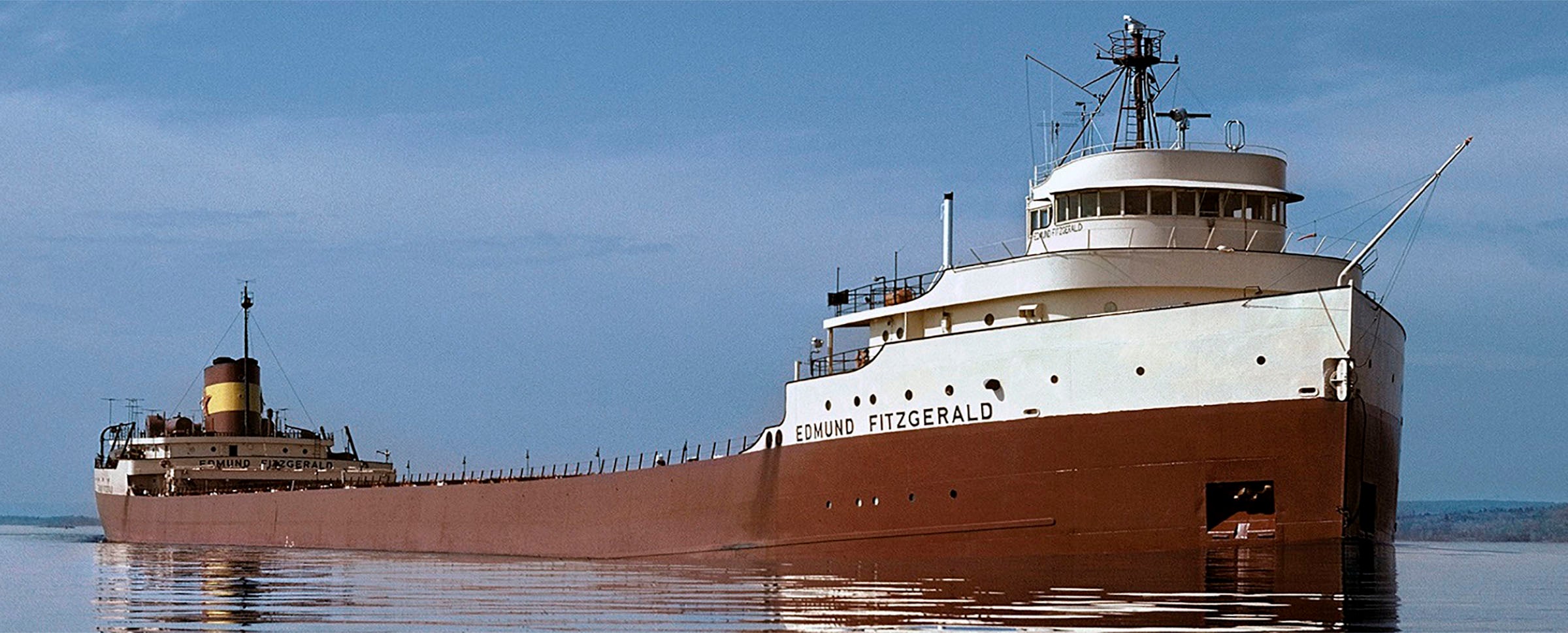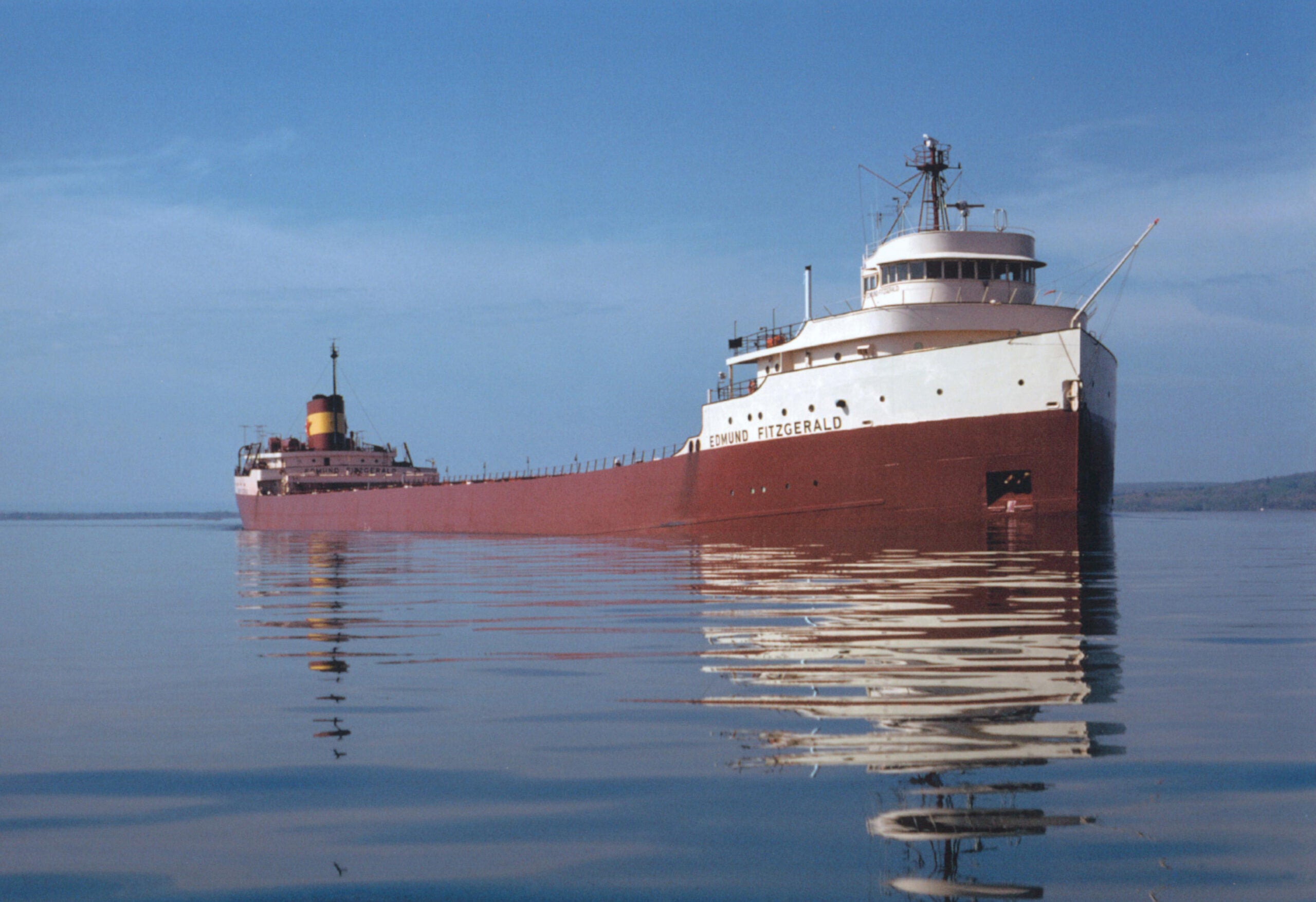
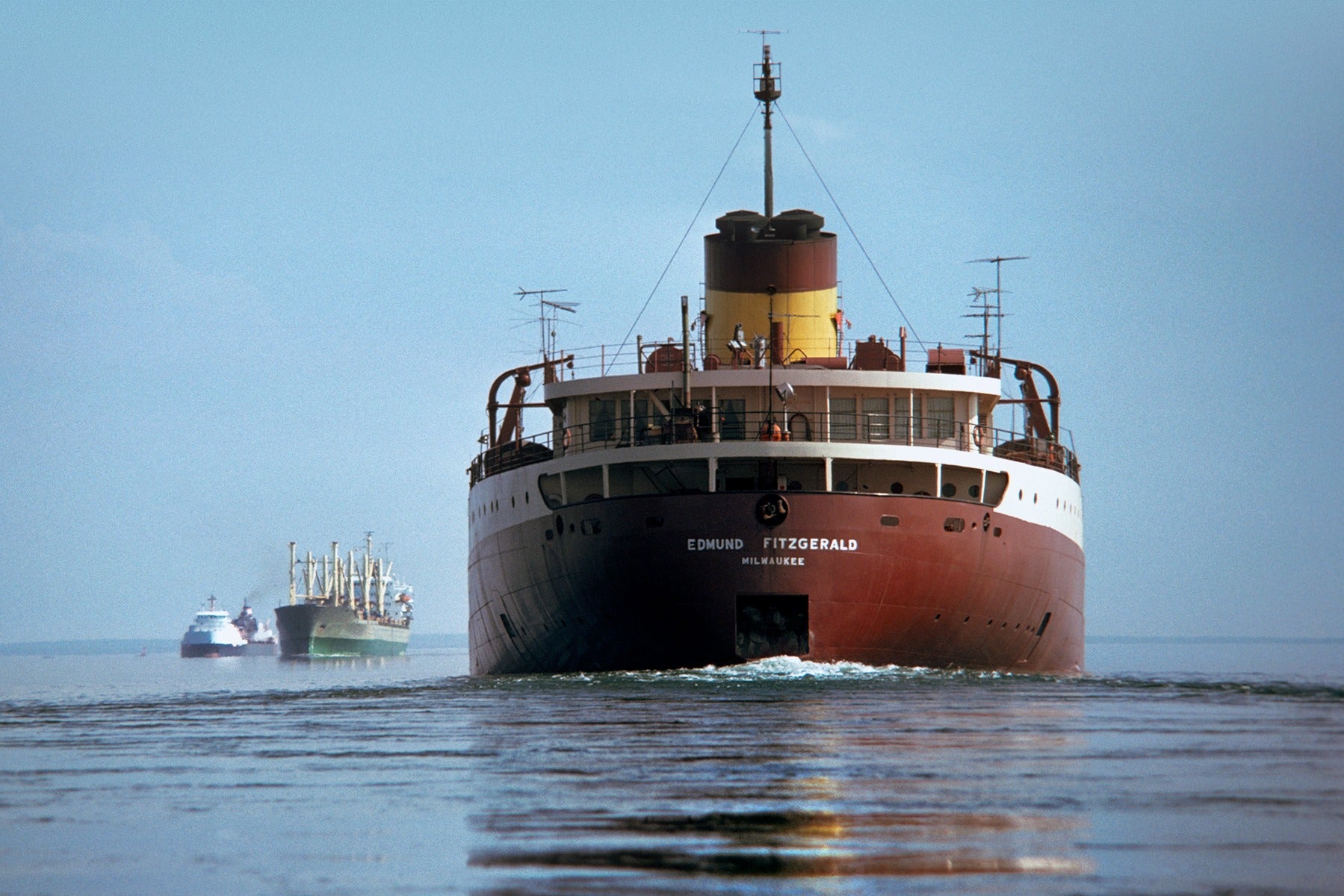
Nov. 10 is the 50th anniversary of one of the most tragic and well-known shipwrecks on the Great Lakes, the sinking of the Edmund Fitzgerald.
The tragedy particularly resonates locally, with Superior being the ship’s last port of call, and “the wives and the sons and the daughters” of many of its crew still living in the area.
It is known far beyond that, however, thanks to the haunting ballad by the late Gordon Lightfoot.
News with a little more humanity
WPR’s “Wisconsin Today” newsletter keeps you connected to the state you love without feeling overwhelmed. No paywall. No agenda. No corporate filter.
“I’m highly criticized at my lectures because I pick on Gordon,” said Ric Mixter, a documentarian and author of several works about the wreck, including his latest, “Tattletale Sounds, the Edmund Fitzgerald Investigations.”

While Mixter acknowledges he wouldn’t be talking about shipwrecks if it weren’t for Lightfoot, he says, “80 percent of that song is wrong — from the Chippewa legend that doesn’t exist to the (line) ‘some mill in Wisconsin.’ There are no pelletizing mills in Wisconsin. It was not fully loaded and it was not going to Cleveland. It was partially loaded and going to Detroit.”
Mixter spoke with WPR’s Robin Washington on “Morning Edition” in advance of his talks on Nov. 8 at the Gales of November commemoration in Duluth and also at the University of Wisconsin-Superior.
The following interview has been edited for brevity and clarity.
Robin Washington: Tell us about that last port of call.
Ric Mixter: The Fitzgerald had spent 85 percent of its trips on the Great Lakes leaving from Silver Bay, Minnesota and coming down. But there were problems at Silver Bay with pollution issues.
So, the Fitzgerald was looking for different cargos — they kept different clients and National Steel was one of them at Zug Island on the Detroit River. And so, that’s where they took their last cargo — the world’s tallest docks at Superior. And it took them a while to load for some reason. There was an hour delay in shifting the vessel. It could only load half, and then it had to move 12 feet to load the rest because she was so long.
RW: What happened as the voyage continued?
RM: They knew right away that a major storm was coming. By the time they made Devil’s Island in the Apostle Islands, full gale warnings were coming and there were boats that were already starting to drop anchor at Whitefish Bay and behind Isle Royale.
But the Fitzgerald and the Anderson went through. It’s no surprise that the Fitz did, because they had taken on four other gales that year alone. Captain McSorley was a rough weather skipper who never missed a fight.
RW: You visited the shipwreck site.
RM: I was very honored.
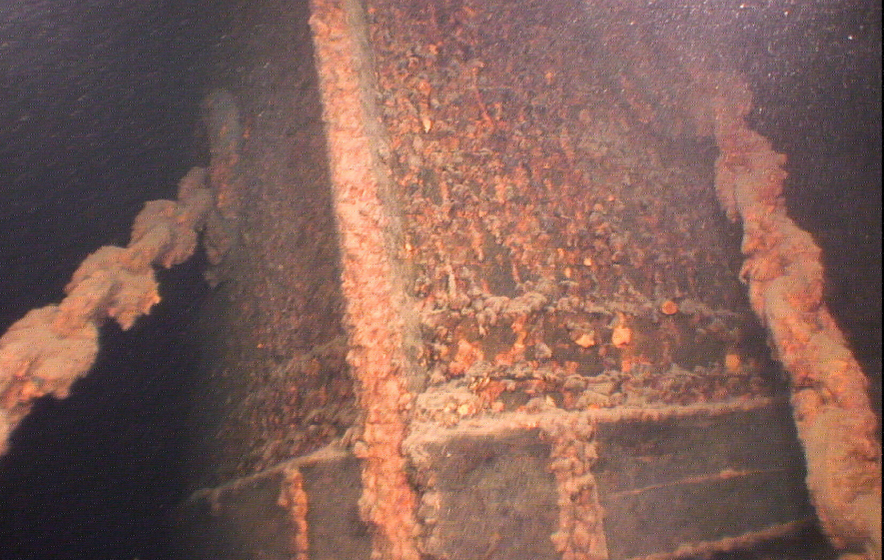
I went as a television reporter for a station in Saginaw. My dive was about an hour and 40 minutes. I got to see the parts of the ship that I wanted to see and to break some of the real nonsense about the shipwreck — that it ran aground, that it broke and dove nose first. A lot of that stuff we dispelled with the discoveries we made in July 1994.
RW: So what do you think really happened?
RM: I looked at the cargo in hatches that clearly indicates that the ship broke on the surface. There’s no way that we would have a massive pile of taconite behind the upside-down stern section of the Edmund Fitzgerald if it broke going down in one piece.
There was a big wave that the Anderson reported when they were about nine miles from the Fitzgerald, and that wave clearly collapsed hatches one and six of the Fitzgerald. It no longer had the reserve buoyancy to stay afloat.
RW: Were there any navigational or other lessons learned from it?
RM: Right away, the Coast Guard said ore boats shouldn’t be carrying as much cargo. They said the hatches leaked. They did surprise ride-alongs with other freighters and found out that 80 percent of those ships were noncompliant.
RW: Not to criticize Lightfoot’s poetic license, but I do think he could have said “coming back from Superior, Wisconsin” instead of “coming back from some mill in Wisconsin.”
RM: There are definitely some issues with the song. But the lyric “Does anyone know where the love of God goes when the waves turn the minutes to hours?” — I can’t criticize that.
If you have an idea about something in northern Wisconsin you think we should talk about on Morning Edition, send it to us at northern@wpr.org.