Canadian mining company GreenLight Metals announced a deal to secure around $7 million in financing that would fund more drilling in Taylor County and exploration of other sites in northern Wisconsin.
The company, which does business in the state as Green Light Wisconsin, said the deal with Stifel Nicolaus Canada Inc. and TD Securities Inc. is set to close on Nov. 26 pending regulatory approvals.
Steve Donohue, a director on the company’s board, said the Toronto-based investment banking firms are underwriting the deal. Shares of the company will be sold to various investors.
News with a little more humanity
WPR’s “Wisconsin Today” newsletter keeps you connected to the state you love without feeling overwhelmed. No paywall. No agenda. No corporate filter.
The company’s objective is to expand the known footprint and scale of copper, gold and tellurium within the Bend deposit in Taylor County, as well as other properties. The Bend deposit is believed to contain about 4.2 million tons of ore that has primarily copper-bearing sulfides and gold.
“This is the next step … that provides the company additional working capital to do additional exploration activities, both on Bend and to fund additional activities related to looking at other prospective sites here in the state,” Donohue said.
Some of the funds will support exploration of the company’s Lobo sites near Crandon. Donohue said the company hopes to conduct drilling at those deposits in the spring. The cash influx will also fund airborne geophysical surveys, property payments for lease agreements with private landowners, project support and corporate expenses for the next year.
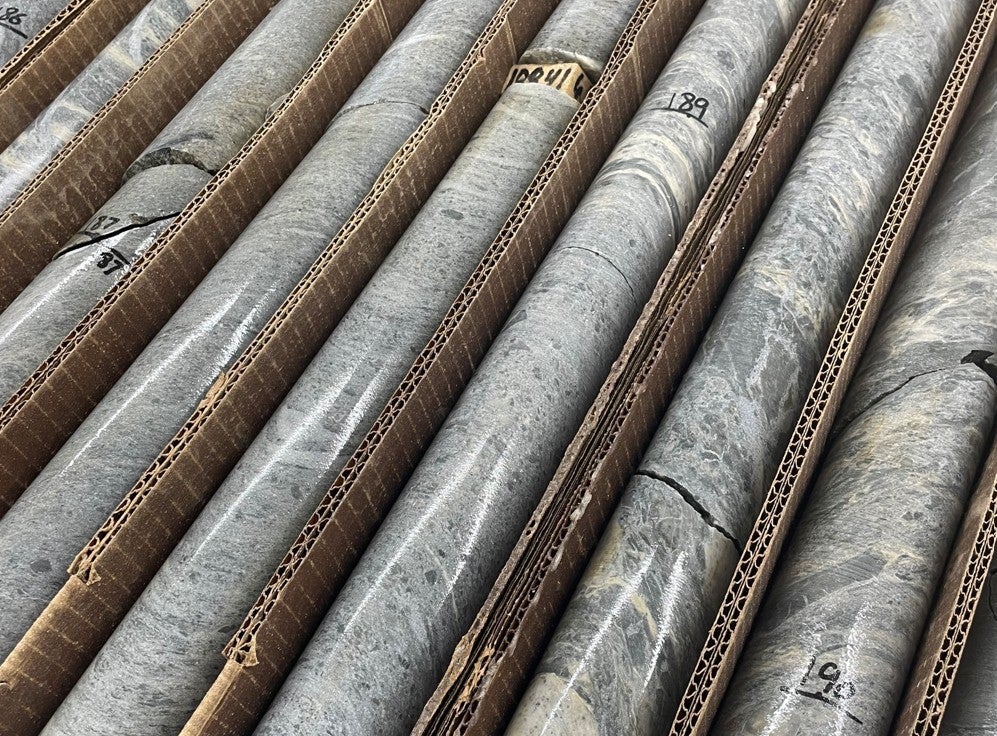
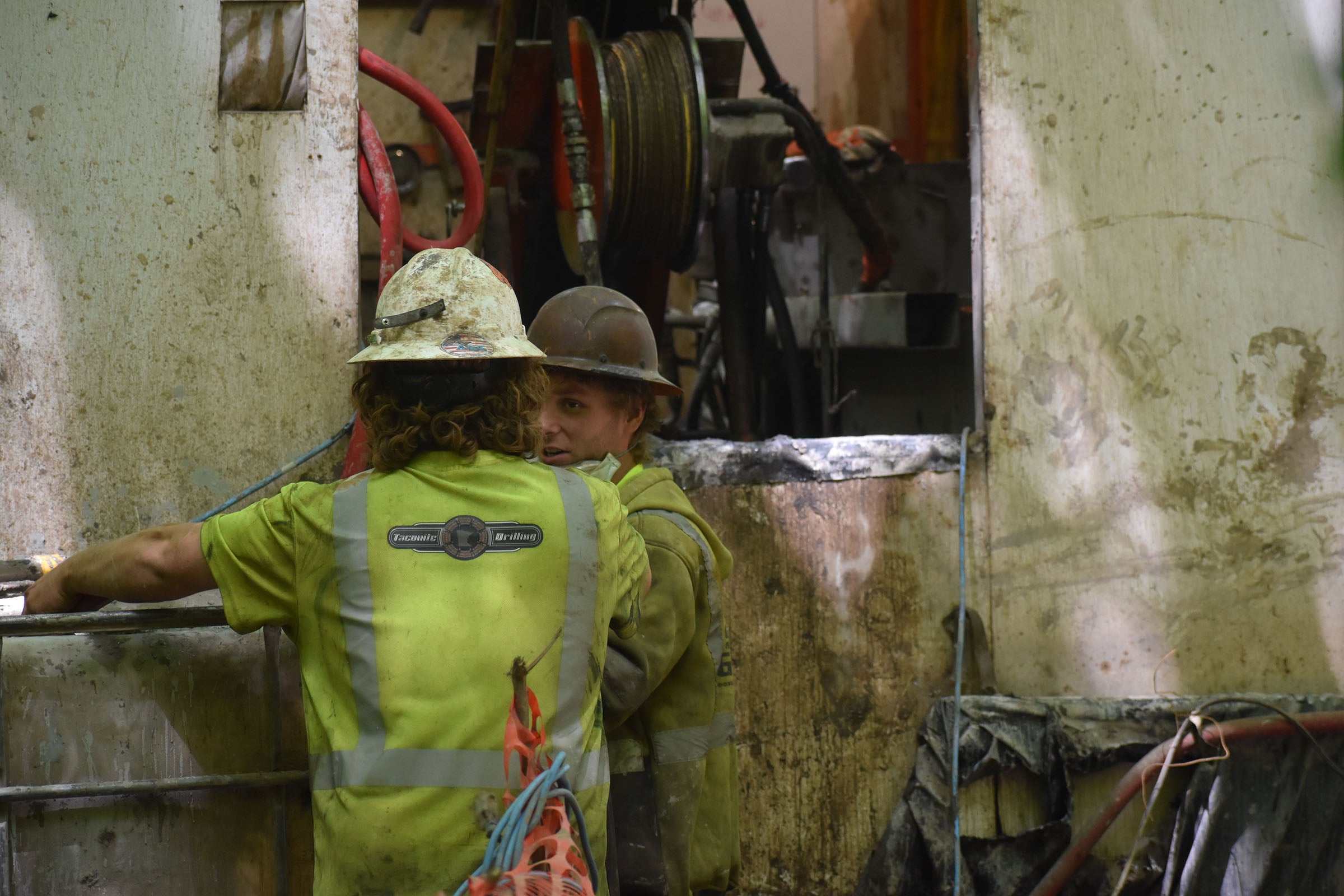
This summer, the company drilled six holes on less than an acre of the Bend deposit around 15 miles northwest of Medford within the Chequamegon-Nicolet National Forest. Donohue said testing of drill cores has shown good grades of copper, gold and tellurium that extend farther than previously known.
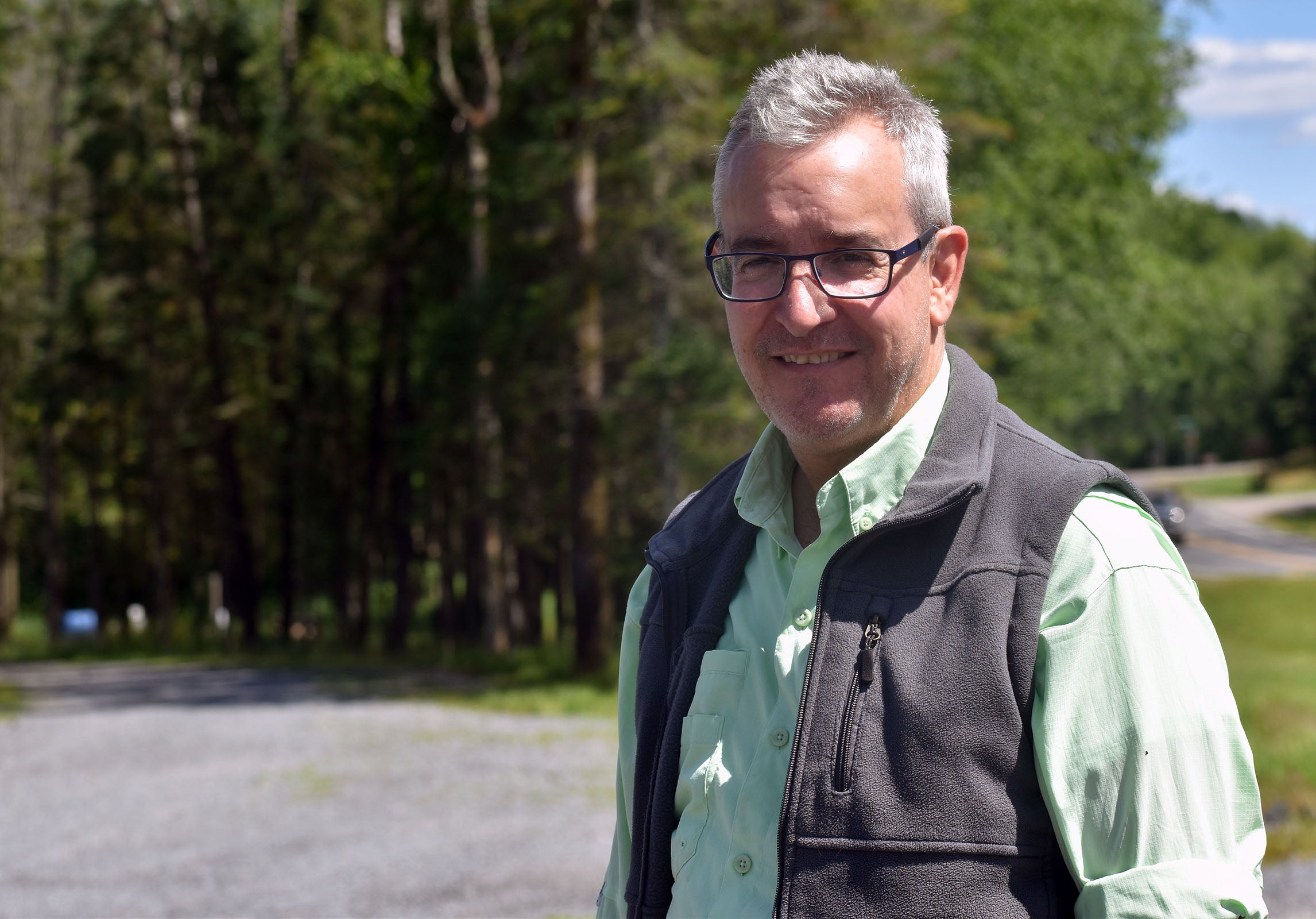
Environmental advocates say results so far only confirm what’s previously been explored and claim they don’t show a mine is economically viable at this point. Dave Blouin, mining committee chair for the Wisconsin chapter of the Sierra Club, said the deal to secure financing doesn’t come as a surprise. The company currently has around half a million dollars in working capital.
“We expected that they were going to have to find a creative way to raise additional capital, given their plans for additional drilling at Bend this winter,” Blouin said.
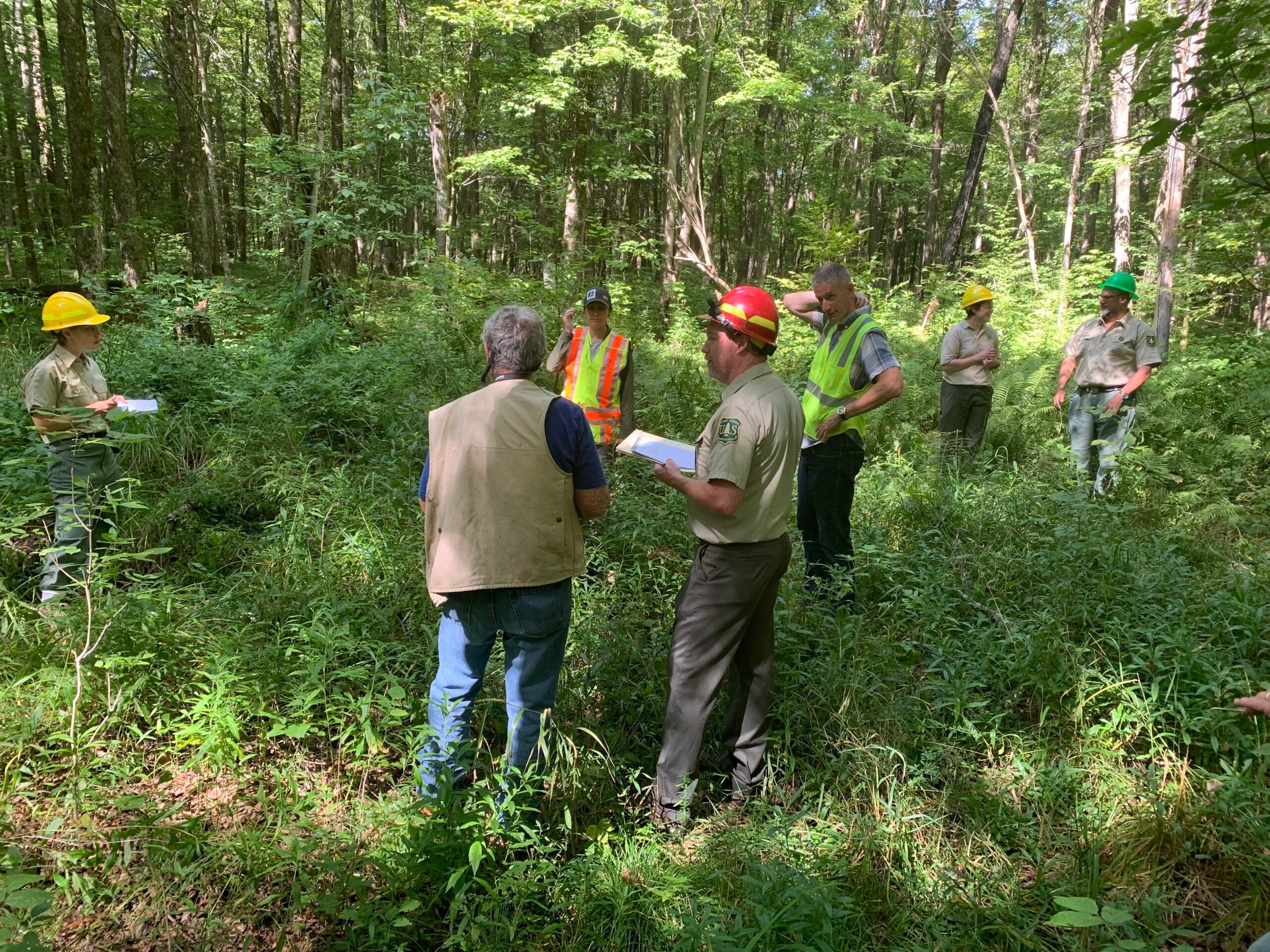
Green Light is leasing mineral rights from the Soo Line Railroad to explore a 40-acre parcel on land owned by the U.S. Forest Service. The company has applied for a prospecting permit from the Bureau of Land Management, and it hopes to drill an additional 15 holes this winter.
Kristen Peters, the agency’s acting communications director, said there’s no timeline for issuing a decision on the permit because the company is revising its application.
“Once a complete application is received, the BLM and Forest Service will process it in a timely manner,” Peterson said in an email.
The Chequamegon-Nicolet National Forest is also conducting an environmental analysis because drilling would occur on Forest Service lands.
Donohue said the company is refining its plan and providing additional information to the Forest Service to complete their environmental review. He said the location of drill sites may be adjusted. Company officials don’t expect they will need to move sites due to wetlands at this time, but he said they’re still evaluating mapping data.
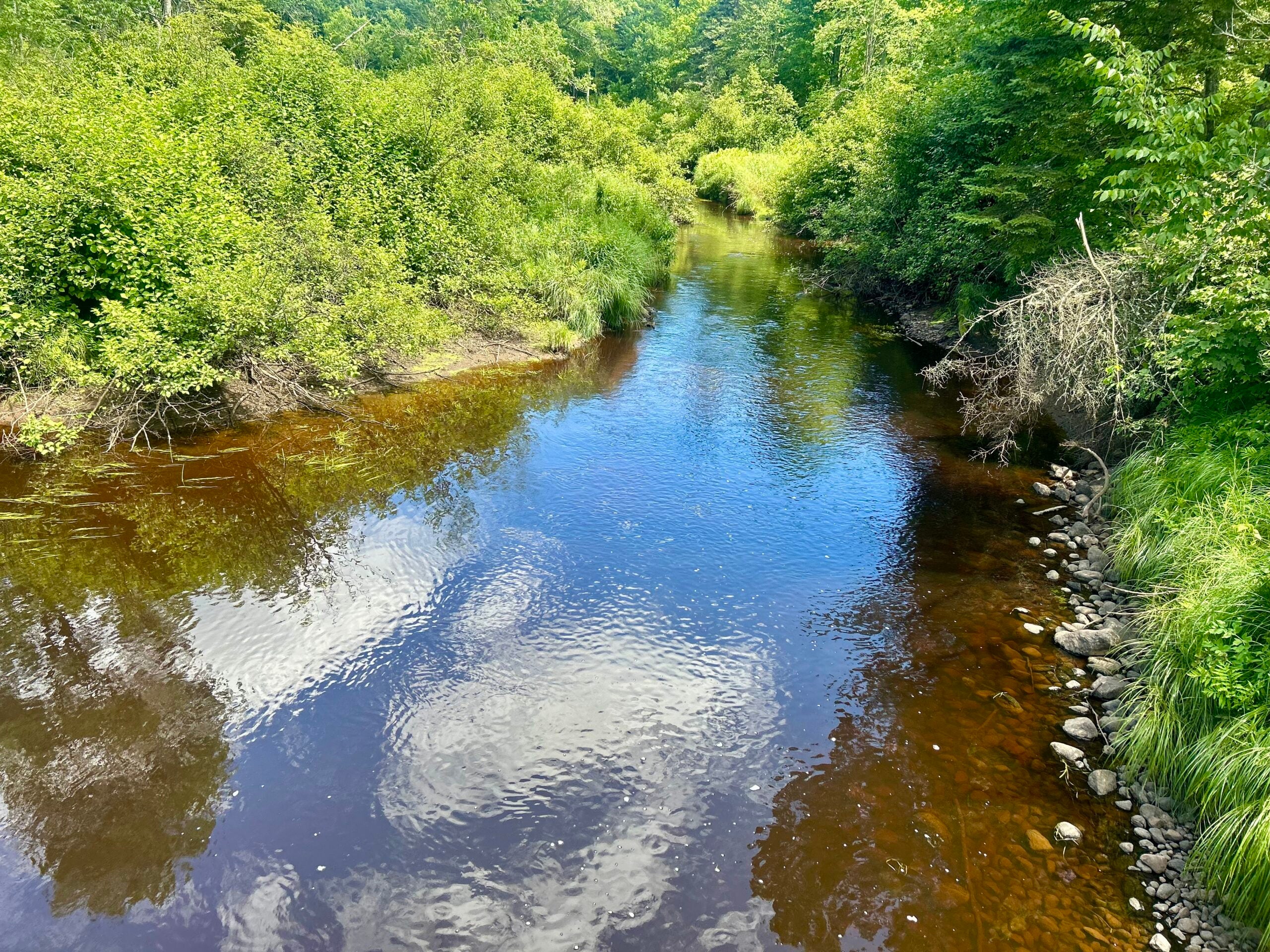
Scott Stalheim, member of the citizens group Friends of the Yellow River, said he’s uncomfortable with the challenges of drilling in wetlands. He said it’s hard to imagine that a mine would not damage the environment on public lands.
“A full-scale mine is not really compatible with other goals of the Forest Service or the Indian tribes,” Stalheim said. “I cannot picture it, but we also want to be monitoring as close as we can every step of the way.”
The Lac du Flambeau tribe previously challenged DNR approvals for drilling at the site due to concerns about irreparable damage to environmental and cultural sites. That case is still ongoing.
For future drilling, Donohue noted the company has yet to file a notice of intent to drill outlining its exploration plan with the Wisconsin Department of Natural Resources. The company plans to submit both a revised application for a federal permit and its plan to the DNR within the next couple months. He said they hope to obtain approvals by early next year and begin drilling shortly thereafter.
Molly Gardner, the DNR’s metallic mining coordinator, said it’s difficult to say how long its review may take without more details. Green Light Wisconsin has indicated drilling would occur during frozen ground conditions for sites located in wetlands, but Donohue said the company hopes to avoid them.
“Ultimately, the goal is to define the limits of this zone of mineralization and then start to evaluate it for its viability to be mined from an economic basis and an environmental basis,” Donohue said.
While permitting any mine is years away, Donohue said he’s confident the deposits are economically viable. He said the company would likely bring in another mining company to partner on developing any potential mine.
Metals like gold and copper that occur in sulfide minerals haven’t been mined in Wisconsin since the Flambeau mine shut down in 1997. That mine served as a catalyst for the state’s sulfide mining moratorium that was later repealed under a 2017 law passed by the Republican lawmakers and signed by GOP Gov. Scott Walker.
Democratic legislators have introduced a bill seeking to reinstate the law that required mining companies to show a mining operation had been safely operated and closed for 10 years without polluting the environment.

Wisconsin Public Radio, © Copyright 2026, Board of Regents of the University of Wisconsin System and Wisconsin Educational Communications Board.