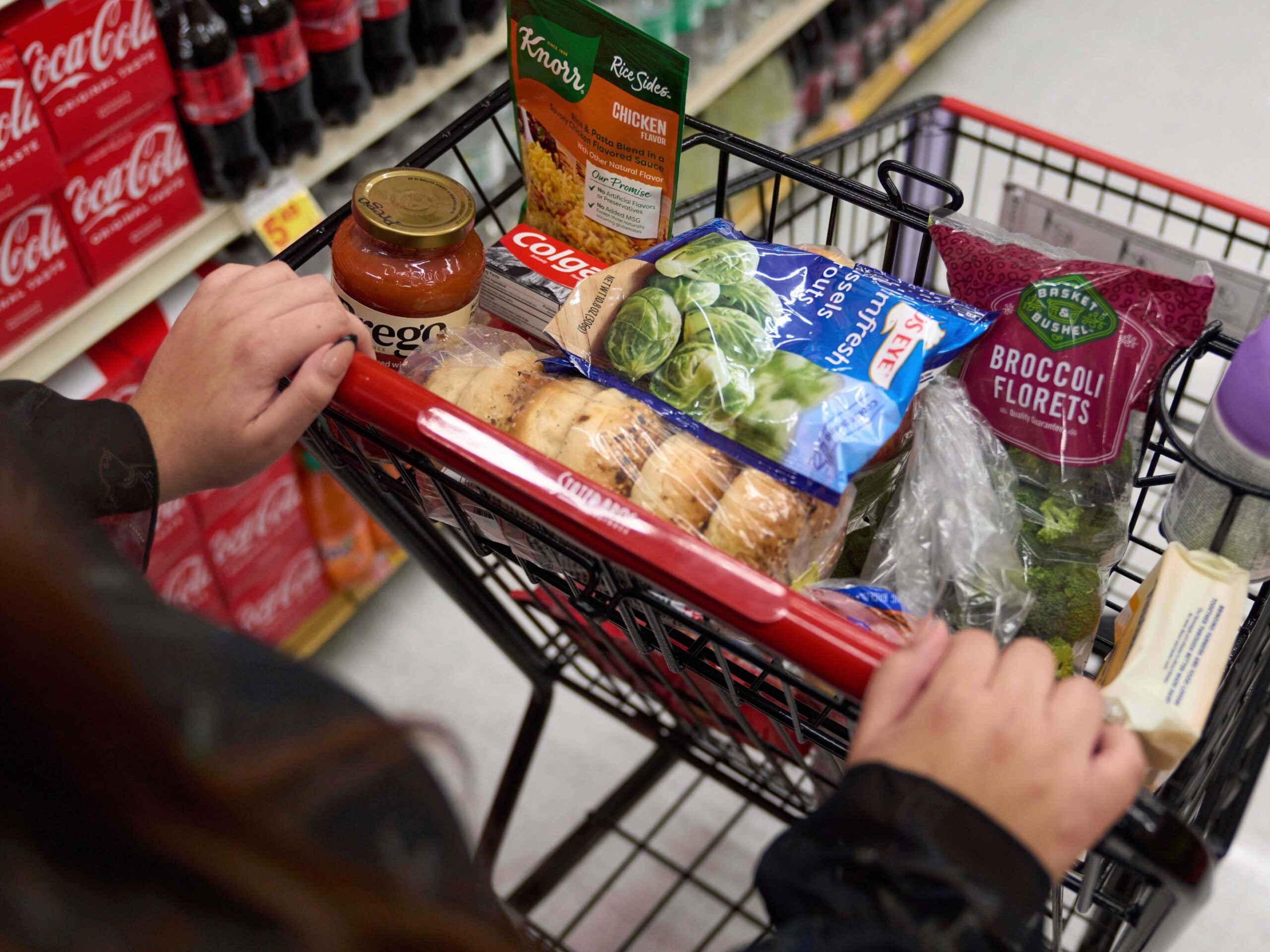
The head of the Wisconsin Department of Health Services is urging state lawmakers to allocate new funding to cover increasing costs for providing food assistance.
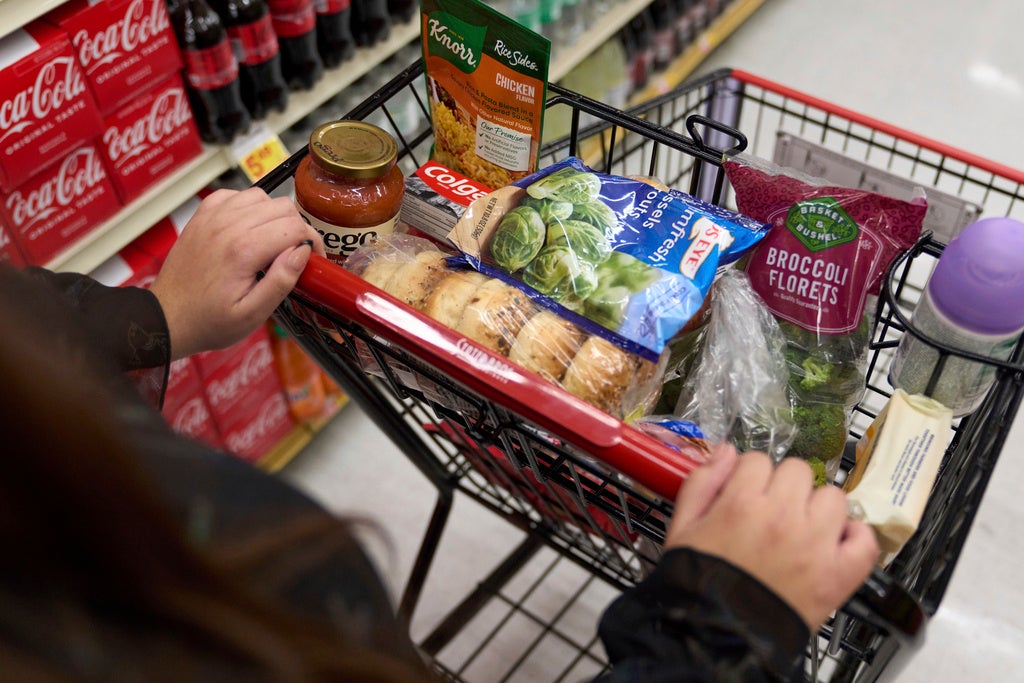
Starting in October, the state’s share of administrative costs for FoodShare, the state’s name for the federal Supplemental Nutrition Assistance Program, will increase from 50 percent to 75 percent.
It’s just one of the ways Congress shifted the program’s costs onto states through the GOP’s One Big Beautiful Bill Act, which was signed into law by President Donald Trump last July.
News with a little more humanity
WPR’s “Wisconsin Today” newsletter keeps you connected to the state you love without feeling overwhelmed. No paywall. No agenda. No corporate filter.
DHS has requested nearly $70 million in new state funding to cover the increased administrative share and other new costs through the end of the current 2025-27 state budget.
Speaking to reporters on Wednesday, DHS Secretary Kirsten Johnson said she’s been working on the request with Gov. Tony Evers’ office and the state Legislature since August.
But she said there is growing urgency to receive the funding in the next month before the end of the current legislative session.
“We needed these resources yesterday, and delaying this investment hurts Wisconsin and hurts the people who rely on our state to help them when they need it the most,” Johnson said.
Without new funding, Johnson said DHS could see more errors within the program and leave the state on the hook to pay a portion of the benefits.
A change in the One Big Beautiful Bill Act penalizes states with an error rate over 6 percent by requiring them to pay between 5 percent and 15 percent of benefits. In Wisconsin, that would cost between $68 million and $205 million, according to DHS.
“Historically, Wisconsin has had one of the lowest error rates in the country,” Johnson said. “Our concern is the cost to taxpayers if we don’t have the resources to maintain our quality.”
As part of the $70 million request, DHS is looking to hire more quality control staff that review cases for potential errors.
Wisconsin Medicaid Director Bill Hanna told reporters that the error rate is not a representation of fraud within the program, but instead represents mistakes, either through underpaying or overpaying benefits.
He said the process of certifying how much an individual or family qualifies is complex, and changing circumstances can lead to unintentional errors.
“This is why we need those resources today to make sure that we get those calculations correct,” he said.
Expanded work requirements for some adults under the age of 64 went into effect in November. DHS has estimated 43,700 Wisconsinites are subject to the new requirements and additional enrollments in the state’s FoodShare Employment and Training program could cost the state $14.6 million.
Hanna said the federal government shutdown delayed the implementation of those requirements until December, and the state is just beginning to see the impact of the requirements in enrollment data.

Wisconsin Public Radio, © Copyright 2026, Board of Regents of the University of Wisconsin System and Wisconsin Educational Communications Board.