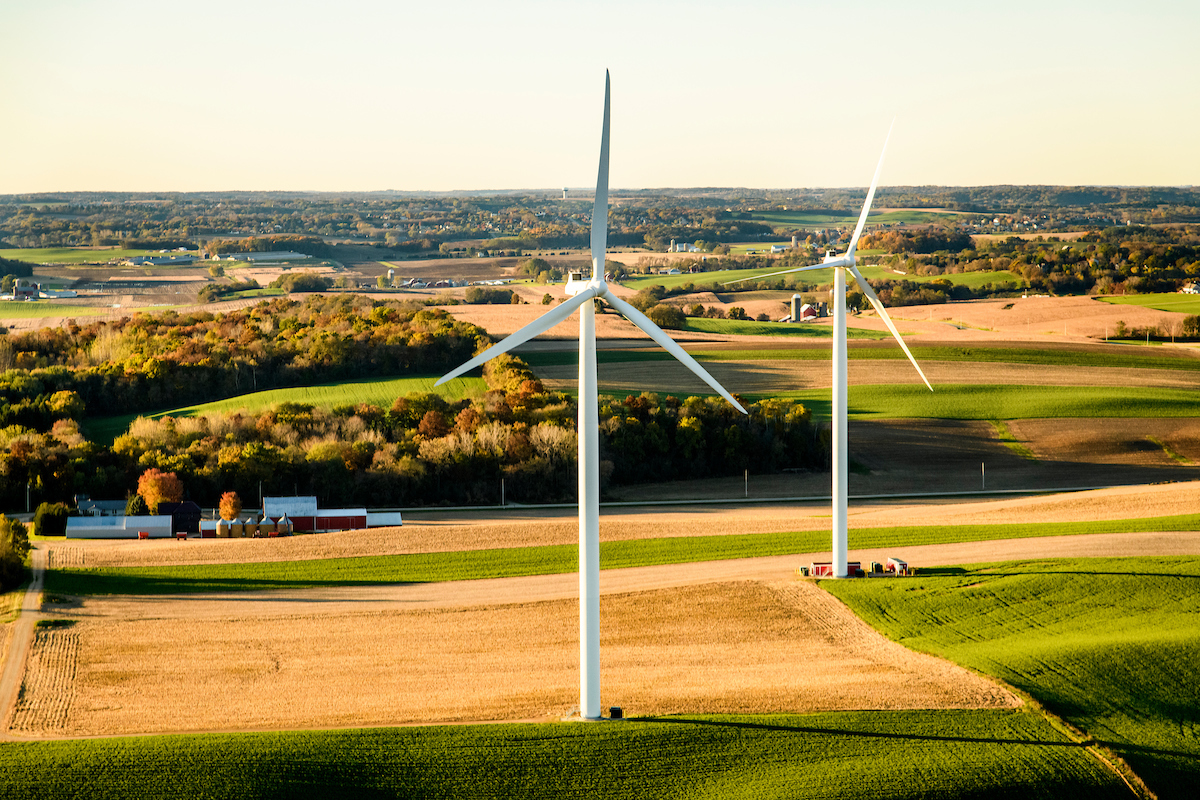
Kelly Scott lives on a small 5-acre beef cattle farm in the town of Darien that’s been in her husband’s family for generations. She said it’s not a lifestyle she imagined growing up, but she loves it.
“It’s a cool feeling to raise your kids with life values, (like) hard work,” Scott said. “It’s funny. When you marry somebody that is so passionate about it, you all of a sudden find yourself becoming so passionate.”
But Scott said she’s worried their lifestyle could be affected by a natural gas power plant that’s being proposed in the town of Darien. She fears the plant could change the rural farming community’s way of life, lead to negative environmental impacts and negatively affect the health of animals and children.
News with a little more humanity
WPR’s “Wisconsin Today” newsletter keeps you connected to the state you love without feeling overwhelmed. No paywall. No agenda. No corporate filter.
That’s why she launched an online petition to block the project. Nearly 900 people have already signed. She said another 400 people have signed a paper version.
“At this point, we’re fighting for our kids, and what’s going to happen to them long-term, and then what’s going to happen to the other factors in our environment,” Scott said. “We’re a rural farming community, and we need to fight for preserving our way of life.”
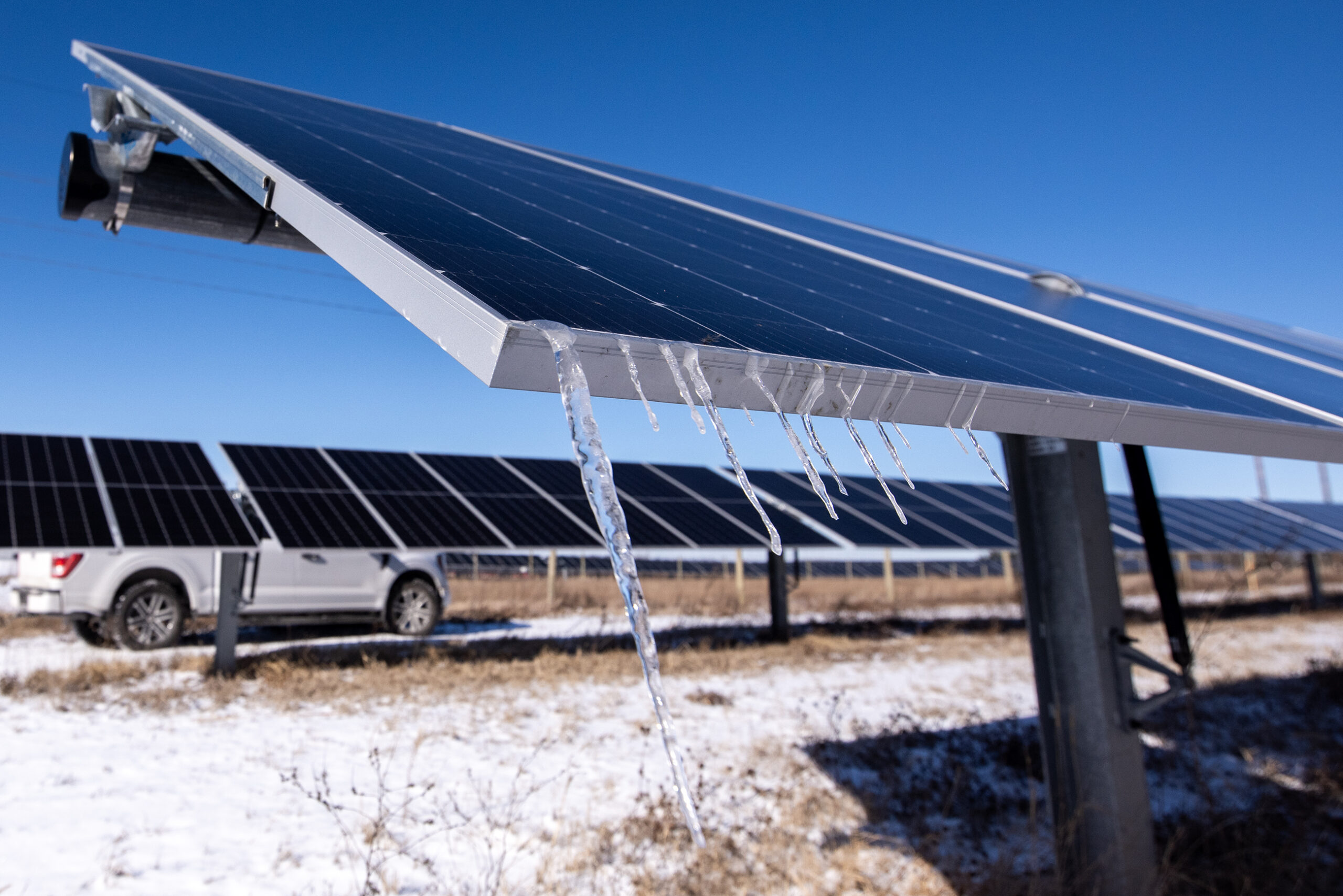
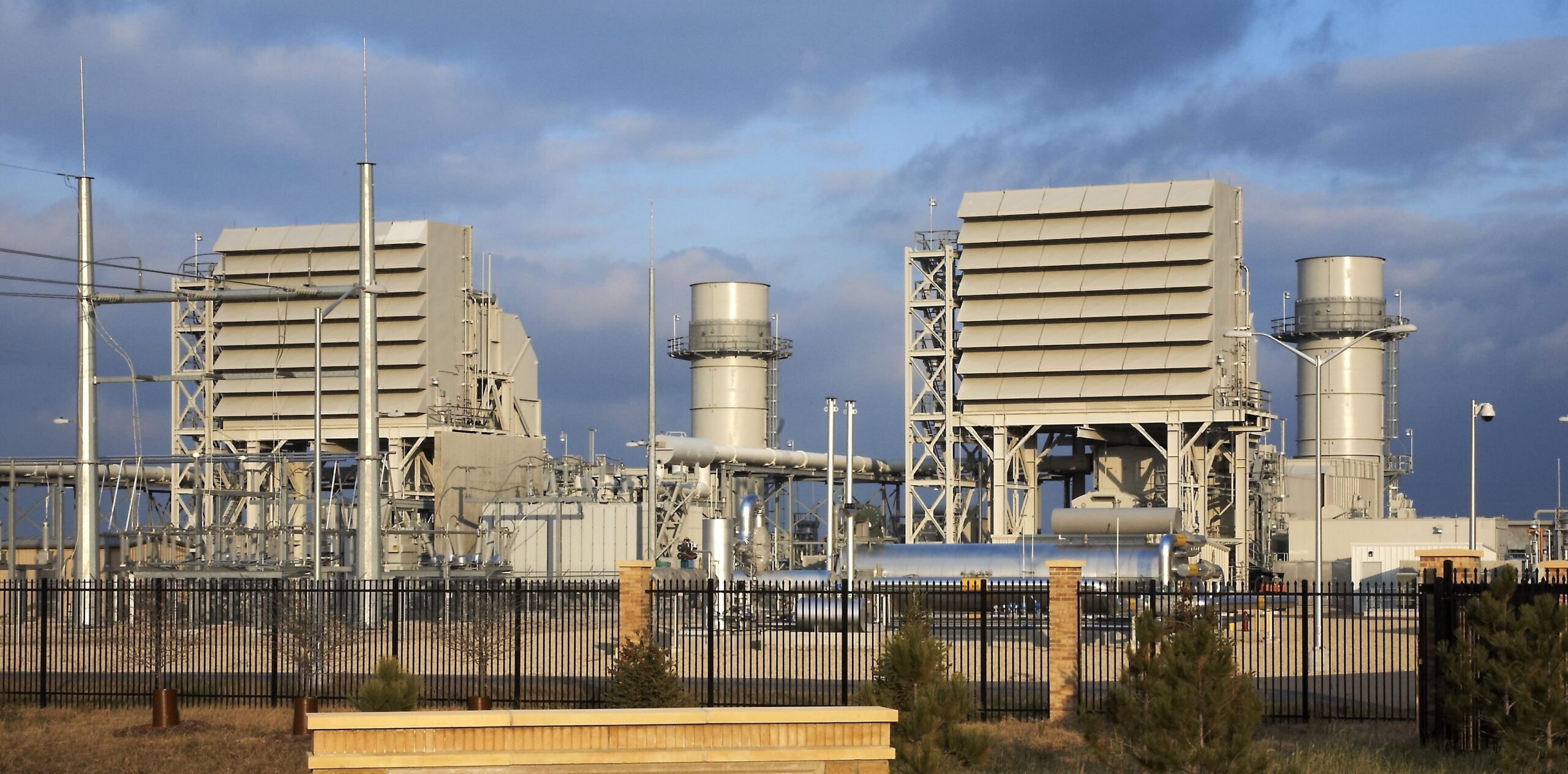
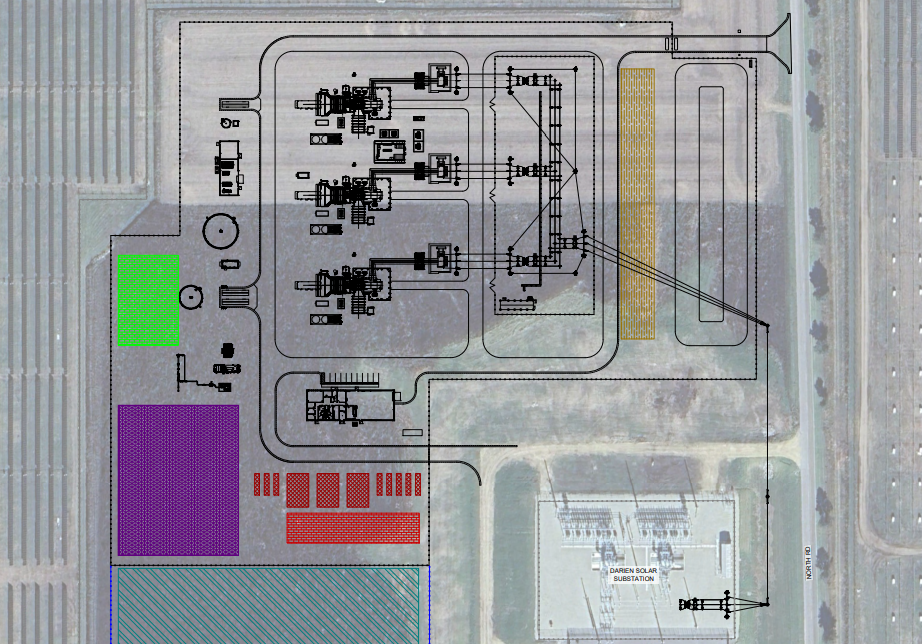
Chicago-based developer Invenergy has filed an application with the state Public Service Commission to build a three-turbine, 324-megawatt natural gas power plant on the site of the Darien Solar Energy Center in Walworth County. The solar farm came online earlier this year.
The Darien gas project, dubbed the Foundry Ridge Energy Center, would be a peaker plant that’s used to respond to spikes in energy demand, according to the developer’s application.
“Although the Facility will be designed for continuous service, Foundry Ridge anticipates it will primarily operate during periods of peak electrical demand,” Invenergy’s application reads.
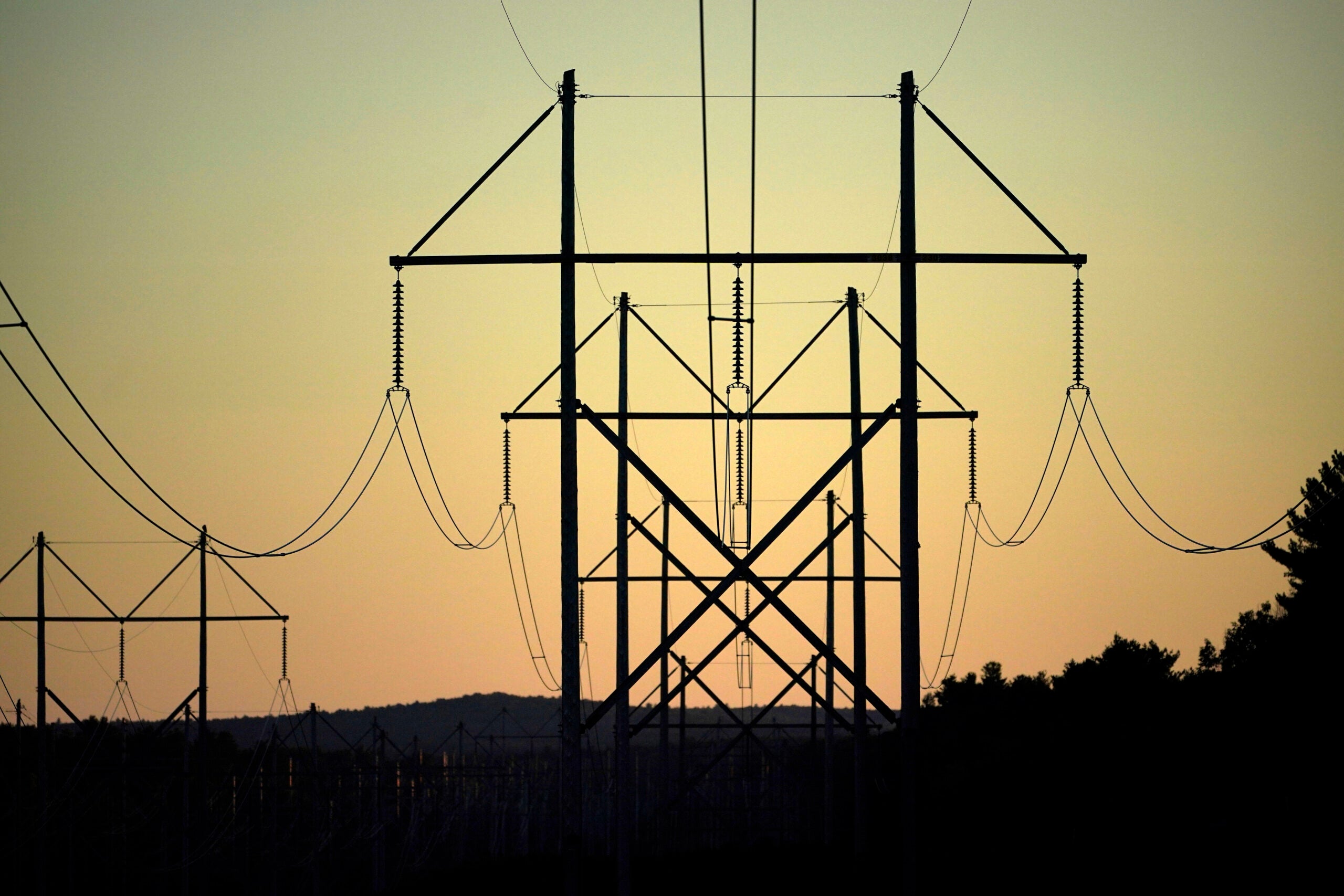
The plan comes as a slew of data center projects are underway or in the proposal phase in Wisconsin. The growing industry is expected to dramatically increase demand for electricity.
Invenergy hopes to begin construction on the gas plant sometime in 2026 and complete construction in early 2028, according to the application.
The company announced the project locally in March and held outreach meetings with the community in May and August. The project could generate about $940,000 each year in new county and town revenue, based on the state’s Shared Utility Aid program formula, according to Invenergy.
In a statement, Invenergy developer Johnny Shelton said electricity demand in Wisconsin is growing, and the gas plant in Walworth County would provide “responsive and reliable power when it’s needed most.”
“Hosting public meetings and having conversations with neighbors is an important part of this process,” he said in the statement. “And we look forward to continuing our work with the community to bring jobs and workforce opportunities, affordable energy and a stronger economy to the area.”
If approved, Invenergy could sell the project to a Wisconsin utility, as it did with solar projects it developed in the town of Paris and the town of Darien. Both of those solar farms are coowned by We Energies, Wisconsin Public Service and Madison Gas and Electric.
Brendan Conway, a spokesperson for WEC Energy Group, parent company of We Energies and Wisconsin Public Service, said the company is aware of Invenergy’s proposed natural gas project in Darien.
“As Wisconsin’s energy needs continue to grow, it is clear that additional quick-start, always-available generation will be essential to provide customers the reliable power they depend on,” Conway said in an email.
A spokesperson for Madison Gas and Electric said via email the utility “does not have any agreements in place related to Foundry Ridge.”
Earlier this year, the Public Service Commission approved a pair of new natural gas plants in southeast Wisconsin to meet projected growth in energy demand related to data centers and industrial development. And environmental groups are worried more fossil fuel plants are on the way, which they say would worsen the effects of climate change.
Amy Barrilleaux, a spokesperson for the nonprofit Clean Wisconsin, said burning more natural gas will contribute to climate change because it produces carbon dioxide emissions as well as releases methane.
“When you’re fracking, drilling or transporting gas, there are going to be releases of methane into the atmosphere,” she said. “That is extremely concerning because methane has a more than 80 times greater warming potential than CO2 over a 20 year time span.”
Barrilleaux said utilities and developers are rushing to embrace natural gas because “it brings them a bigger profit.” She pointed to the smokey air in Wisconsin over the last week as an example of the harmful effects of climate change.
Beyond climate change, Barrilleaux also said burning natural gas produces nitrous oxide, which combines with other airborne pollutants to form particulate matter and ozone.
“Those are both very unhealthy to breathe in,” she said. “You’re compounding the problem that Wisconsinites are already facing.”
Utilities have promoted the development of gas-fired power plants as having less impact on the environment than aging coal-fired plants.
While environmental groups have been critical of recent natural gas proposals, unions have been more open to them for the construction jobs they can create.
Kent Miller, president and business manager for the Wisconsin Laborers’ District Council, said his members previously worked on the Darien solar project. He said he expects that the Darien gas project could generate around 150 union jobs during peak construction.
“Our members work project by project. … They string project by project (together) to make a career,” he said. “Every time that we can advocate and support for another project, especially something of this size, which is a multi-year project, that helps our members secure more years of work to build that career in construction.”

Wisconsin Public Radio, © Copyright 2026, Board of Regents of the University of Wisconsin System and Wisconsin Educational Communications Board.