Krystal Westfahl recalls that in the past several years, an annual festival held on the fourth weekend of September in Minocqua has seen snow, sleet, hail, rain and temperatures in the 90s.
Westfahl, president and CEO of the Minocqua Area Visitors Bureau, called the fall season changes over the past several years there “dramatic.”
“It’s the unpredictability of it that is really starting to change the way people travel and plan for travel,” she said during an interview on WPR’s “The Larry Meiller Show.”
News with a little more humanity
WPR’s “Wisconsin Today” newsletter keeps you connected to the state you love without feeling overwhelmed. No paywall. No agenda. No corporate filter.
Research backs up Westfahl’s experience of Wisconsin’s changing weather.
Natalie Chin from the Wisconsin Initiative on Climate Change Impacts, or WICCI — which publishes solutions-based climate reports — said there are nuances to those changes based on seasons and geography.
“But the high-level message is really that Wisconsin weather is getting warmer, wetter and more extreme,” Chin said.
Chin and Austin Holland from WICCI, and Westfahl, joined “The Larry Meiller Show” to discuss the relationship between climate and recreation in Wisconsin.
Make it snow, make it snow, make it snow
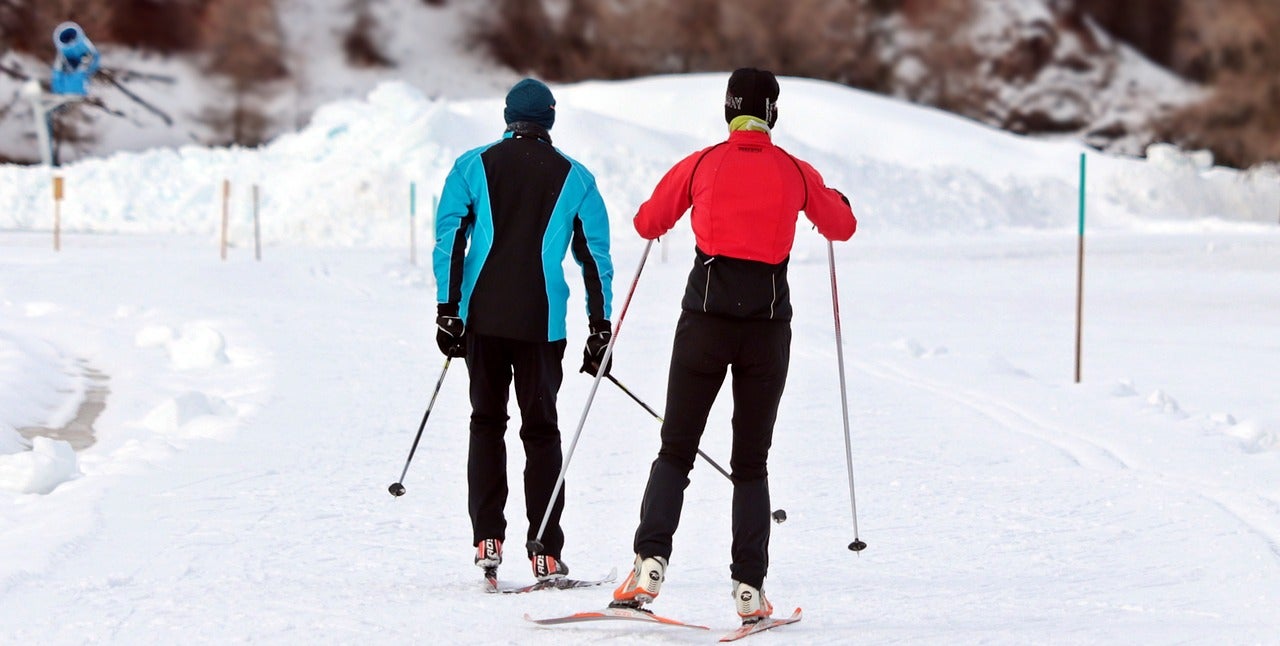
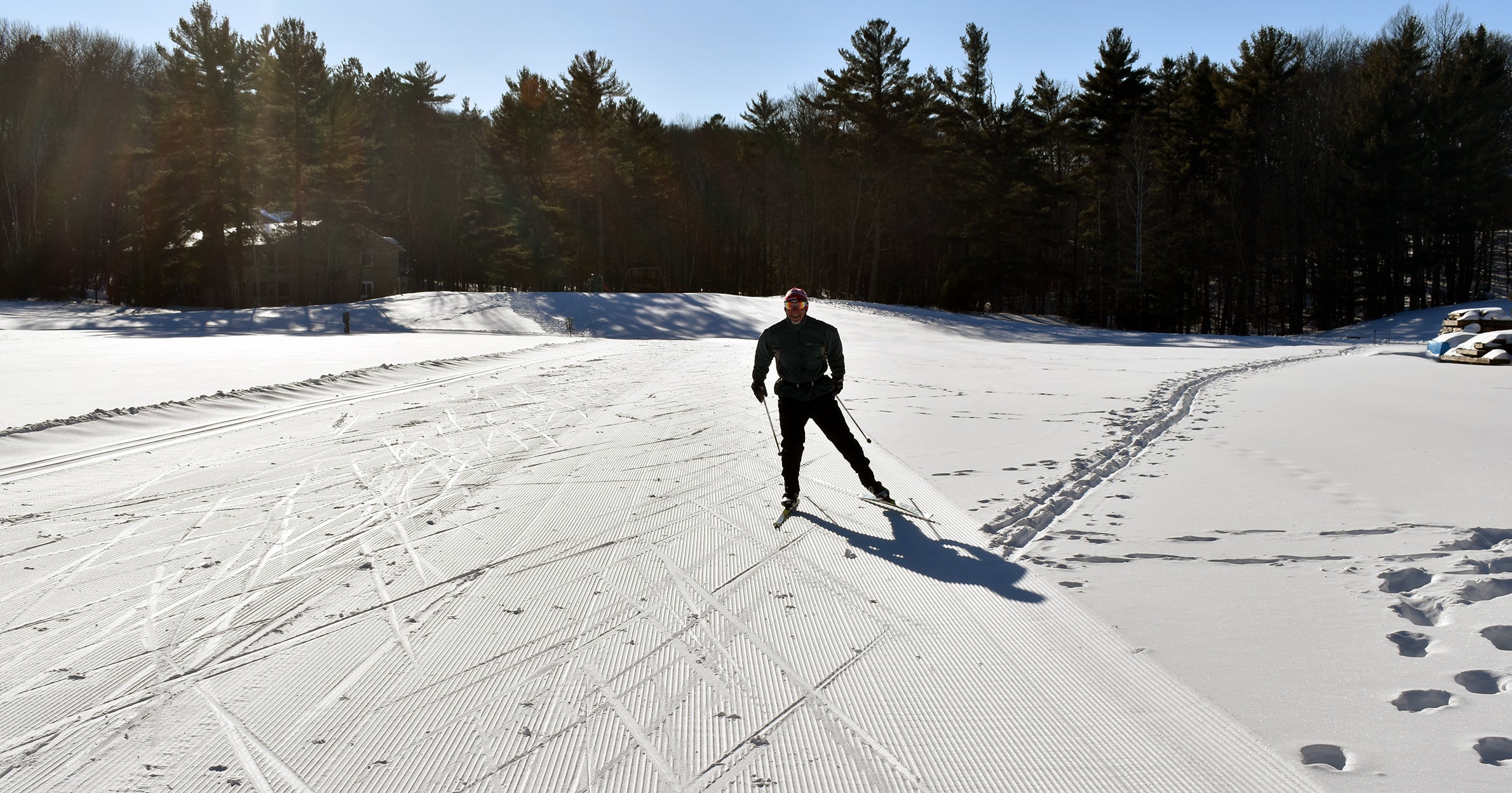
Perhaps the most dramatic outdoor recreation challenges are occurring due to Wisconsin’s increasingly mild winters, a hypothesis that WICCI sought to clarify during a recent study on climate change and downhill skiing activity in the state.
Maggie Kinney, a co-owner of Badlands Snow Park in Hudson, added insight on the financial impacts of Wisconsin’s warm-up, noting it’s costly.
“We are spending a ton more money investing in snowmaking equipment,” Kinney said. “One of the last machines we bought was $55,000. So, it’s not cheap.”
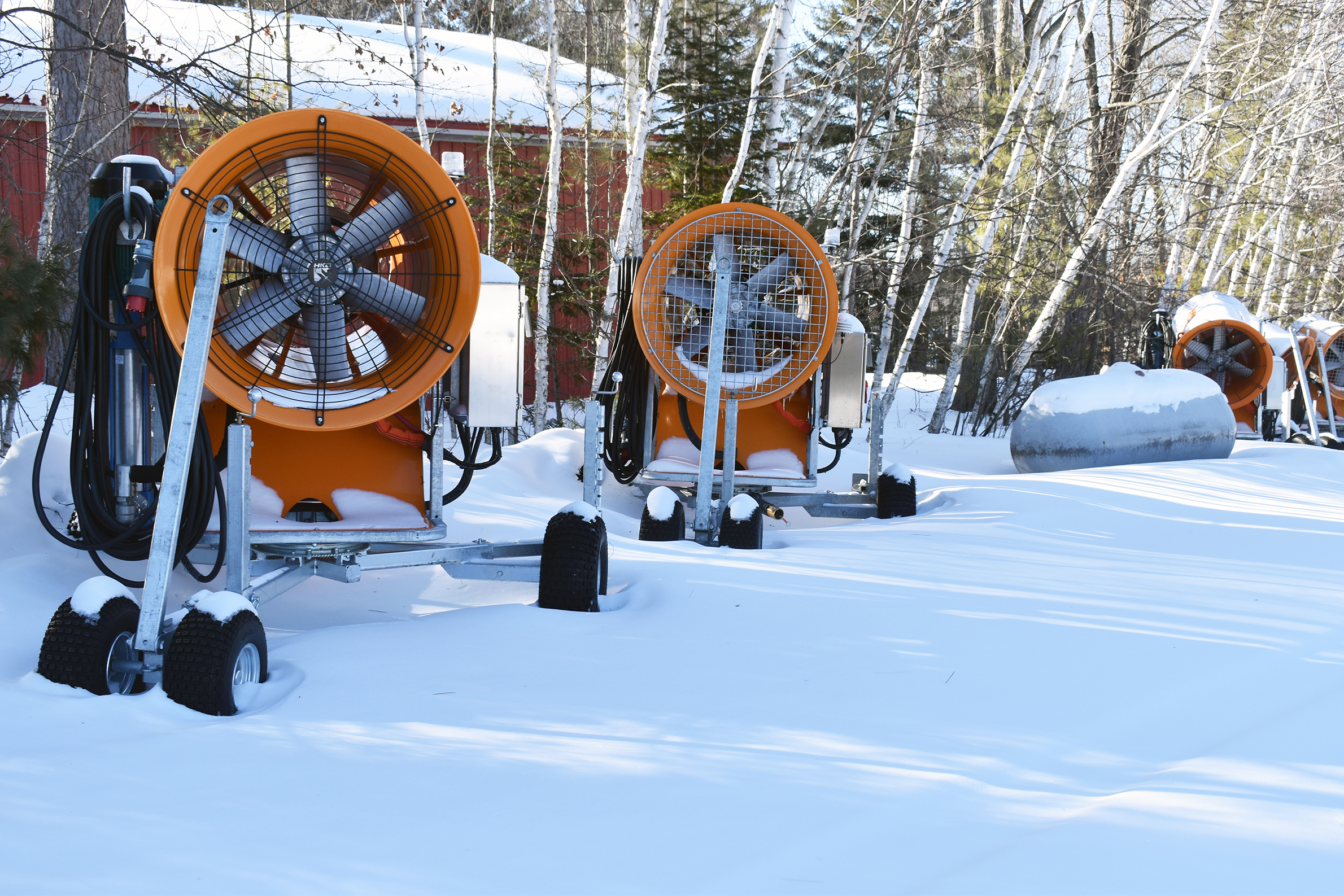
“Snowmaking was the No. 1 thing mentioned by all our study participants,” Holland said. “We found that businesses had initially invested in snowmaking to enhance what they offered, and now they are really relying on it to make sure they have snow so people can have the experiences they’re expecting.”
Summertime and the livin’ is … hot
WICCI’s studies have theorized that Wisconsin’s increasing temperatures in the summer could lead to the warm-weather recreation season becoming “doughnut-shaped.”
“Folks in the middle of summer may choose not to participate in outdoor activities just because of the unpleasant conditions with high heat and threats related to heat,” Chin described. “So we may see more participation in outdoor recreation shifting to what we call ‘the shoulder seasons’ of fall and spring.”
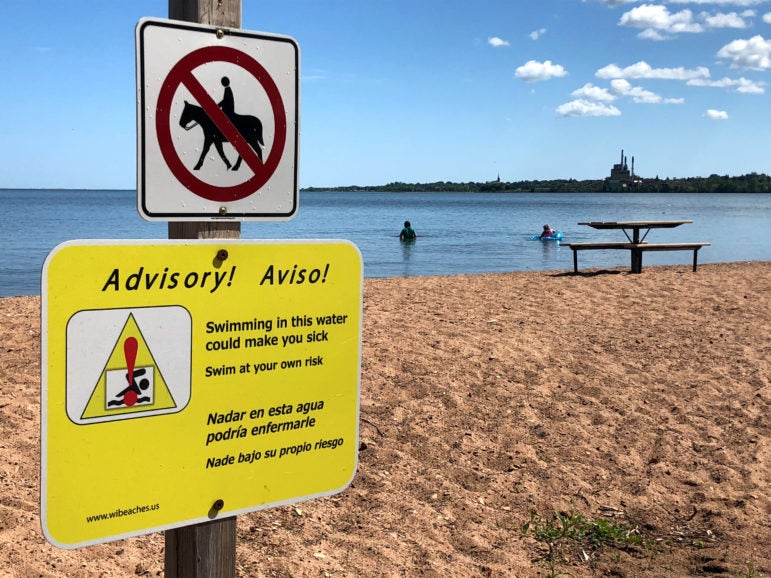
But heat isn’t the only summertime recreation concern brought on by climate change.
“We are seeing increases in blue-green algae blooms,” Westfahl added. “We are still seeing tourists looking to get in the water, but our concern is that the water isn’t safe for them to be recreating in.”
Insects such as ticks and mosquitoes are also more prevalent in warmer weather.
“We’re definitely seeing a bumper crop in ticks,” Westfahl cautioned. “Lyme disease and all tick-borne illnesses are on the rise here in the Northwoods. So, if you’re traveling with your pets, make sure you get them on a preventative.”
Just being able to breathe clean air has also been a hot topic recently.
“Air quality has come up because of wildfires and the effect that it has on folks who are participating in outdoor recreation,” Chin observed. “There’s a lot of work going on around wildfires to understand how that is going to change in Wisconsin. I know it affects how I feel when I go outside.”
Seasons of hope
Despite challenges, Westfahl said she believes there is reason for optimism: “I hate to always think about it as doom and gloom. We just have to learn to adapt and mitigate any further damage.”
She cited the Hodag Dome in Rhinelander, a facility offering 128,000 square feet of space for numerous recreation pursuits, as an example of a community adjusting wisely to outdoor recreation challenges.
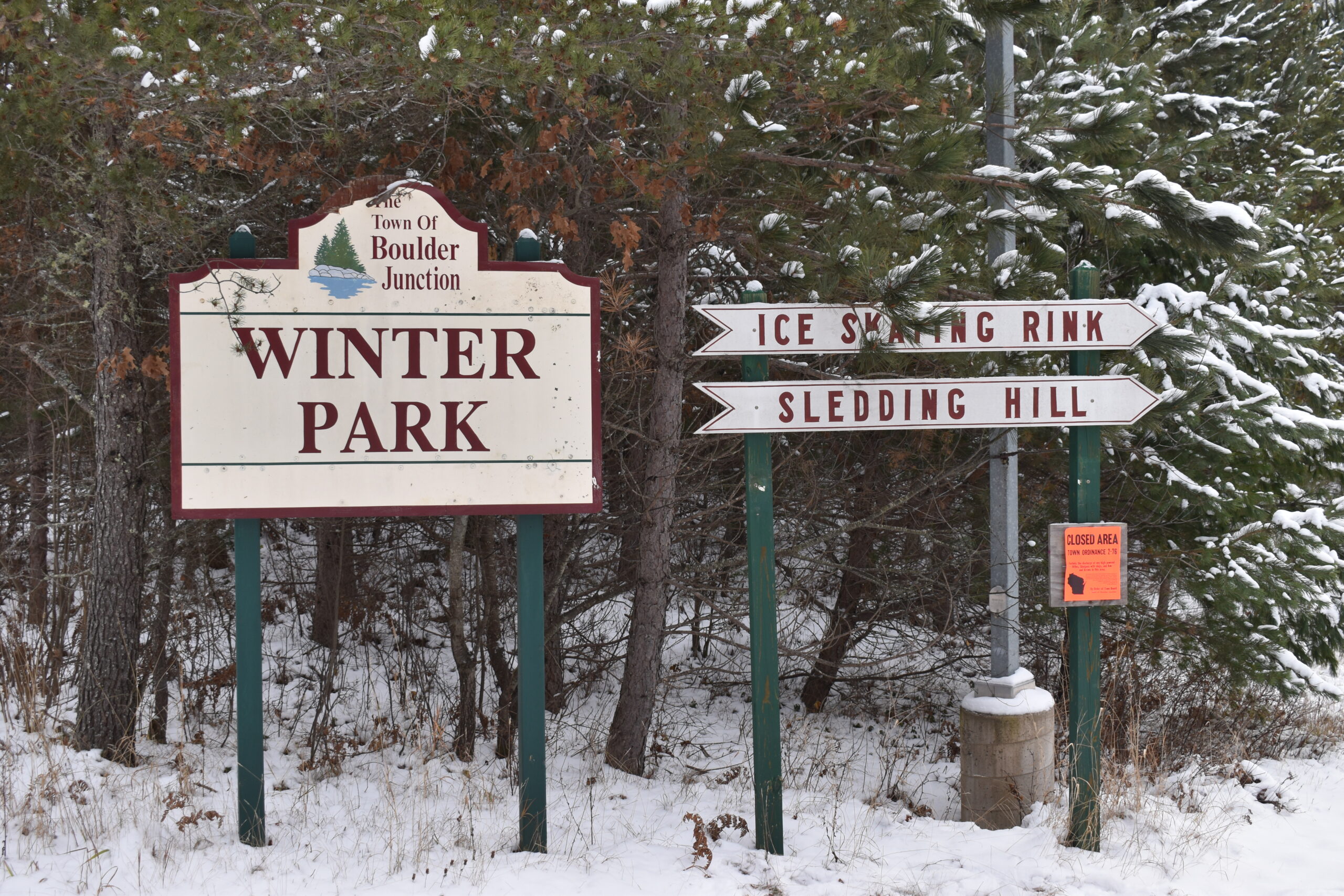
Chin pointed to ‘The Glide’ ice skating ribbon in Boulder Junction, a near mile-long ice trail that winds through the Northern Highland-American Legion State forest, as “a great example of creativity in the outdoor recreation industry.”
Holland agreed that Wisconsin’s recreation outlook is favorable: “There’s a bunch of creative things going on. We can have a bright future.”