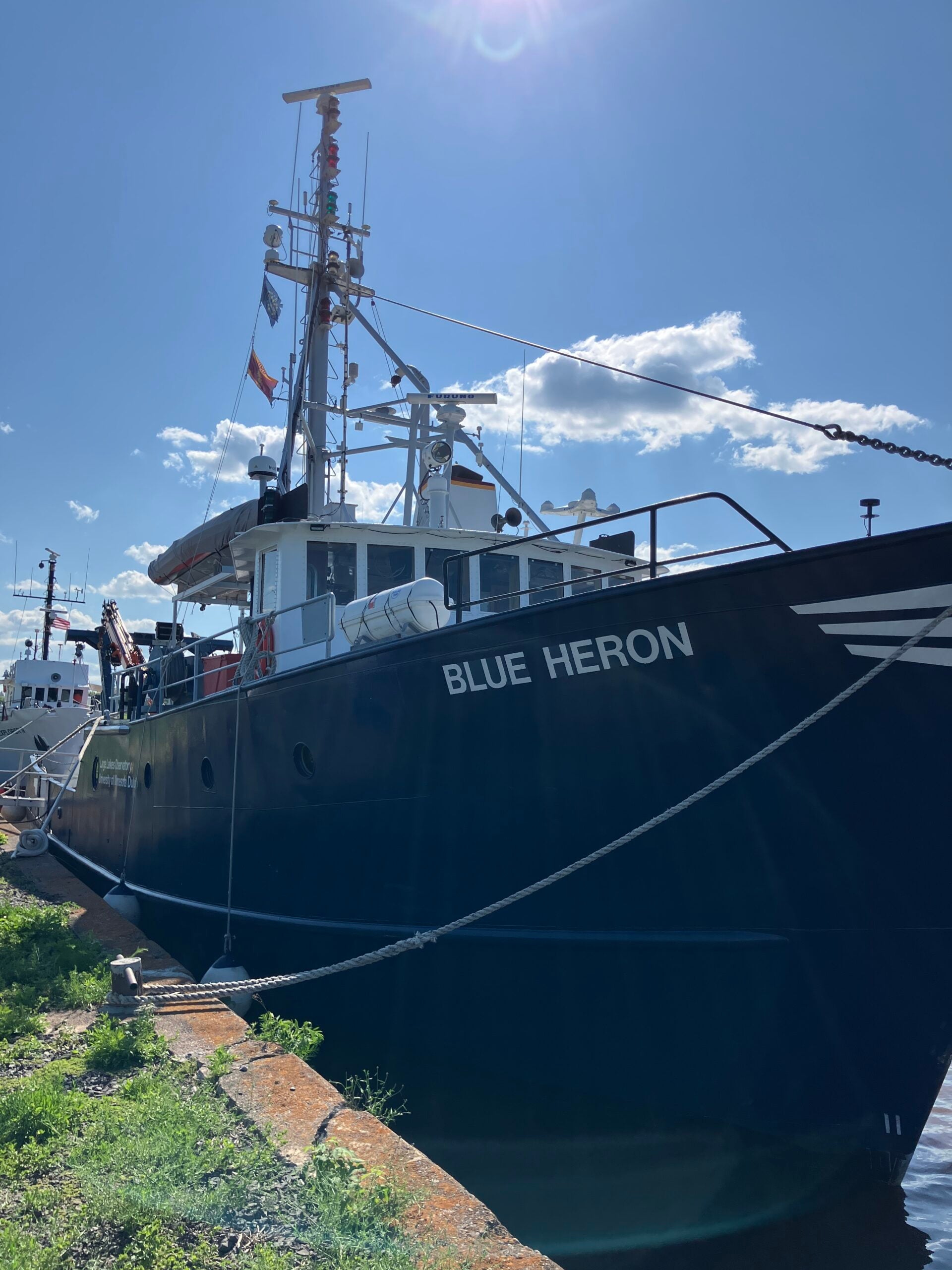
Although the RV Blue Heron is owned by the University of Minnesota’s Large Lakes Observatory, the research vessel is docked on the Wisconsin side of the bay, and the scientists who conduct experiments aboard it are based in both states and beyond.
“The boat is ferociously expensive,” said University of Minnesota Duluth Physics and Astronomy Professor Jay Austin, who organized a research trip last month. “So when we use it, we make sure to send an invitation out to others who need to get out on the water.”
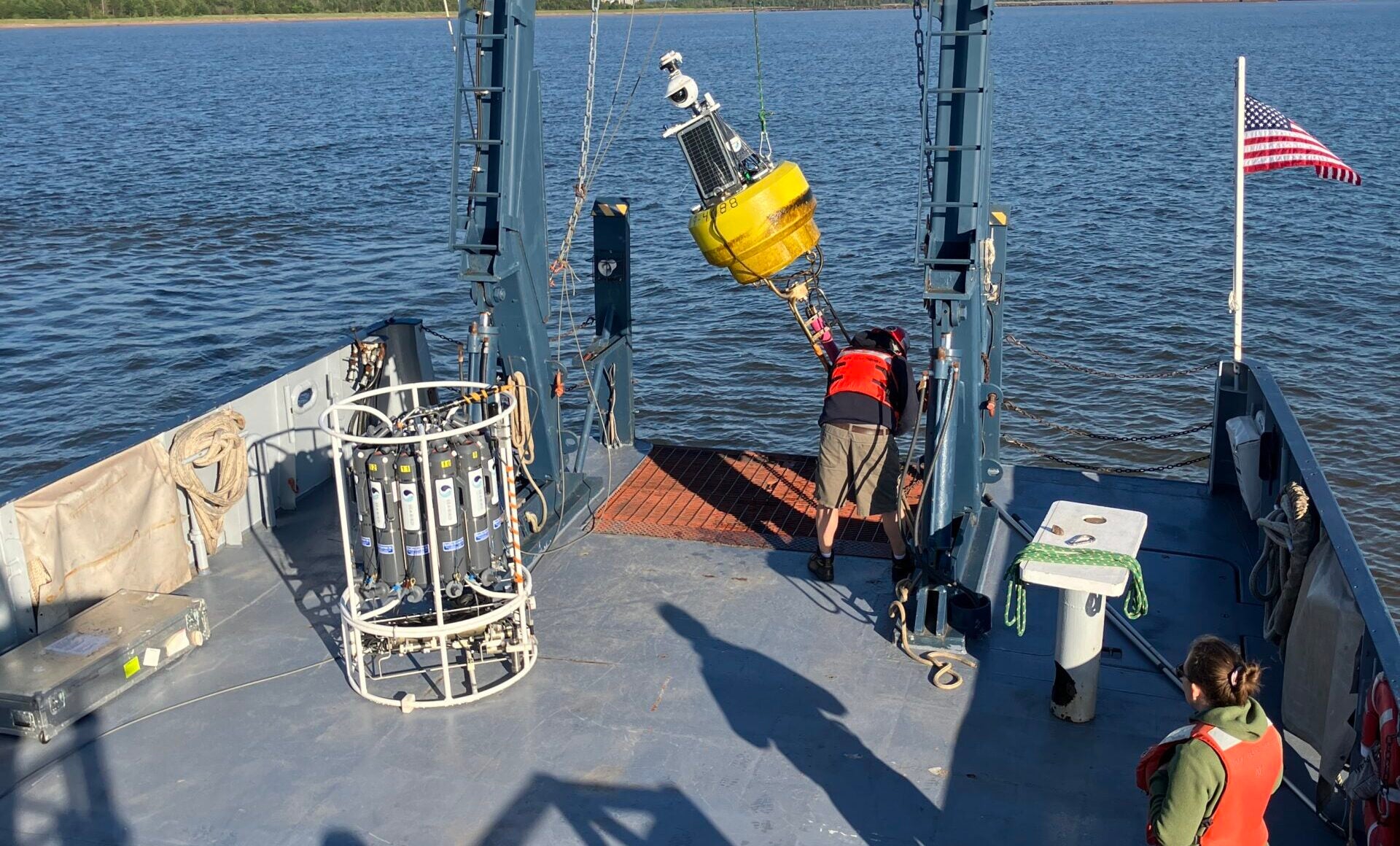
Kait Reinl of the Lake Superior National Estuarine Research Reserve in Superior took up the offer, hoping to rescue a malfunctioning buoy deployed to measure near-shore levels of potentially toxic algae.
News with a little more humanity
WPR’s “Wisconsin Today” newsletter keeps you connected to the state you love without feeling overwhelmed. No paywall. No agenda. No corporate filter.
That repair was scheduled to happen while Austin conducted measurements and experiments further out on the lake during the day-long trip.
Blue Heron Captain Rual Lee also invited WPR’s Robin Washington on the mission to report on the scientists’ work for “Morning Edition.”
This interview has been edited for clarity and brevity.
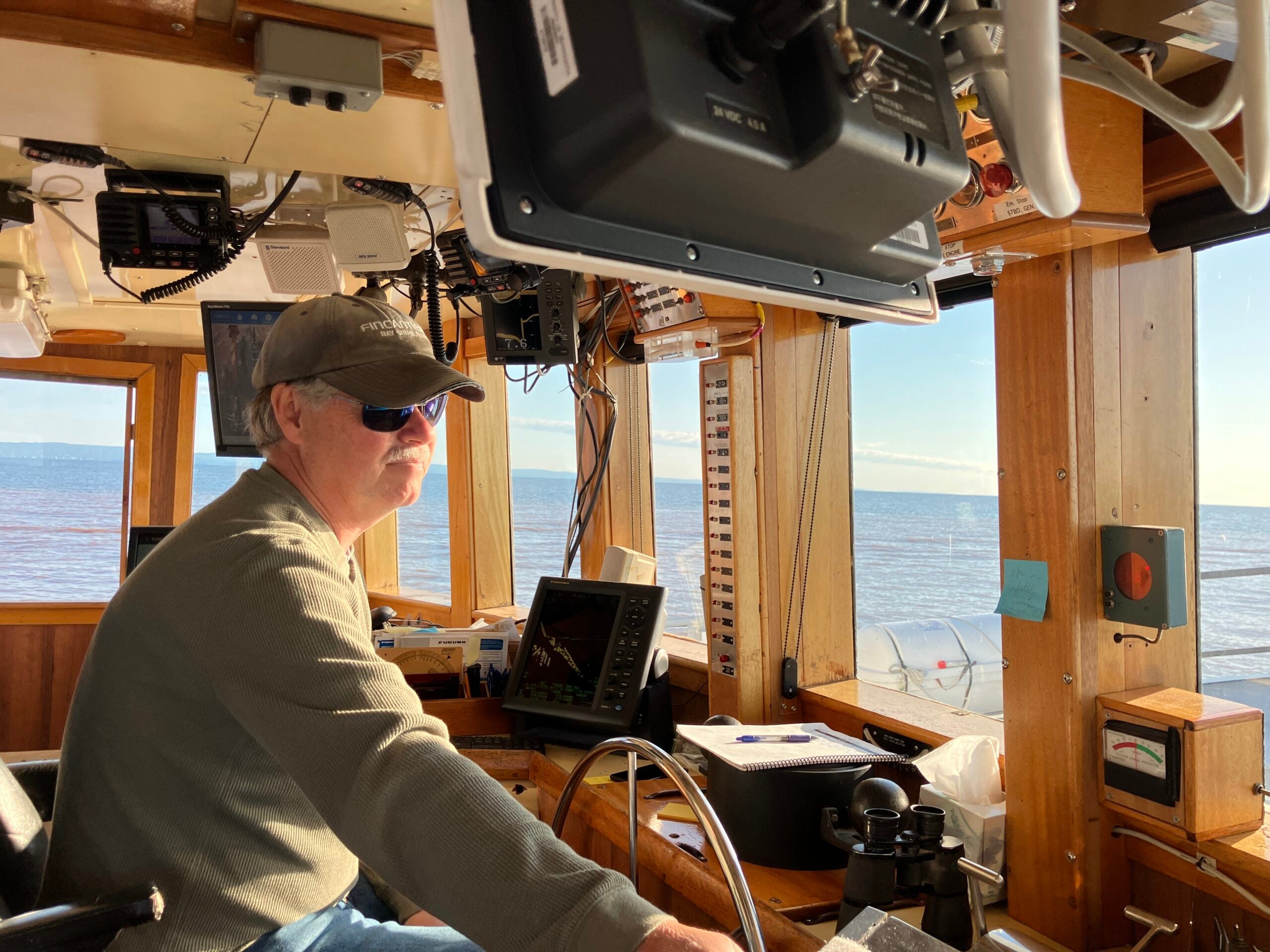
Robin Washington: Tell us about the ship. How long have you been the captain?
Rual Lee: I’ve been the captain since 2014. It’s an 87-foot trawler, built in Portland, Maine, in 1985. The university bought it in 1997. They brought it up here to Superior and did the major conversion at Fraser Shipyards. Things are constantly being upgraded — from the series of winches that we have on the back deck to the bridge electronics and the engine room gear.
There’s a suite of science equipment on the boat. We like to consider ourselves the Swiss Army Knife of research boats; we have everything we need on board to create and make things. We prefer to do it on our dock, but if we need to do it on the boat, we will.
RW: So, this is a rescue mission?
Kait Reinl: Yeah. The modem got fried on our buoy. I was on the phone with technical assistance for hours. They tried turning it on and off.
RW: Like unplugging your computer!
KR: Yeah, exactly! And that didn’t work either. So we’re going to see if we can pull it out and fix it as we’re cruising today.
RW: Algae can be deadly, correct?
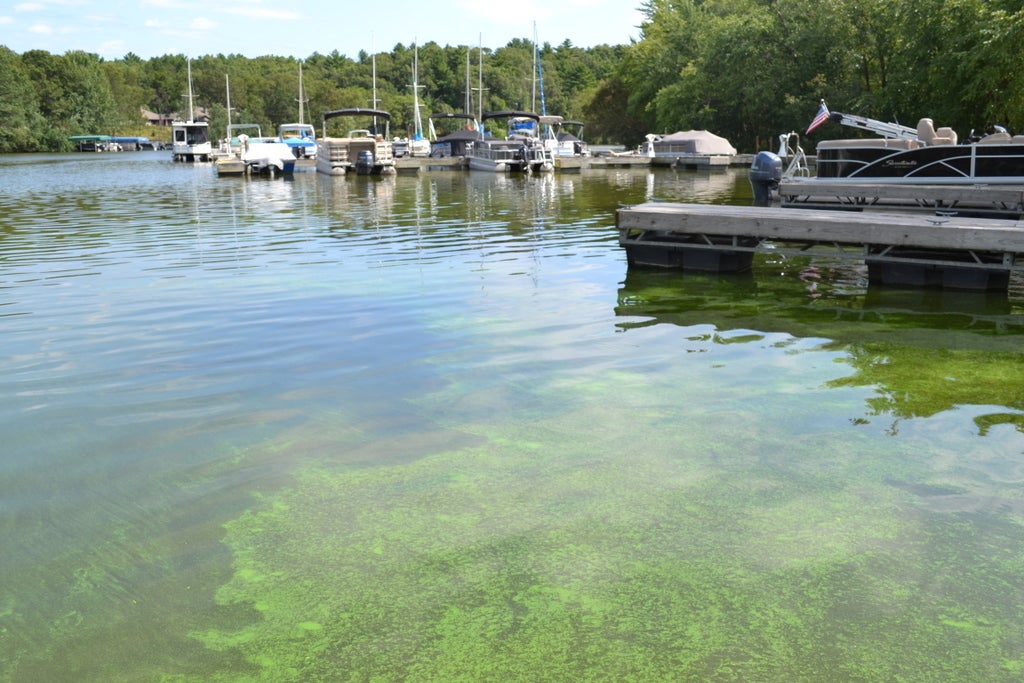
KR: Yes, potentially. One of the reasons we put the buoy out on the near shore was to see if we could capture any kind of near-shore events in terms of phytoplankton and blue-green algae.
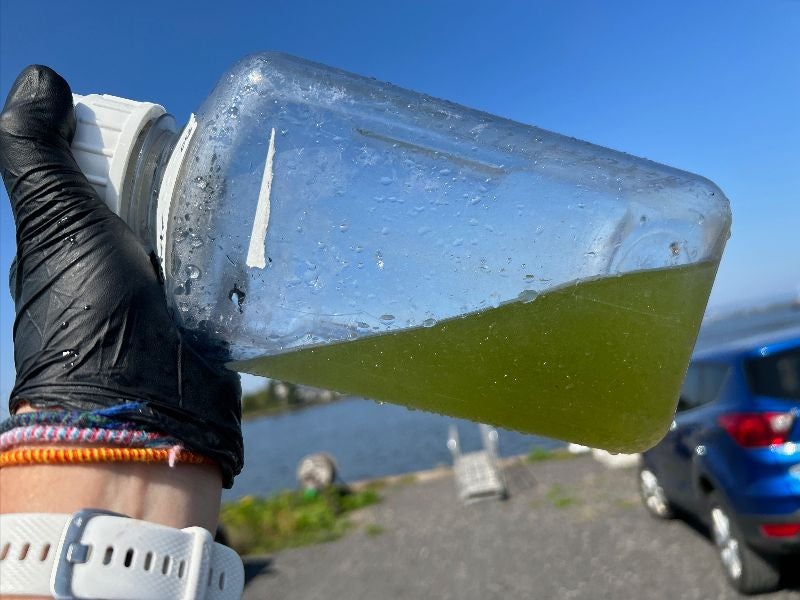
It’s a really big issue that’s affecting parts of the Lake Superior shoreline where people are interacting with the water. So far in Lake Superior, we haven’t been seeing blooms that are toxic. But the thing is you don’t know when you’re looking at a blue-green algae bloom if it’s toxic or not until you test it.
RW: You organized the trip. What are your main activities?
Jay Austin: We have a project to understand how light behaves underwater. We have an optical instrument that we’re going to lower through the water that will tell us in significant detail about the light environment underwater.
The other thing we’re doing is we have a mooring that we left here in April and we will be pulling that out of water (to read data).
RW: Unlike the buoy, your mooring is below the surface and needs to be brought up in order for its data to be retrieved. Does it need to be repaired also?
JA: No, it’s fine. I just need the data and I won’t get it until I bring it up. For (the water quality probes), a cable we’ll use has electronic conductors that talk to a computer. It shows temperature as a function of depth.
Other things (it detects) are the amount of oxygen in the water, how clear the water is, how much light is in the water.
RW: You helped the National Estuarine Research Reserve team and were able to repair the buoy for them during the trip. What was wrong?
JA: There were some irregularities with how it was wired inside. The weird thing is, parts of it were just fine and had been collecting data the whole time. It’s just that the radio was refusing to connect. But we got all the work done that we needed. It was just a lovely day to be out in the water.
If you have an idea about something in northern Wisconsin you think we should talk about on Morning Edition, send it to us at northern@wpr.org.