Constipation can be an embarrassing topic to talk about, even with a medical professional.
But if left untreated, constipation can lead to serious health issues. Recently Dr. Siegfried Yu, a gastroenterologist at the Gundersen Clinic in La Crosse, joined “The Larry Meiller Show” for an on-point discussion on this often-off-limits topic.
Clarifying Constipation
News with a little more humanity
WPR’s “Wisconsin Today” newsletter keeps you connected to the state you love without feeling overwhelmed. No paywall. No agenda. No corporate filter.
Yu defined constipation as “decreased bowel movement frequency or difficulty evacuating stool.”
Yu would normally consider someone “constipated” after they’ve gone multiple days without a bowel movement, but he said the term could also pertain to someone who is having regular bowel movements and having “trouble emptying” or is straining to go to the bathroom.
Constipation Causation and Counteraction
Perhaps not surprisingly, the road to constipation often runs through diet and exercise.
“The standard American diet has become very fiber deficient,” Yu said. “Along with adequate water intake, making sure that someone has a good intake of fiber are the most important things relating to normal bowel habits.”
So how much fiber and water should we be consuming? According to the USDA’s Dietary Guidelines for Americans, women should aim for 25 grams of fiber daily and men for 38 grams daily. Meanwhile, The Mayo Clinic recommends roughly eight glasses of water a day, noting that other beverages and some foods are good sources of hydration.
What higher-fiber foods can help with constipation?
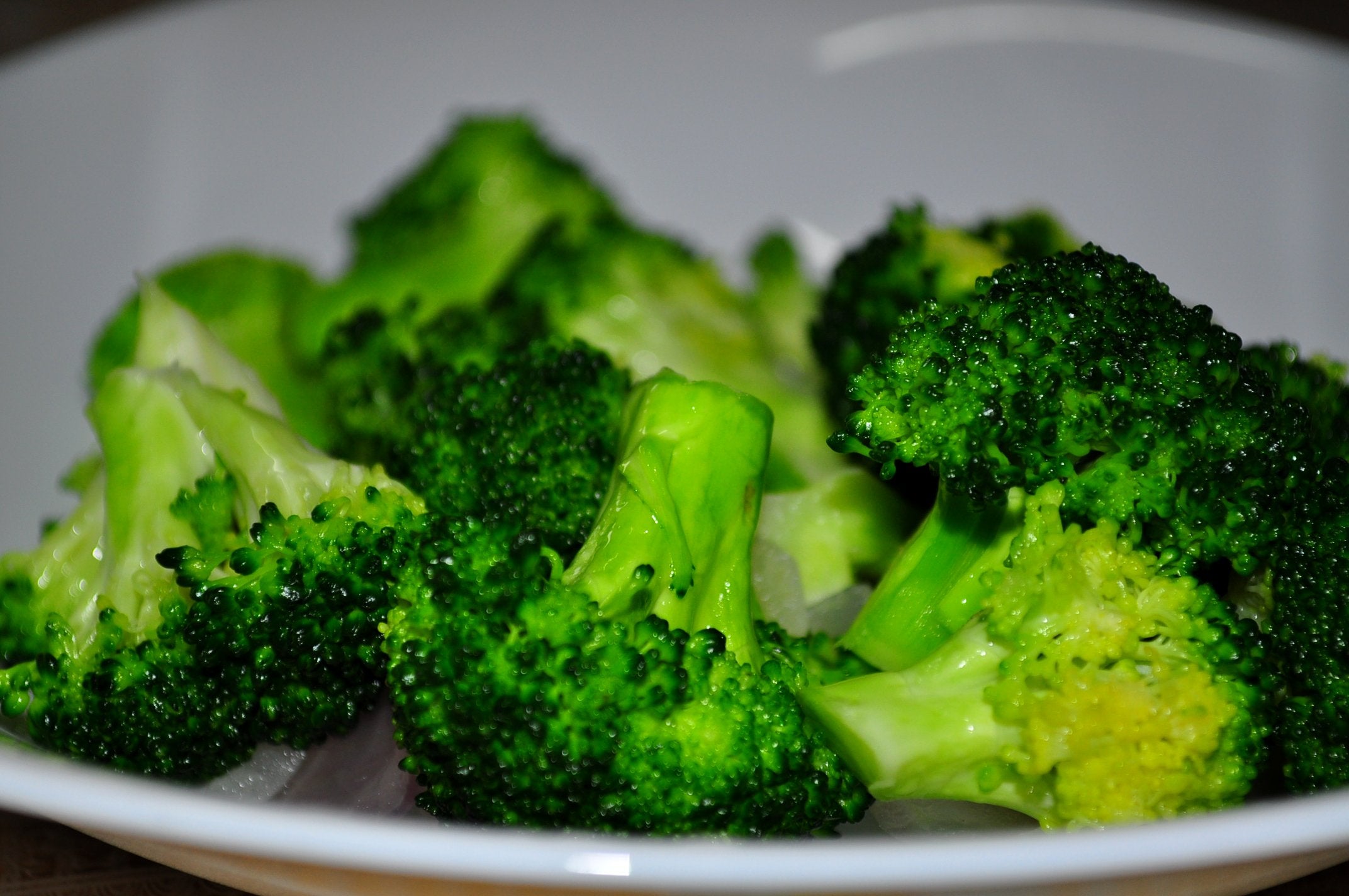
“In general, the more natural and less processed something is, the better,” Yu said. “Generally, the advice I’d give would be more fresh fruits, vegetables and whole grains. Minimizing ultra-processed food is key.”
Exercise also plays a role in maintaining good bowel habits.
Yu recommends at a minimum 30 minutes a day of walking, especially for anyone not engaging in other types of regular activity.

Travel, especially since it often interrupts normal diet and exercise routines, is also a common cause of constipation.
“You may not drink as much. Depending on where you’re going, you might not be moving around as usual. And our diets change with travel,” Yu remarked. “So, fiber intake can be something that we might not get as much of on vacation.”
Yu revealed that other, less common causes for changes in bowel habits can include childbirth, back injuries and other abdominal or pelvic surgeries.
Fiber supplements to combat changes in bowel activity are “less desirable, but perhaps better than nothing,” according to Yu. “It’s also reasonable to use a fiber supplement when trying to bridge the gap between a poor diet and attempting to adjust to heathier dietary choices.”
Yu warned against the long-term use of fiber supplements or laxatives, recommending instead that anyone experiencing persistent changes in bowel habits should seek professional help.

Yu also suggesting seeking the assistance of a physical therapist before undertaking any training program, such as one involving Kegel exercises, in the hopes of strengthening the pelvic floor.
“Sometimes it’s not that the muscles are not strong enough,” he said. “Sometimes the problem is they are not cooperating. We need to be trained to allow our muscles to relax at the proper time. That type of problem needs physical therapists that are trained in that type of management.”
Constipation Consultation
Yu cautioned against leaving constipation symptoms untreated for too long: “When that clog forms, the longer it forms, the more chronic it becomes, and the more difficult it is to unclog.”
If lifestyle changes don’t correct the problem, Yu advised a visit to a gastroenterologist: “Some forms of constipation or diarrhea might be relatively easy to correct, while some people may have more severe issues that could require surgery because of the potential consequences on the gut.”
Yu explained that uncorrected bowel issues can lead to other conditions such as symptomatic hemorrhoids, abdominal wall hernias, hiatal hernias, diverticulosis and irritable bowel syndrome, or IBS.
Symptoms of IBS generally include some components of abdominal discomfort or abdominal pain with an abnormal bowel habit that could include constipation, diarrhea or both.
Underscoring the importance of seeing a gastroenterologist, Yu advised that “If someone is in an age range appropriate for colon cancer screening, new problems with their bowel habits might be an indication of something more serious than constipation or diarrhea.”
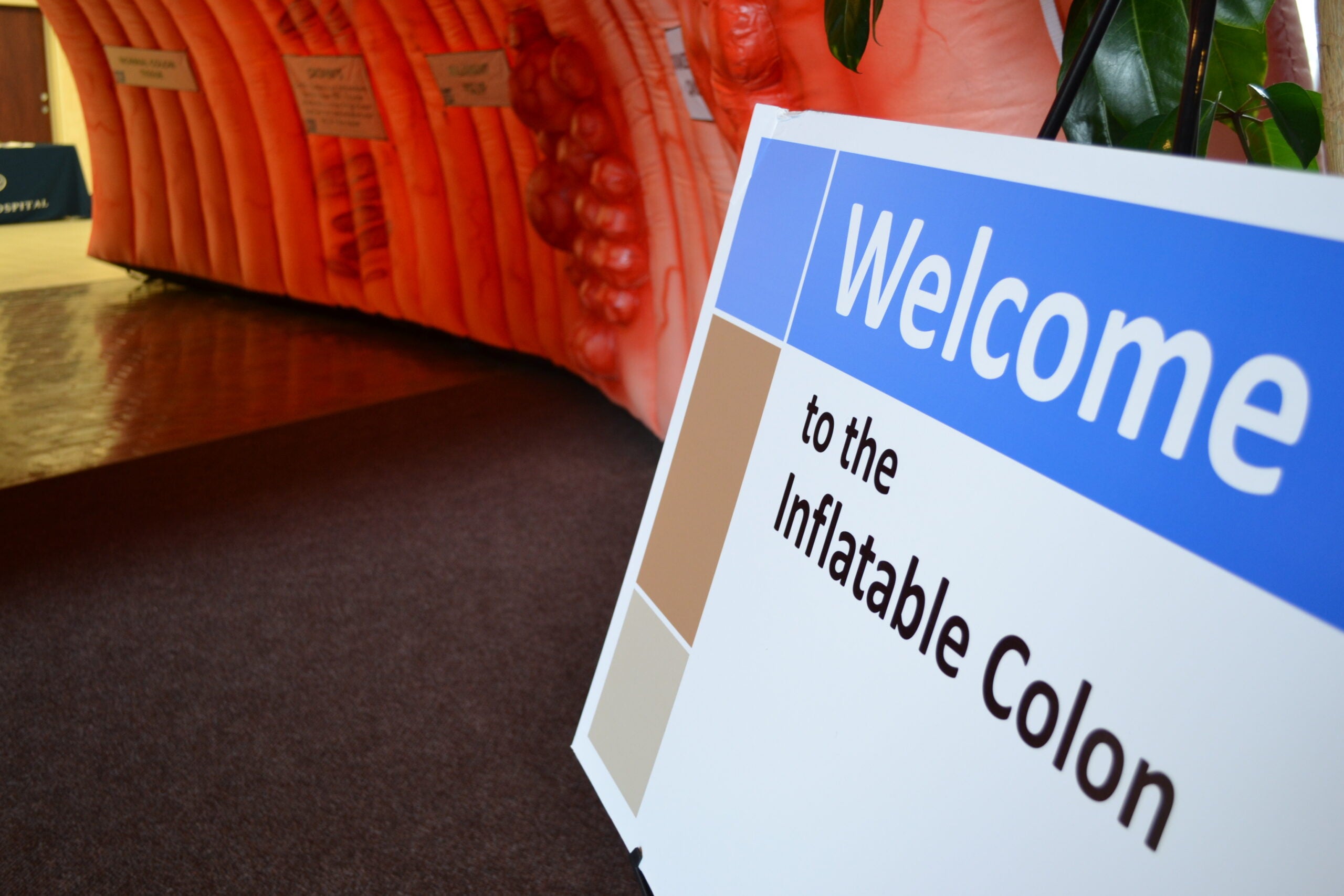
Constipation and Colon Cancer
That “something more serious” could include colon cancer. Yu said whether or not someone is experiencing changes in bowel habits, people should start regular colon cancer screenings at age 45 and continue at least through age 75.
However, depending on a patient’s health and motivation, screening can continue for another ten years: “After age 85, we generally stop standard screening and surveillance.”
When considering when to start colon cancer screening, Yu said “Family history is important. Sometimes we may see younger people diagnosed with even late-stage cancers. So, we must make sure we’re protecting our health and having those things looked at.”
Getting to the bottom of colonoscopies
Probably the best-known type of colon cancer screening is the colonoscopy. Yu admits they’re not everyone’s favorite activity.
“Not everyone will tolerate them the same way. And there’s the psychological aversion to just testing in that area. But I would say that now more than ever we can make it a very comfortable experience for most people.”
Yu pointed to the availability of less invasive, at-home colorectal cancer screening options, but he believes they are of limited value: “It’s better than not doing anything at all.”
But he discourages an all-out avoidance of the more invasive procedure.
“Getting an abnormal test result means you should then get a colonoscopy,” he said.