A new year often brings a resolve to polish up habits. If eating healthier is on your to-do list, you’re not alone. The Pew Research Center in 2024 found that a majority of resolutions prioritized health, diet or exercise.
Laura Poe, a registered dietitian based in Viroqua, said her advice is to keep food goals realistic.
“If you can find a way to make these small, incremental changes, and get some wins under your belt, then you can keep going and make the goals bigger and bigger,” Poe said.
News with a little more humanity
WPR’s “Wisconsin Today” newsletter keeps you connected to the state you love without feeling overwhelmed. No paywall. No agenda. No corporate filter.
Poe joined WPR’s “The Larry Meiller Show” to share her tips on healthy eating, vitamins and weeding through dietary advice online.
The following interview was edited for brevity and clarity.
Larry Meiller: What’s your advice for someone who’s looking to eat healthy and improve their relationship with food?
Laura Poe: With the new year and resolutions coming around this time of year, a lot of people have food on their mind. There are so many avenues you could go down and look to start to improve your diet. And I think it’s a noble venture. I think a goal to eat more protein is absolutely a great resolution.
LM: What are the basics of healthy eating?
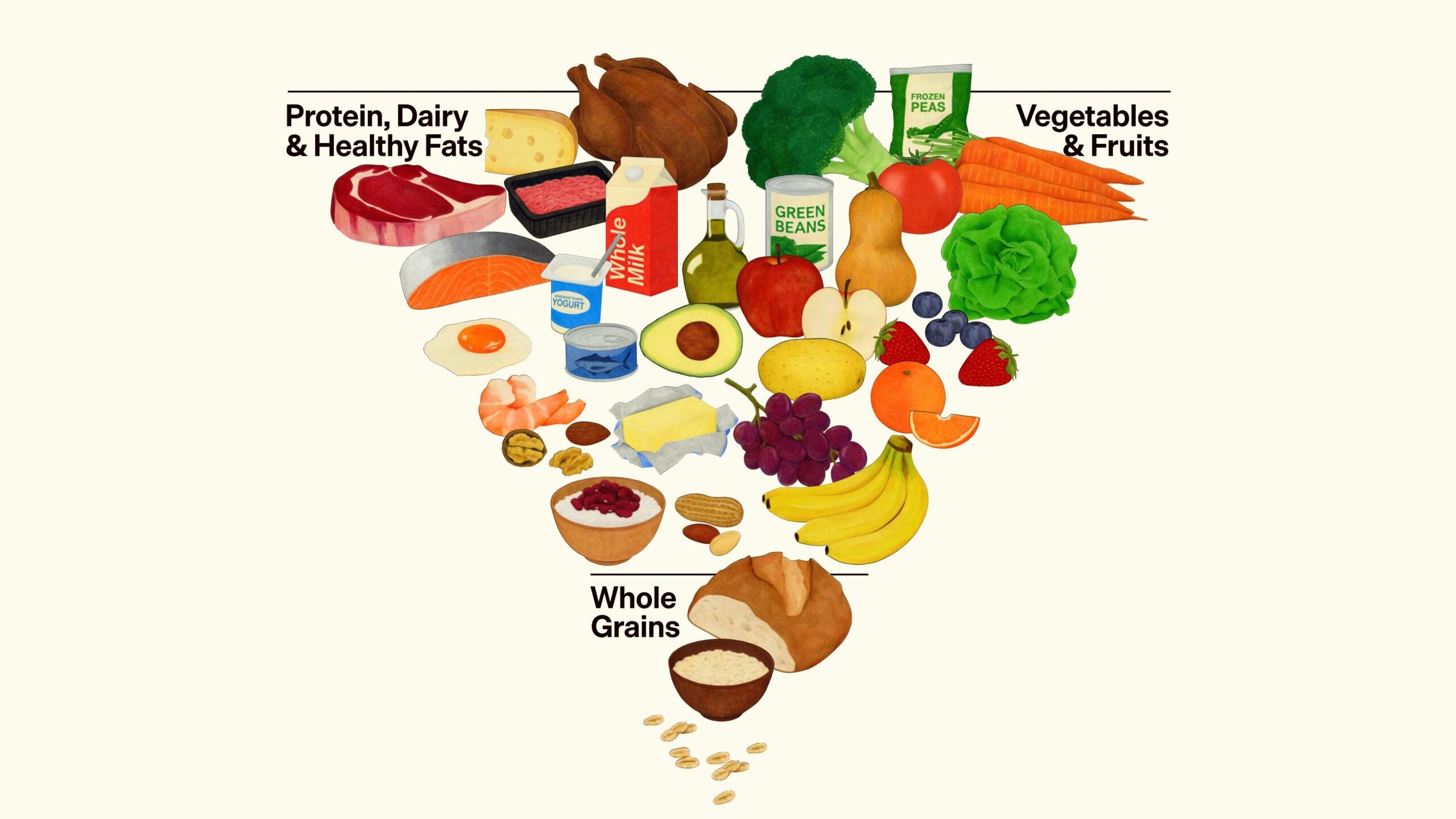
LP: Having a lot of variety. Get as much of your food as you can from whole food sources and from unprocessed or minimally processed foods.
Cook as much as you can of your own food. Having a relationship with your food, either by growing it, if you can, or knowing the person who did grow it, I think is really incredible.
LM: What do you think of the traditional One A Day-type multivitamin?
LP: I don’t typically recommend them. A One A Day doesn’t meet all of your nutritional needs. But also, you don’t absorb all of what is in a multivitamin. You absorb some of it. So if it says 100 percent daily value of whatever vitamins in there, you don’t absorb all of that. That’s just what’s in the pill.
You can get almost everything you need from a whole food diet. If you are not able to get all the nutrients you need, the vitamins and minerals, then supplementing with specific nutrients is typically better.
Now, if a woman is pregnant or nursing, then a prenatal vitamin is a great way to cover all your bases, especially if you have morning sickness and can’t eat.
I would say the average person should focus their time, money and energy on planning out a diet that has meat, eggs, dairy, fruit, vegetables, whole grains, and then fill in the gaps. That’s what they need with specific vitamin or mineral or herbal supplements and not rely on a One A Day to cover all your bases.
LM: People are regularly bombarded with studies about diet and what foods are best for you. So, science kind of evolves, does it not?
LP: Nutrition research is so tricky for a lot of different reasons, but in part because every single person is different. The input of food or a certain nutrient may have different effects on different people and you can find a study that can back up just about anything you want to confirm.
I think it is very tricky to decipher studies, especially if you don’t have a research background. If you’re not a nutrition or medical professional, it can be very overwhelming.