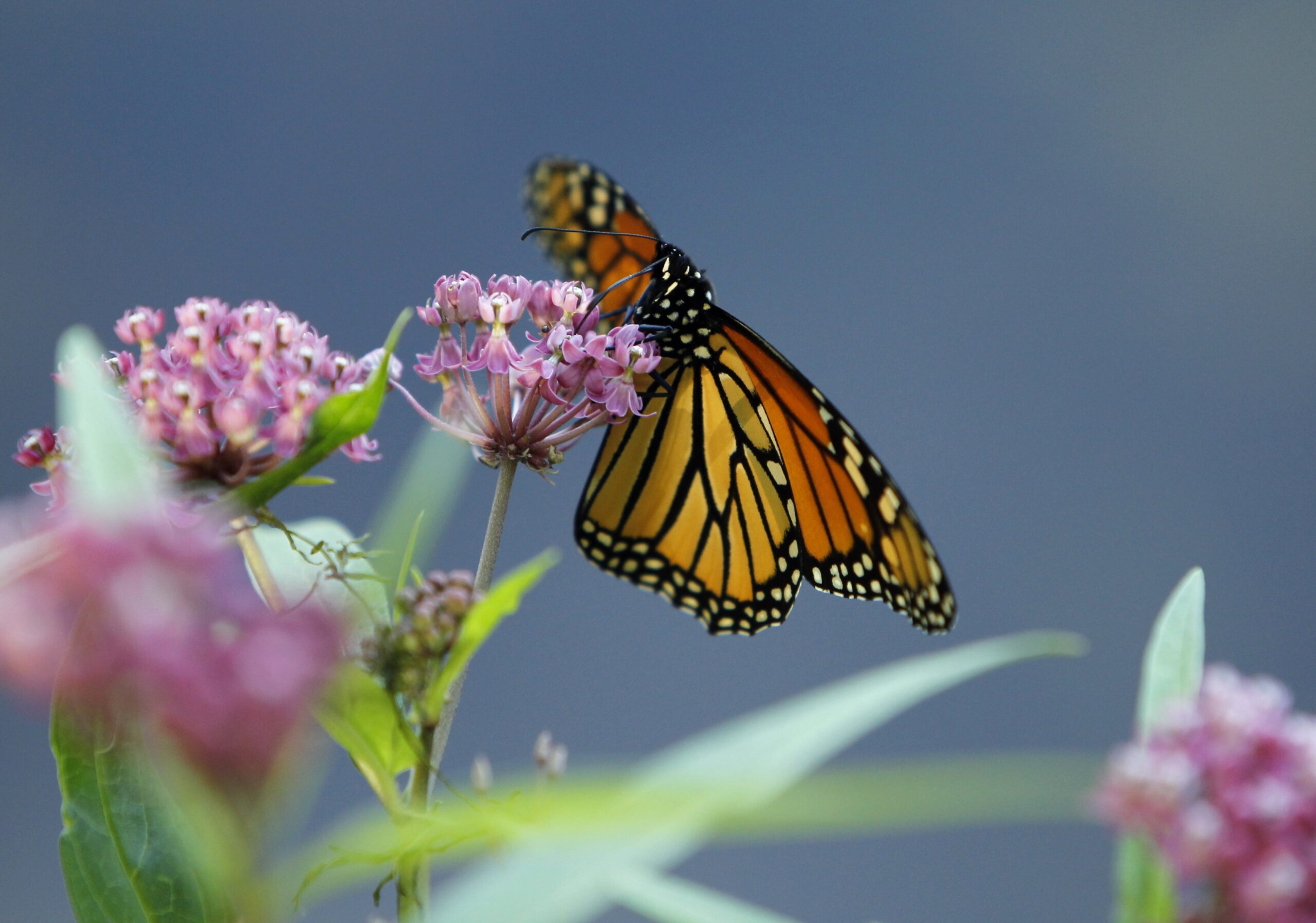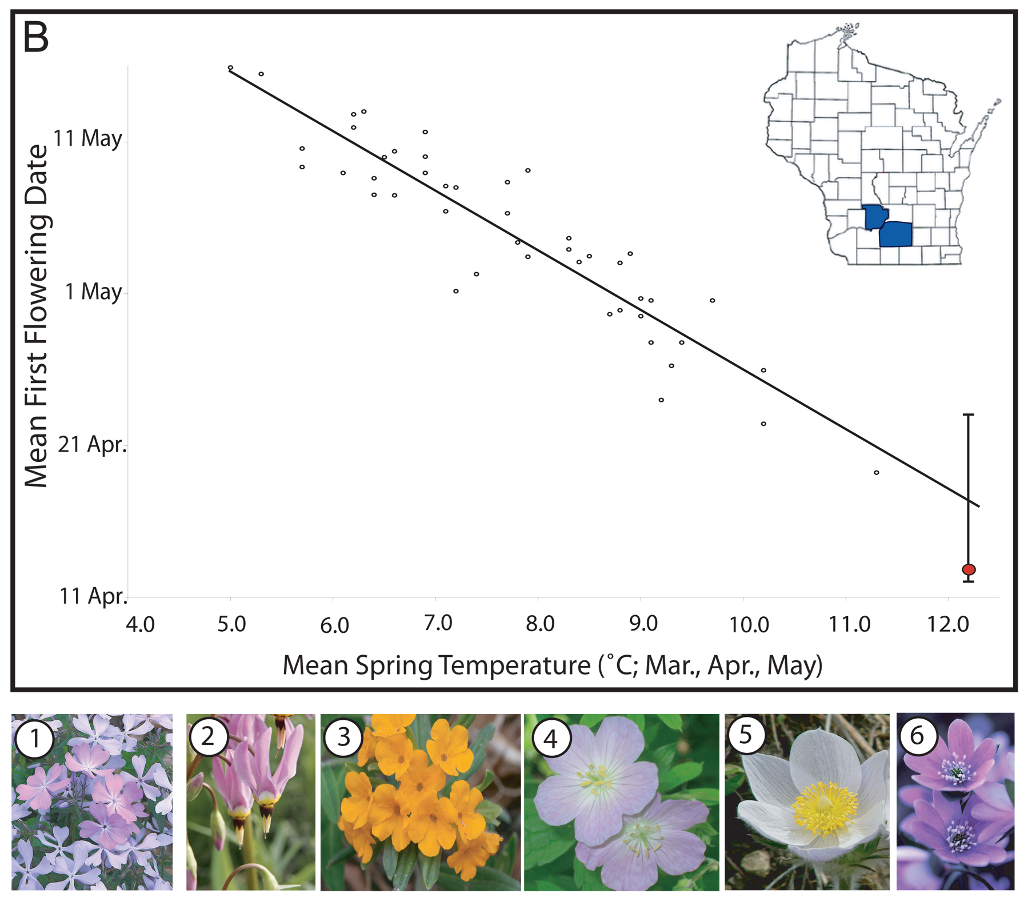
A new study shows native plants bloomed about a month early last year in the Eastern U.S. The study follows up on the work of Aldo Leopold and Henry David Thoreau.
The study looked in part at plant data gathered by naturalist Aldo Leopold outside his famous shack near Baraboo and at the UW Arboretum in the 1930s and 40s. The project also studied plant records kept by Thoreau in Massachusetts in the 1850s. Researchers compared the older data to that gathered last spring, and found plants blooming weeks earlier. UW-Madison emeritus professor Stan Temple says there is a strong connection to warmer spring temperatures, “Species are responding to climate change. It’s not something in the future. It’s already happening now.”
Temple says species blooming earlier in the spring are susceptible to a later cold snap, and expose more plants to a later drought. He says the researchers were able to better predict the earlier flowering last year thanks to the meticulous records kept by Leopold and Thoreau. The study went online Wednesday (1/16) night at the site of the Public Library of Science One (available here).
News with a little more humanity
WPR’s “Wisconsin Today” newsletter keeps you connected to the state you love without feeling overwhelmed. No paywall. No agenda. No corporate filter.
Wisconsin Public Radio, © Copyright 2026, Board of Regents of the University of Wisconsin System and Wisconsin Educational Communications Board.