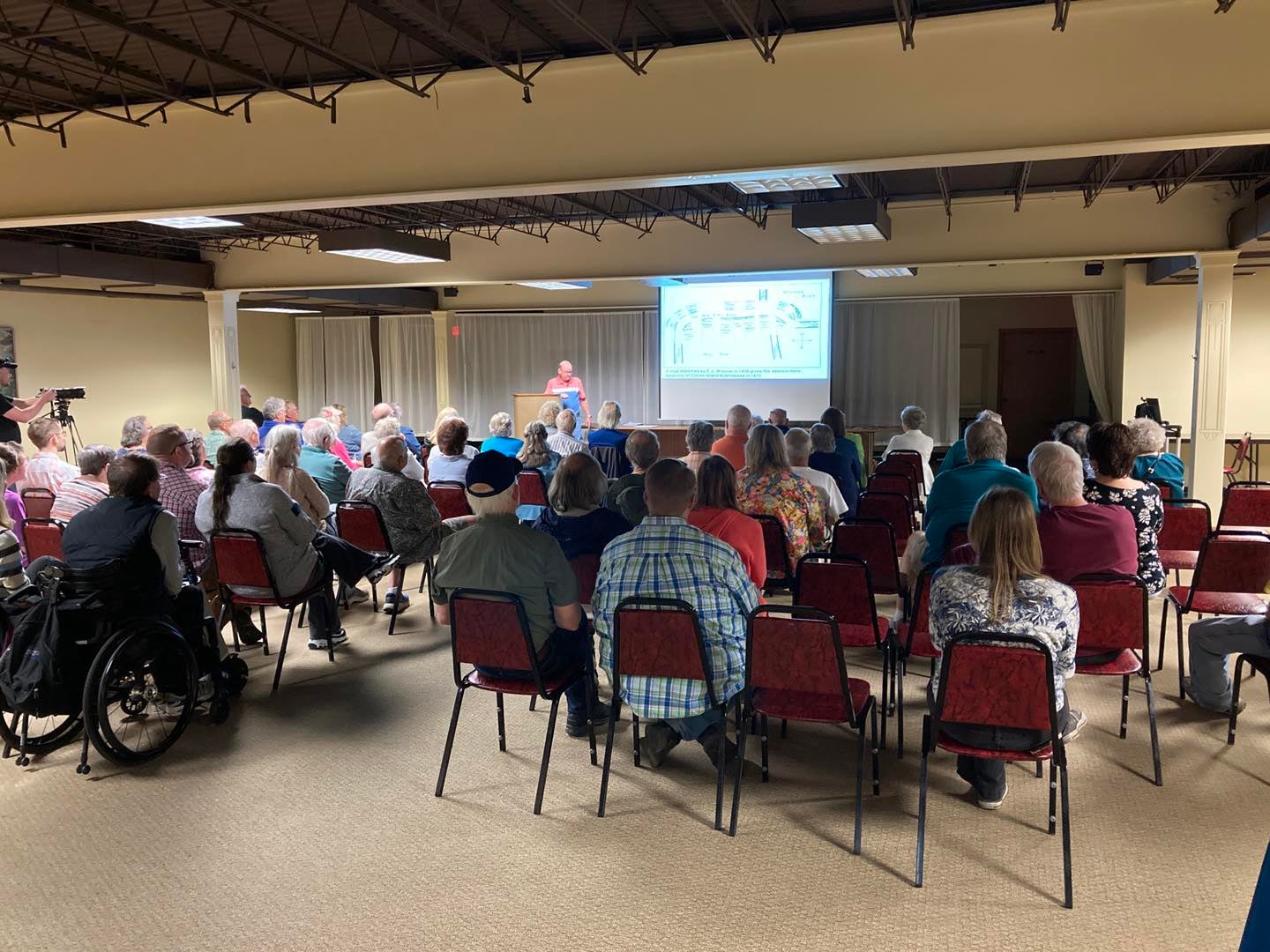
Wausau’s Marathon County Historical Society will host a public talk this month exploring Wisconsin’s LGBTQ+ history, part of its ongoing History
Speaks educational series.
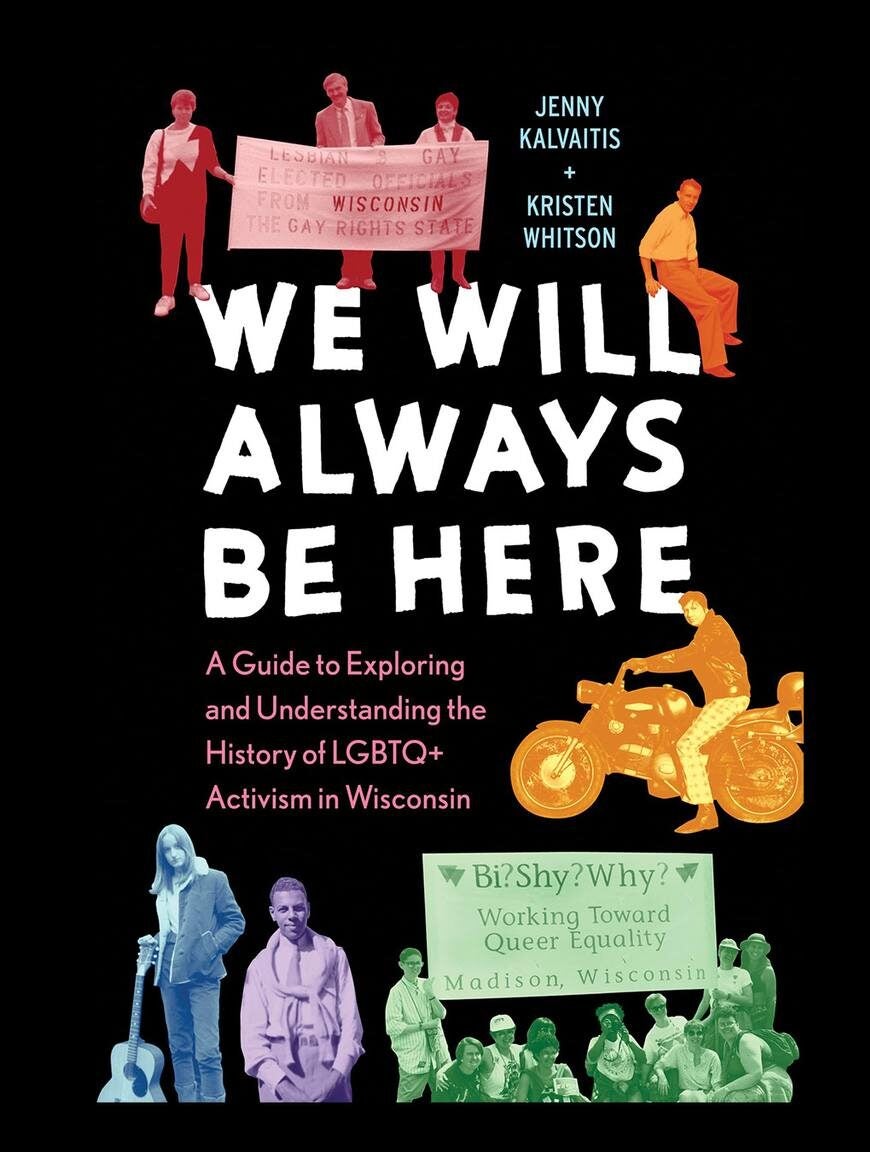
The History Speaks series invites guest speakers to share stories that deepen public understanding of regional and statewide history. This month’s event will focus on LGBTQ+ activism in Wisconsin, featuring authors Jenny Kalvaitis and Kristen Whitson, whose work sheds light on voices often excluded from traditional narratives. Kalvaitis and Whitson co-authored the book “We Will Always Be Here: A Guide to Exploring and Understanding the History of LGBTQ+ Activism in Wisconsin.”
News with a little more humanity
WPR’s “Wisconsin Today” newsletter keeps you connected to the state you love without feeling overwhelmed. No paywall. No agenda. No corporate filter.
The presentation is part of a broader initiative by the Historical Society to elevate voices that have often been left out of traditional historical narratives. In a conversation on “Morning Edition,” Executive Director Blake Opal-Wahoske said the organization is focused on building trust and opening lines of communication with communities that have historically been underrepresented in local archives and museum spaces.
Kalvaitis and Whitson’s book explores decades of LGBTQ+ activism through diary entries, love letters, advertisements, zines and oral histories, offering a deeply personal lens into a movement that shaped the state’s cultural and political landscape. The authors aim not only to educate, but also to empower readers and attendees to find ways to get involved in their communities.
“They have a way of really breaking it all down, making it easy for us to digest,” said Opal-Wahoske. “It isn’t just telling us the rich history of activism in the gay rights movement in Wisconsin. It’s also telling us ways to plug in and get involved in our local communities and ultimately make a difference.”
Opal-Wahoske said the Historical Society sees this event as an opportunity not only to inform, but also to foster dialogue and greater understanding across the community.
For those who attend, the hour-long presentation will include insights from the authors, stories drawn from their book, and the chance to purchase a copy and have it signed. For more details, visit marathoncountyhistory.org or call (715) 842-5750.
The following interview with WPR’s Shereen Siewert was edited for brevity and clarity.
Shereen Siewert: Tell us about the series as a whole.
Blake Opal-Wahoske: The series itself was launched before I was part of the organization. However, it’s all about engaging people and making them feel connected to the history we have here in the local area, but also the state of Wisconsin and the Midwest.
SS: Why is the history of a community so important to its residents?
BOW: The more that we strengthen connections between the past and present, the better able we are to provide context for the community that we call home. Understanding our history helps us look at future decisions more critically and think closely about the impact of those decisions on our everyday lives.
SS: What was the motivation behind the July 19 event, which focuses on Wisconsin’s LGBTQ+ history?
BOW: This is part of an ongoing effort to be more inclusive in our storytelling of the central Wisconsin area, and of the state as a whole. We want to make sure that through history we recognize everyone in Marathon County. That comes with building trust and opening up lines of communication. Bringing these speakers to Wausau will help us achieve that goal, shedding light on some underrepresented communities in the central Wisconsin area.
SS: In light of the renewed debate over LGBTQ+ rights, including recent calls from some public figures to revisit the Supreme Court’s 2015 ruling on same sex marriage, how do you see public history institutions like yours playing a role in grounding those conversations in historical context?
BOW: A primary role that historical societies and history museums have across the country and the globe is education. Without knowledge of our past, how can we make the right decisions as we go forward? This is really an opportunity for us to provide education on a topic that is sometimes overlooked. These aren’t stories or topics that are taught in our schools. These are topics that we need to seek out. We are very excited to bring these opportunities to our community, so people can have a broader understanding.
SS: LGBTQ+ history is often underrepresented in local storytelling. What challenges or opportunities have you faced in bringing more inclusive narratives into public programming like this?
BOW: It is always a bit of a challenge. Thankfully, we have a thoughtful group of leaders here within our organization who are willing to bring these types of speakers and issues to the forefront. Being in central Wisconsin, there is a little bit of a pushback when we choose to cover these topics. But I tell people that we are here to represent everyone and every walk of life. This applies not only to our LGBTQ+ community but also looking at the Hmong refugee experience, for example. We want to know how to become more involved in those communities, which have been lacking in our historic archives even though this is a huge part of our culture in central Wisconsin. We see these as opportunities that can help preserve our local history and be more approachable to the people who live here.
SS: You said that you did get some pushback about this event in particular. How do you incorporate feedback into your approach to future programming?
BOW: I think a good way to look at this is to consider the way we approached history in the past. We do tell the mainstay stories about German and Polish immigrants coming and settling here, but there were so many other groups involved, and those are stories that have often been overlooked. For us, it’s making sure that we are giving each community a platform and the same spotlight and attention.
SS: What can people expect if they attend the July 19 event?
BOW: They can expect to hear the authors give a full presentation on the book they wrote and share the history behind the activism we’ve seen in the LGBTQ+ community here and throughout the state. They used so many engaging primary sources for the book, and I’d imagine they’ll be referencing those. They wrote the book using diary entries, love letters, advertisements, newspapers and oral histories. It will be a very dynamic, hour-long presentation, and people who attend will have an opportunity to buy the book and have it signed. It’s going to be a great event.
If you have an idea about something in central Wisconsin you think we should talk about on “Morning Edition,” send it to us at central@wpr.org.