
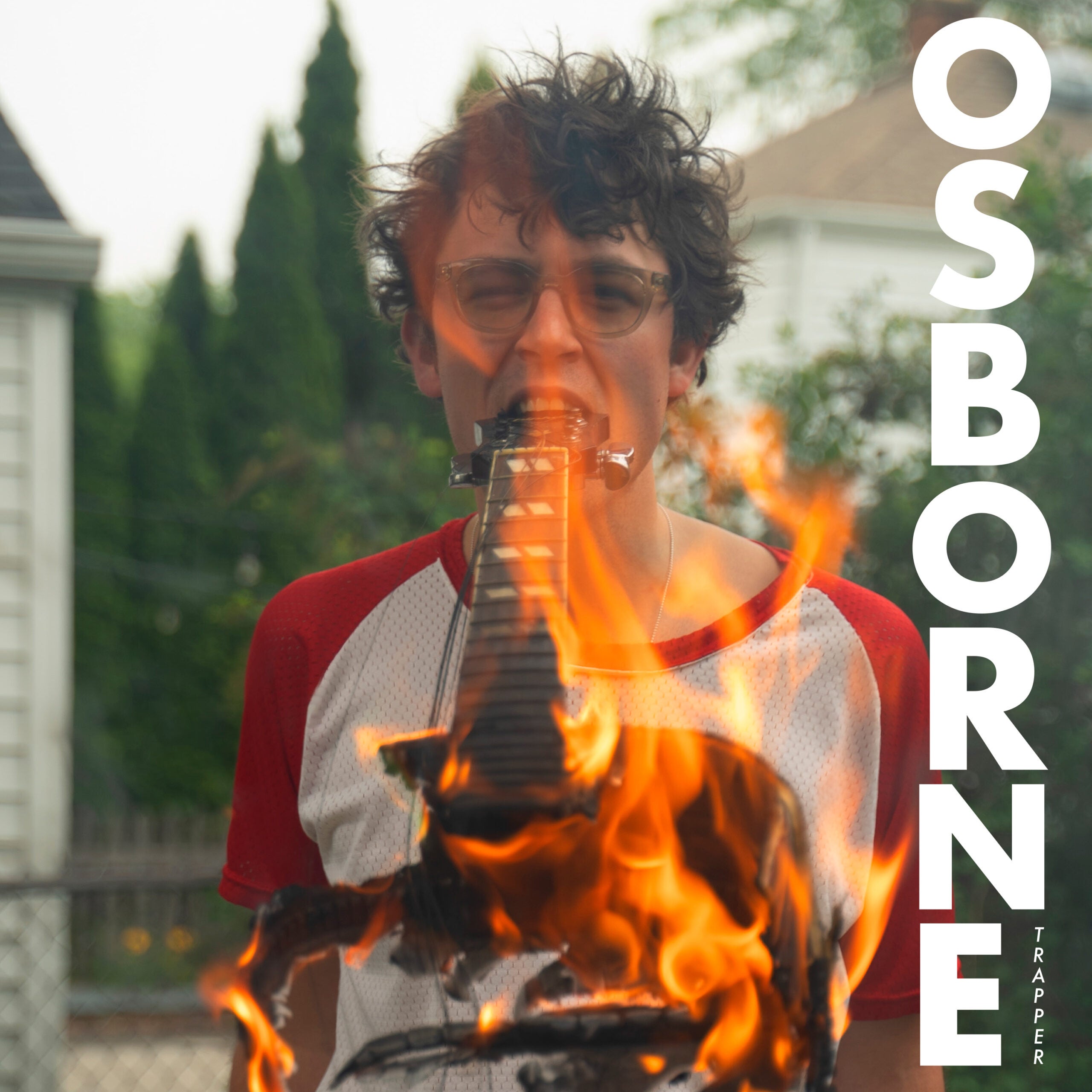
Milwaukee singer-songwriter Trapper Schoepp began writing his latest album, “Osborne,” on the day he entered a drug addiction treatment center in Minnesota.
“I felt at the time, my personal, figurative ‘house’ had blown over, and so I wanted to build a new house to live in for a bit,” Schoepp told WPR’s “Wisconsin Today.” “Recovery was very much a part of that.”
Last year, the musician checked into the Hazelden Betty Ford Treatment Center near St. Paul, Minnesota. Celebrities like Robin Williams, Eric Clapton and Liza Minnelli have all sought treatment at the center.
News with a little more humanity
WPR’s “Wisconsin Today” newsletter keeps you connected to the state you love without feeling overwhelmed. No paywall. No agenda. No corporate filter.
But Schoepp’s stay in the center’s Osborne unit brought to mind another famous resident with an almost identical name — the late heavy metal legend Ozzy Osbourne. Schoepp wrote the title track of the album on his first day in the Osborne unit.
“I was like, ‘Oh, if Ozzy could do it, I can do it,’” Schoepp said. “There were guitars out and heavy metal themed artwork on the walls. There was just a really strong brotherhood in that unit.”
Schoepp’s relationship with painkillers began after he underwent spinal decompression surgery when he was 20 following injuries from BMX riding. His doctors prescribed several different painkillers after the surgery. He told WPR he leaned on the medications too much throughout his 20s.
“I think doctors were treating me in the way that they knew how to treat me best at that time,” Schoepp said. “You’re trying to make yourself feel better, and I think that’s what a lot of people were doing in the early days of the opioid epidemic … As someone who made it through and has seen the pain of that firsthand, I thought it was a duty of mine to come clean and write about that experience.”
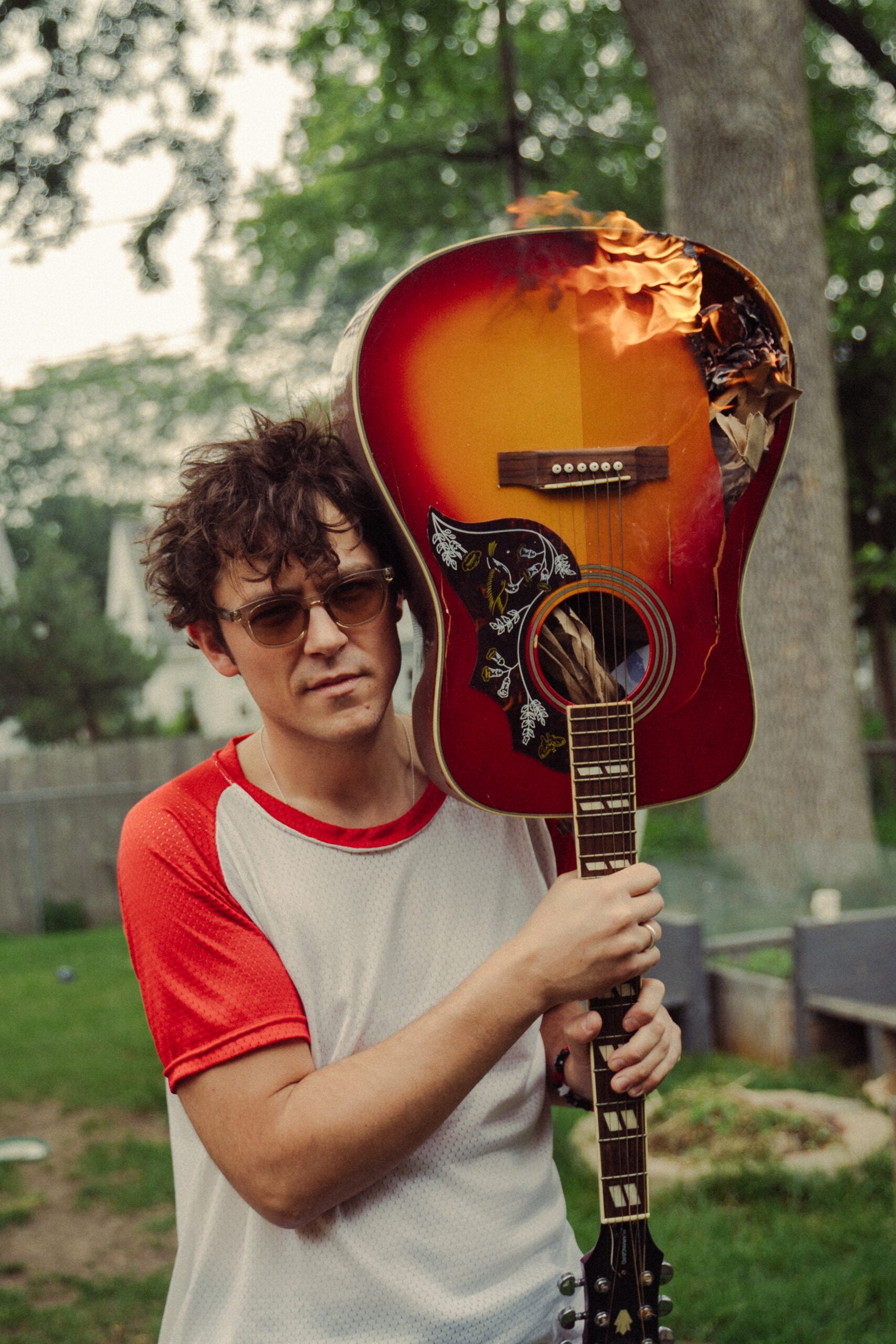
Many of the tracks on the new album — “Tomorrow’s For Quittin’” and the album’s title track, “The Osbournes” — are grounded in Schoepp’s familiar folk genre, leaning into a gentle, stripped-back sound.
But other songs showcase an intense, rock sound. “Satan is Real (Satan is a Sackler)” pairs a distorted guitar with angry lyrics pointing a finger at the Sackler family, the founders of Purdue Pharma and the makers of OxyContin, as culpable in America’s opioid crisis.
“They started it all / They know it’s true / They started the fire / That I walked into,” Schoepp sings in the chorus.
“There is so much pain that the Sackler family has caused America,” Schoepp said. “I wanted to write that song as a way to show solidarity with the victims, survivors and families who have been affected by their malicious actions.”
Schoepp said he empathizes with others who are wrangling with sobriety.
“Your recovery is not a race, and there’s no shame for slipping up, and there’s no shame in maybe not being ready to go there yet,” Schoepp said. “I think we live in a very black-and-white culture where it’s like all or nothing, and not everyone is in the same place. And I think it’s really important to respect that.“