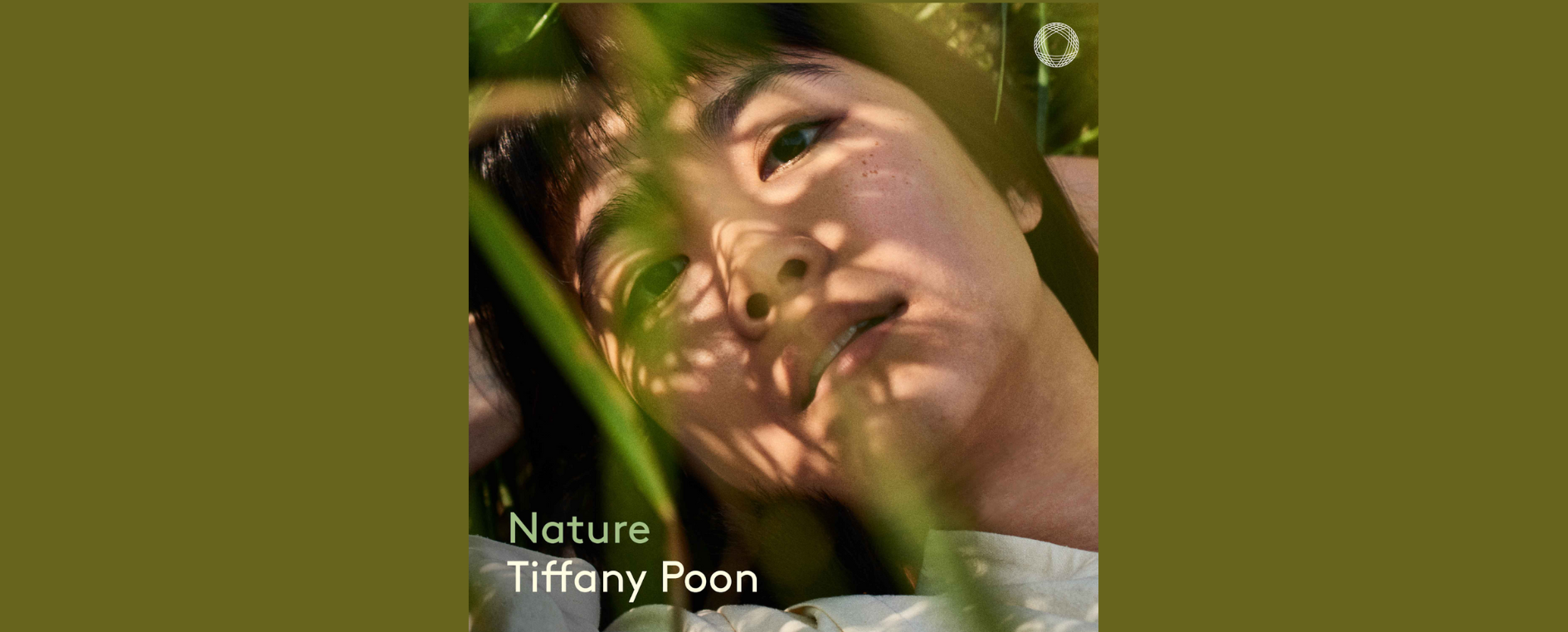
This week’s New Classical Album of the Week is the second solo album from pianist Tiffany Poon.
Originally from Hong Kong, Poon came to the United States when she was 9 years old to study at The Juilliard School. She made her debut as a soloist with New Jersey’s Plainfield Symphony Orchestra at age 10, and since then, she’s gone on to win prizes at piano competitions around the world.
She started sharing videos of her performances on her YouTube channel during the pandemic, and in 2020, she founded Together With Classical, a nonprofit that empowers people to share their own experiences with classical music.
News with a little more humanity
WPR’s “Wisconsin Today” newsletter keeps you connected to the state you love without feeling overwhelmed. No paywall. No agenda. No corporate filter.
Poon’s new album explores French piano pieces that take their inspiration from the natural world, from the sounds of birds to the motion of water.
I recently had the opportunity to ask Poon about her follow-up to her critically acclaimed 2024 album of Robert Schumann’s music, “Diaries.”
“Nature” is available now on the Pentatone label.
The following interview has been edited for clarity and brevity.
Jason Heilman: How did you decide on the theme for this new album?
Tiffany Poon: I was struggling to find my next album concept and I felt artistically paralyzed for some weeks, so I went for a swim … Then I had an epiphany in the waters because my eyes kept gravitating towards a tree … So voilà! Nature.
JH: How did you approach programming it?
TP: I searched for nature-themed piano repertoire and found out that a lot of it is French. I explored French art collections in New York, Philadelphia and Paris and I have the impression that the deep respect and admiration for nature is very unique to French culture.
It permeates everywhere in Paris for example, from designs of Hausmann buildings to the rabbit mascot for the metro. So like (French composer Jean-Philippe) Rameau advocated, I followed my instincts to curate a musical journey through nature.
JH: Was there a favorite piece on this album that you knew you had to include?
TP: One of the first pieces that came to mind was (French composer Maurice) Ravel’s “Jeux d’eau,” a beautiful piece I’ve known since I was 13, listening to (Martha) Argerich’s recording growing up.
But honestly, I don’t have favorites. It was a very flowing process, choosing which pieces to include based on how much immediate response I felt, be it a smile or a tuck at my heart or a shiver.”
JH: Are there any pieces on the album that were new to you, but that you fell in love with as you got to know them?
TP: “La Poule” by Rameau is such a humorous piece and I think a pretty accurate depiction of chickens as well. The first time I heard it all the way through, it made me smile and I could picture myself playing it right away.
Same with “Le Coucou” by (Louis-Claude) Daquin and “Aesop’s Feast” by (Charles-Valentin) Alkan — I hope they bring the listeners some smiles from their charming silliness.
JH: Is there anything you’d like to add about this new album?
TP: I hope listeners will take an hour to listen to my album from beginning to end, because every track is intentional. Feel the beauty of nature, be inspired and celebrate nature.