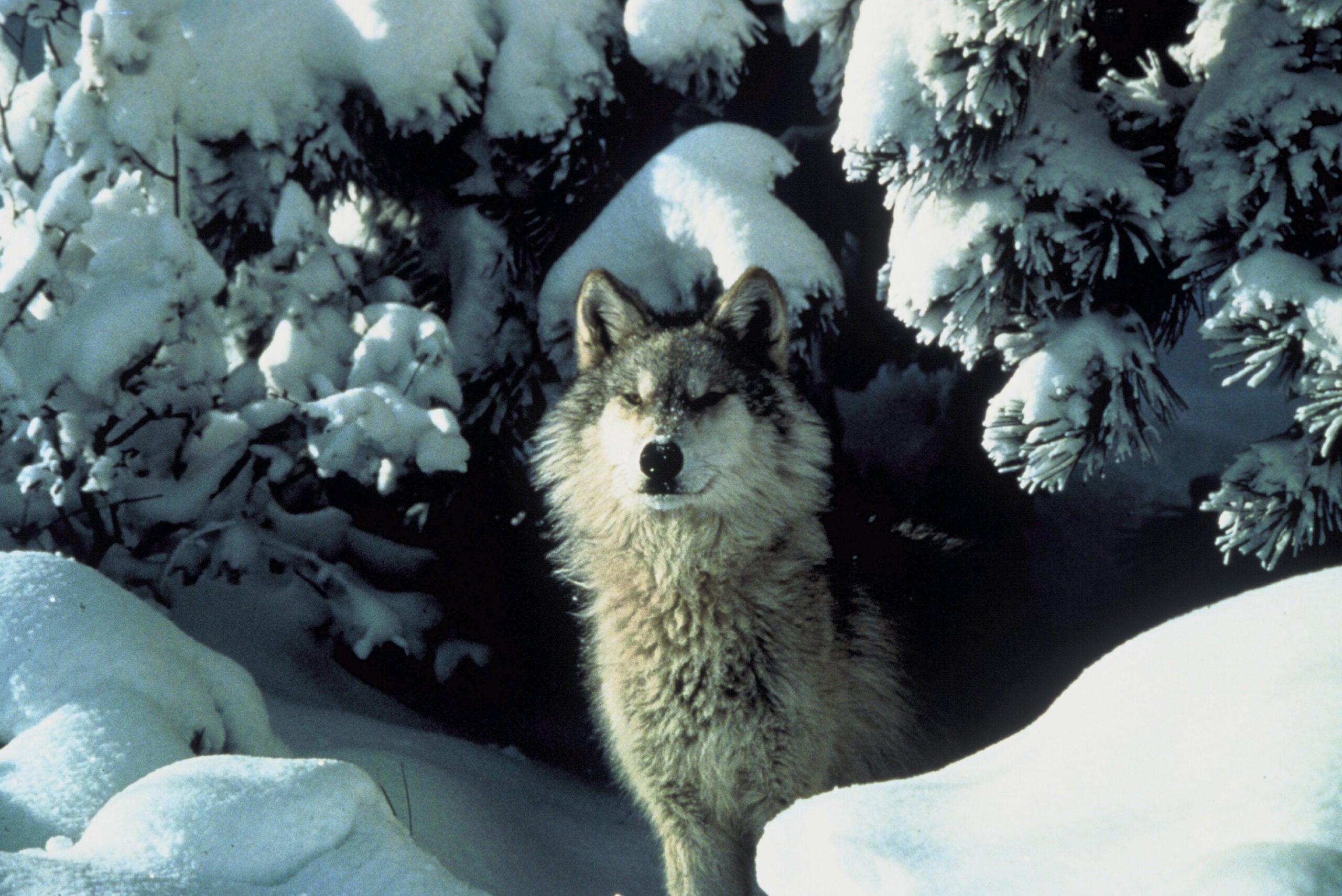
Forestry offers a unique glimpse into the natural beauty and evolving landscape of Wisconsin. In an essay for “Wisconsin Life,” writer Ron Weber — a forester himself — reflects on the tracks we leave in the woods, and what that can teach us about wildlife restoration and the legacy of conservation work.
‘The Tracks We Leave’
One of the great things about being a forester is we get to see so many of the wild places and things that make Wisconsin such a wonderful place to live and work. Sometimes those sights trigger thoughts and feelings that go even deeper than just their beauty.
News with a little more humanity
WPR’s “Wisconsin Today” newsletter keeps you connected to the state you love without feeling overwhelmed. No paywall. No agenda. No corporate filter.
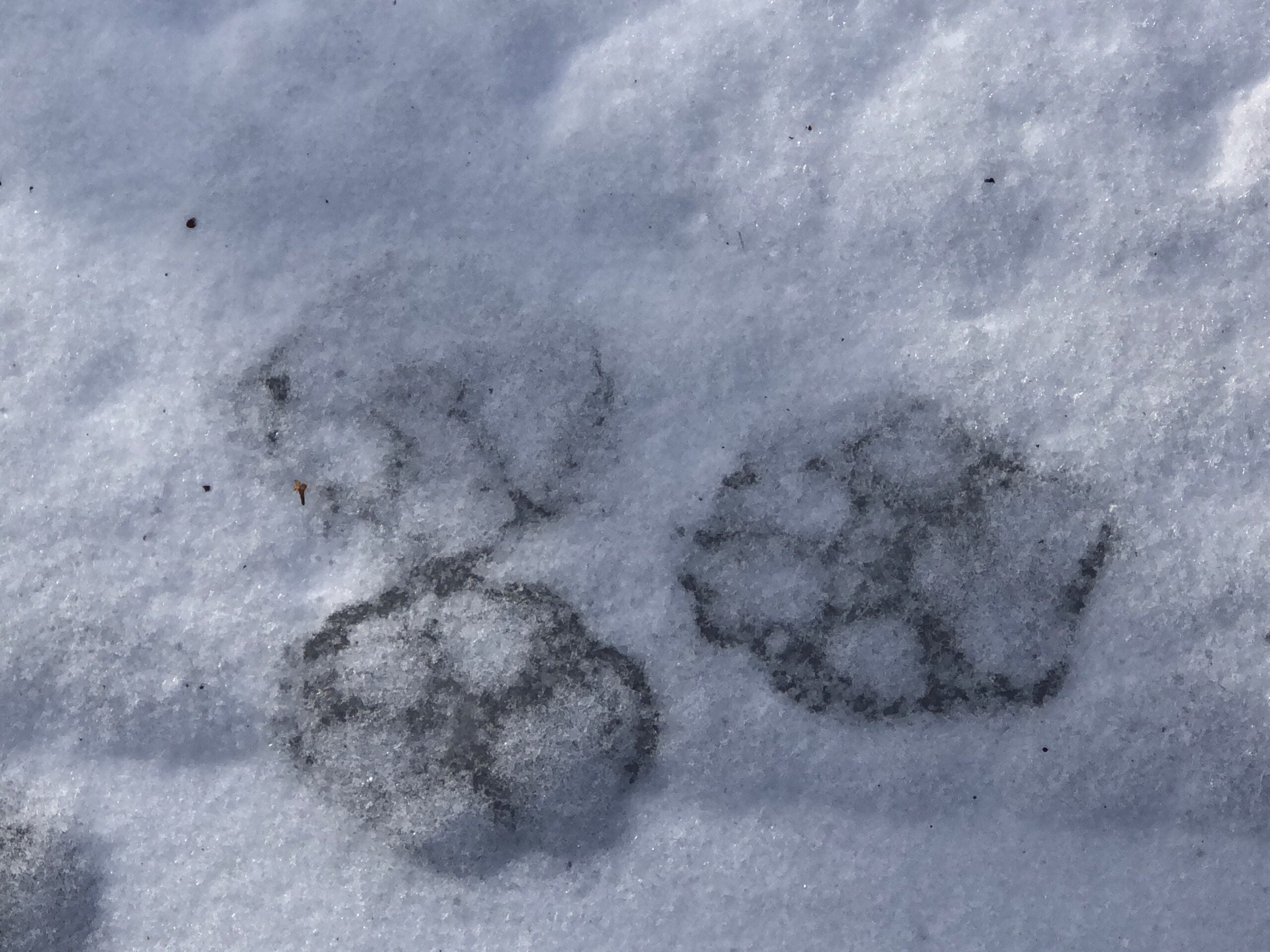
Recently, while conducting a timber cruise to determine if the forest was in need of a harvest, I came upon a logging road that had been used on an adjacent harvest. I followed the road for a ways as it was going in the general direction I needed to continue my cruise. As I negotiated the ice-packed road, I noticed elk tracks crossing the road entombed in ice covered with a light skiff of snow. It struck me as a unique sight so I pulled out my camera and snapped a couple pictures. Fifty yards further down the road I noticed wolf tracks similarly encased in ice. After taking a couple pictures of those also, I cut off the road to continue my cruise.
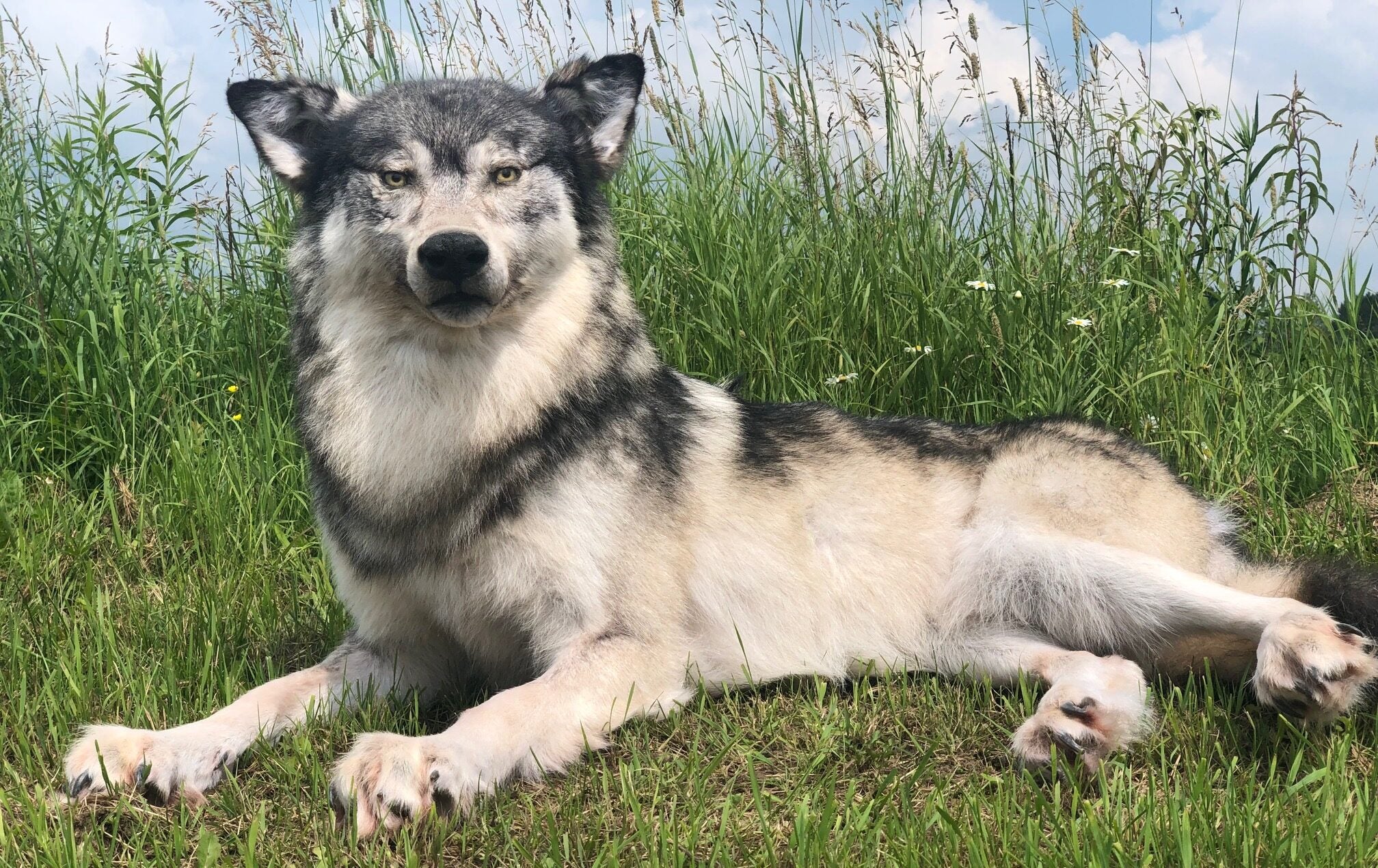
A forester has much to think about on the journey from one plot to the next: regeneration, quality and composition of overstory trees, invasive species and how much of a hassle will it be for the logger to cross that stream. Along with those things, I also found myself thinking about those tracks. I grew up in what was, for the most part, a wolf-less Wisconsin. Now they are quite common. Elk were no more than a footnote in the natural history of our state, but now I see their tracks often on the Flambeau River State Forest where I work. Even the two bald eagles I had seen along the river earlier in the day were a rarity at one time in my life, but now are so common sometimes we rarely pause to notice them.
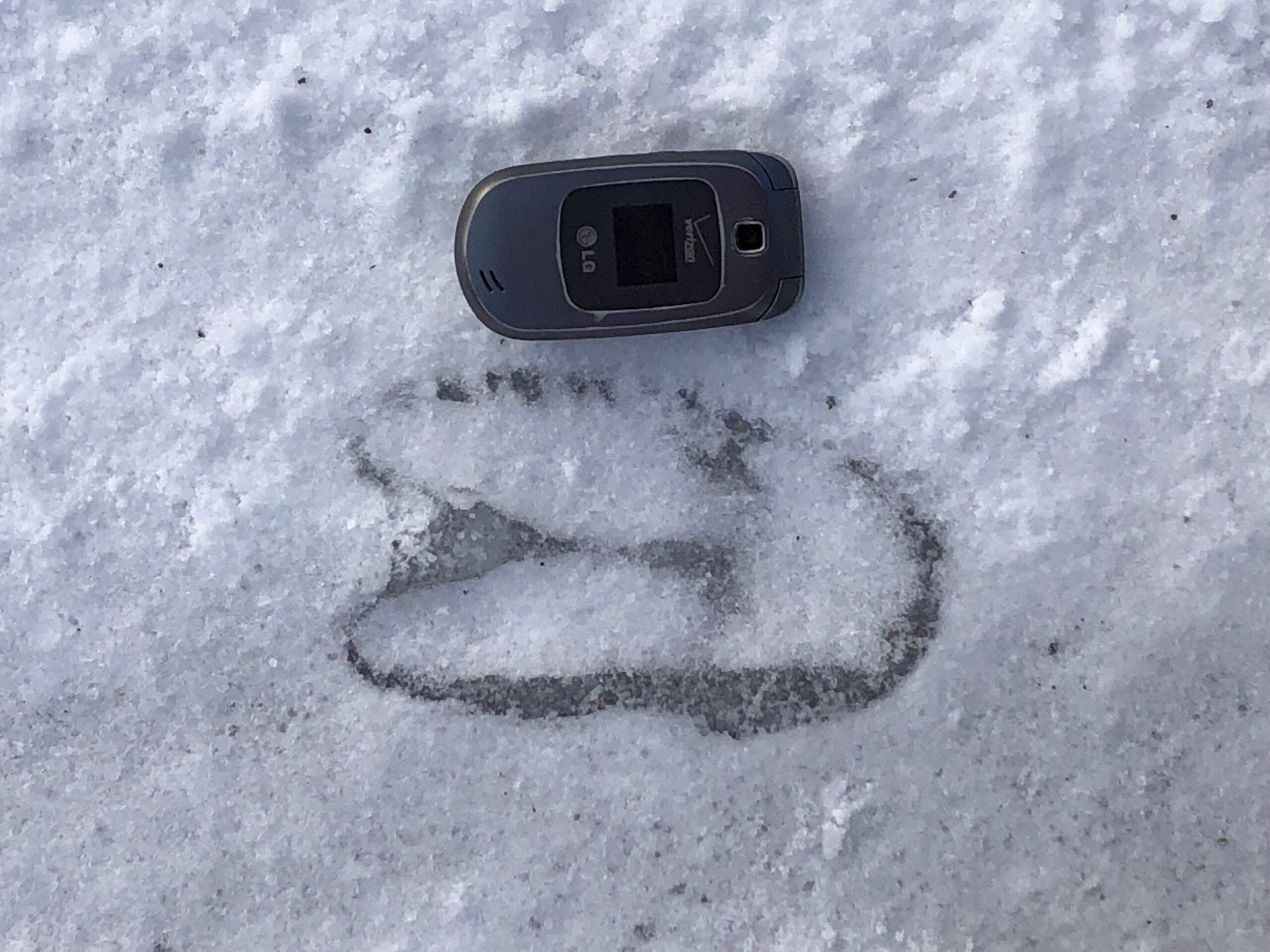
I pulled out my camera and took another look at the pictures. It is said that a picture is worth a thousand words. If that is the case I was disappointed by the pictures because I guess not even a thousand words were enough to convey the beauty I saw in those tracks. I thought of all the people who dreamed of having those animals as part of our landscape again and worked tirelessly to make it happen. I especially thought of retired DNR wolf biologists Dick Thiel and Adrian Wydeven and DNR elk biologist Laine Stowell. They had dedicated much of their careers and lives to making those dreams a reality. To see that come to fruition must be extremely satisfying.
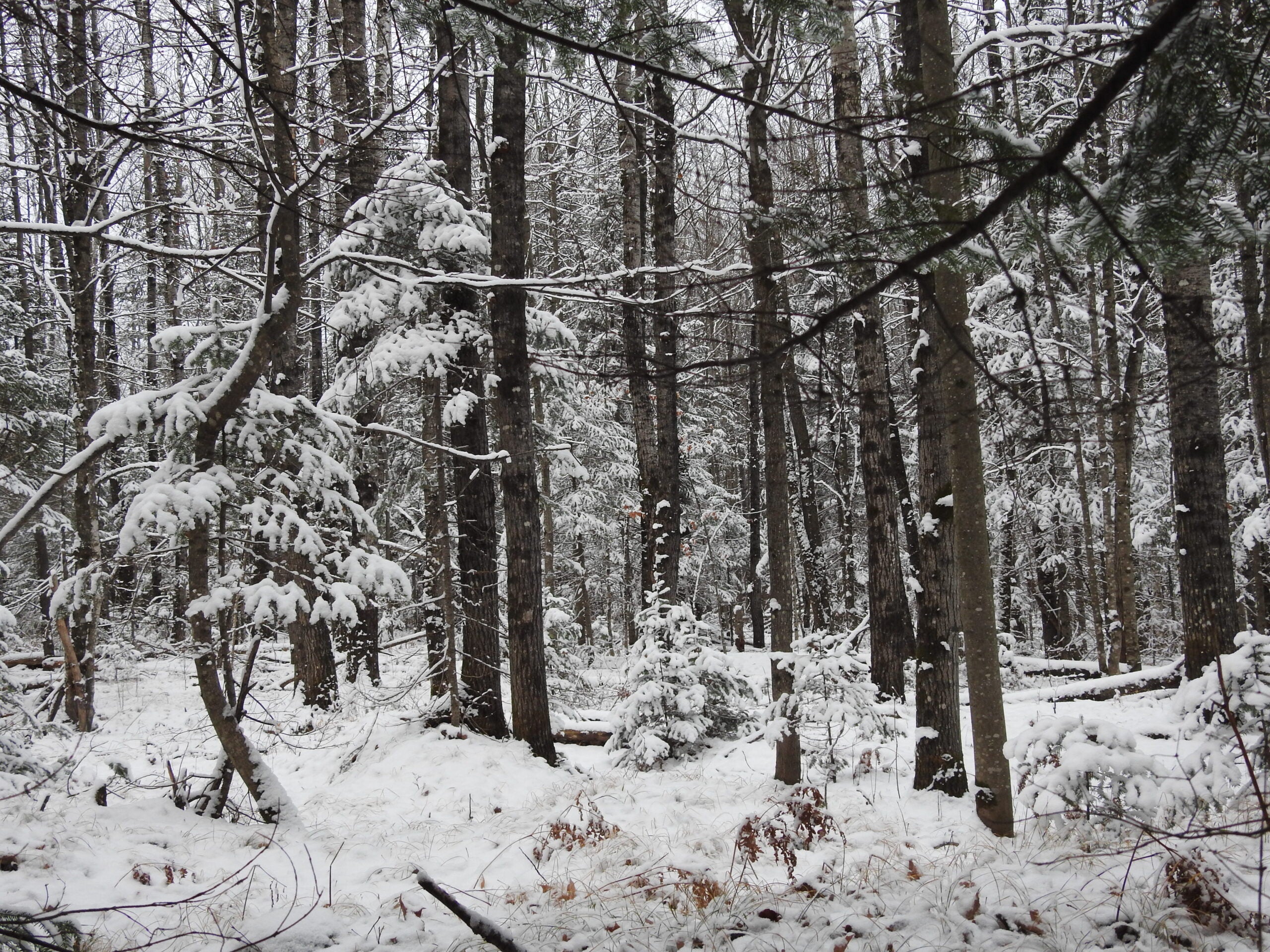
What about us as foresters? Sustainable forestry is a long-term investment. Most of us will never see the landscape pictures we are painting with the help of our logging partners. The tracks my boots have left in the snow, sand and mud doing my work over the years will have long since faded. The shelterwood, coppice and selection harvests we set up are often described as messes upon completion and even 10 or 20 years later only the most discerning eye would describe them as beautiful. I guess it is enough for me to know and believe that one day that beauty will be there for all to recognize. Maybe it will even be beautiful enough for someone to stop in their travels and take a picture. That thought lightened my feet a little on the journey to my next plot.

“Wisconsin Life” is a co-production of Wisconsin Public Radio and PBS Wisconsin. The project celebrates what makes the state unique through the diverse stories of its people, places, history and culture.